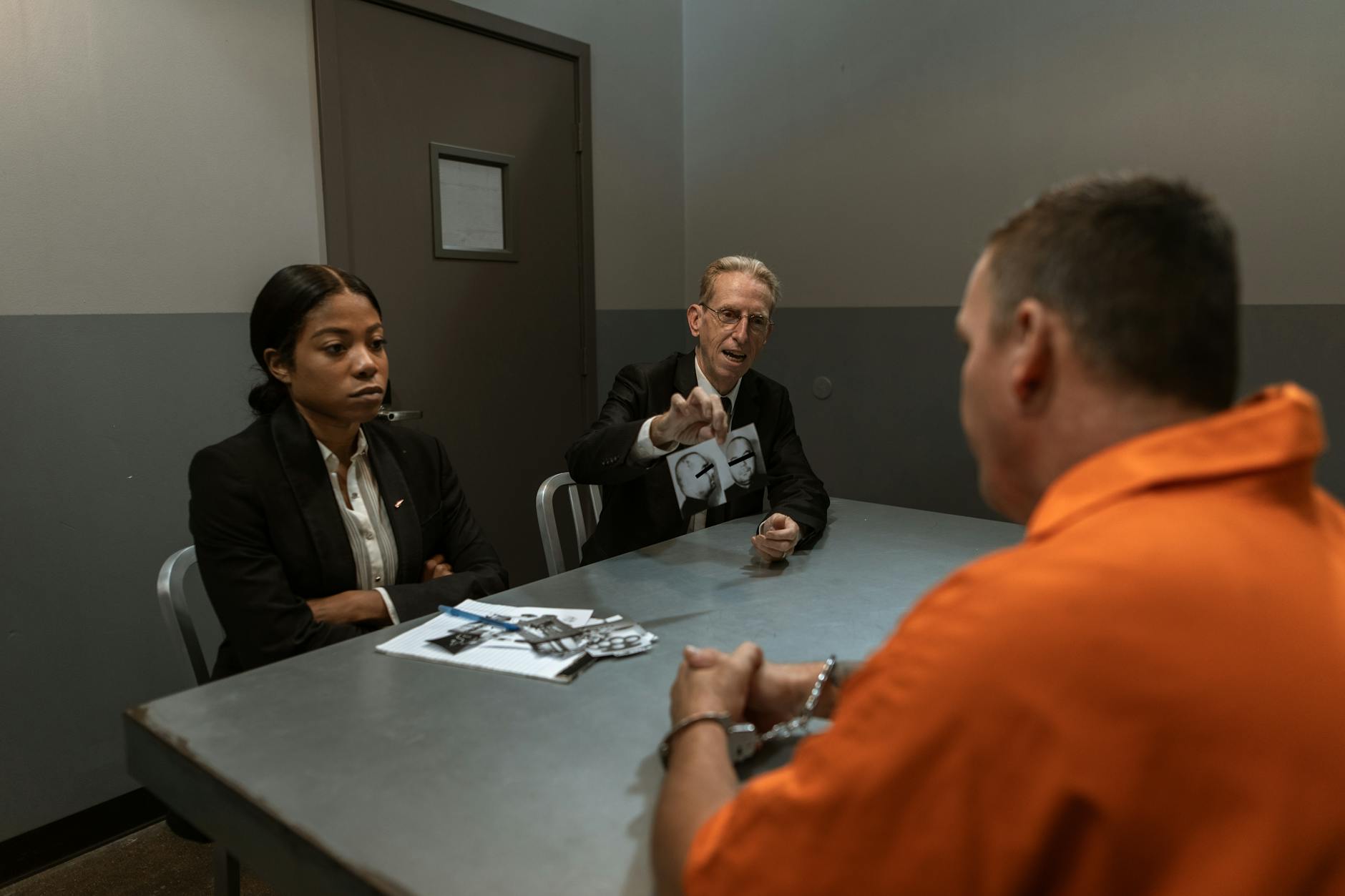
Every year, thousands of individuals find themselves in a police station, not as suspects, but as participants in a voluntary police interview. This process, often misunderstood, plays a crucial role in investigations and community policing. A voluntary police interview is a conversation between an individual and law enforcement officers where the person chooses to participate without being under arrest or compulsion.
Understanding the process of voluntary police interviews is essential for anyone who may encounter such a situation. A voluntary police interview is not a formal interrogation; it is a cooperative discussion where individuals can provide information that may assist in solving crimes or preventing future ones. This process is relevant to anyone who might witness a crime, have information about an ongoing investigation, or simply want to contribute to community safety. Knowing what a voluntary police interview entails can demystify the experience and empower individuals to make informed decisions about their participation.
Voluntary Interviews Defined
A voluntary police interview is a non-compulsory conversation between an individual and law enforcement officers. Unlike custodial interviews, these discussions occur when a person chooses to speak with police willingly. The setting can vary from a police station to a more informal location, depending on the circumstances. This type of interview often aims to gather information, clarify details, or assist in an ongoing investigation.
According to a report by the National Institute of Justice, voluntary interviews can significantly aid in resolving cases. These conversations often provide valuable insights that might not be obtained through formal interrogations. Police officers typically treat these interviews as cooperative exchanges rather than adversarial encounters. The atmosphere is generally more relaxed, encouraging open dialogue.
During a voluntary interview, individuals retain certain rights. They can choose to end the conversation at any time or request legal representation. Police officers are trained to conduct these interviews with respect and professionalism. The goal is to gather accurate information while ensuring the comfort and cooperation of the interviewee. This approach fosters a more productive and mutually beneficial interaction.
Voluntary interviews can cover a wide range of topics, from witness statements to general information about a case. The flexibility of these interviews allows for a more comprehensive understanding of the events in question. Law enforcement agencies often rely on these conversations to build a clearer picture of the situation. This method can lead to more effective and efficient investigations.
Key Differences from Formal Interrogations
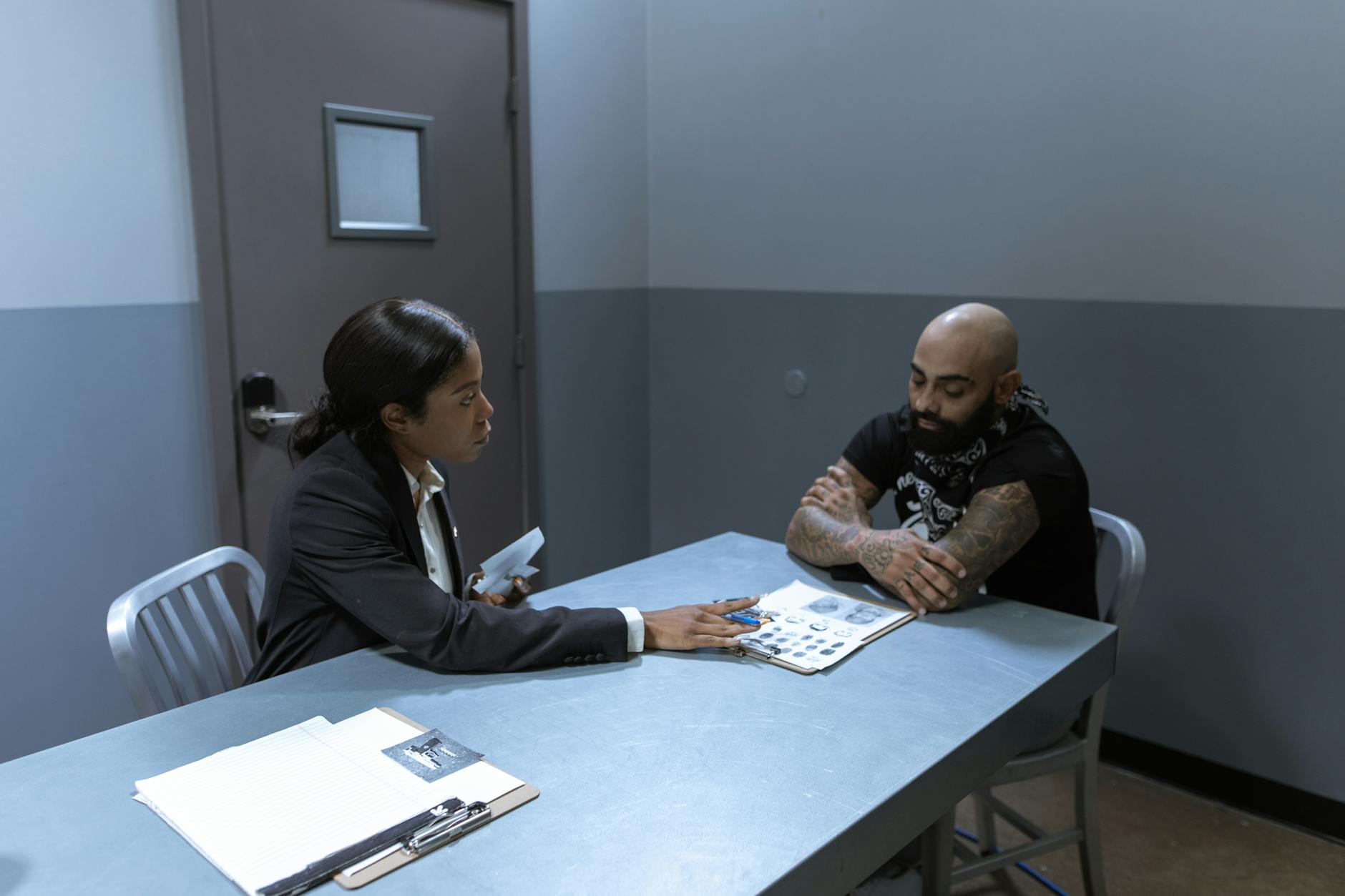
Voluntary police interviews differ significantly from formal interrogations in several key aspects. Unlike formal interrogations, which occur after an arrest, voluntary interviews happen before any charges. Participants choose to engage, knowing they can leave at any time. This cooperative approach often leads to more productive conversations, with a 2018 study by the National Institute of Justice finding that voluntary interviews yield higher rates of useful information.
Another crucial difference lies in the atmosphere. Voluntary interviews typically take place in more relaxed settings, such as a comfortable office or even a neutral public space. Police officers often adopt a conversational tone, aiming to build rapport rather than exert pressure. This approach aligns with recommendations from criminal justice experts, who emphasize the importance of voluntary cooperation in solving crimes.
Legal rights also differ. While participants in formal interrogations have the right to remain silent and request an attorney, those in voluntary interviews may not receive the same Miranda warnings. However, officers must still respect constitutional rights and avoid coercive tactics. A 2020 report by the American Civil Liberties Union highlighted the need for clear guidelines to maintain the voluntary nature of these interactions.
Finally, the purpose of voluntary interviews sets them apart. Rather than extracting confessions, officers seek information to aid investigations. This collaborative approach can lead to quicker resolutions and fewer wrongful accusations. Understanding these distinctions helps individuals navigate encounters with law enforcement more confidently.
What to Expect During the Process

When an individual agrees to a voluntary police interview, they should expect a structured process designed to gather information. Typically, the interview takes place at a police station or other official setting. The environment is usually formal, but not necessarily intimidating. Police officers conducting the interview will introduce themselves and explain the purpose of the meeting.
During the conversation, officers may ask a range of questions to clarify facts and gather details. According to a study by the National Institute of Justice, voluntary interviews often yield valuable information that can aid investigations. However, individuals have the right to remain silent and can request legal counsel at any time. It's crucial to understand that while the interview is voluntary, the information provided can be used in legal proceedings.
Throughout the process, it's important to stay calm and composed. Officers may take notes or record the conversation, which is standard procedure. The duration of the interview can vary widely, from a brief discussion to several hours, depending on the complexity of the case. Transparency and honesty are key, but individuals should also be aware of their rights and the potential consequences of their statements.
At the conclusion, officers will summarize the key points discussed and may provide next steps. It's not uncommon for follow-up interviews or additional questions to arise. Participants should feel free to ask questions about the process or seek clarification on any points. Understanding the voluntary nature of the interview and the potential outcomes can help individuals navigate the experience with confidence.
Your Rights and Protections
When a police officer invites someone for a voluntary interview, it means they are not under arrest and can choose to participate. This type of interview occurs when police believe an individual may have information relevant to an investigation. It is crucial to understand that while the interview is voluntary, the conversation can still be used as evidence in court. According to legal experts, approximately 70% of criminal cases involve some form of voluntary interview.
Individuals have the right to decline a voluntary interview. Police cannot compel someone to attend or answer questions without an arrest or a court order. However, refusing to cooperate may raise suspicions or lead to further investigation. It is advisable to consult with a legal professional before making a decision.
During a voluntary interview, police must inform the individual of their rights. This includes the right to remain silent and the right to legal representation. The interview should be conducted in a respectful and professional manner. Any form of coercion or intimidation is prohibited and can undermine the validity of the interview.
Understanding one's rights and protections is essential when facing a voluntary police interview. Being aware of these rights can help individuals make informed decisions and protect their legal interests. Seeking legal advice beforehand can provide clarity and ensure that rights are upheld throughout the process.
Preparing for a Voluntary Interview

A voluntary police interview is a non-compulsory conversation between an individual and law enforcement officers. Unlike formal interrogations, these discussions occur when a person chooses to provide information or clarify their involvement in a case. The setting is typically more relaxed, often taking place at a police station or even a neutral location. This approach encourages open dialogue, helping investigators gather valuable insights without the pressure of a formal proceeding.
According to a study by the National Institute of Justice, voluntary interviews can significantly aid in resolving cases, with a 30% increase in successful outcomes when witnesses or suspects cooperate willingly. Police officers conduct these interviews with a focus on building rapport and understanding the individual's perspective. The goal is to gather accurate information while respecting the person's rights and comfort level. This collaborative approach fosters trust and can lead to more effective investigations.
Preparation is key for anyone undergoing a voluntary police interview. Understanding the context of the interview, knowing one's rights, and practicing clear communication can make the process smoother. It's essential to approach the situation with honesty and transparency, as this can greatly benefit both the individual and the investigation. By being well-prepared, individuals can navigate the interview with confidence and clarity.
Voluntary police interviews serve as a critical tool for gathering information from individuals who are not under arrest but may possess valuable insights into a case. Unlike formal interrogations, these conversations are cooperative and consensual, offering a less adversarial approach to information gathering. To navigate such interviews effectively, individuals should remain calm, polite, and mindful of their rights, seeking legal advice if necessary. As law enforcement agencies increasingly rely on voluntary interviews, understanding their process and implications will become ever more vital for the public.
Need this answered for your specific case?
Get a flat-fee consultation with a verified U.S. immigration attorney. Engagement letter on every paid consult.
Related guides
This guide provides general legal information and does not create an attorney–client relationship. Information accurate as of July 2026. Always verify current USCIS guidance before acting.