
Walking away from police during an encounter can result in severe consequences, including a prison sentence of up to 10 years. This stark reality stems from laws in many jurisdictions that criminalize obstruction or resistance to law enforcement, even if no underlying crime occurred. The penalties reflect the seriousness with which authorities treat interference with their duties.
Understanding what happens if you walk away from police is crucial for anyone navigating interactions with law enforcement. In many places, fleeing or evading an officer can escalate a routine stop into a felony charge. The consequences extend beyond immediate legal penalties, potentially impacting future employment, housing, and civil rights. Awareness of these risks empowers individuals to make informed decisions during police encounters, balancing rights with the need for cooperation.
Understanding the Law on Fleeing Police

Walking away from police officers can have serious legal consequences. In many jurisdictions, fleeing from law enforcement is considered a criminal offense. This law applies whether the individual is on foot or in a vehicle. The penalties can be severe, including significant prison time.
According to legal experts, the specific penalties vary by state and country. However, the potential consequences are often understated. For instance, in some U.S. states, fleeing from police can result in a felony charge. This carries a potential prison sentence of up to 10 years. Additionally, individuals may face fines and other penalties.
A study by the National Institute of Justice found that nearly 30% of police chases involve suspects attempting to flee on foot. This highlights the prevalence of such incidents. Understanding the law is crucial for anyone who may find themselves in this situation. Ignorance of the law is not a valid defense in court.
Legal professionals emphasize the importance of compliance with police instructions. While it may be unsettling, cooperating with law enforcement can prevent escalation. It also reduces the risk of severe legal repercussions. Seeking legal counsel is advisable for those facing charges related to fleeing police.
When Walking Away Becomes a Felony

When an individual chooses to walk away from a police officer, the consequences can escalate rapidly. In many jurisdictions, this action can be interpreted as resisting or evading arrest, even if no formal arrest has been made. Police officers are trained to view such behavior as a potential threat, often leading to heightened tensions and possible use of force.
According to legal experts, walking away can trigger a chain reaction of events that may result in felony charges. A study by the American Civil Liberties Union found that individuals who attempt to leave the scene during a police encounter are significantly more likely to face arrest and prosecution. The severity of the charges can vary, but in some cases, it can lead to a felony charge carrying a potential 10-year prison sentence.
Once charges are filed, the legal process can be daunting. Defendants often find themselves navigating complex legal systems, facing high bail amounts, and dealing with the stigma of a felony charge. The long-term repercussions can include difficulty finding employment, loss of voting rights, and restrictions on housing and education opportunities.
Real-Life Consequences of Resisting Arrest

Resisting arrest, including walking away from police, can have severe real-life consequences. Individuals may face significant prison time, hefty fines, and a permanent criminal record. These outcomes can disrupt personal lives, limit employment opportunities, and strain family relationships. The impact extends beyond the individual, affecting communities and society at large.
According to a study by the Bureau of Justice Statistics, nearly 1.5 million arrests in the U.S. involve some form of resistance. Many of these cases result in additional charges, compounding the legal troubles for the individual. Legal experts emphasize that the consequences often outweigh the initial offense, making it crucial to understand the potential outcomes of resisting arrest.
Beyond legal penalties, resisting arrest can lead to physical altercations. Law enforcement officers may use force to subdue individuals who attempt to flee. These encounters can result in injuries, further complicating the situation. The emotional and psychological toll on both parties can be profound, leaving lasting scars.
Community trust in law enforcement can also be eroded when incidents of resisting arrest escalate. Public perception of police actions becomes polarized, fostering mistrust and tension. Building and maintaining positive community relations requires mutual respect and cooperation, which can be undermined by such incidents.
How to Handle Police Encounters Safely
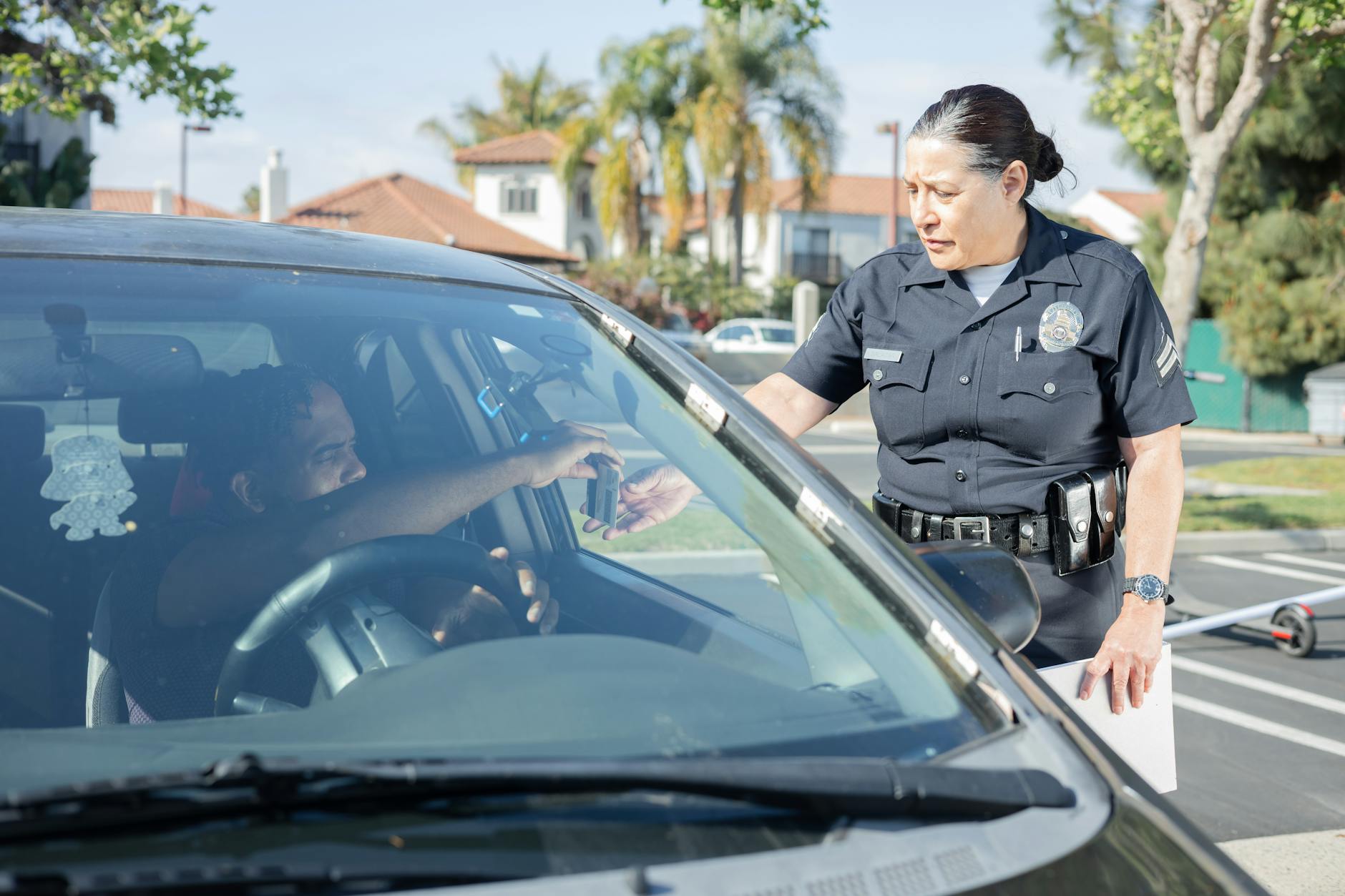
When encountering police, it's crucial to remain calm and composed. The first step is to stop and assess the situation. If an officer approaches, individuals should keep their hands visible and avoid sudden movements. According to the American Civil Liberties Union, police encounters can escalate quickly, so maintaining a respectful demeanor is key.
If an officer asks for identification, individuals should comply if they are in a state that requires it. However, it's important to know local laws, as requirements vary by location. If an officer asks to search a person or their belongings, they can refuse unless the officer has probable cause or a warrant. Remember, consenting to a search waives certain rights.
If an individual feels the encounter is unjust or they wish to leave, they should clearly and politely state their intention. For instance, "Officer, I would like to leave now. Am I free to go?" is a clear and respectful way to inquire. If the officer says no, individuals should comply to avoid escalation. If the officer says yes, they should leave calmly and without sudden movements.
Documenting the encounter can be helpful. If safe to do so, individuals can record the interaction using a phone or other device. This can provide evidence if there are disputes about what occurred. However, it's essential to inform the officer that they are being recorded to avoid misunderstandings. Always prioritize safety over documentation.
If an individual believes their rights have been violated, they should consult with a legal professional. Organizations like the ACLU offer resources and guidance for those navigating police encounters. Understanding rights and knowing how to exercise them can make a significant difference in the outcome of such situations.
Potential Changes to Fleeing Laws

As public scrutiny of policing practices intensifies, discussions around fleeing laws are gaining momentum. Some legal experts argue that current statutes disproportionately target marginalized communities, sparking calls for reform. A 2021 study by the National Institute of Justice found that Black individuals are three times more likely to face charges for fleeing than their white counterparts. This disparity has led to proposals for revising or abolishing these laws altogether.
Proponents of change suggest implementing stricter guidelines for when officers can pursue suspects. They advocate for de-escalation techniques and community policing as alternatives to aggressive chases. The goal is to reduce unnecessary confrontations while maintaining public safety. However, critics warn that such changes could hinder law enforcement's ability to apprehend dangerous individuals.
Legislators in several states are considering amendments to fleeing laws. Some proposals include lowering penalties for minor infractions or requiring officers to have probable cause before initiating a pursuit. These changes aim to balance public safety with individual rights. The debate continues as stakeholders weigh the potential impacts of any modifications.
Walking away from law enforcement can have severe consequences, including a potential 10-year prison sentence under certain circumstances. Understanding the laws and your rights is crucial to avoid escalating situations. If you find yourself in an encounter with police, remain calm, keep your hands visible, and comply with their instructions to ensure your safety and theirs. As communities continue to advocate for police reform, the conversation around use-of-force policies and public interactions with law enforcement remains vital.
Need this answered for your specific case?
Get a flat-fee consultation with a verified U.S. immigration attorney. Engagement letter on every paid consult.
Related guides
This guide provides general legal information and does not create an attorney–client relationship. Information accurate as of July 2026. Always verify current USCIS guidance before acting.