
In the United States, privacy laws vary significantly from state to state, creating a complex legal landscape regarding recording conversations. Twelve states have enacted laws that explicitly prohibit recording someone without their consent, a fact that often surprises many people who assume federal wiretapping laws apply uniformly across the country.
Understanding whether it is illegal to record someone without consent is crucial for individuals and businesses alike. The answer depends largely on geographical location. These laws, known as "two-party consent" laws, require all parties involved in a conversation to agree to the recording. The question "Is it illegal to record someone without consent?" becomes particularly relevant in states like California, Florida, and Massachusetts, where violations can result in severe penalties.
Understanding Privacy Laws

Privacy laws in the United States vary significantly from state to state, creating a complex legal landscape for recording conversations. At the heart of these laws lies the concept of consent, which determines whether a recording is legal or not. Generally, states follow either a one-party or all-party consent model. In one-party consent states, only one person involved in the conversation needs to consent to the recording. Conversely, all-party consent states require all participants to agree to being recorded.
According to the American Bar Association, 38 states and the District of Columbia operate under the one-party consent rule. This means that in most of the country, an individual can legally record a conversation they are part of without informing the other parties. However, the remaining 12 states adhere to the all-party consent rule, making it illegal to record a conversation without the explicit consent of all participants.
Understanding these laws is crucial for anyone looking to record conversations, whether for personal, professional, or legal reasons. Violating these laws can result in serious legal consequences, including fines and imprisonment. It is always advisable to consult with a legal professional to ensure compliance with the specific laws in your state.
States with Strict Recording Laws
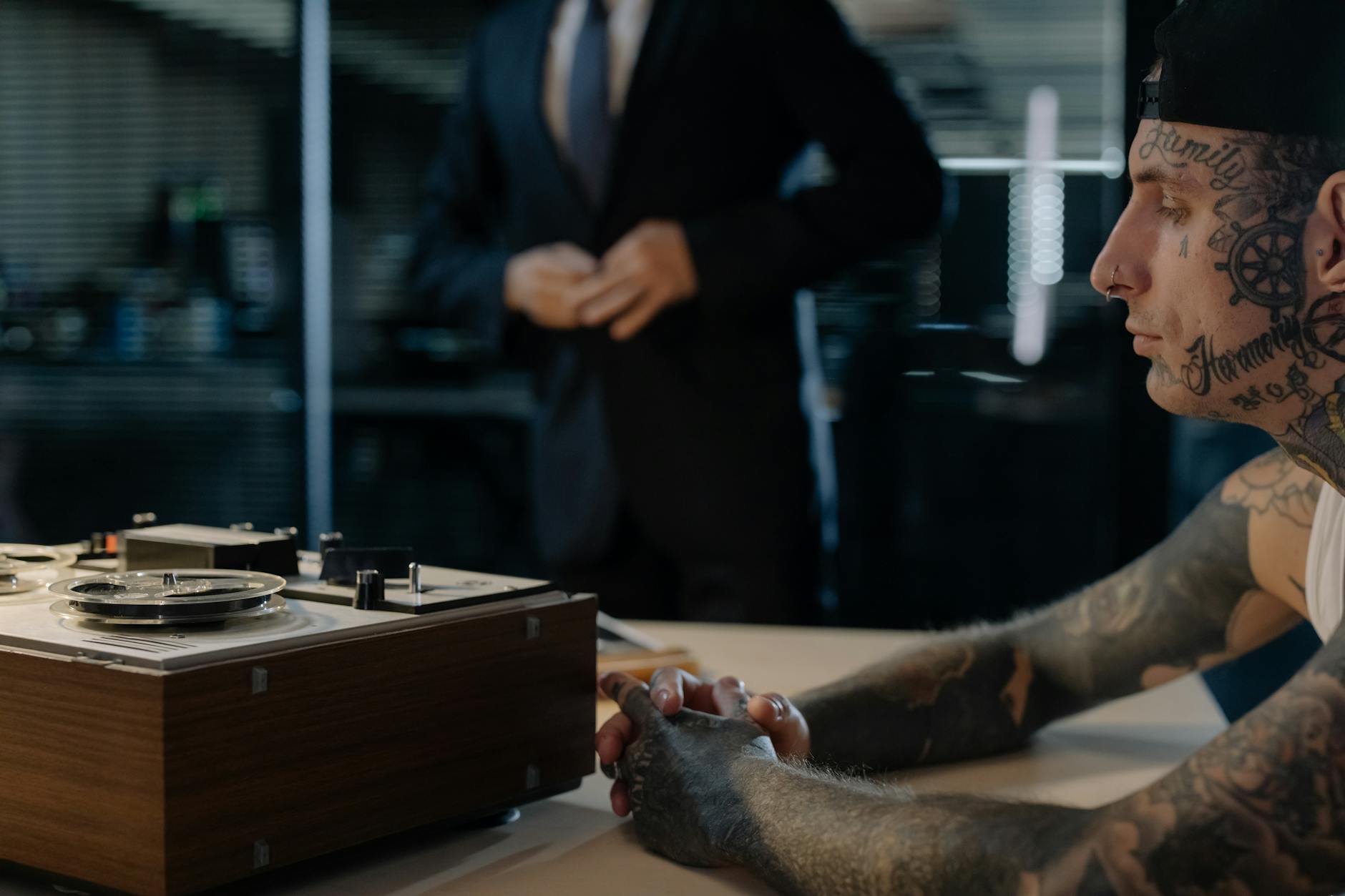
Several states enforce strict laws regarding recording conversations without consent. In these jurisdictions, all parties involved in a conversation must consent to being recorded. Violating these laws can lead to serious legal consequences, including fines and imprisonment. California, for instance, requires all parties to consent to recording, with penalties for non-compliance ranging from civil damages to criminal charges.
A study by the National Conference of State Legislatures reveals that 12 states have strict two-party consent laws. These states include California, Florida, Illinois, Maryland, Massachusetts, Michigan, Montana, Nevada, Pennsylvania, and Washington. Each state has its own specific regulations, but the common thread is the requirement for mutual consent.
Legal experts emphasize the importance of understanding these laws. "Ignorance of the law is not a valid defense," states a prominent legal scholar. Individuals must be aware of the specific requirements in their state to avoid unintentional violations. For example, in Florida, recording a conversation without consent can result in a felony charge, highlighting the severity of these laws.
These strict recording laws aim to protect individual privacy rights. They reflect a balance between the right to privacy and the freedom of expression. Understanding and adhering to these laws is crucial for anyone living in or visiting these states. Non-compliance can lead to significant legal repercussions, underscoring the importance of informed consent in all recorded interactions.
Penalties for Non-Compliance
In states where recording without consent is illegal, penalties for non-compliance can be severe. Violators may face misdemeanor charges, which can result in fines up to $1,000 and up to a year in jail. For repeat offenders or more serious violations, felony charges could apply, with penalties escalating to substantial fines and several years of imprisonment.
A legal expert from the American Civil Liberties Union (ACLU) notes that penalties often depend on the intent behind the recording. If the violation is deemed intentional and malicious, courts may impose harsher penalties. Additionally, civil lawsuits can be filed by victims seeking damages for invasion of privacy.
Some states impose additional consequences, such as mandatory community service or probation. These penalties underscore the importance of understanding and adhering to state laws regarding recording and consent. Ignorance of the law is not a valid defense, making it crucial for individuals to stay informed.
Everyday Situations to Consider

Everyday interactions can quickly become legal gray areas when recording devices are involved. In states where recording without consent is illegal, even casual conversations may require permission. A simple chat with a neighbor, for instance, could turn into a legal issue if recorded without their knowledge. The American Civil Liberties Union (ACLU) reports that one-party consent laws exist in 38 states, but 12 states require all parties to consent to recording.
Workplace dynamics present another common scenario. Employers in these 12 states must be cautious about recording meetings or conversations with employees. Unauthorized recordings can lead to lawsuits, regardless of intent. This legal landscape underscores the importance of clear communication and consent policies in professional settings.
Social gatherings, such as parties or family events, also fall under scrutiny. Recording a toast or a heartfelt speech without consent could breach state laws. Attendees should be aware of their rights and the potential legal consequences of recording others. Understanding these nuances helps maintain trust and respect in personal relationships.
Public spaces, like parks or shopping centers, add another layer of complexity. While some argue that public spaces allow for recording, privacy laws still apply. Individuals should exercise discretion and obtain consent when possible to avoid legal entanglements. Awareness of these laws ensures that everyone can enjoy public spaces without fear of privacy violations.
Navigating the Legal Landscape

Understanding the legal landscape of recording conversations without consent requires navigating a patchwork of state laws. In the United States, each state has its own wiretapping laws, which can be broadly categorized into one-party and two-party consent states. One-party consent states allow individuals to record conversations to which they are a party without the need for consent from all participants. Conversely, two-party consent states require all parties involved in a conversation to consent to being recorded.
According to the American Bar Association, 38 states and the District of Columbia operate under one-party consent laws. This means that in these jurisdictions, an individual can legally record a conversation as long as they are a participant. However, the remaining 12 states adhere to two-party consent laws, which impose stricter regulations on recording conversations.
Violating these laws can result in serious legal consequences. Penalties may include fines, civil lawsuits, and even criminal charges. For instance, in some states, unauthorized recording can be classified as a felony, carrying potential prison time. It is crucial for individuals to familiarize themselves with the specific laws in their state to avoid unintended legal repercussions.
Knowing where recording without consent is illegal is crucial for protecting privacy and avoiding legal trouble. The 12 states highlighted in this article enforce strict penalties for non-consensual recording, emphasizing the importance of understanding local laws. To stay compliant, always seek consent before recording conversations, especially in these states. As technology evolves, expect ongoing debates and potential legal changes surrounding privacy and recording rights.
Need this answered for your specific case?
Get a flat-fee consultation with a verified U.S. immigration attorney. Engagement letter on every paid consult.
Related guides
This guide provides general legal information and does not create an attorney–client relationship. Information accurate as of July 2026. Always verify current USCIS guidance before acting.