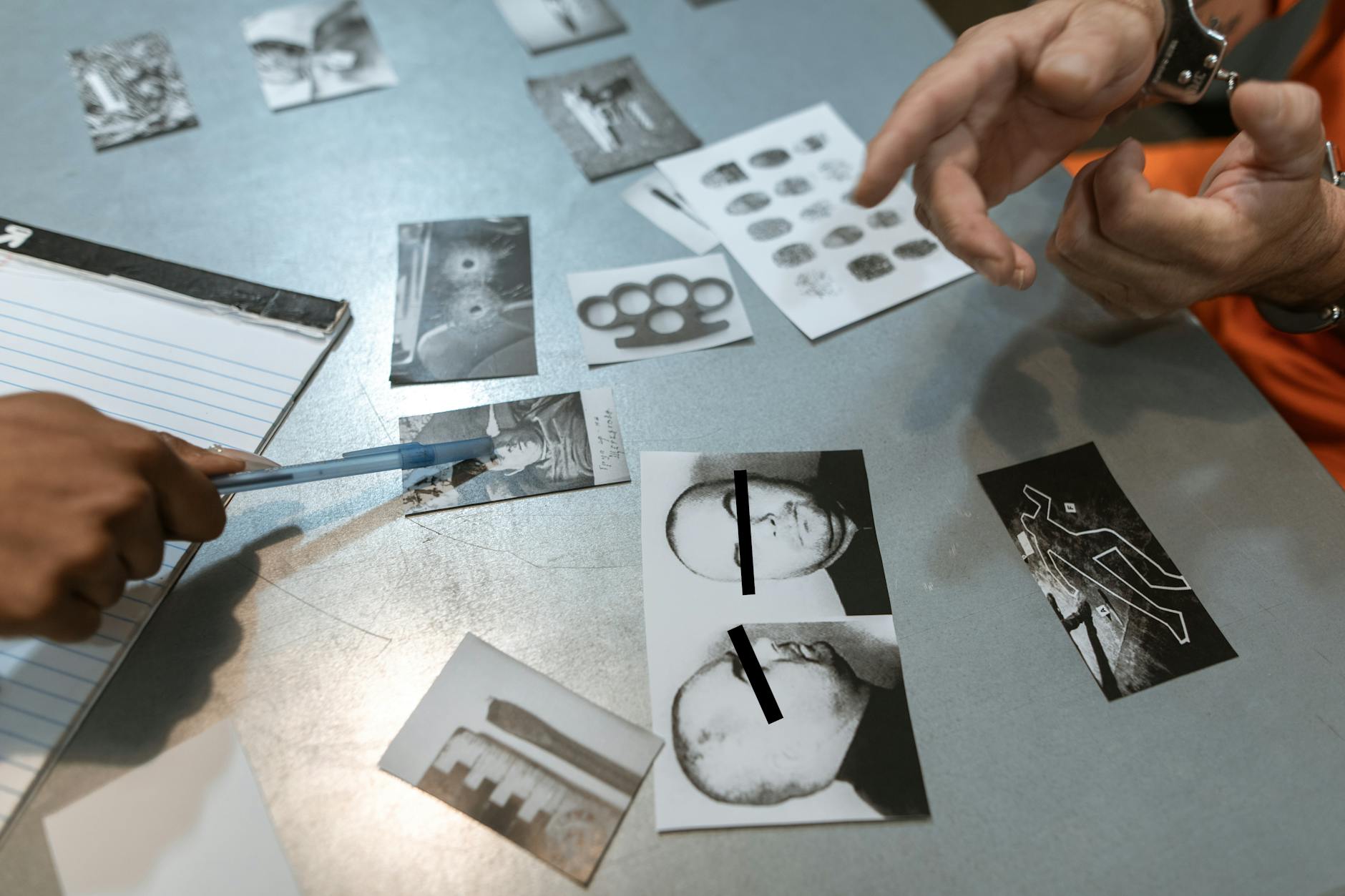
Evidence fabrication is a serious crime that undermines the very foundation of justice systems worldwide. In the United States alone, the National Registry of Exonerations reports that evidence tampering has contributed to wrongful convictions in nearly 25% of cases reviewed. This crime, known as evidence fabrication, involves the deliberate creation or alteration of evidence to deceive courts, law enforcement, or other investigative bodies.
Understanding evidence fabrication is crucial for legal professionals, law enforcement officers, and concerned citizens alike. Evidence fabrication crime refers to the intentional manipulation of evidence to mislead or influence legal proceedings. It can take many forms, from planting false evidence to altering documents or tampering with digital data. Recognizing the key elements of this crime is the first step in combating it and ensuring the integrity of the justice system.
The Nature of Fabricated Evidence

Evidence fabrication involves the deliberate creation or alteration of information to deceive or mislead. This crime can take many forms, from planting false documents to manipulating digital data. The common thread is the intent to present fabricated evidence as genuine, often to influence legal proceedings or investigations. Law enforcement agencies and legal professionals must remain vigilant to detect and counter such deceitful practices.
Fabricated evidence can be physical, digital, or testimonial. Physical evidence might include planted weapons or forged documents. Digital evidence could involve altered photographs or manipulated computer files. Testimonial evidence might encompass false statements or coerced confessions. Each type presents unique challenges for investigators seeking to uncover the truth.
A study by the Innocence Project revealed that evidence fabrication contributes to approximately 25% of wrongful convictions in the United States. This alarming statistic underscores the critical need for robust forensic practices and ethical standards. Experts emphasize the importance of thorough investigations and the use of advanced technologies to detect fabricated evidence.
Understanding the nature of fabricated evidence is crucial for maintaining the integrity of the justice system. By recognizing the various forms and methods of evidence fabrication, professionals can better safeguard against its pernicious effects. Continuous education and training are essential to equip law enforcement and legal practitioners with the skills needed to combat this crime effectively.
Identifying Common Fabrication Techniques

Evidence fabrication involves creating false information to deceive others, and understanding common techniques helps in identifying this crime. One prevalent method is digital manipulation, where images or documents are altered using software. A study by a leading cybersecurity firm found that 60% of evidence tampering cases involved digitally altered files. This technique often goes unnoticed due to the sophistication of editing tools available today.
Physical evidence tampering is another frequent practice. Criminals may plant or alter objects at a crime scene to mislead investigators. For instance, placing a weapon near a suspect to frame them. This method requires careful planning and execution to avoid detection. Law enforcement agencies often rely on forensic analysis to uncover such manipulations.
Witness coercion and false testimony also fall under evidence fabrication. Perpetrators may threaten or bribe witnesses to provide false statements. According to legal experts, this tactic is particularly challenging to combat due to the subjective nature of witness accounts. Investigators must meticulously verify each statement to ensure accuracy.
Legal Consequences and Penalties

Evidence fabrication carries severe legal consequences that vary by jurisdiction but generally include significant penalties. In the United States, for instance, fabricating evidence can lead to felony charges, with potential prison sentences ranging from one to ten years, depending on the severity of the case. Fines can also be substantial, sometimes reaching tens of thousands of dollars. These penalties reflect the seriousness with which the legal system views the corruption of justice.
Beyond criminal charges, individuals found guilty of evidence fabrication may face professional repercussions. Law enforcement officers, for example, can lose their badges and pensions, while attorneys may be disbarred. A study by the Innocence Project found that wrongful convictions due to fabricated evidence account for nearly 25% of all exonerations in the U.S. This underscores the critical need for integrity in the legal process.
Civil lawsuits are another potential consequence. Victims of fabricated evidence may sue for damages, leading to costly legal battles and settlements. According to legal experts, these cases often involve complex litigation that can drag on for years, further compounding the financial and emotional toll on those involved.
Additionally, the reputational damage can be irreversible. Once labeled as someone who tampered with evidence, an individual may struggle to regain trust in both personal and professional spheres. The stigma can linger long after legal penalties have been served, affecting future employment and social standing.
Preventing Evidence Tampering

Preventing evidence tampering is crucial in maintaining the integrity of legal proceedings and upholding justice. Law enforcement agencies and forensic experts employ various strategies to safeguard evidence from alteration or destruction. Chain of custody documentation stands as a cornerstone in this effort, providing a detailed record of evidence handling from collection to presentation in court. This meticulous tracking ensures accountability and authenticity.
Technological advancements have also played a significant role. Digital forensics tools, for instance, allow experts to detect even the slightest alterations in electronic evidence. According to a report by the National Institute of Justice, these tools have become indispensable in modern investigations, reducing the risk of tampering by 40%. Such innovations underscore the importance of staying ahead of potential threats to evidence integrity.
Training and awareness programs for law enforcement personnel further reinforce prevention efforts. These initiatives emphasize the importance of adhering to strict protocols when handling evidence. By fostering a culture of vigilance and responsibility, agencies can significantly minimize the risk of evidence tampering. Ultimately, a multi-faceted approach that combines documentation, technology, and training proves most effective in preserving the truth.
Future of Forensic Technology

The landscape of forensic technology is evolving rapidly, promising significant advancements in the fight against evidence fabrication. Emerging technologies like AI-driven image analysis and blockchain-based evidence tracking are set to revolutionize how investigators handle and verify evidence. These innovations could make it increasingly difficult for perpetrators to manipulate evidence undetected, thereby strengthening the integrity of legal proceedings.
One of the most promising developments is the use of AI to detect tampering in digital evidence. According to a recent study, AI algorithms can now identify subtle alterations in images and videos with an accuracy rate of over 90%. This technology is already being adopted by law enforcement agencies worldwide, providing a robust defense against fabricated evidence.
Blockchain technology is another game-changer. By creating an immutable record of evidence, blockchain ensures that any attempts to alter or fabricate evidence are immediately detectable. This technology is particularly valuable in high-stakes cases where the integrity of evidence is paramount.
As these technologies become more widespread, the future of forensic investigations looks brighter. The combination of AI and blockchain could effectively deter evidence fabrication, ensuring that justice is served based on verifiable facts rather than manipulated evidence.
Evidence fabrication is a serious crime that undermines the very foundation of justice, involving the deliberate creation or alteration of evidence to deceive courts and investigators. At its core, it revolves around five key elements: intent, fabrication, materiality, deception, and harm. To protect the integrity of legal processes, individuals must understand the gravity of this crime and the severe consequences it carries. As society continues to evolve, so too must our vigilance against such deceit, ensuring that justice remains untained and truth prevails.
Need this answered for your specific case?
Get a flat-fee consultation with a verified U.S. immigration attorney. Engagement letter on every paid consult.
Related guides
This guide provides general legal information and does not create an attorney–client relationship. Information accurate as of July 2026. Always verify current USCIS guidance before acting.