
Trust in law enforcement hinges on their ability to protect and serve. When police fail in their duty, the consequences extend far beyond the immediate incident, affecting public safety, community relations, and the justice system itself. Understanding what happens if police fail duty is crucial for maintaining accountability and ensuring the system works as intended.
Police officers are entrusted with significant responsibilities, and when they fall short, the repercussions can be severe. From civil lawsuits to criminal charges, the legal consequences serve as a check on police power. Exploring what happens if police fail duty reveals a complex web of accountability measures designed to uphold justice and protect citizens' rights. These consequences not only address individual cases but also aim to prevent future failures, reinforcing the importance of diligent and ethical policing.
Understanding Police Duty and Legal Standards
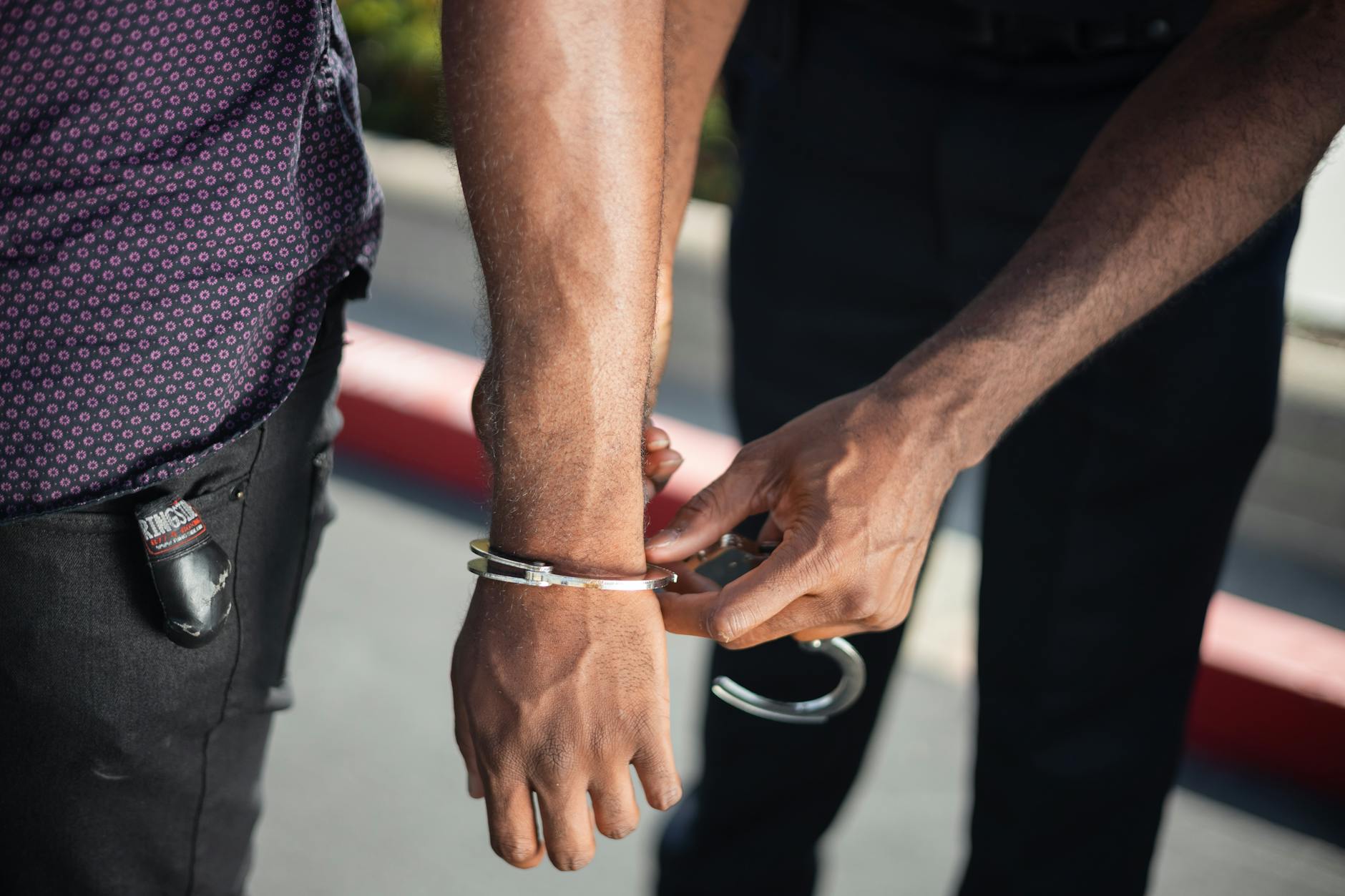
Police officers hold a position of immense responsibility within society. They are entrusted with upholding the law, protecting citizens, and maintaining public order. This duty comes with a strict set of legal standards that officers must adhere to. Failure to meet these standards can have serious consequences, both for the officers involved and the communities they serve.
Understanding police duty involves recognizing the balance between authority and accountability. Officers have the power to enforce laws, but this power is not absolute. Legal standards dictate that police actions must be reasonable, necessary, and proportional to the situation at hand. According to a report by the Bureau of Justice Statistics, misconduct complaints against law enforcement agencies have been steadily increasing, highlighting the importance of adhering to these standards.
Legal standards for police conduct are established through a combination of federal, state, and local laws. These standards cover a wide range of issues, from the use of force to the handling of evidence. Experts emphasize that officers must receive ongoing training to stay updated on these standards and understand their implications. This training is crucial for ensuring that officers can perform their duties effectively and lawfully.
When police officers fail to meet these legal standards, the consequences can be severe. Individuals affected by misconduct may seek justice through civil lawsuits, while officers themselves may face disciplinary actions or even criminal charges. The impact of such failures extends beyond individual cases, eroding public trust in law enforcement and undermining the very foundations of community safety.
Civil Rights Violations and Police Misconduct

When police officers violate civil rights or engage in misconduct, the consequences can be severe. These incidents often lead to lawsuits, criminal charges, and significant damage to public trust. Victims of police misconduct may file civil rights lawsuits under federal laws like the Civil Rights Act of 1871, which provides a legal avenue for seeking justice. According to the National Police Misconduct Statistics and Reporting Project, there were over 4,800 reports of police misconduct in 2020 alone.
One of the most common forms of police misconduct is excessive use of force. This can result in serious injuries or even death. Officers found guilty of such actions may face termination, civil lawsuits, and criminal charges. The Department of Justice often investigates these cases, and convictions can lead to imprisonment. For instance, a former officer might receive a lengthy prison sentence for using excessive force during an arrest.
False arrests and wrongful convictions also fall under civil rights violations. When police fail to follow proper procedures, individuals may be wrongfully detained or convicted. These cases can lead to significant compensation for the victims. A legal expert notes that police departments must adhere to strict protocols to prevent such violations. Failure to do so can result in costly lawsuits and a loss of public confidence.
Police misconduct extends beyond physical harm. Discriminatory practices, such as racial profiling, can also lead to legal consequences. Officers involved in such behavior may face disciplinary action, including suspension or dismissal. Additionally, departments found guilty of systemic discrimination may be required to implement reforms. These reforms often include bias training and better oversight to prevent future violations.
Consequences for Officers and Departments
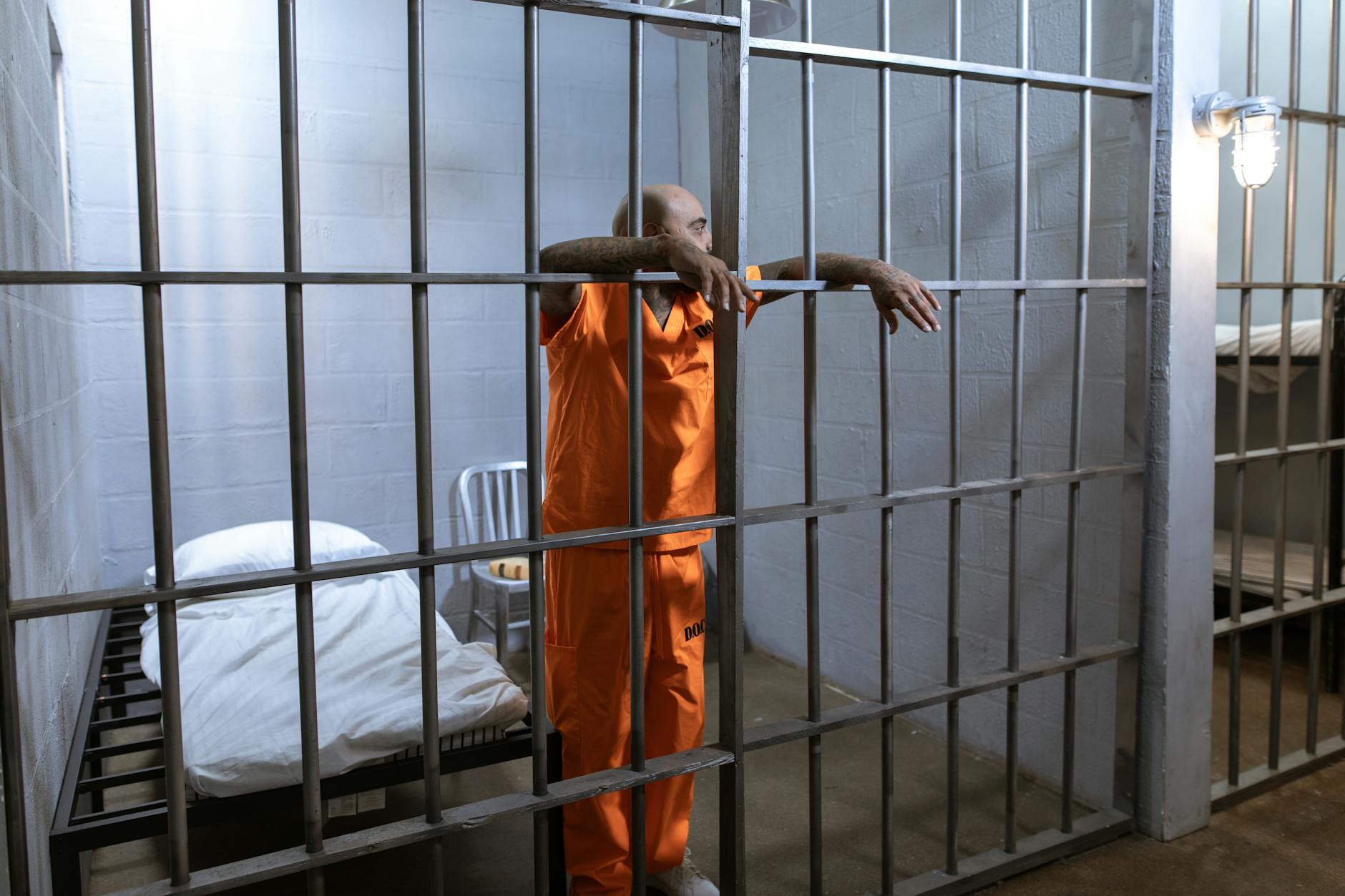
When police officers fail in their duty, the consequences extend beyond the immediate incident. Individual officers may face disciplinary actions ranging from suspension to termination. Departments can also incur significant legal and financial repercussions. According to a study by the Police Executive Research Forum, departments with a pattern of misconduct often see a decline in public trust and morale among officers.
Criminal charges can be filed against officers who commit misconduct. These charges may include civil rights violations, excessive force, or even manslaughter. Prosecutions, however, are rare. The Bureau of Justice Statistics reports that only about 2% of complaints against police result in criminal charges. When convictions do occur, they can lead to imprisonment and a permanent stain on the officer's record.
Departments often face civil lawsuits from victims of police misconduct. Settlements and legal fees can drain department budgets. For example, the city of Chicago has paid out over $1 billion in police misconduct settlements since 2004. These financial burdens can limit resources available for community programs and officer training.
Beyond legal and financial consequences, departments may implement policy changes. These can include stricter use-of-force guidelines, enhanced training programs, and improved oversight. Such measures aim to prevent future incidents and restore public trust. However, the effectiveness of these changes varies widely.
Seeking Justice Through Legal Action

When police officers fail in their duty, victims and their families often turn to the legal system to seek justice. Civil lawsuits provide a pathway to hold officers and departments accountable for misconduct. These cases can result in significant financial settlements, sending a clear message about the consequences of negligence. According to a report by the Marshall Project, police misconduct cost U.S. taxpayers over $3.2 billion between 2010 and 2020.
Legal action can take various forms, including lawsuits for wrongful death, excessive force, or failure to protect. Families of victims often pursue these cases to honor their loved ones and prevent similar tragedies. Attorneys specializing in civil rights and police misconduct play a crucial role in these battles. Their expertise helps navigate complex legal landscapes and build strong cases.
Beyond financial compensation, lawsuits can drive systemic change. They often expose patterns of misconduct and pressure departments to implement reforms. Courts may order policy changes or additional training to prevent future failures. This legal recourse ensures that police departments remain accountable to the communities they serve.
Reforming Police Practices for the Future
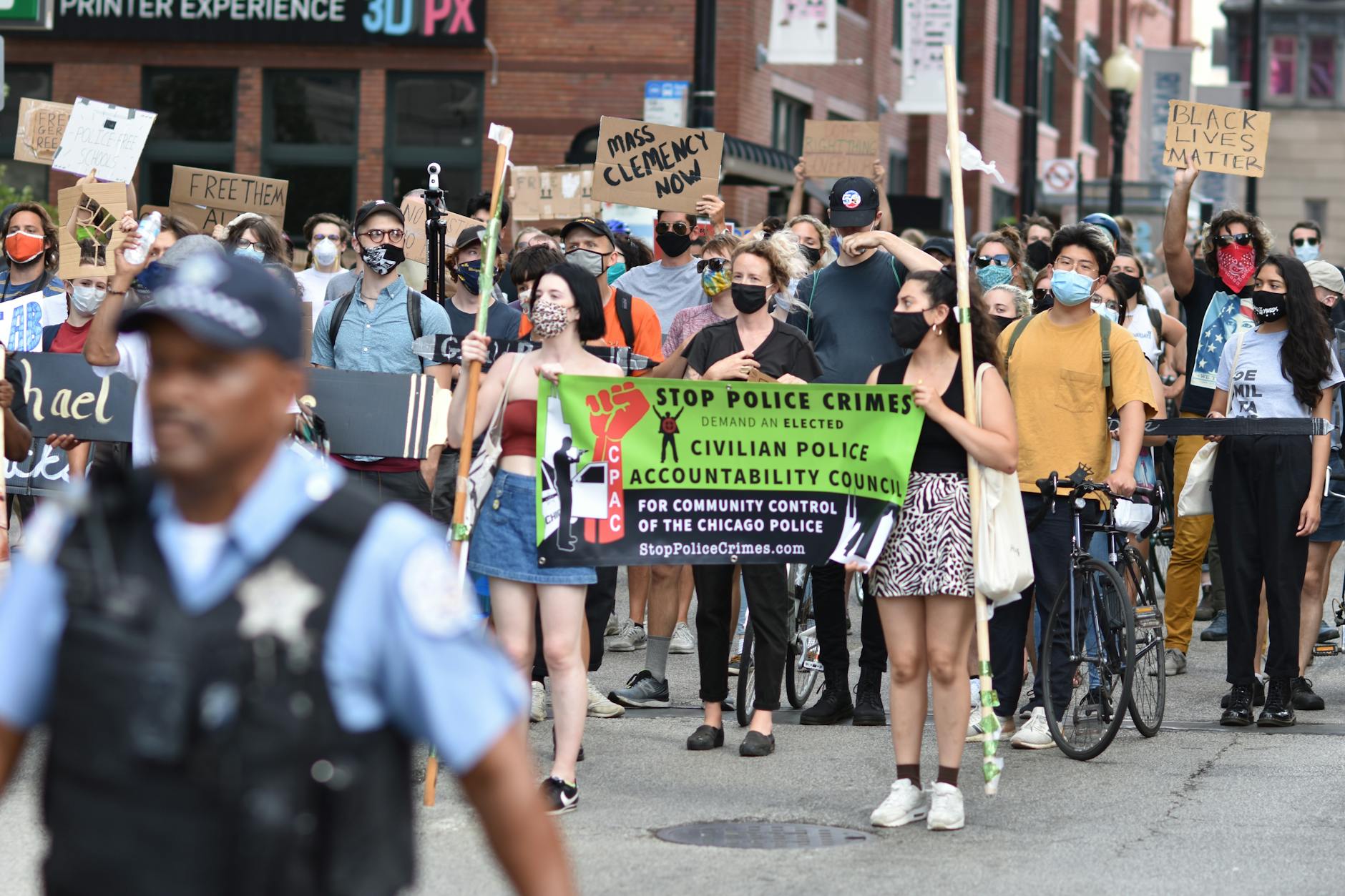
Reforming police practices requires a multi-faceted approach. Agencies must implement comprehensive training programs focusing on de-escalation techniques, cultural sensitivity, and mental health awareness. According to a study by the Police Executive Research Forum, departments that prioritize such training see a 20% reduction in use-of-force incidents. Additionally, body-worn cameras and independent oversight boards can enhance accountability. These measures not only build public trust but also ensure officers are better equipped to handle diverse situations.
Transparency plays a crucial role in reforming police practices. Agencies should adopt policies that mandate the release of body camera footage and incident reports within a reasonable timeframe. This practice fosters accountability and allows communities to see the full context of police interactions. Moreover, regular audits of police practices by external bodies can identify systemic issues and recommend corrective actions. Such initiatives demonstrate a commitment to continuous improvement and public safety.
Community engagement is another vital component of police reform. Building strong relationships with local residents helps officers better understand the unique challenges and concerns of the communities they serve. Regular town hall meetings, youth outreach programs, and collaborative problem-solving initiatives can bridge the gap between law enforcement and the public. These efforts create a more cohesive and supportive environment for both officers and residents.
Legal reforms also play a significant role in shaping police practices. Legislation that clearly defines the duties and responsibilities of law enforcement officers can provide a framework for accountability. For instance, laws that mandate the use of body cameras or require officers to intervene in cases of excessive force can set clear expectations. These legal measures ensure that officers are held to the highest standards of conduct and professionalism.
The failure of police officers to fulfill their duties can have serious legal repercussions, including criminal charges, civil lawsuits, and administrative penalties. These consequences serve as a reminder of the critical role law enforcement plays in maintaining public trust and safety. To prevent such failures, departments should prioritize thorough training, clear protocols, and robust accountability measures. Moving forward, as communities continue to demand higher standards from their police forces, the legal system will likely play an increasingly pivotal role in shaping law enforcement practices and ensuring officers uphold their oaths.
Need this answered for your specific case?
Get a flat-fee consultation with a verified U.S. immigration attorney. Engagement letter on every paid consult.
Related guides
This guide provides general legal information and does not create an attorney–client relationship. Information accurate as of July 2026. Always verify current USCIS guidance before acting.