
One in six women and one in 17 men have experienced stalking at some point in their lives, according to the National Intimate Partner and Sexual Violence Survey. This pervasive issue often begins with behaviors that may seem harmless at first but can escalate into something far more sinister.
Understanding what is considered stalking behavior is crucial for recognizing potential danger and taking appropriate action. What is considered stalking behavior encompasses a range of actions that may seem innocuous initially but can become threatening over time. From persistent unwanted communication to invasive surveillance, these behaviors can cause significant distress and fear. Awareness of these signs empowers individuals to protect themselves and seek help when necessary.
Understanding the Legal Definition

Stalking is a pattern of behavior that demonstrates an obsession or fixation with another person. Legal definitions vary by jurisdiction, but generally, it involves repeated, unwanted contact or attention that causes the victim to feel harassed, threatened, or frightened. This behavior can take many forms, including following someone, monitoring their activities, or making unwanted communication attempts.
According to the National Center for Victims of Crime, approximately 7.5 million people are stalked in the United States each year. The legal definition often emphasizes the persistence and intent behind the actions. A single incident might not constitute stalking, but a pattern of behavior that demonstrates a clear intent to harass or intimidate typically does.
Expert analysis highlights that stalking behaviors are not always overt. They can be subtle, such as sending frequent messages, making unwanted phone calls, or even driving by a person's home or workplace. The key factor is the victim's perception of the behavior. If the victim feels afraid, anxious, or harassed, the actions may meet the legal threshold for stalking.
Legal definitions also consider the effect of the behavior on the victim's life. If the actions cause the victim to change their routines, avoid certain places, or feel constantly on edge, this can strengthen a case for stalking. Courts often look at the totality of the circumstances, including the frequency, duration, and nature of the behavior.
Recognizing Persistent Communication

Persistent communication stands as one of the most telling signs of stalking behavior. This goes beyond occasional check-ins or friendly messages. It involves repeated attempts to contact someone who has clearly expressed a desire for no contact. These attempts can come through various channels: phone calls, texts, emails, or even social media messages. The key factor is the persistence despite clear boundaries being set.
Experts often highlight that stalking behaviors can escalate over time. What might start as seemingly harmless messages can quickly turn into a pattern of harassment. According to a study by the National Center for Victims of Crime, approximately 7.5 million people are stalked in the United States each year. This statistic underscores the seriousness of the issue and the need for awareness.
Recognizing persistent communication as a form of stalking is crucial. It's not just about the frequency of messages but also the intent behind them. If someone continues to reach out after being asked to stop, it's a red flag. This behavior can create a sense of fear and unease, which is a hallmark of stalking. Understanding this can help individuals take appropriate steps to protect themselves.
It's important to document instances of persistent communication. Keeping records of messages, calls, and any other forms of contact can be vital. This documentation can serve as evidence if legal action becomes necessary. It also provides a clear picture of the behavior, making it easier to recognize the pattern and take action.
Identifying Unwanted Surveillance
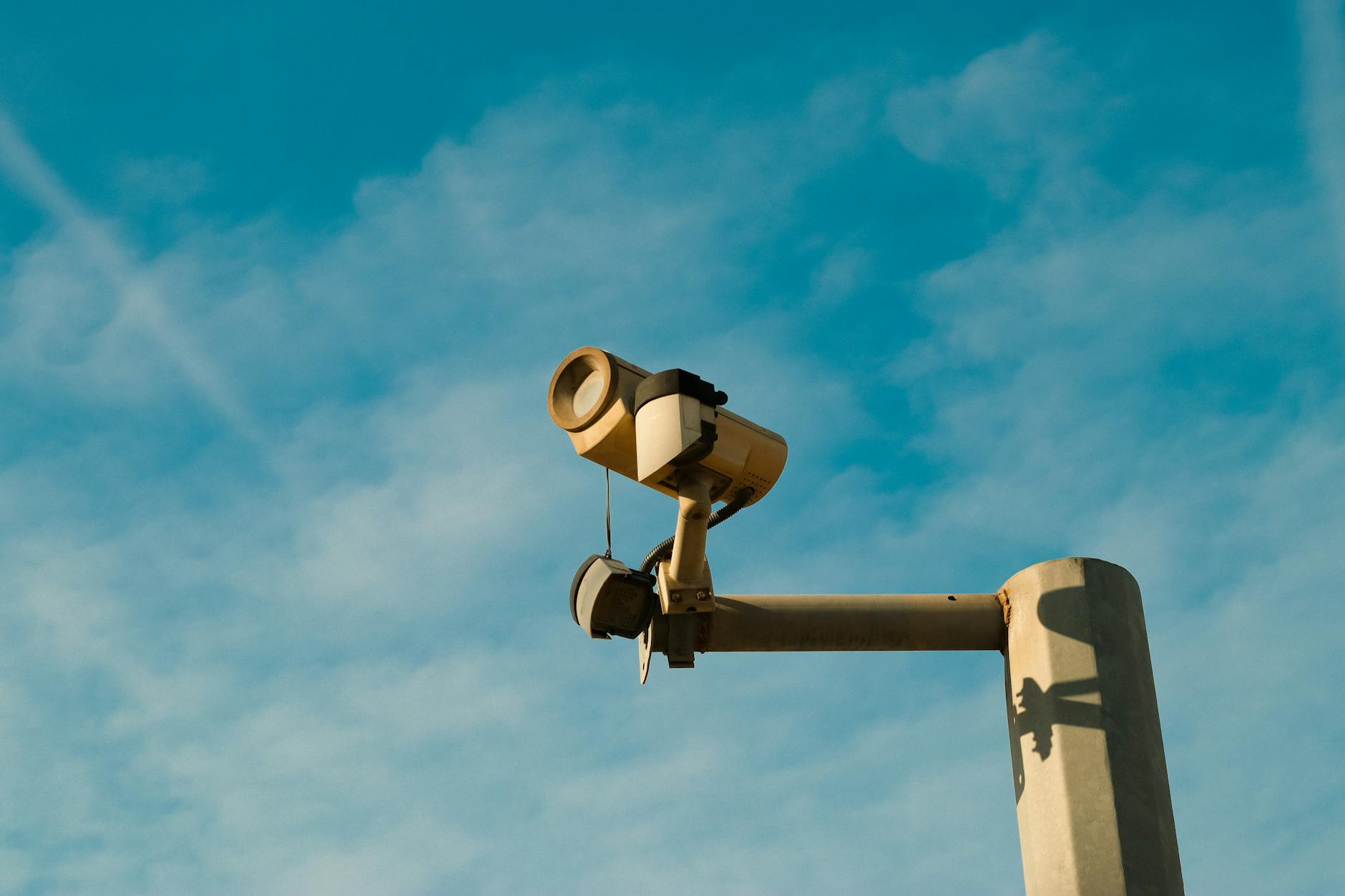
Unwanted surveillance often involves persistent monitoring of a person's activities, movements, or communications. This behavior can manifest in various forms, such as frequent phone calls, texts, or emails, even after the recipient has made it clear they want no contact. It may also involve physical stalking, where the perpetrator follows the victim to work, home, or other locations. According to a study by the National Center for Victims of Crime, approximately 7.5 million people are stalked in the United States each year.
Another red flag is the use of technology to track someone's whereabouts. This can include GPS tracking devices, spyware on personal devices, or monitoring social media activity. These methods can make the victim feel constantly watched and unsafe. Experts emphasize that the key factor is the perpetrator's intent and the victim's perception of the behavior. If the victim feels threatened or harassed, it is crucial to take the situation seriously.
Unwanted surveillance can also extend to monitoring a person's online presence. This might involve repeatedly checking their social media profiles, commenting on their posts, or sending unwanted friend requests. Such behaviors can create an environment of fear and anxiety for the victim. Recognizing these signs is the first step in addressing and preventing further harm.
Steps to Protect Yourself
Recognizing stalking behaviors is the first step in protecting oneself. Individuals should trust their instincts; if someone's actions feel intrusive or threatening, they likely are. Documenting incidents—dates, times, and descriptions—creates a record that can be invaluable if legal action becomes necessary. Avoiding isolation and maintaining contact with friends and family can deter potential stalkers and provide a support network.
Technology plays a significant role in modern stalking. Privacy settings on social media should be reviewed regularly, and suspicious accounts should be blocked. Experts recommend using secure passwords and enabling two-factor authentication to prevent unauthorized access. Apps that track location or monitor activity should be disabled unless explicitly agreed upon by all parties involved.
Seeking professional help is crucial. Law enforcement agencies can provide guidance and, when necessary, legal protections. Organizations like the National Domestic Violence Hotline offer resources and support for individuals experiencing stalking. According to the National Center for Victims of Crime, 7.5 million people are stalked in the U.S. each year, highlighting the importance of awareness and action.
Establishing boundaries is essential. Clearly communicating discomfort or concern to the stalker can sometimes deter further behavior. If the stalker persists, involving trusted friends, family, or authorities can provide additional layers of protection. Safety plans, tailored to individual circumstances, can help manage risks and ensure personal well-being.
When to Seek Legal Help

Recognizing when to seek legal help for stalking behavior can be challenging. Victims often downplay the severity of the situation or hope the behavior will stop on its own. However, persistent unwanted attention, harassment, or surveillance can escalate quickly. If the behavior causes fear, distress, or interferes with daily life, it is crucial to take action. According to the National Center for Victims of Crime, nearly 7.5 million people are stalked in the United States each year.
Legal intervention becomes necessary when the stalker's actions violate restraining orders or no-contact orders. Documenting incidents, saving evidence, and reporting to law enforcement can strengthen a case. Victims should not wait for the behavior to become violent before seeking help. Early intervention can prevent escalation and provide a sense of security.
A lawyer specializing in stalking cases can offer guidance on legal options and protections available. They can help victims understand their rights and navigate the legal system. Seeking legal help does not always mean pursuing criminal charges. Civil remedies, such as restraining orders, can also provide protection and peace of mind.
Recognizing stalking behaviors is crucial for personal safety and legal awareness. These actions, ranging from persistent unwanted communication to invasive surveillance, can cause significant distress and harm. If you or someone you know is experiencing these behaviors, it's important to document incidents, set clear boundaries, and seek support from trusted friends, family, or law enforcement. As society becomes more aware of these issues, continued education and open dialogue will help foster safer communities and stronger legal protections.
Need this answered for your specific case?
Get a flat-fee consultation with a verified U.S. immigration attorney. Engagement letter on every paid consult.
Related guides
This guide provides general legal information and does not create an attorney–client relationship. Information accurate as of July 2026. Always verify current USCIS guidance before acting.