
Over 2,800 wrongfully convicted individuals have been exonerated in the United States since 1989, according to the National Registry of Exonerations. These cases reveal troubling patterns that have sent innocent people to prison for crimes they did not commit. The consequences of these miscarriages of justice ripple through families, communities, and the entire legal system, underscoring the urgent need to understand how wrongful convictions happen.
How wrongful convictions happen is a complex issue, often involving a combination of systemic failures and human error. Eyewitness misidentification, false confessions, official misconduct, inadequate legal defense, and junk science are among the most common factors. These issues affect not just the wrongfully convicted but also the victims of the actual perpetrators who remain free. Understanding how wrongful convictions happen is crucial for anyone invested in justice reform, from legal professionals to concerned citizens. By recognizing these patterns, society can work toward preventing future injustices and ensuring fair outcomes for all.
Understanding the justice system's flaws
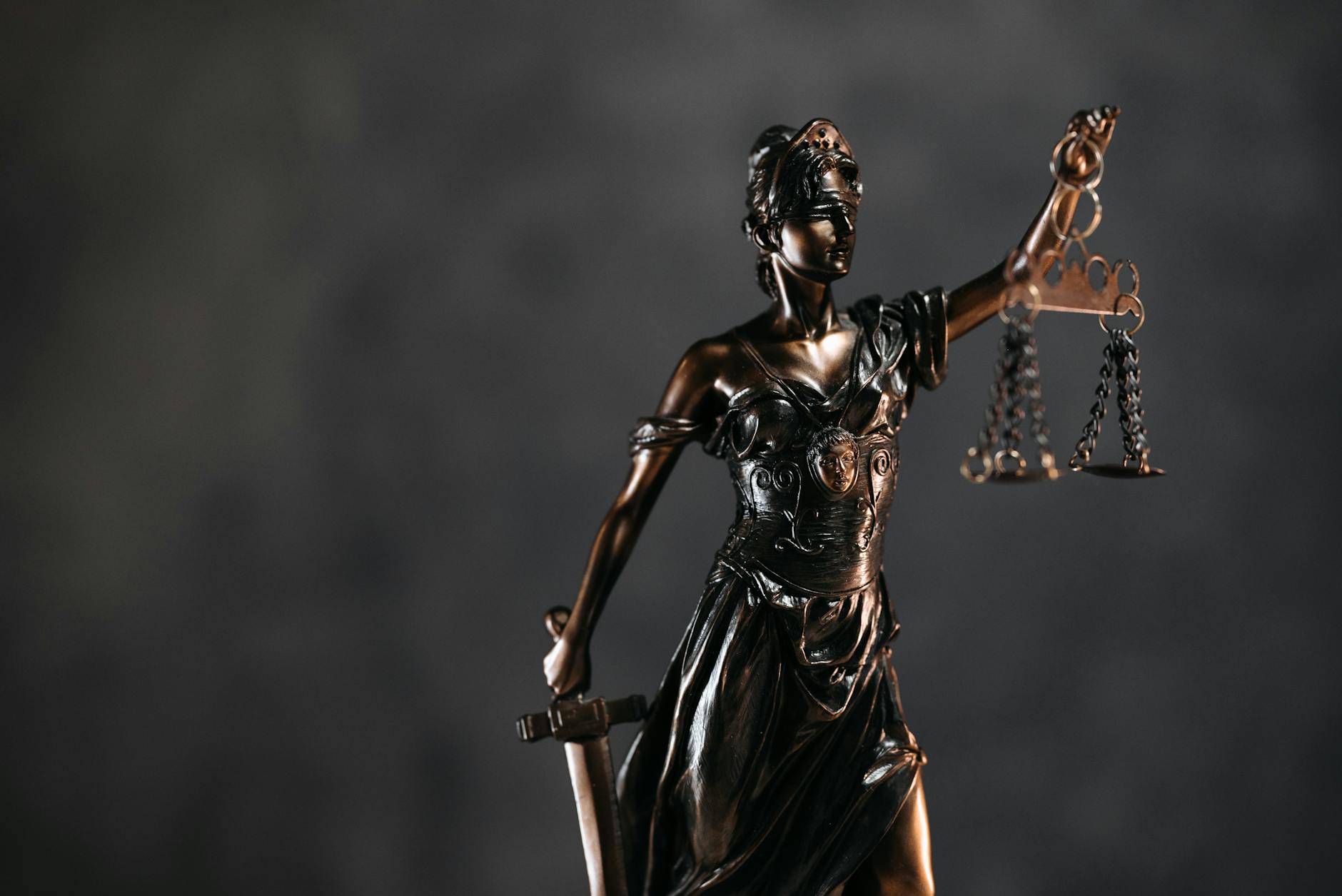
The U.S. justice system, while robust, is not infallible. Errors can occur at various stages, from investigation to trial, leading to wrongful convictions. Eyewitness misidentification, for instance, plays a significant role. Despite their confidence, eyewitnesses can be unreliable, with studies showing that mistaken identifications contribute to roughly 70% of wrongful convictions later overturned by DNA evidence.
Forensic science, often seen as definitive, also presents challenges. Overstated forensic evidence can sway juries, even when the science behind it is uncertain. The National Academy of Sciences has criticized many forensic disciplines for lacking rigorous scientific validation. This can lead to convictions based on evidence that may not hold up under scrutiny.
Legal processes themselves can introduce flaws. Ineffective assistance of counsel, for example, can leave defendants without proper representation. The American Bar Association has highlighted the need for competent defense attorneys to ensure fair trials. When this standard isn't met, the risk of wrongful convictions increases.
Finally, the system's reliance on plea bargains can pressure innocent individuals to plead guilty. The pressure to avoid harsh penalties can lead to false confessions, further complicating the pursuit of justice. Understanding these systemic issues is crucial for reform and ensuring a fairer justice system.
Eyewitness misidentification: A leading cause

Eyewitness misidentification stands as the single greatest contributor to wrongful convictions in the United States. The Innocence Project reports that eyewitness misidentification played a role in nearly 70% of the first 375 DNA exonerations in U.S. history. Human memory is notoriously fallible, especially under the stress of a traumatic event. Factors like poor lighting, cross-racial identification, or the suggestive nature of police lineups can further compound this issue.
Psychologists have long studied the phenomenon. They've found that even honest, well-meaning witnesses can make mistakes. The human brain often fills in gaps when recalling details, sometimes creating memories that feel real but are entirely fabricated. This process, known as confabulation, can lead to devastating consequences in a courtroom setting.
A leading expert in the field has compared eyewitness testimony to other forensic evidence. Unlike DNA or fingerprints, eyewitness accounts lack the same scientific rigor. Yet, juries tend to place immense weight on this testimony. This discrepancy highlights a critical need for reform in how eyewitness evidence is collected and presented in court.
Efforts are underway to address this issue. Some jurisdictions have implemented double-blind lineup procedures. Others have adopted stricter guidelines for collecting and preserving eyewitness testimony. These changes aim to reduce the likelihood of misidentification and ultimately prevent wrongful convictions. The goal is to ensure that justice is served accurately and fairly.
The role of forensic science in wrongful convictions

Forensic science plays a pivotal role in the criminal justice system, yet its misuse or misinterpretation can contribute to wrongful convictions. The Innocence Project reports that flawed forensic analysis has played a part in roughly 50% of wrongful convictions later overturned by DNA evidence. This stark statistic underscores the critical need for rigorous standards and proper application of forensic techniques.
One major issue stems from the subjective nature of some forensic disciplines. For instance, bite mark analysis and hair microscopy often rely on the individual expertise of analysts, leading to potential inconsistencies. The National Academy of Sciences has highlighted these concerns, emphasizing the lack of scientific validation for many forensic methods traditionally used in courts.
Additionally, the phenomenon of cognitive bias can affect forensic analysts. When an analyst knows the details of a case, their objectivity may be compromised, leading to subconscious confirmation bias. This underscores the importance of blind analysis, where the analyst remains unaware of case-specific details until after their examination.
To mitigate these risks, ongoing training and adherence to strict protocols are essential. The FBI and other agencies have taken steps to improve forensic practices, but continued vigilance and reform remain crucial. By ensuring forensic science is applied with the utmost precision and impartiality, the justice system can better safeguard against wrongful convictions.
How false confessions occur and why they persist

False confessions, though counterintuitive, play a significant role in wrongful convictions. Law enforcement interrogation techniques, particularly the Reid Technique, often employ psychological pressure to extract confessions. Suspects, especially vulnerable individuals, may confess to crimes they did not commit to escape coercive tactics or to gain perceived benefits. A study by the Innocence Project found that false confessions contributed to 25% of wrongful convictions later overturned by DNA evidence.
Cognitive biases also contribute to the persistence of false confessions. Investigators may become fixated on a suspect, ignoring or dismissing evidence that contradicts their theory. This tunnel vision can lead to aggressive interrogation tactics, increasing the likelihood of a false confession. Once a confession is obtained, it becomes a powerful piece of evidence in court, further entrenching the wrongful conviction.
Lack of legal representation during interrogations exacerbates the problem. Many suspects waive their right to an attorney, unaware of the risks. Without legal guidance, they may not understand their rights or the consequences of their statements. This vulnerability makes them more susceptible to coercion and false confession.
Despite growing awareness, false confessions remain a persistent issue. Reform efforts focus on improving interrogation practices, enhancing legal protections, and educating law enforcement. However, changing deeply ingrained investigative techniques and cultural norms within the criminal justice system remains a significant challenge.
Preventing wrongful convictions: Steps toward reform
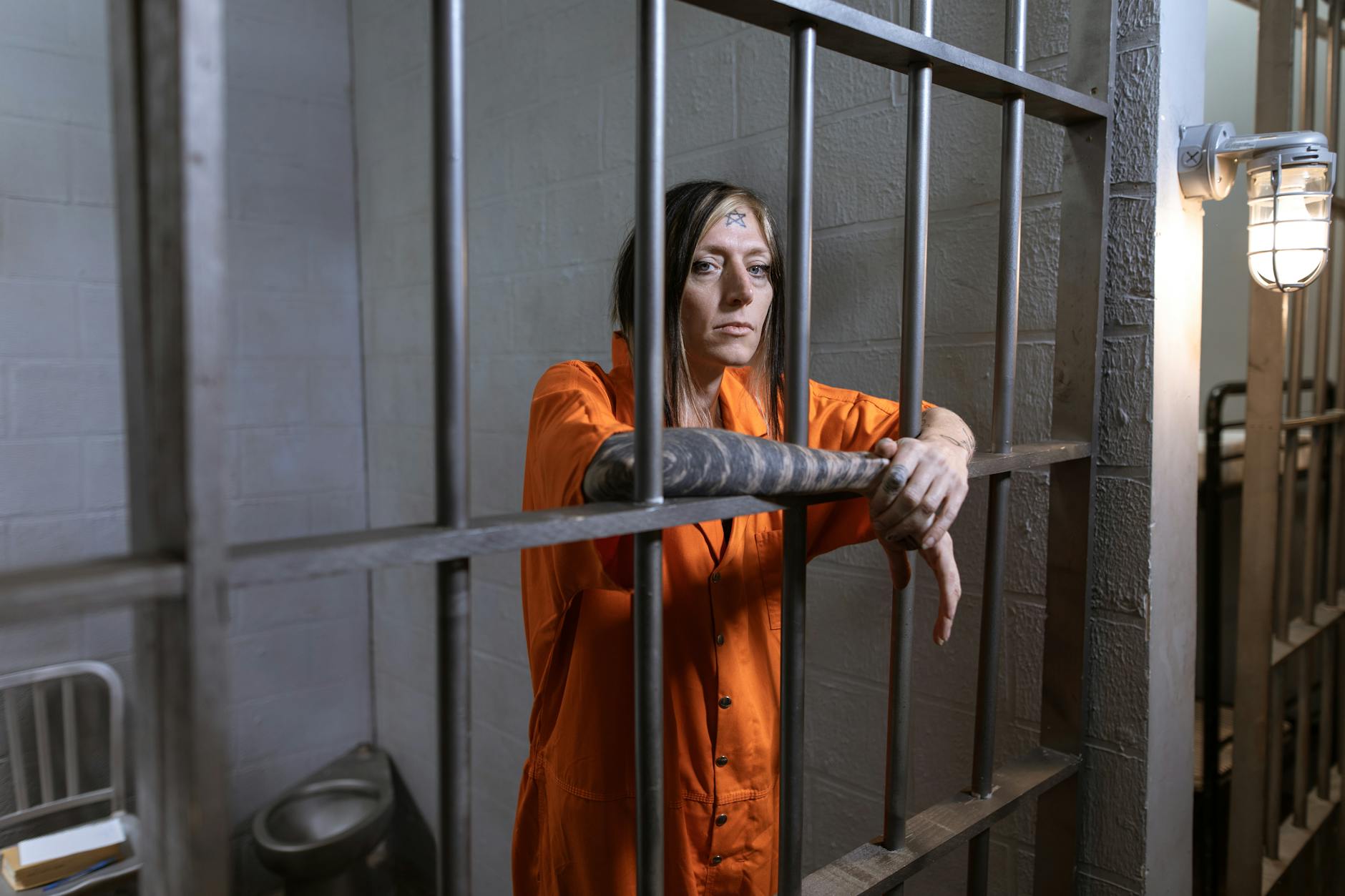
The U.S. criminal justice system has made significant strides in acknowledging and addressing wrongful convictions. One critical step involves improving eyewitness identification procedures. Studies show that faulty eyewitness testimony contributes to about 70% of wrongful convictions later overturned by DNA evidence. Reform efforts now emphasize double-blind administration, where the administrator doesn't know the suspect's identity, and sequential photo lineups, presenting one photo at a time instead of simultaneous displays.
Another area of reform focuses on forensic science. The National Academy of Sciences has called for better standards and accreditation in forensic labs. This includes mandating proper training, certification, and adherence to scientific protocols. Such measures aim to reduce errors and biases that can lead to misinterpretation of evidence.
Legal reforms also target plea bargaining and the quality of defense representation. Some states now require judges to review plea deals for potential coercion. Additionally, efforts to improve indigent defense systems ensure all defendants receive competent legal counsel. These changes help level the playing field and reduce the risk of wrongful convictions.
Public awareness campaigns play a crucial role in driving reform. Organizations like the Innocence Project highlight the stories of exonerated individuals, bringing attention to systemic issues. This grassroots pressure encourages policymakers to enact changes that protect the innocent.
Wrongful convictions are a stark reminder of the fallibility of the U.S. justice system, often stemming from eyewitness misidentification, unreliable evidence, and prosecutorial misconduct. The cases of individuals like the Exonerated Five and others highlight the devastating consequences of these factors, underscoring the urgent need for reform. To mitigate these risks, legal professionals and policymakers must prioritize the adoption of best practices, such as improving eyewitness identification procedures and enhancing forensic science standards. Moving forward, continued advocacy and systemic changes are essential to ensure justice is served accurately and equitably for all.
Need this answered for your specific case?
Get a flat-fee consultation with a verified U.S. immigration attorney. Engagement letter on every paid consult.
Related guides
This guide provides general legal information and does not create an attorney–client relationship. Information accurate as of July 2026. Always verify current USCIS guidance before acting.