Every 6 hours, a police officer is arrested for a crime in the United States. These incidents highlight a critical issue: the need for effective methods to document and prove police misconduct. With over 800,000 sworn officers nationwide, ensuring accountability is a complex but necessary endeavor. Knowing how to prove police misconduct empowers individuals to hold law enforcement accountable and seek justice when rights are violated.
Understanding how to prove police misconduct is crucial for anyone who may find themselves in a situation involving law enforcement. Whether it's excessive force, wrongful arrest, or discrimination, having a clear record of events can make a significant difference in legal proceedings. This process involves gathering evidence, understanding legal rights, and knowing how to present information effectively. By following a structured approach, individuals can strengthen their cases and contribute to a more transparent and accountable policing system.
Understanding Your Rights
Before attempting to document police misconduct, it's crucial to understand the legal boundaries and your rights. The Fourth Amendment protects citizens from unreasonable searches and seizures, while the First Amendment safeguards the right to record public officials, including police officers, in public spaces. However, laws can vary by state, so familiarity with local regulations is essential. According to the American Civil Liberties Union, 12 states explicitly permit recording on-duty police officers, while others have no explicit prohibitions but may have restrictions on how recordings can be used.
Knowing when to intervene is equally important. Police officers have the authority to enforce laws, and interfering with their duties can lead to legal consequences. Citizens should prioritize their safety and the safety of others. Experts recommend observing from a safe distance and only intervening if there is an immediate threat to life or safety.
Documenting misconduct should never be attempted if it puts the individual at risk. The primary goal is to gather evidence that can be used in legal proceedings or to hold officers accountable through internal affairs processes. Understanding these rights and limitations empowers citizens to act responsibly and effectively when witnessing potential police misconduct.
Gathering Evidence Effectively
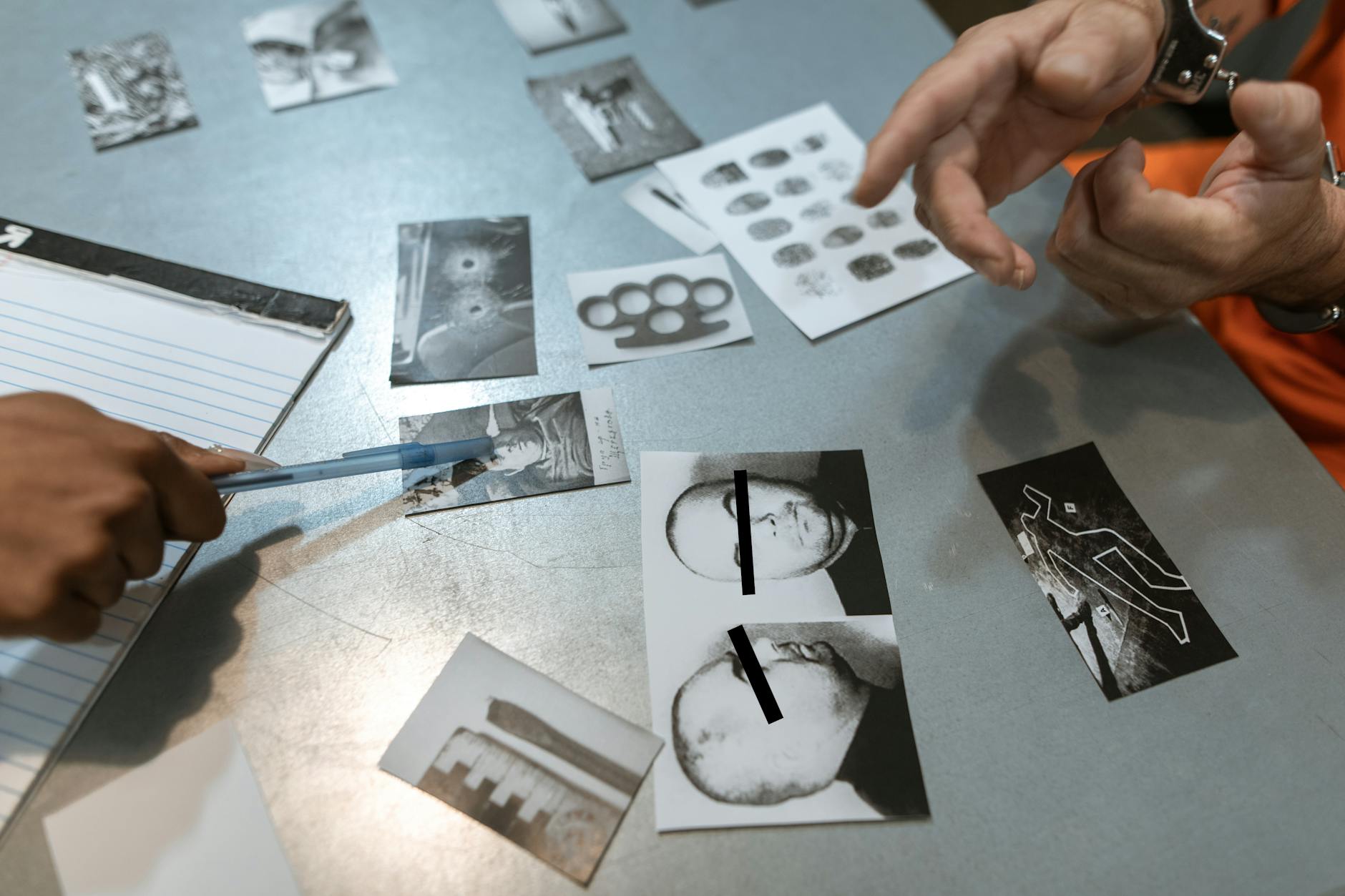
When documenting police misconduct, gathering evidence effectively is paramount. Witness statements can provide crucial support. Collect names, contact information, and detailed accounts from anyone who saw the incident. According to a study by the National Police Accountability Project, witness testimony significantly strengthens cases of police misconduct. However, memories fade quickly, so gather statements as soon as possible.
Photographs and videos often serve as irrefutable evidence. They capture the scene, injuries, and any property damage. Ensure the images are clear and timestamped. If possible, include wide shots and close-ups to provide context. Law enforcement experts emphasize that visual evidence can make or break a case.
Physical evidence also plays a vital role. Preserve any items related to the incident, such as torn clothing or damaged personal property. Document the condition of these items thoroughly. Store them in a safe place to prevent tampering. This evidence can corroborate witness statements and video footage.
Medical records from any injuries sustained during the incident are invaluable. They provide a professional assessment of the harm caused. Ensure all injuries are documented by a healthcare provider. These records can support claims of excessive force or negligence. They also help establish a timeline of events.
Finally, gather any relevant documents, such as police reports or incident logs. These official records can reveal discrepancies or inconsistencies. Compare them with witness statements and other evidence. Discrepancies can highlight potential misconduct or negligence. Keep all documentation organized and easily accessible.
Recording Interactions Legally
Recording interactions with law enforcement can serve as crucial evidence in cases of police misconduct. According to the American Civil Liberties Union, 12 states explicitly permit citizens to record on-duty police officers, while 34 states allow it under certain conditions. It's essential to know local laws before attempting to record. In states where recording is legal, individuals should do so openly and respectfully, as secrecy could escalate tensions.
When recording, ensure the device captures clear audio and video. Hold the device steady and speak clearly, stating the date, time, and location. If possible, narrate the events as they unfold. This context can help establish a timeline and provide clarity during later reviews. Remember, the goal is to document events accurately, not to interfere with police operations.
Police officers may react negatively to being recorded. However, individuals have the right to record in public spaces. If an officer orders someone to stop recording, they should comply to avoid escalation but can later file a complaint or seek legal advice. It's crucial to remain calm and non-confrontational throughout the interaction.
After recording, save the footage in multiple secure locations. Share it with trusted individuals or organizations that can help preserve and distribute the evidence. This step is vital, as footage can be easily lost or damaged. Additionally, consider providing a copy to legal counsel for review and potential use in court.
Reporting Misconduct Properly

When documenting police misconduct, reporting the incident properly is crucial. Contact internal affairs immediately. Provide them with all collected evidence, including photos, videos, and witness statements. Be clear and concise about the details. According to the Bureau of Justice Statistics, about 1.7 million arrests occur annually in the U.S., and not all are handled appropriately.
Seek legal counsel. An attorney can guide through the process and help file a formal complaint. They can also assist in understanding rights and potential legal actions. Legal professionals often emphasize the importance of timely reporting. Delays can weaken the case and make it harder to prove misconduct.
File a complaint with relevant oversight agencies. This could include local, state, or federal agencies depending on the situation. Each agency has specific procedures. Follow them closely. Documentation from these agencies can strengthen the case. It provides an official record of the incident.
Consider reporting to independent organizations. Groups like the ACLU or local advocacy organizations can offer support. They often have resources and expertise in handling police misconduct cases. Their involvement can add credibility and provide additional avenues for justice. Always ensure to keep copies of all reports and communications.
Seeking Legal Assistance

When facing potential police misconduct, seeking legal assistance can significantly strengthen a case. A qualified attorney can provide crucial guidance on documenting evidence, understanding legal rights, and navigating complex legal procedures. According to the American Civil Liberties Union, legal representation can increase the likelihood of a favorable outcome in police misconduct cases by up to 50%.
Lawyers specializing in civil rights or police misconduct cases can help victims gather and preserve evidence effectively. They can advise on what constitutes admissible evidence and how to present it in a compelling manner. This might include video footage, witness statements, medical reports, or police reports.
An attorney can also assist in filing complaints with relevant oversight bodies, such as internal affairs divisions or independent police review boards. They can ensure that all necessary documentation is completed accurately and submitted within the required timeframes. This step is vital for holding officers accountable and seeking justice.
In some cases, legal counsel may recommend filing a lawsuit to seek damages for injuries, emotional distress, or other harm suffered. An experienced attorney can evaluate the strength of the case and determine the best legal strategy to pursue. This might involve negotiating settlements or taking the case to trial.
Documenting police misconduct effectively requires preparation, courage, and adherence to legal guidelines. By following the five steps outlined—knowing your rights, recording interactions, gathering witness statements, collecting physical evidence, and reporting misconduct—you can create a robust case. Always prioritize your safety and consult with legal professionals to navigate the complexities of the process. As awareness grows and technology advances, communities will continue to develop more effective strategies to hold law enforcement accountable and foster transparency.
Need this answered for your specific case?
Get a flat-fee consultation with a verified U.S. immigration attorney. Engagement letter on every paid consult.
Related guides
This guide provides general legal information and does not create an attorney–client relationship. Information accurate as of July 2026. Always verify current USCIS guidance before acting.