
Americans lost nearly $13 million to text message scams in 2021, a staggering 300% increase from the previous year. This surge highlights the growing threat of fraudulent text messages designed to trick people out of their hard-earned money. Scammers exploit the convenience and ubiquity of texting, making it a prime channel for deception.
So, what is a text message scam? It's a fraudulent attempt to steal personal information or money through deceptive text messages. These scams often appear as urgent alerts, prize notifications, or messages from seemingly trusted sources. What is a text message scam if not a digital wolf in sheep's clothing? Recognizing these scams is crucial for protecting finances and personal data. The following sections will expose five common text message scams and provide tips to avoid falling victim.
Understanding the rise of text scams

Text message scams, also known as smishing (SMS + phishing), have surged in recent years. Scammers exploit the convenience and ubiquity of texting, making it a prime channel for fraud. According to a recent report, text-based scams have increased by 325% since 2019, with victims losing millions annually. The anonymity and immediacy of text messages create an ideal environment for criminals to deceive unsuspecting individuals.
One reason for the rise in text scams is the sheer volume of messages people receive daily. With inboxes flooded, recipients often glance at messages without scrutinizing details. Scammers capitalize on this habit, crafting messages that appear urgent or enticing. A simple "Your account has been compromised" or "You've won a prize" can trigger impulsive actions, leading to financial loss.
Technology plays a significant role in the proliferation of text scams. Automated tools allow scammers to send thousands of messages with minimal effort. Advanced techniques, such as spoofing, enable fraudsters to mimic legitimate numbers, making their messages seem credible. As technology evolves, so do the tactics of scammers, posing an ongoing challenge for consumers and authorities alike.
Experts emphasize the importance of vigilance. Recognizing red flags, such as unsolicited requests for personal information or urgent calls to action, can help individuals avoid falling victim. Education and awareness remain key in combating the rise of text message scams, empowering people to protect their financial well-being.
How scammers impersonate trusted sources

Scammers often impersonate trusted sources to trick people into revealing sensitive information or sending money. They may pose as banks, government agencies, or even well-known companies, using official-sounding names and logos to appear legitimate. According to a recent report, nearly 30% of text message scams involve impersonation, making it a prevalent tactic.
One common method is phishing, where scammers send messages pretending to be from a trusted entity, such as a bank or a popular retailer. The message typically includes a link to a fake website that mimics the real one, prompting victims to enter their login credentials or personal details. These fake websites often look convincing, making it difficult for unsuspecting users to detect the scam.
Another tactic involves scammers impersonating government agencies, such as the IRS or Social Security Administration. They may claim that the recipient owes money or has won a prize, urging them to act quickly to avoid penalties or claim their reward. These messages often create a sense of urgency, pressuring victims to respond without thinking critically about the request.
To protect yourself, always verify the sender's identity before responding to any text message. Contact the organization directly using a known phone number or visit their official website to confirm the legitimacy of the message. Remember, legitimate companies and government agencies will never ask for sensitive information via text message.
Red flags in messages demanding immediate action

Scammers often create a sense of urgency to pressure victims into acting quickly without thinking. Messages demanding immediate action should raise red flags. These texts may claim there's a problem with an account, a package delivery, or even a family emergency. The goal is to trigger an emotional response, bypassing rational decision-making.
According to the Federal Trade Commission, Americans lost over $330 million to impersonation scams in 2023. Many of these scams began with a text message creating a false sense of urgency. Recipients are often instructed to click a link, call a number, or send money to resolve the supposed issue.
Another tactic involves threats of legal action or account suspension. Scammers may pose as government agencies, banks, or service providers, using official-sounding language to lend credibility. However, legitimate organizations rarely demand immediate action via text message. Always verify the sender's identity through official channels before responding.
Be wary of messages containing urgent requests for personal or financial information. Scammers may ask for passwords, Social Security numbers, or payment details under the guise of resolving an urgent matter. Never share sensitive information via text message, and always double-check the sender's identity.
Protecting yourself from financial loss

Text message scams, also known as smishing, are becoming increasingly sophisticated. Scammers use urgent or enticing messages to trick people into revealing personal information or sending money. The Federal Trade Commission reports that Americans lost nearly $337 million to phone scams in 2021, with text message scams accounting for a significant portion of these losses.
To protect yourself, never respond to unsolicited text messages asking for personal information. Legitimate companies rarely ask for sensitive data via text. If a message seems suspicious, contact the company directly using a verified phone number or website. This simple step can help you avoid falling victim to a scam.
Another crucial tip is to avoid clicking on links in text messages from unknown senders. These links often lead to fake websites designed to steal your information. Instead, type the URL directly into your browser or use a trusted search engine to find the legitimate site. This practice can prevent you from inadvertently downloading malware or revealing sensitive data.
Financial institutions and government agencies will never ask for your password or PIN via text. If you receive such a message, it's a clear sign of a scam. Report the message to your carrier and delete it immediately. Staying vigilant and following these guidelines can significantly reduce your risk of financial loss due to text message scams.
The evolving landscape of mobile fraud
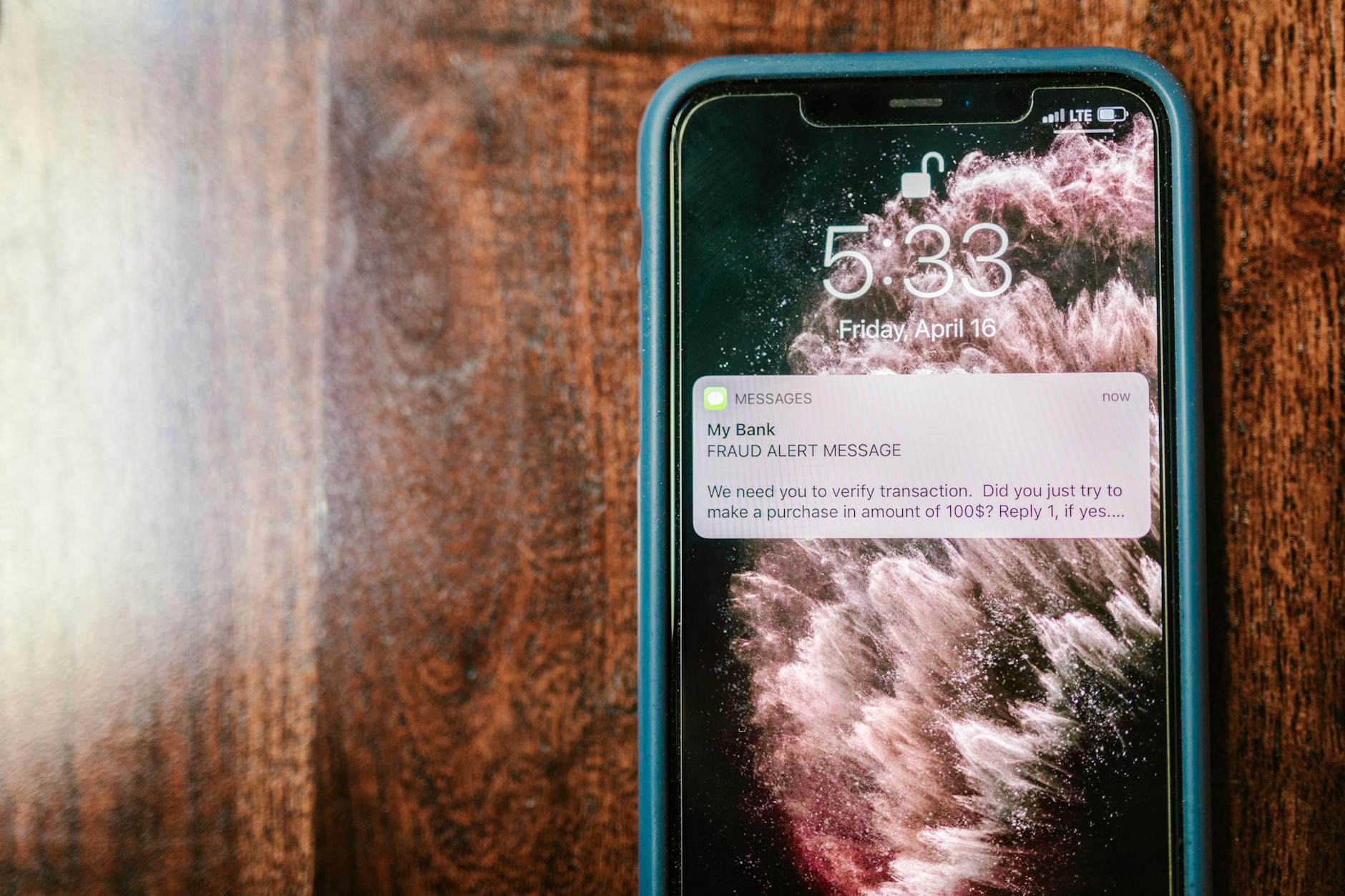
The landscape of mobile fraud has evolved dramatically in recent years, with text message scams emerging as a particularly insidious threat. These scams, often referred to as smishing (a blend of SMS and phishing), exploit the convenience and ubiquity of text messaging to trick unsuspecting victims. According to a recent industry report, incidents of smishing have surged by over 300% in the past three years, highlighting the growing sophistication of cybercriminals.
Scammers employ a variety of tactics to deceive their targets. One common method involves sending messages that appear to be from reputable sources, such as banks or government agencies. These messages often create a sense of urgency, prompting recipients to act quickly without verifying the sender's legitimacy. For instance, a message might claim that the recipient's account has been compromised and urge them to click a link to "verify" their information.
Another prevalent scam involves fake prize notifications. Recipients are informed that they have won a contest or lottery, and are instructed to provide personal information or pay a fee to claim their prize. These messages prey on the excitement and greed of potential victims, making them more likely to overlook red flags. Experts advise that any unsolicited message requesting personal information or payment should be treated with extreme caution.
The rise of text message scams underscores the need for heightened vigilance among mobile users. As technology continues to advance, so too do the methods employed by fraudsters. Staying informed about the latest scams and maintaining a healthy skepticism toward unsolicited messages can help protect individuals from falling victim to these deceptive practices.
Text message scams are a growing threat, designed to trick you into revealing personal information or sending money. These fraudulent messages often mimic legitimate sources, creating a sense of urgency or offering enticing deals to manipulate victims. To protect yourself, always verify the sender's identity and never share sensitive information via text. Be particularly cautious with links and attachments, as they can lead to malicious websites or download harmful software. As technology evolves, so do scammers' tactics, making it crucial to stay informed and vigilant to safeguard your financial security.
Need this answered for your specific case?
Get a flat-fee consultation with a verified U.S. immigration attorney. Engagement letter on every paid consult.
Related guides
This guide provides general legal information and does not create an attorney–client relationship. Information accurate as of July 2026. Always verify current USCIS guidance before acting.