
California's Three Strikes Law has sent thousands of offenders to prison for life, with a staggering 9,000 people currently serving life sentences under this controversial legislation. The law, enacted in 1994, was designed to impose harsh penalties on repeat offenders, but its impact and fairness remain hotly debated.
Understanding the Three Strikes Law is crucial for anyone interested in criminal justice reform or California's legal system. So, what is Three Strikes Law? At its core, the law mandates that a person convicted of three felonies will receive a life sentence. The first two strikes can be any felony, while the third strike can be either a violent or serious felony. What is Three Strikes Law in practice? It means that even non-violent offenses can lead to life imprisonment if the offender has two prior strikes. This harsh approach has sparked intense discussions about its effectiveness and equity.
Origins of the Three Strikes Law

The Three Strikes Law originated in the United States as a response to growing public concern over violent crime during the 1980s and 1990s. The concept was first introduced in Washington state in 1993, but it gained widespread attention and implementation after California adopted a similar law the following year. The legislation was designed to impose harsher penalties on repeat offenders, with the idea that habitual criminals would be deterred from committing further crimes if they faced the prospect of life imprisonment.
California's version of the law, known as the "Three Strikes and You're Out" rule, was passed with overwhelming public support. The law mandates that individuals convicted of three felonies face a mandatory minimum sentence of 25 years to life in prison. The first two strikes can be any felony, while the third strike must be a serious or violent felony. This approach aimed to target career criminals and reduce recidivism rates.
A study by the Public Policy Institute of California found that the law led to a significant increase in the state's prison population, with a 22% rise in inmates serving life sentences between 1994 and 2003. Critics argue that the law has disproportionately affected minority communities and has been applied in cases involving non-violent offenses, raising questions about its fairness and effectiveness.
Supporters of the Three Strikes Law maintain that it has played a crucial role in reducing crime rates and ensuring public safety. They point to the law's deterrent effect and its success in keeping dangerous criminals off the streets. The debate over the law's merits continues, with ongoing efforts to reform its application and address concerns about its impact on the criminal justice system.
How the Law Defines Strikes

California's Three Strikes Law, enacted in 1994, is a legal statute designed to impose harsher penalties on repeat offenders. The law mandates that individuals convicted of three serious or violent felonies face significantly longer prison sentences, often life imprisonment. This legislation aims to deter habitual offenders and enhance public safety by removing repeat criminals from society.
Under the law, a "strike" refers to a conviction for a serious or violent felony. Examples include robbery, burglary, kidnapping, and certain drug offenses. The first two strikes result in doubled penalties for subsequent convictions. A third strike triggers a mandatory sentence of 25 years to life in prison, with limited opportunities for parole.
According to legal experts, the Three Strikes Law has been controversial since its inception. Critics argue that it disproportionately affects non-violent offenders and contributes to prison overcrowding. Supporters, however, contend that it has played a crucial role in reducing crime rates. A 2012 study by the Public Policy Institute of California found that the law had led to a significant increase in the state's prison population, raising questions about its long-term sustainability.
The law has undergone modifications over the years to address some of these concerns. In 2012, voters approved Proposition 36, which narrowed the scope of the law by allowing judges to dismiss a third strike if the offense is non-violent and non-serious. This amendment aimed to balance the need for public safety with the principles of justice and fairness.
Impact on Sentencing and Penalties
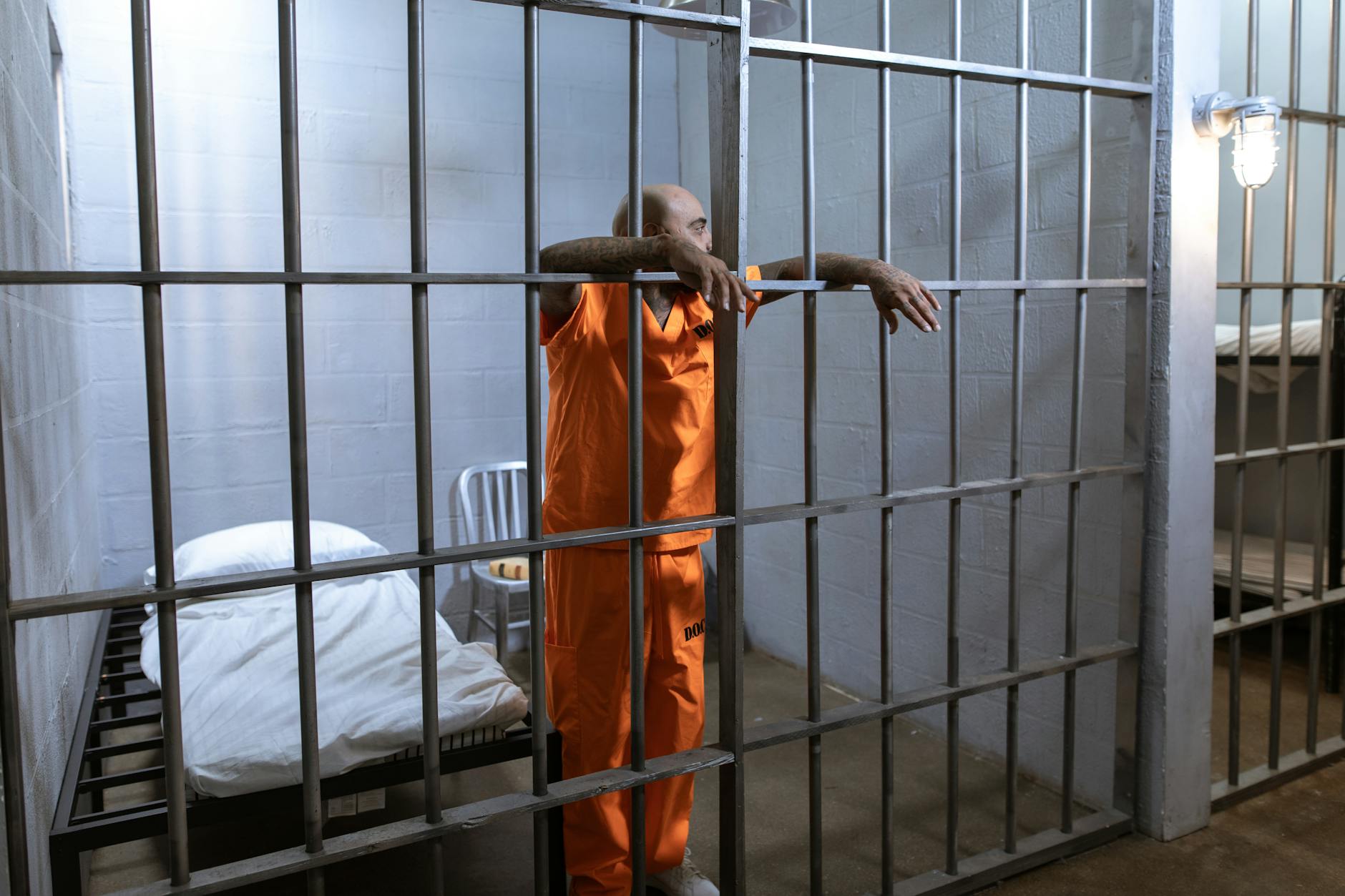
California's Three Strikes Law has significantly influenced sentencing and penalties since its enactment in 1994. The law mandates that individuals convicted of a third felony must receive a sentence enhancement, typically resulting in a life sentence. This has led to a substantial increase in the state's prison population, with nearly 50,000 inmates serving sentences under the Three Strikes Law as of recent data.
Under the law, the third strike can be any felony, even if it is non-violent or non-serious. This has drawn criticism from legal experts, who argue that the law disproportionately affects low-level offenders. A prominent legal scholar noted that the law's broad application has resulted in "unintended consequences," including overcrowded prisons and strained resources.
Sentences under the Three Strikes Law are often lengthy, with many offenders receiving life sentences for relatively minor crimes. This has raised concerns about the fairness and effectiveness of the law. Critics contend that the law does not effectively deter crime but rather imposes harsh penalties that may not align with the severity of the offense.
The impact on sentencing has been profound, with judges having limited discretion in determining penalties for third-strike offenders. The law's rigid structure has led to calls for reform, with advocates pushing for changes that would allow for more nuanced sentencing based on the individual circumstances of each case.
Daily Life Under Three Strikes

Daily life under California's Three Strikes Law can be a complex web of restrictions and consequences. Individuals with two prior serious or violent felony convictions live under the constant threat of a mandatory 25-years-to-life sentence for any subsequent felony. This reality shapes their decisions, relationships, and interactions with the legal system.
One stark reality is the impact on employment. Many employers conduct background checks, and a record of two strikes can slam doors shut. A study by the National Employment Law Project found that 75% of ex-offenders remain jobless a year after release. For those with two strikes, the prospects can be even bleaker.
Social interactions also shift. Stigma and fear can isolate individuals, straining family ties and friendships. Support networks shrink, making rehabilitation harder. The constant fear of a third strike looms large, influencing even minor decisions.
Legal experts emphasize the importance of understanding these consequences. The law's intent was to deter repeat offenses, but the collateral damage on daily life is undeniable. For those navigating this system, every day becomes a careful balancing act.
Potential Changes on the Horizon

California's Three Strikes Law has faced significant criticism over the years, prompting discussions about potential reforms. The law, enacted in 1994, mandates stricter penalties for individuals with prior convictions, including life imprisonment for a third felony. Critics argue that the law disproportionately affects minority communities and leads to excessive sentencing for nonviolent offenses. A 2012 report by the nonpartisan Public Policy Institute of California found that nearly 70% of inmates serving life sentences under the law were convicted of nonviolent crimes.
One proposed change involves modifying the definition of a "strike." Currently, a wide range of felonies qualify, including some nonviolent offenses. Advocates for reform suggest limiting strikes to serious or violent felonies, which could reduce the number of individuals subjected to harsh penalties. This adjustment aims to ensure that the law targets repeat violent offenders while providing more leniency for those convicted of lesser crimes.
Another potential reform focuses on judicial discretion. Under the current law, judges have limited ability to deviate from mandatory sentencing guidelines. Granting judges more flexibility could allow them to consider individual circumstances, such as the severity of the crime or the defendant's rehabilitation efforts. This change could help balance the scales of justice, ensuring that sentences are both fair and proportional to the offense.
Legislators and advocacy groups continue to push for these reforms, highlighting the need for a more nuanced approach to criminal justice. While the Three Strikes Law remains a contentious issue, ongoing debates and potential legislative changes could shape its future, aiming to create a more equitable and effective system.
California's Three Strikes Law is a sentencing scheme that imposes harsher penalties on repeat offenders, with a mandatory 25-years-to-life sentence for a third felony conviction. At its core, the law aims to keep habitual criminals off the streets, but it has sparked significant debate about its fairness and effectiveness. The law's impact on incarceration rates and crime prevention continues to be a contentious topic in California's criminal justice system. For those navigating the legal system, understanding the nuances of this law is crucial, and consulting with a legal professional can provide clarity on how it may apply to specific cases. As California grapples with criminal justice reform, the future of the Three Strikes Law remains a critical point of discussion.
Need this answered for your specific case?
Get a flat-fee consultation with a verified U.S. immigration attorney. Engagement letter on every paid consult.
Related guides
This guide provides general legal information and does not create an attorney–client relationship. Information accurate as of July 2026. Always verify current USCIS guidance before acting.