
Campus police have the authority to make arrests, a power they exercise with increasing frequency. In 2020 alone, campus law enforcement agencies made over 40,000 arrests, according to the U.S. Department of Education. This raises important questions about the scope of their authority and the rights of students and visitors on campus.
Understanding whether campus police can arrest you is crucial for anyone stepping onto a college campus. These officers often have the same arrest powers as municipal or county police, depending on the institution and state laws. Can campus police arrest you? The answer is generally yes, but the circumstances and consequences can vary widely. This authority underscores the importance of knowing your rights and the specific policies governing campus security in your area.
Understanding Campus Police Authority

Campus police, also known as university police departments, possess arrest authority similar to municipal police. They operate under state laws and often have jurisdiction over both public and private college campuses. This authority allows them to enforce laws, maintain order, and ensure the safety of students, faculty, and visitors. Their powers typically extend to the campus grounds and may include nearby areas as defined by the institution.
According to a study by the International Association of Campus Law Enforcement Administrators, over 900 campus police departments exist in the United States. These departments often collaborate with local law enforcement agencies to share resources and intelligence. Campus police officers undergo rigorous training, similar to their municipal counterparts, to handle various situations, from minor disputes to serious criminal activities.
A legal expert explains that campus police can arrest individuals for violations of state laws or campus regulations. This includes offenses like underage drinking, drug possession, or disorderly conduct. However, their authority is not absolute. Campus police must adhere to constitutional protections, such as the Fourth Amendment, which safeguards against unreasonable searches and seizures. Understanding these boundaries is crucial for both students and law enforcement officers.
Authority Limits and Legal Boundaries

Campus police, like their municipal counterparts, possess arrest authority but operate within specific legal boundaries. Their jurisdiction typically extends to the campus grounds and adjacent areas, with powers to enforce both criminal and campus-specific regulations. However, their authority doesn't extend beyond these limits without proper coordination with local law enforcement.
A 2019 study by the National Center for Education Statistics revealed that over 4,000 colleges and universities in the U.S. have armed police forces. These officers can make arrests for violations of state or local laws, as well as campus policies. Legal experts emphasize that campus police must adhere to the same constitutional standards as other law enforcement officers, including the Fourth Amendment's protection against unreasonable searches and seizures.
Campus police can also issue citations for non-criminal violations, such as parking infractions or policy breaches. However, their authority to arrest is generally reserved for more serious offenses. It's crucial for students and staff to understand these distinctions to navigate potential legal situations effectively.
When Can Officers Make Arrests?
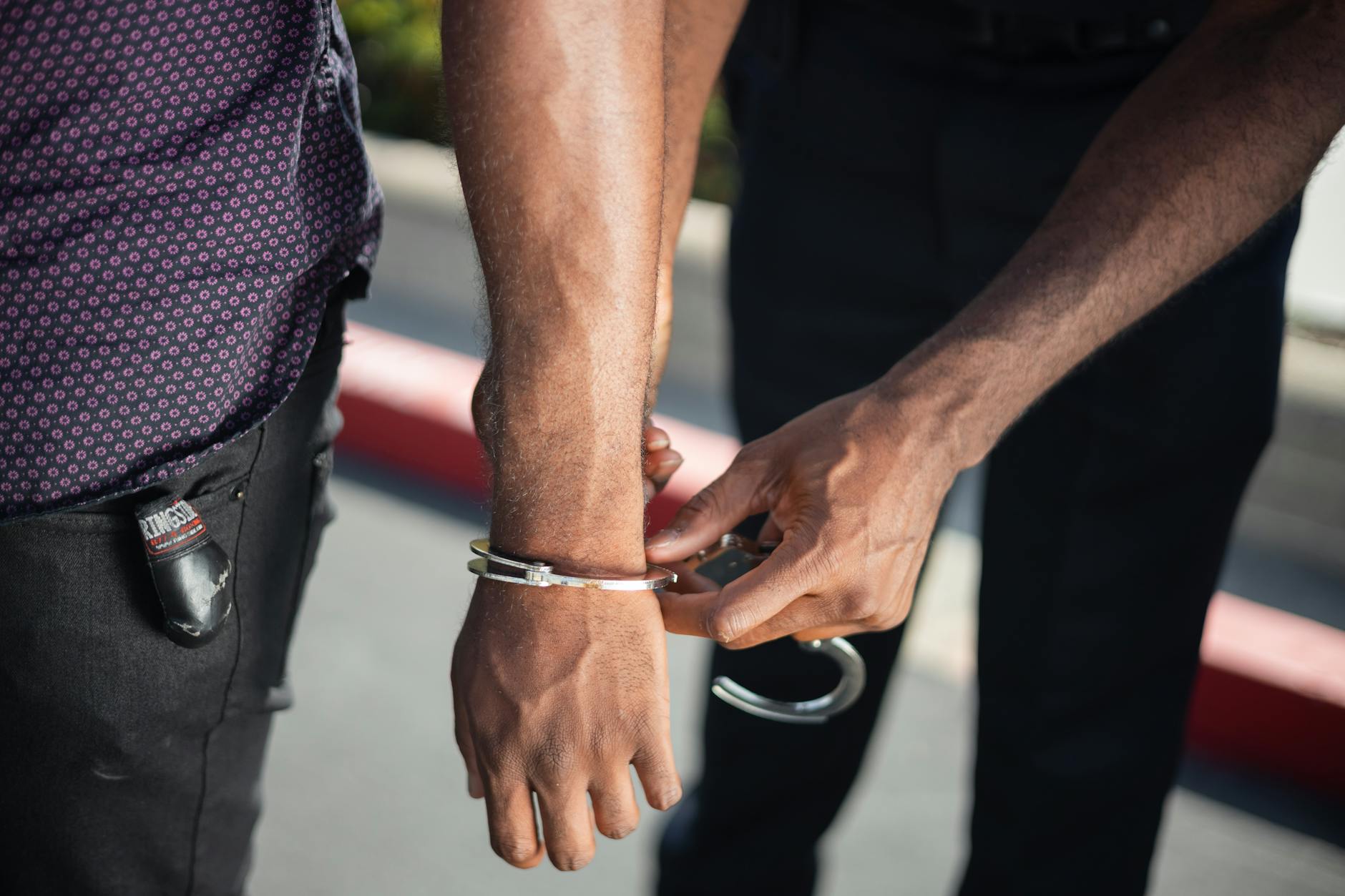
Campus police officers possess arrest authority similar to their municipal counterparts, but their jurisdiction typically extends only to the institution's grounds. They can make arrests for violations of both criminal laws and campus regulations. According to a study by the International Association of Campus Law Enforcement Administrators, over 80% of campus police departments have full arrest powers within their jurisdiction.
Officers can arrest individuals when they have probable cause to believe a crime has been committed. This includes witnessing a crime, receiving a credible report, or having reasonable suspicion based on evidence. For instance, if an officer observes a student stealing property, they can make an immediate arrest.
Campus police can also arrest individuals for violating campus policies, such as underage drinking or disorderly conduct. These arrests often result in both criminal charges and disciplinary actions from the institution. However, officers must adhere to constitutional guidelines, such as the Fourth Amendment, which protects against unreasonable searches and seizures.
In some cases, campus police may collaborate with local law enforcement for arrests outside their jurisdiction. This cooperation ensures that individuals committing crimes on or near campus grounds face appropriate legal consequences. The specific procedures and limitations of campus police arrest authority vary by institution and state laws.
Student Rights and Police Interactions
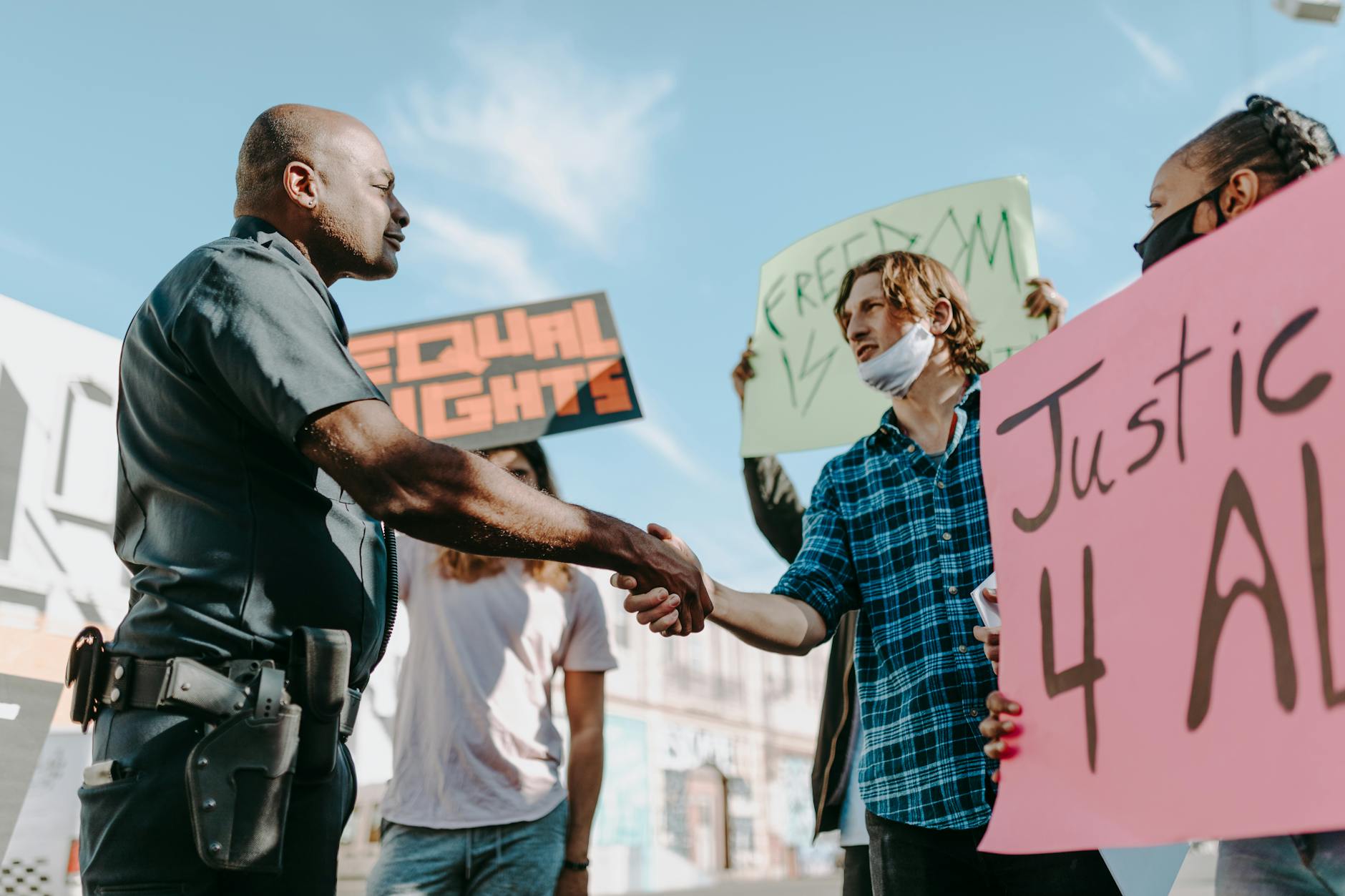
Campus police officers possess the same arrest authority as municipal police. They can detain individuals for violations of federal, state, or local laws, as well as campus policies. Students should be aware that their rights under the Fourth Amendment apply on campus, meaning officers must have reasonable suspicion or probable cause for an arrest.
A 2019 report from the U.S. Department of Education revealed that over 4,000 arrests occurred on college campuses annually. Many of these arrests involve students, highlighting the importance of understanding one's rights. According to legal experts, students should remain calm and polite during interactions, but they also have the right to ask if they are free to leave.
If a student is arrested, they should not resist and should clearly state they wish to remain silent. Requesting an attorney is a fundamental right. Campus police should inform arrested individuals of their Miranda rights, which include the right to an attorney and the right to remain silent. Violations of these rights can lead to the exclusion of evidence in court.
Students should familiarize themselves with their campus's policies on police interactions. Many universities provide resources and training sessions to educate students about their rights and how to interact with law enforcement. Proactive education can help students navigate potentially stressful situations with confidence and clarity.
Future of Campus Law Enforcement

The landscape of campus law enforcement is evolving rapidly. Many institutions are reevaluating the role of police on campus, with some opting for alternative models focused on community engagement and de-escalation. This shift reflects broader societal conversations about policing and public safety. Experts suggest that campuses may increasingly rely on unarmed security personnel or mental health professionals to handle non-violent incidents.
Technology is poised to play a significant role in the future of campus law enforcement. Body-worn cameras, AI-driven surveillance, and predictive policing tools are becoming more common. A recent study found that 60% of universities plan to invest in advanced security technologies within the next five years. These tools aim to enhance transparency and accountability while reducing the need for physical interventions.
Community involvement will likely shape the future of campus policing. Many universities are forming advisory boards that include students, faculty, and local law enforcement to guide policy decisions. This collaborative approach seeks to build trust and ensure that campus security practices align with the values of the community. The goal is to create a safer, more inclusive environment for all campus members.
Legal frameworks governing campus police authority are also under review. Some states are passing legislation to limit the powers of campus officers, while others are expanding their jurisdiction. These changes aim to balance public safety with individual rights. As laws evolve, campuses must stay informed and adapt their policies accordingly to maintain compliance and effectiveness.
Campus police do have arrest authority, but their powers and procedures vary significantly from one institution to another. Understanding these distinctions is crucial for students, faculty, and visitors to navigate campus environments safely and responsibly. If you find yourself in a situation involving campus police, remain calm, cooperate, and know your rights—asking for clarification or an explanation can often de-escalate tension. As higher education institutions continue to evolve, so too will the role of campus police, making it essential for communities to stay informed and engaged in these discussions.
Need this answered for your specific case?
Get a flat-fee consultation with a verified U.S. immigration attorney. Engagement letter on every paid consult.
Related guides
This guide provides general legal information and does not create an attorney–client relationship. Information accurate as of July 2026. Always verify current USCIS guidance before acting.