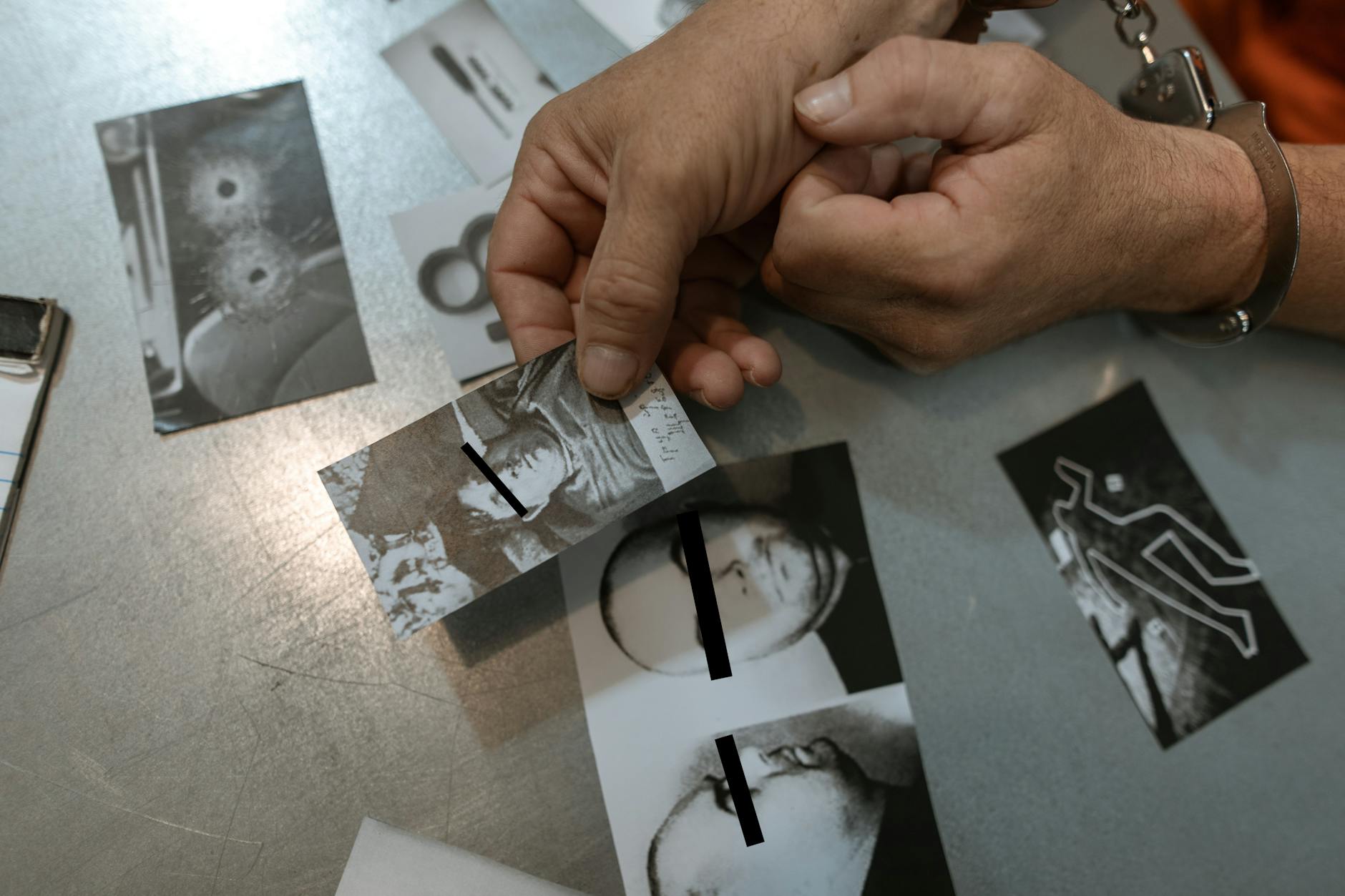
Digital evidence has become a cornerstone of modern criminal investigations, with over 80% of cases involving some form of electronic data. The shift from physical to digital evidence has transformed the legal landscape, raising critical questions about the sufficiency of digital proof alone to secure convictions.
Understanding whether you can be charged without physical evidence is crucial in this digital age. With the proliferation of smartphones, computers, and internet-connected devices, law enforcement agencies increasingly rely on digital footprints to build cases. From social media posts to GPS data, digital evidence can paint a compelling picture of events. However, the legal system continues to grapple with the nuances of digital proof, making it essential for individuals to comprehend their rights and the potential implications of digital evidence in criminal proceedings.
Understanding Digital Evidence in Legal Cases

Digital evidence has become a cornerstone in modern legal proceedings. From emails to social media posts, digital data often provides crucial insights into cases where physical evidence may be scarce or non-existent. Courts increasingly rely on this type of evidence, with studies showing that over 90% of legal professionals now consider digital evidence as reliable as traditional forms.
Understanding digital evidence involves recognizing its various forms. These can range from metadata embedded in files to location data from smartphones. Experts emphasize that the integrity of this evidence is paramount. Any tampering or mishandling can render it inadmissible in court. Proper collection and preservation methods are essential to maintain its validity.
Legal professionals must stay updated on the evolving landscape of digital evidence. As technology advances, so do the methods for extracting and interpreting data. Courts are continually adapting to these changes, setting precedents that shape how digital evidence is used in legal cases. This dynamic field requires constant vigilance and expertise.
Forensic analysts play a critical role in this process. Their job is to extract, analyze, and present digital evidence in a way that is both accurate and understandable to a jury. The precision of their work can make or break a case. As digital evidence continues to grow in importance, the demand for skilled analysts is also on the rise.
How Digital Traces Can Incriminate You

Digital traces, often invisible to the untrained eye, can leave a comprehensive trail of an individual's activities. Every click, swipe, and tap generates data that can be used to build a case. For instance, browsing history, GPS locations, and even metadata from photos can paint a detailed picture of a person's movements and intentions. This digital footprint can be as incriminating as physical evidence, if not more so, due to its precision and volume.
According to a report by the National District Attorneys Association, digital evidence is now present in nearly 90% of serious criminal cases. This statistic underscores the critical role that digital traces play in modern investigations. Law enforcement agencies increasingly rely on digital forensics to reconstruct events, identify suspects, and establish timelines.
Experts emphasize that digital traces can reveal patterns and connections that might not be apparent through physical evidence alone. For example, a series of emails or messages can demonstrate intent or premeditation. Similarly, financial transactions and online purchases can provide clues about a suspect's activities and whereabouts. The sheer volume of digital data available makes it a powerful tool for prosecutors.
However, the use of digital evidence is not without its challenges. The complexity of digital forensics requires specialized knowledge and tools. Additionally, the admissibility of digital evidence in court can be contested, particularly if the chain of custody or the integrity of the data is questioned. Despite these challenges, the role of digital traces in criminal investigations continues to grow, making it an essential consideration for anyone concerned about their digital footprint.
Real-Life Cases of Digital-Only Convictions

Digital evidence has increasingly become the sole basis for criminal convictions. In 2018, a man in the UK was sentenced to 13 years in prison for terrorism offenses based entirely on data found on his electronic devices. The prosecution presented no physical evidence, relying solely on digital communications and files.
Similarly, a case in the US saw a defendant convicted of fraud using only digital evidence. The FBI traced financial transactions and communications through encrypted messaging apps, leading to a conviction without any physical proof. Such cases highlight the growing reliance on digital forensics in criminal investigations.
A study by the National District Attorneys Association found that 85% of prosecutors now use digital evidence in their cases. This shift underscores the importance of digital literacy among legal professionals. As technology evolves, so too must the methods of gathering and presenting evidence in court.
In another notable case, a cyberstalking conviction in Canada rested entirely on digital evidence. The court examined emails, social media posts, and IP addresses to establish the defendant's guilt. The absence of physical evidence did not hinder the prosecution's ability to secure a conviction.
Protecting Yourself in the Digital Age

Digital evidence has become a cornerstone of modern investigations. With 92% of businesses reporting some form of cybersecurity incident in the past year, the digital footprint left by individuals is vast and revealing. From social media posts to GPS data, digital evidence can paint a comprehensive picture of a person's activities, often without needing physical evidence.
Experts emphasize the importance of understanding digital privacy settings. Many people unwittingly share location data, personal communications, and other sensitive information. A cybersecurity analyst notes that even seemingly innocuous apps can collect and store data that might be used in legal proceedings. Regularly reviewing app permissions and privacy settings can help minimize digital exposure.
Using strong, unique passwords for each account adds another layer of protection. Password managers can simplify this process by generating and storing complex passwords. Additionally, enabling two-factor authentication whenever possible creates an extra barrier against unauthorized access. These simple steps can significantly reduce the risk of digital evidence being used against someone.
Being mindful of online behavior is crucial. Posts, messages, and even search histories can be admissible in court. A digital forensics expert advises thinking twice before sharing sensitive information online. Understanding how digital evidence works and taking proactive steps to protect personal data can make a significant difference in safeguarding one's privacy and legal standing.
The Evolving Landscape of Digital Evidence

The digital age has transformed how law enforcement gathers and presents evidence. Courts increasingly accept digital evidence, from emails to social media posts, as valid proof in criminal cases. This shift reflects society's growing reliance on technology for communication and record-keeping. Digital evidence often provides a clear trail of activity, making it a powerful tool for investigators.
According to a recent study by a leading cybersecurity firm, 85% of law enforcement agencies now prioritize digital evidence in their investigations. This statistic underscores the growing importance of digital forensics in the criminal justice system. As technology evolves, so do the methods for extracting and analyzing digital data.
However, the evolving landscape of digital evidence presents challenges. The sheer volume of data can overwhelm investigators, and the dynamic nature of digital platforms complicates preservation efforts. Despite these hurdles, digital evidence continues to play a crucial role in modern prosecutions. Its acceptance in courtrooms highlights the need for robust digital forensics practices.
Legal experts emphasize the importance of understanding digital evidence's nuances. Proper handling and presentation are critical to ensuring its admissibility and impact in court. As digital evidence becomes more prevalent, its role in criminal cases will only grow, shaping the future of law enforcement and justice.
Digital evidence can absolutely lead to criminal charges, and courts increasingly accept it as valid proof. While physical evidence may strengthen a case, its absence doesn't automatically weaken digital evidence's credibility. To protect yourself, understand your digital footprint and exercise caution online, as seemingly harmless actions can have serious consequences. As technology advances, digital evidence will likely play an even more significant role in legal proceedings, making digital literacy an essential skill for everyone.
Need this answered for your specific case?
Get a flat-fee consultation with a verified U.S. immigration attorney. Engagement letter on every paid consult.
Related guides
This guide provides general legal information and does not create an attorney–client relationship. Information accurate as of July 2026. Always verify current USCIS guidance before acting.