
Every 2 minutes, a new image of child sexual abuse is created and shared online. This grim statistic underscores the pervasive nature of child pornography crime, a global epidemic that exploits and traumatizes countless children each year. Behind these numbers lie real victims, their lives forever altered by the cruelty of others. Child pornography crime is not a victimless offense; it is a brutal violation that leaves deep, lasting scars.
Understanding what is child pornography crime is crucial for everyone. It involves the production, distribution, or possession of sexually explicit images or videos of minors. This crime extends beyond physical abuse, encompassing the digital exploitation of children. Recognizing what is child pornography crime empowers individuals to identify and report suspicious activities, contributing to the fight against this heinous offense. Awareness and action are key to protecting vulnerable children and bringing perpetrators to justice.
Understanding the Legal Definition

Child pornography crime involves the creation, distribution, or possession of sexually explicit material depicting minors. Legal definitions vary by jurisdiction, but all share a common focus on protecting children from exploitation. The U.S. Department of Justice defines child pornography as any visual depiction of sexually explicit conduct involving a minor. This includes photographs, videos, digital images, or any other visual medium.
According to the National Center for Missing & Exploited Children, law enforcement received over 29 million reports of suspected child exploitation in 2021. These reports highlight the pervasive nature of the crime and the urgent need for legal intervention. Legal definitions typically specify the age of the depicted individual, often setting it at 18 years or younger. Some jurisdictions also include material that appears to depict a minor, even if the age cannot be verified.
Legal experts emphasize that the intent behind the material is irrelevant. Whether the creator or distributor believes the material is harmless, the law considers it a serious offense. This stance reflects the broader societal consensus that children deserve protection from sexual exploitation. The legal definition also extends to virtual images, where computer-generated content depicts minors in explicit situations. This inclusion acknowledges the evolving nature of technology and its potential for abuse.
Recognizing the Different Forms

Child pornography crime manifests in various forms, each equally abhorrent and illegal. The most common form involves the production, distribution, and possession of explicit images or videos featuring minors. These materials often circulate through online platforms, exploiting the anonymity and reach of the internet.
Another disturbing form is live streaming of abuse. Perpetrators may coerce children into performing sexual acts in real-time for paying audiences. This form is particularly heinous as it involves direct, immediate harm to the victim. According to a report by the International Association of Internet Hotlines, live streaming of child sexual abuse has seen a significant rise in recent years.
Child pornography crime also includes the creation and sharing of computer-generated images depicting minors in sexual situations. While some argue these images do not involve real victims, experts contend they contribute to the demand for real child exploitation materials. Law enforcement agencies worldwide treat these images as seriously as photographic evidence.
Additionally, grooming behaviors, where adults manipulate children into engaging in sexual activities, fall under this category. These actions often precede the production of child exploitation materials. Recognizing these various forms is crucial for identifying and reporting such crimes effectively.
Impact on Victims and Society
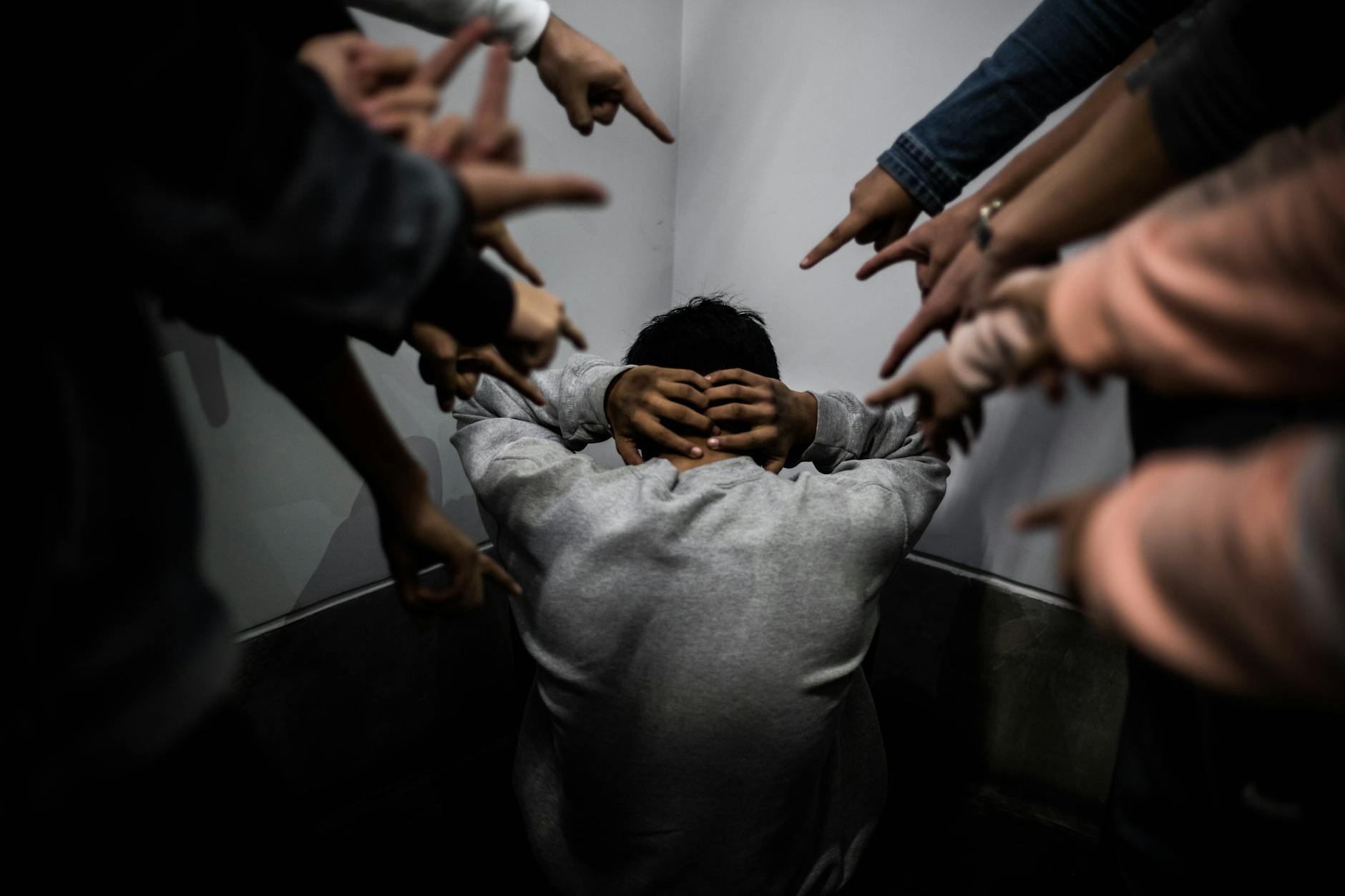
The impact of child pornography crime extends far beyond the immediate victims, leaving deep scars on individuals and society as a whole. Children exposed to such exploitation often suffer severe psychological trauma, including anxiety, depression, and post-traumatic stress disorder. The damage can persist into adulthood, affecting their relationships, education, and career prospects. Studies show that victims may struggle with trust issues and have a higher likelihood of engaging in risky behaviors.
A single image or video can circulate endlessly online, subjecting victims to repeated revictimization. Each view compounds the trauma, as the material continues to circulate long after the initial abuse. The internet's global reach means that victims' images can spread across borders, making it difficult to contain the damage. This perpetual exposure exacerbates the emotional and psychological toll on survivors.
Society also bears the consequences of child pornography crimes. The prevalence of such material contributes to a culture that normalizes the sexualization of minors. This desensitization can erode community values and undermine efforts to protect children. Law enforcement and social services face significant challenges in addressing the issue, as the anonymous and borderless nature of the internet complicates investigations and prosecutions.
Experts emphasize the need for comprehensive support systems for victims, including counseling and legal assistance. Communities must also prioritize education and awareness to prevent further exploitation. By addressing both the immediate and long-term impacts, society can work towards healing and prevention. The fight against child pornography requires collective effort and unwavering commitment to safeguarding vulnerable individuals.
Global Efforts to Combat the Crime

Governments and international organizations worldwide are intensifying their efforts to combat the proliferation of child pornography. The United Nations has adopted several conventions and protocols, such as the Optional Protocol on the Sale of Children, Child Prostitution and Child Pornography, which aim to protect children from exploitation. These efforts have led to the establishment of specialized units within law enforcement agencies dedicated to investigating and prosecuting these crimes.
Interpol and Europol play crucial roles in coordinating international efforts. They facilitate information sharing and collaborative investigations across borders. According to a report by the International Centre for Missing & Exploited Children, these agencies have significantly increased the number of arrests and convictions related to child pornography crimes in recent years.
Legislation has also evolved to address the digital nature of these crimes. Many countries have enacted laws that criminalize the possession, distribution, and production of child exploitation material. These laws often include severe penalties to deter potential offenders and reflect society's zero-tolerance stance.
Non-governmental organizations (NGOs) and advocacy groups are also instrumental in combating this crime. They provide support to victims, raise awareness, and push for stronger legal frameworks. Their work complements the efforts of law enforcement and governmental bodies, creating a multi-faceted approach to tackling this global issue.
Emerging Trends and Challenges

Child pornography crime has evolved significantly in recent years, presenting new challenges for law enforcement and society. The rise of digital technology has made it easier for offenders to produce, distribute, and access illegal material. Online platforms and peer-to-peer networks have become primary channels for the dissemination of child exploitation content. According to a report by the International Association of Internet Hotlines, there was a 16% increase in the number of web pages containing child sexual abuse material in 2022.
One emerging trend is the use of live streaming and webcam technology to exploit children in real-time. This practice, known as live-streamed child sexual abuse, allows offenders to direct the abuse remotely. Law enforcement agencies worldwide have reported a surge in such cases, highlighting the need for enhanced international cooperation.
Another concerning development is the use of encrypted communication platforms to share illegal content. These platforms, designed to protect user privacy, often become havens for criminal activity. Experts emphasize the importance of balancing privacy concerns with the need to prevent and investigate child exploitation crimes.
Additionally, the COVID-19 pandemic has exacerbated the problem, with more children spending time online and potential offenders having increased access to vulnerable individuals. The United Nations has warned of a significant rise in online child sexual exploitation during this period, underscoring the urgent need for comprehensive prevention and response strategies.
Child pornography crime is a grave offense that involves the exploitation and abuse of minors, leaving lasting scars on victims and communities. It's crucial to understand that this crime isn't just about images or videos—it's about real children suffering real harm. To combat this issue, everyone should educate themselves about the signs of exploitation and report any suspicions to authorities. Moving forward, increased global cooperation and technological advancements in tracking and preventing these crimes will be vital in protecting vulnerable children and bringing perpetrators to justice.
Need this answered for your specific case?
Get a flat-fee consultation with a verified U.S. immigration attorney. Engagement letter on every paid consult.
Related guides
This guide provides general legal information and does not create an attorney–client relationship. Information accurate as of July 2026. Always verify current USCIS guidance before acting.