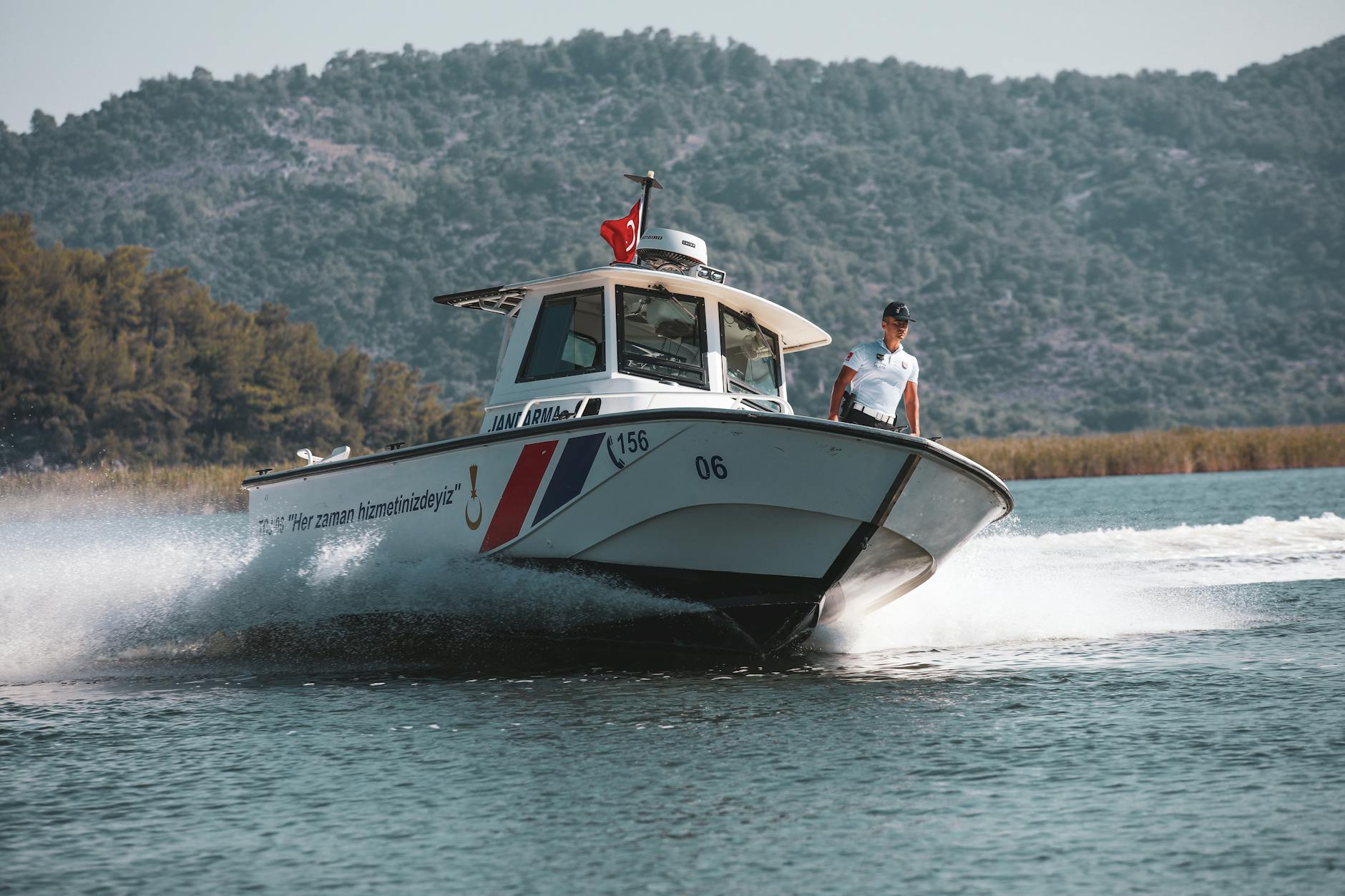
The Coast Guard stands as a unique branch of the U.S. Armed Forces, operating under both the Department of Homeland Security and the Department of Defense. With a broad mandate, the Coast Guard Authority encompasses 11 key powers and responsibilities that protect America's maritime interests. From safeguarding ports and waterways to enforcing federal laws, the Coast Guard's reach is vast and vital.
Understanding the Coast Guard Authority means recognizing its dual role in national security and public safety. The Coast Guard Authority grants the service jurisdiction over maritime law enforcement, search and rescue, marine safety, and environmental protection. For anyone navigating U.S. waters or relying on maritime trade, the Coast Guard Authority is a critical force ensuring safety and security. Whether intercepting drug smugglers or responding to oil spills, the Coast Guard's impact is undeniable.
Understanding the Coast Guard's Role

The Coast Guard stands as a unique branch of the U.S. Armed Forces, operating under the Department of Homeland Security during peacetime. Its authority spans a broad spectrum of maritime missions, from law enforcement to environmental protection. The Coast Guard's multifaceted role is a testament to its versatility and critical importance in safeguarding the nation's waters. With over 40,000 active-duty personnel, it serves as the nation's first line of defense in maritime security.
One of the Coast Guard's primary responsibilities is maritime law enforcement. This includes combating smuggling, illegal fishing, and drug trafficking. The Coast Guard's jurisdiction extends to both domestic and international waters, making it a pivotal player in global maritime security efforts. According to a maritime security expert, the Coast Guard's ability to enforce laws on the high seas is unparalleled, thanks to its specialized training and advanced equipment.
Environmental protection is another key aspect of the Coast Guard's authority. It plays a crucial role in responding to oil spills, monitoring marine sanctuaries, and enforcing environmental regulations. The Coast Guard's swift response to environmental disasters helps mitigate damage to marine ecosystems and coastal communities. Its proactive approach to environmental stewardship underscores its commitment to preserving the nation's natural resources.
Search and rescue operations are at the heart of the Coast Guard's mission. Equipped with state-of-the-art technology and highly trained personnel, the Coast Guard saves hundreds of lives each year. Its around-the-clock vigilance ensures that mariners in distress receive timely assistance, regardless of the circumstances. The Coast Guard's dedication to saving lives at sea is a cornerstone of its authority and a source of pride for the nation.
Core Powers of Maritime Protection

At the heart of Coast Guard operations lies its authority to protect maritime interests. This includes safeguarding ports, waterways, and coastal areas from threats. The Coast Guard enforces maritime laws, ensuring compliance with regulations that maintain safety and security. It also conducts search and rescue missions, a critical function that saves countless lives annually. According to maritime experts, the Coast Guard's ability to respond swiftly to distress calls is unparalleled.
Another core power is maritime law enforcement. The Coast Guard has the authority to board and inspect vessels suspected of illegal activities. This includes combating smuggling, illegal fishing, and pollution. The agency also plays a pivotal role in enforcing immigration laws at sea. Its efforts have significantly reduced the number of undocumented migrants entering the country by sea.
Environmental protection is another key responsibility. The Coast Guard monitors and responds to oil spills and other marine pollution incidents. It ensures that vessels comply with environmental regulations. The agency's swift response to the Deepwater Horizon oil spill in 2010 demonstrated its capability in handling large-scale environmental crises. Its actions mitigated the spill's impact on marine life and coastal communities.
Additionally, the Coast Guard has the authority to conduct military operations. It can be called upon to support the Department of Defense during times of war or national emergencies. The agency's unique blend of military and law enforcement capabilities makes it a versatile asset. Its ability to transition seamlessly between roles underscores its importance in national security.
Daily Operations and Enforcement

The Coast Guard's daily operations form the backbone of its authority, focusing on maritime safety and security. Patrols and inspections are routine, with crews monitoring waterways for potential hazards. Last year alone, the Coast Guard conducted over 100,000 safety inspections, ensuring compliance with regulations. These efforts prevent accidents and protect both mariners and the environment.
Enforcement actions are another critical aspect. The Coast Guard has the authority to board and search vessels suspected of violating laws. This power is used judiciously, with a focus on interdiction of illegal activities. According to maritime experts, these operations have significantly reduced smuggling and illegal fishing.
Search and rescue missions are a cornerstone of the Coast Guard's daily work. With a network of stations and cutters strategically placed along coastlines, the Coast Guard responds swiftly to distress calls. Their expertise and readiness save countless lives each year. The Coast Guard's commitment to these operations underscores its vital role in maritime safety.
Collaboration with other agencies enhances the Coast Guard's operational effectiveness. Joint exercises and information sharing improve response times and coordination. This teamwork is essential for addressing complex maritime challenges. The Coast Guard's ability to work seamlessly with partners strengthens its authority and impact.
Collaboration with Other Agencies

Coast Guard authorities often collaborate with other agencies to fulfill their multifaceted mission. These partnerships enhance their ability to respond to emergencies, enforce laws, and protect maritime interests. For instance, they work closely with the Navy in times of war or national emergencies, leveraging their unique capabilities and expertise.
A significant aspect of this collaboration involves joint operations with local law enforcement agencies. According to a maritime security expert, these partnerships are crucial for combating smuggling, illegal fishing, and other maritime crimes. The Coast Guard's jurisdiction often overlaps with these agencies, making cooperation essential for effective enforcement.
Environmental protection is another area where collaboration is vital. The Coast Guard works with agencies like the Environmental Protection Agency (EPA) to respond to oil spills and other environmental disasters. Their combined efforts ensure swift and effective mitigation of these incidents, minimizing environmental impact.
Adapting to Future Challenges

The Coast Guard's authority isn't static; it evolves to meet emerging challenges. Climate change, for instance, has expanded its role in Arctic operations. As ice melts, new shipping routes open, and the Coast Guard steps in to ensure safe navigation and environmental protection. This adaptability is crucial, as a maritime security expert notes, "The Coast Guard's ability to pivot and address new threats is unparalleled."
Cybersecurity is another frontier where the Coast Guard is extending its reach. With ports and maritime infrastructure increasingly targeted, the Coast Guard is enhancing its cyber defenses. It's not just about physical security anymore; the digital realm is equally critical. This shift reflects the broader trend of integrating technology into traditional domains.
Disaster response is yet another area where the Coast Guard's authority is adapting. With natural disasters becoming more frequent and severe, the Coast Guard's role in humanitarian assistance and disaster relief is growing. In 2020 alone, the Coast Guard responded to over 16,000 search and rescue cases, a testament to its readiness and resilience.
Looking ahead, the Coast Guard's authority will likely continue to expand. As new challenges arise, so too will the need for a versatile, adaptable force. The Coast Guard's ability to meet these challenges head-on is a cornerstone of its enduring relevance and impact.
The Coast Guard's authority is a vital shield, protecting maritime interests and upholding laws with its unique blend of military and law enforcement powers. From safeguarding ports to enforcing regulations, their responsibilities are as diverse as they are critical. For those navigating maritime industries, understanding these authorities ensures compliance and fosters smoother operations. As maritime challenges evolve, the Coast Guard's role will undoubtedly expand, adapting to new threats and technologies.
Need this answered for your specific case?
Get a flat-fee consultation with a verified U.S. immigration attorney. Engagement letter on every paid consult.
Related guides
This guide provides general legal information and does not create an attorney–client relationship. Information accurate as of July 2026. Always verify current USCIS guidance before acting.