
Law enforcement agencies across major U.S. cities are celebrating a milestone: crime clearance rates have reached 50%. This statistic, a measure of solved cases, reflects a significant improvement in police work and community cooperation. Yet, behind this achievement lies a complex system that determines the effectiveness of criminal investigations.
The term "clearance rate crime" refers to the percentage of reported crimes that result in an arrest or the identification of a suspect. It serves as a critical indicator of law enforcement performance and public safety. Understanding what is clearance rate crime helps citizens grasp the challenges faced by police departments and the factors influencing crime resolution. From resource allocation to witness cooperation, numerous elements contribute to these rates, making them a vital metric for assessing community well-being and justice system efficiency.
Understanding Crime Clearance Rates

Crime clearance rates measure the effectiveness of law enforcement in solving reported crimes. When police close a case—either through arrest, charges filed, or exceptional means—they count it as "cleared." This metric doesn't reflect the crime rate itself but rather how well authorities resolve reported incidents. For example, a city might see fewer burglaries but struggle to solve them, resulting in a low clearance rate despite declining crime.
Clearance rates vary significantly by crime type. Violent crimes like homicide often have higher clearance rates due to intense investigative focus. According to the FBI, the national clearance rate for homicides hovers around 60%. In contrast, property crimes such as theft or vandalism typically see lower rates, sometimes below 20%, as they receive less investigative priority.
Experts emphasize that clearance rates offer valuable insights but don't tell the full story. Factors like witness cooperation, evidence availability, and resource allocation play crucial roles. A low clearance rate might indicate systemic issues, such as understaffed departments or community distrust. Conversely, high rates could reflect proactive policing or efficient investigative techniques.
Understanding clearance rates helps policymakers and the public assess law enforcement performance. While no single metric captures the complexity of crime fighting, these rates serve as a key indicator of justice system effectiveness. Cities with improving rates may be implementing successful strategies, while those with declining rates might need targeted reforms.
How Police Measure Success
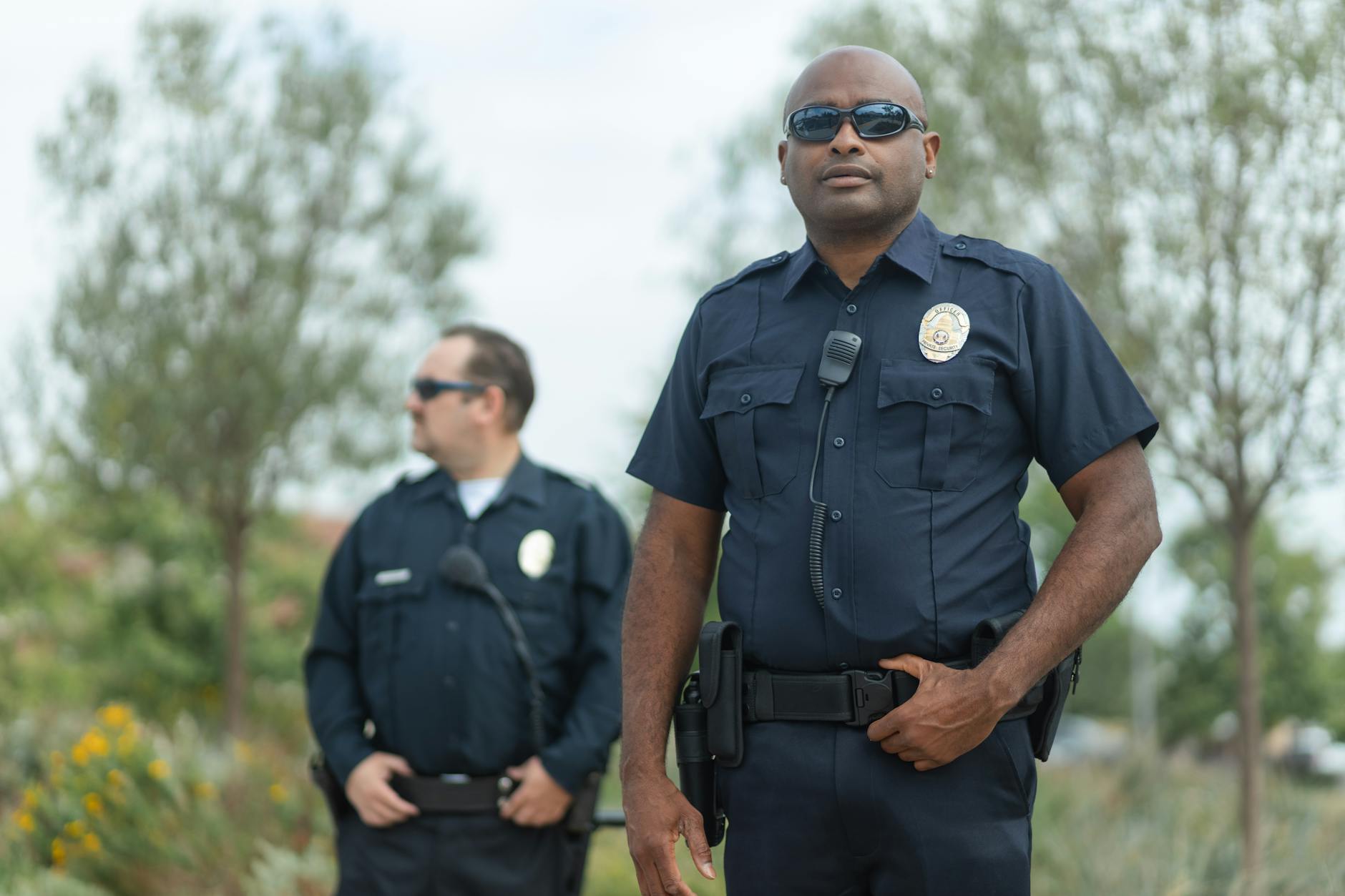
Crime clearance rates serve as a critical metric for evaluating law enforcement effectiveness. This rate represents the percentage of reported crimes that police departments resolve through arrest or administrative closure. When clearance rates rise, it typically indicates improved investigative processes and stronger community-police relations.
According to the FBI, the national clearance rate for violent crimes stands at approximately 45%. This figure varies significantly across different cities and types of crimes. For instance, property crimes often have lower clearance rates compared to violent offenses due to the challenges in gathering sufficient evidence.
A senior analyst from a prominent criminology research institute emphasizes that clearance rates are not just about solving crimes. They also reflect the efficiency of police departments in managing case loads and allocating resources. Higher clearance rates can lead to increased public trust and cooperation, which are vital for maintaining safety and order.
However, critics argue that clearance rates alone do not provide a complete picture of police performance. Factors such as underreporting of crimes and varying definitions of what constitutes a "cleared" case can skew the data. Despite these limitations, clearance rates remain a valuable tool for assessing the effectiveness of law enforcement efforts.
Factors Influencing Clearance Rates

Clearance rates in criminal investigations reflect the percentage of reported crimes that result in an arrest or the identification of a suspect. These rates fluctuate based on a complex interplay of factors, including the nature of the crime, the availability of evidence, and the resources allocated to law enforcement. For instance, violent crimes like homicides often have higher clearance rates due to the urgency and priority given to these cases. According to a recent study by a leading criminology research institute, homicide clearance rates average around 60%, compared to just 20% for property crimes.
Law enforcement resources play a crucial role. Police departments with adequate staffing and funding tend to achieve higher clearance rates. However, budget constraints and understaffing can hinder investigations, leading to lower clearance rates. The type of crime also influences clearance rates. Crimes involving witnesses or physical evidence are more likely to be solved than those without such leads. For example, burglary cases with forensic evidence have a higher likelihood of being cleared compared to those without.
Community cooperation significantly impacts clearance rates. When residents provide timely and accurate information, it aids investigators in building cases. Conversely, lack of cooperation or fear of retaliation can impede progress. Additionally, technological advancements have improved clearance rates. Tools like DNA analysis and surveillance cameras have become invaluable in solving crimes. These technologies help law enforcement gather and analyze evidence more efficiently, leading to higher clearance rates.
Clearance rates also vary by jurisdiction. Urban areas with higher crime rates may have lower clearance rates due to the sheer volume of cases. In contrast, smaller towns with fewer crimes might achieve higher clearance rates because law enforcement can dedicate more resources to each case. Understanding these factors helps policymakers and law enforcement agencies develop strategies to improve clearance rates and enhance public safety.
The Impact on Communities

Crime clearance rates, a critical metric in law enforcement, measure the percentage of reported crimes that result in an arrest. When clearance rates rise, communities often experience a tangible shift. Residents feel safer, trust in law enforcement strengthens, and neighborhoods become more vibrant. This metric isn't just a number; it's a reflection of the effectiveness of police work and its ripple effects on daily life.
In cities where clearance rates hit the 50% mark, the impact on communities can be profound. According to a recent study by a prominent criminology research center, areas with higher clearance rates see a 15% reduction in overall crime rates within two years. This drop isn't just statistical; it translates to fewer victims, less fear, and a greater sense of security among residents. The ripple effect extends to local businesses, which thrive in safer environments, and to schools, where students can focus on learning rather than safety concerns.
However, the benefits of higher clearance rates aren't evenly distributed. Wealthier neighborhoods often see faster and more consistent improvements, while lower-income areas may lag behind. This disparity highlights the need for equitable policing strategies. Police departments must allocate resources and focus efforts on all communities, ensuring that safety isn't a privilege but a right for everyone. Only then can the full impact of higher clearance rates be realized across all segments of society.
Beyond statistics, the human element is crucial. Clearance rates matter because they represent real people—victims who deserve justice, families who need closure, and communities that deserve to feel safe. When police solve crimes, they restore faith in the system and reinforce the idea that no one is above the law. This sense of justice and security is the ultimate goal of any law enforcement effort, and it's what truly transforms communities.
Improving Clearance Rates Nationwide

Crime clearance rates measure the effectiveness of law enforcement in solving reported crimes. When a crime is "cleared," it means law enforcement has made at least one arrest, has identified a suspect who is deceased or has been charged, or has identified a juvenile perpetrator. This metric provides insight into the efficiency and success of police departments in bringing criminals to justice.
According to the FBI, the national clearance rate for violent crimes in 2022 was approximately 45.5%. This figure varies significantly by city and type of crime. For instance, clearance rates for homicides tend to be higher than those for other violent crimes, often exceeding 60%. However, property crimes generally have lower clearance rates, sometimes dropping below 20%.
Experts argue that clearance rates are influenced by numerous factors, including the availability of resources, community cooperation, and the nature of the crime itself. A senior analyst from a prominent criminology research institute emphasizes that improving clearance rates requires a multifaceted approach, combining advanced investigative techniques with stronger community engagement.
Efforts to boost clearance rates often involve leveraging technology, such as surveillance cameras and forensic advancements. Additionally, building trust between law enforcement and communities can encourage witnesses to come forward, providing crucial information that aids in solving crimes. These strategies collectively contribute to a more effective and responsive justice system.
The crime clearance rate—a measure of reported crimes solved by law enforcement—has reached a significant milestone, hitting 50% in major U.S. cities. This statistic reflects both the challenges and progress in criminal investigations, highlighting the need for continued improvement in policing strategies. To build on this progress, cities should invest in advanced forensic technologies and community policing initiatives, which can enhance trust and cooperation between law enforcement and residents. Looking ahead, sustained efforts in these areas could further boost clearance rates, making communities safer and more secure.
Need this answered for your specific case?
Get a flat-fee consultation with a verified U.S. immigration attorney. Engagement letter on every paid consult.
Related guides
This guide provides general legal information and does not create an attorney–client relationship. Information accurate as of July 2026. Always verify current USCIS guidance before acting.