
Police officers in the United States take an oath to uphold the Constitution, which includes the critical responsibility of ensuring equal protection under the law. This duty, known as equal protection police duty, is a cornerstone of American jurisprudence, yet it remains misunderstood by many. The principle stems from the Fourteenth Amendment, which guarantees that no state shall "deny to any person within its jurisdiction the equal protection of the laws."
Understanding equal protection police duty is vital for both law enforcement professionals and the communities they serve. Equal protection police duty requires officers to enforce laws impartially, without bias or discrimination based on race, gender, religion, or other protected characteristics. This duty is not just a legal obligation but a moral one, shaping the trust and cooperation between police and the public. When officers fulfill their equal protection police duty, they strengthen the foundation of justice and fairness in society.
Understanding Equal Protection in Policing

Equal protection in policing refers to the constitutional obligation of law enforcement to treat all individuals equally under the law. This principle stems from the Fourteenth Amendment of the U.S. Constitution, which guarantees that no state shall "deny to any person within its jurisdiction the equal protection of the laws." For police officers, this means enforcing laws impartially, without discrimination based on race, gender, religion, or other protected characteristics.
A study by the National Academy of Sciences found that implicit biases can affect policing behaviors, highlighting the need for ongoing training and accountability measures. Police departments must implement policies that prevent discriminatory practices and ensure that all officers understand and adhere to equal protection standards. This includes fair treatment during stops, searches, arrests, and use of force incidents.
Equal protection also extends to the investigation and prosecution of crimes. Law enforcement agencies must investigate all cases thoroughly and prosecute offenses consistently, regardless of the individual's background. Failure to do so can lead to legal challenges and erode public trust in the justice system. Ultimately, equal protection in policing is about fairness, justice, and maintaining the public's confidence in law enforcement.
Core Legal Principles Guiding Police Conduct

The Equal Protection Clause of the Fourteenth Amendment mandates that police must treat all individuals equally under the law. This principle prohibits discriminatory enforcement of laws based on race, gender, religion, or other protected characteristics. Police officers must apply laws uniformly, ensuring that no group receives preferential treatment or disproportionate scrutiny. Violations of this duty can lead to civil rights lawsuits and erode public trust in law enforcement.
A 2020 study by the National Academy of Sciences found that racial disparities in policing persist, highlighting the ongoing challenge of achieving equal protection. Police departments have implemented bias training and body-worn cameras to address these issues, but systemic change remains elusive. The principle of equal protection requires constant vigilance and commitment from law enforcement agencies.
Another core legal principle is the concept of "selective enforcement," which occurs when police target specific individuals or groups for enforcement while ignoring similar conduct by others. Courts scrutinize patterns of enforcement to determine if discrimination is present. Police departments must ensure that their practices align with constitutional standards to avoid legal challenges and maintain community trust.
Finally, the principle of "reasonable suspicion" plays a crucial role in equal protection. Police officers must have a valid reason for stopping, questioning, or detaining individuals. Arbitrary or discriminatory stops violate the Fourth Amendment and undermine the principle of equal protection. Training and oversight are essential to ensure that officers adhere to these legal standards.
Real-World Applications of Equal Protection

The principle of equal protection in policing extends far beyond theoretical discussions. It manifests in daily operations, shaping how officers interact with the public. For instance, traffic stops must be conducted without racial profiling. A 2020 study by the National Academy of Sciences found that Black drivers are 20% more likely to be stopped than white drivers. This stark statistic underscores the real-world impact of equal protection principles.
Equal protection also influences how police departments allocate resources. High-crime areas receive more patrols, but this must not translate into disproportionate targeting of minority communities. Police chiefs must balance public safety with fairness, ensuring resources are distributed equitably. This delicate act requires continuous monitoring and community engagement.
Another critical application is in the use of force. Officers must apply the same standards to all individuals, regardless of background. The Department of Justice emphasizes that biased use of force erodes public trust. Training programs now include implicit bias education to address this issue head-on. These efforts aim to create a more just and equitable policing environment.
Finally, equal protection plays a role in police accountability. Internal affairs investigations must be conducted impartially. Officers accused of misconduct should face the same scrutiny as any other citizen. This principle ensures that justice is served, regardless of an individual's position within the department. It's a cornerstone of maintaining public trust in law enforcement.
Challenges in Enforcing Equal Protection

Enforcing equal protection presents significant challenges for law enforcement. Police officers often face complex situations requiring split-second decisions. Bias, whether conscious or unconscious, can influence these decisions. A 2020 study by the National Academy of Sciences found that implicit bias training alone may not be sufficient to eliminate discriminatory policing practices. This highlights the need for comprehensive reform and continuous evaluation of police practices.
Resource allocation also poses a challenge. High-crime areas often receive more police attention, which can lead to over-policing and strained community relations. Conversely, under-resourced areas may experience neglect, perpetuating cycles of crime and distrust. Balancing these priorities requires strategic planning and community engagement.
Legal complexities further complicate equal protection enforcement. Laws and policies can be ambiguous, leaving room for interpretation. Police officers must navigate these nuances while adhering to constitutional standards. Regular training and clear guidelines can help mitigate these challenges, but they require consistent updates to remain effective.
Future Directions for Police Accountability
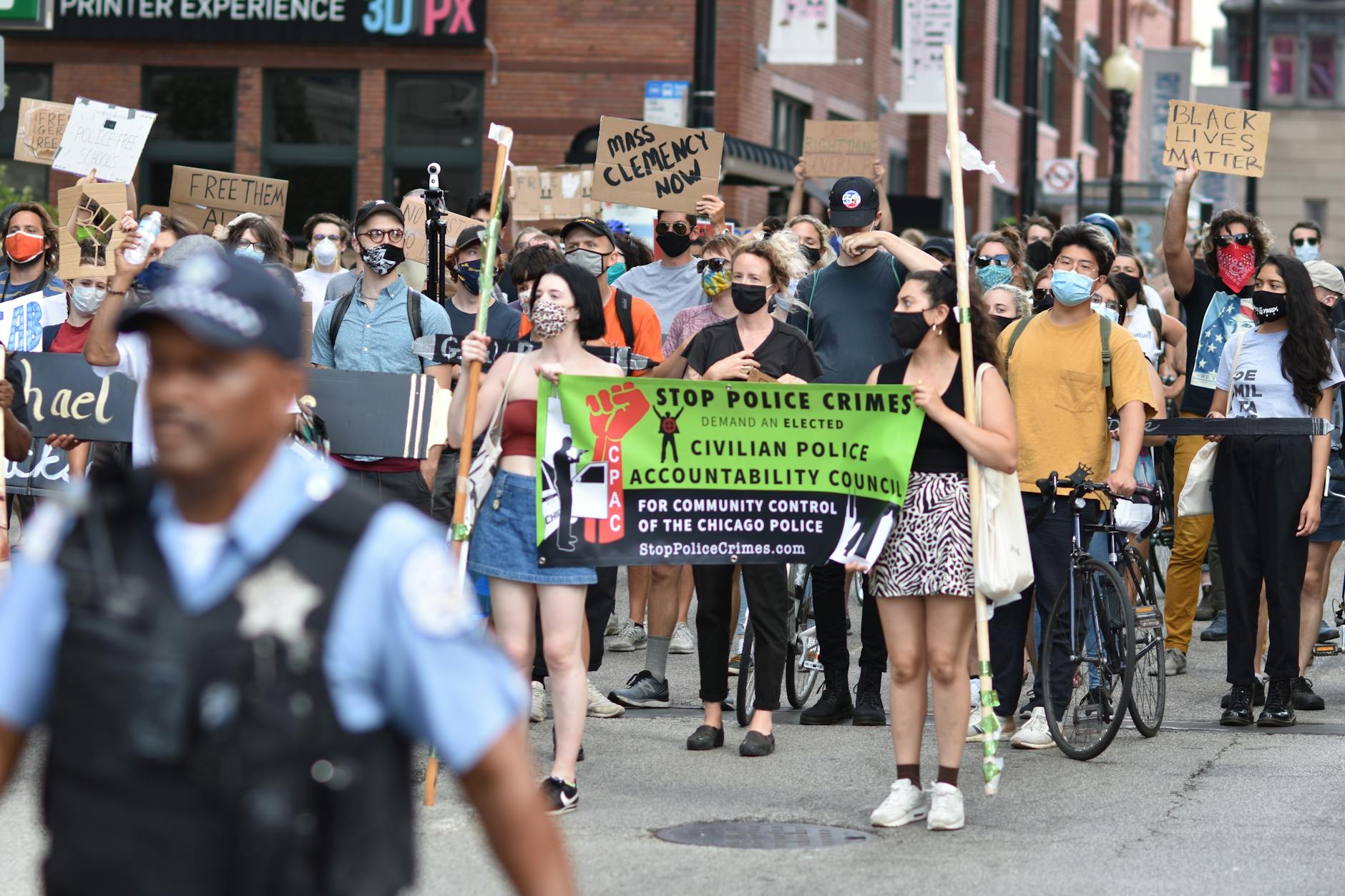
The landscape of police accountability is evolving, with technology and policy reforms paving the way for enhanced transparency and justice. Body-worn cameras, for instance, have shown promise in reducing use-of-force incidents by up to 50% in some departments, according to a study by the National Institute of Justice. This shift underscores the growing recognition of the need for objective documentation in police-civilian interactions.
Legal frameworks are also adapting to address systemic issues. The adoption of early warning systems and bias training programs reflects a proactive approach to identifying and mitigating problematic patterns in policing. These initiatives are crucial for ensuring that equal protection principles are upheld in daily police work.
Community engagement plays a pivotal role in shaping future accountability measures. Collaborative efforts between law enforcement and community members can foster trust and mutual understanding. Experts emphasize that this dialogue is essential for developing policies that resonate with the communities they serve.
As these developments unfold, the focus remains on creating a more equitable and accountable policing system. The integration of technology, policy reforms, and community involvement represents a holistic approach to achieving this goal. This multifaceted strategy is key to ensuring that equal protection principles are not just aspirational but actionable and impactful.
The Equal Protection Police Duty is rooted in the fundamental principle that all individuals must be treated equally under the law, with no discrimination based on race, gender, or other protected characteristics. Police officers are obligated to uphold this principle in their daily duties, ensuring fair and impartial enforcement of the law. To effectively implement these principles, law enforcement agencies should provide ongoing training and clear guidelines to officers, emphasizing the importance of unbiased decision-making. As society continues to evolve, the commitment to equal protection must remain steadfast, with law enforcement agencies adapting their practices to meet the changing needs of the communities they serve.
Need this answered for your specific case?
Get a flat-fee consultation with a verified U.S. immigration attorney. Engagement letter on every paid consult.
Related guides
This guide provides general legal information and does not create an attorney–client relationship. Information accurate as of July 2026. Always verify current USCIS guidance before acting.