
Law enforcement agencies worldwide are grappling with a staggering surge in fake passport crimes, with incidents tripling over the past five years. This alarming trend underscores the growing sophistication of criminal networks and the increasing ease with which fraudulent documents can be obtained or produced.
Fake passport crime involves the creation, alteration, or use of counterfeit passports for illegal activities. These activities range from identity theft and human trafficking to terrorism and money laundering. The repercussions of this crime extend far beyond individual victims, threatening national security and global stability. Understanding what is fake passport crime and its implications is crucial for travelers, businesses, and governments alike.
Understanding passport fraud basics
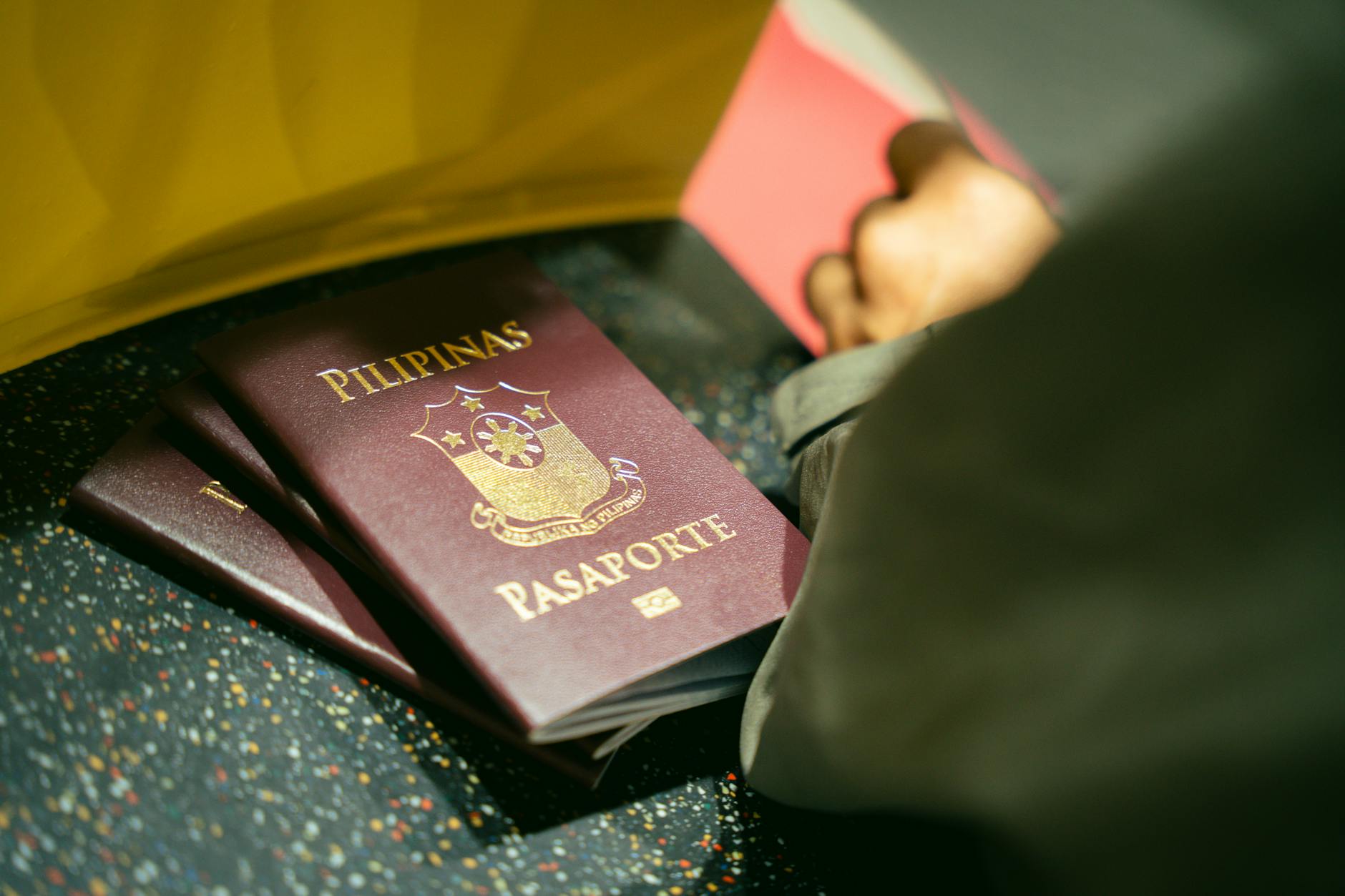
Fake passport crimes encompass a range of illegal activities involving the fraudulent creation, alteration, or use of passports. These crimes typically fall into three main categories: forgery, counterfeiting, and alteration. Forgery involves creating a completely fake passport, while counterfeiting replicates genuine passports. Alteration, on the other hand, modifies existing passports to change personal details or extend validity.
Criminals exploit fake passports for various purposes, including identity theft, human trafficking, and terrorism. According to a recent report, these crimes have surged by 300% in the past five years, highlighting the growing sophistication of criminal networks. The ease of access to advanced printing technologies and digital tools has contributed to this alarming trend.
A security expert notes that fake passport crimes often go hand-in-hand with other serious offenses. For instance, traffickers use fraudulent documents to smuggle victims across borders, while terrorists exploit them to evade detection. The interconnected nature of these crimes makes them particularly challenging to combat.
Law enforcement agencies worldwide are stepping up efforts to counter this threat. Advanced technologies, such as biometric verification and AI-driven fraud detection, are being deployed to identify and prevent the use of fake passports. However, the battle against these crimes remains ongoing, requiring constant vigilance and international cooperation.
Common methods used by criminals

Criminals employ a variety of methods to create and use fake passports, each with its own level of sophistication and risk. One common technique involves altering genuine passports, a process known as "passport washing." This method requires skill and access to legitimate documents, making it less common but highly effective. Perpetrators carefully remove the original information and replace it with false data, often using high-quality printing equipment to ensure authenticity.
Another prevalent method is the production of entirely counterfeit passports from scratch. This approach demands significant resources and expertise, as criminals must replicate the security features of genuine passports. According to a recent report by a leading international security agency, the quality of these forgeries has improved dramatically, making detection increasingly challenging for authorities. The use of advanced printing technologies and materials that mimic official passport components contributes to this trend.
Identity theft plays a crucial role in fake passport crimes. Criminals often steal personal information to create convincing forgeries. This can involve hacking into databases, stealing mail, or even posing as government officials to obtain sensitive information. The rise of digital identity theft has exacerbated this issue, providing criminals with new avenues to acquire the necessary data for creating fake passports.
Real-world consequences of fake passports
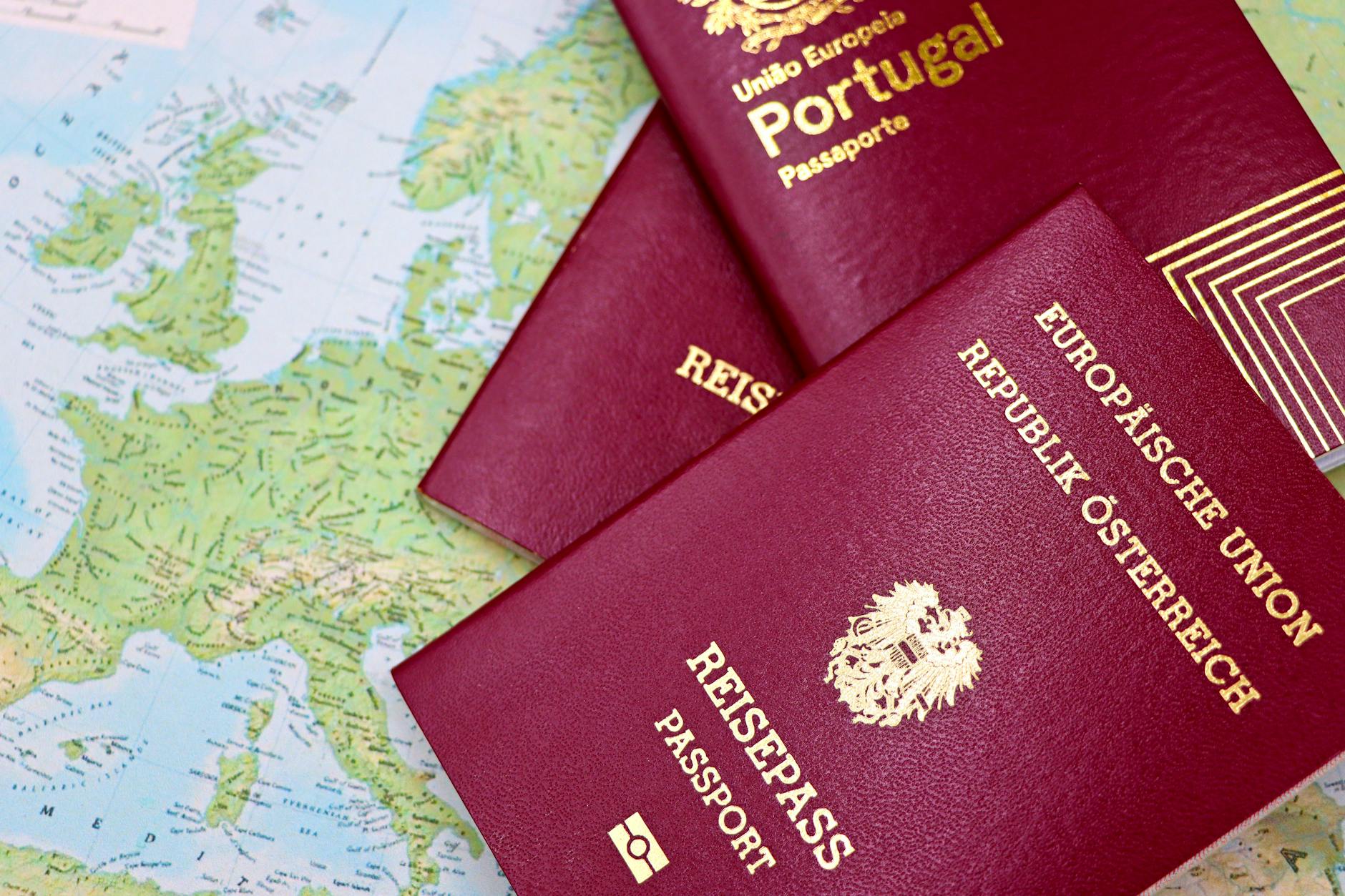
Fake passport crimes extend far beyond simple forgery. They create ripple effects that touch national security, international relations, and individual lives. Consider the case of a terrorist suspect slipping across borders using a counterfeit document. The consequences stretch from compromised investigations to potential loss of life.
Identity theft becomes another grim reality. Criminals exploit stolen or fabricated passports to open bank accounts, secure loans, or even assume entire identities. Victims often face years of legal battles to reclaim their names and credit. A single fake passport can leave a trail of financial devastation in its wake.
Immigration systems also bear the brunt. Border agencies struggle to detect sophisticated forgeries, leading to security breaches. According to a recent report, over 70% of intercepted fake passports contained advanced counterfeit features. This arms race between forgers and authorities shows no signs of slowing.
Human trafficking networks frequently rely on fake documents. Victims, often unaware of their status, cross borders legally on fraudulent passports. Experts warn that dismantling these operations requires international cooperation. The fight against fake passports isn't just about paper—it's about protecting people.
How authorities detect fraudulent documents

Law enforcement agencies employ a range of sophisticated techniques to detect fraudulent passports. Advanced imaging technology plays a crucial role, allowing authorities to scrutinize security features like holograms, watermarks, and microprinting that are often absent or poorly replicated in counterfeit documents. These tools can reveal discrepancies in paper quality, ink, or printing methods that trained officers might miss during a cursory examination.
Document verification systems also contribute significantly to fraud detection. These databases cross-reference passport details with international records, flagging inconsistencies that warrant further investigation. For instance, a passport issued by a country with no record of such issuance can trigger an alert. According to a report by Interpol, over 60 million travel documents were verified through these systems in 2022 alone, highlighting their critical role in combating document fraud.
Collaboration between international law enforcement agencies enhances the effectiveness of fraud detection efforts. Shared intelligence and coordinated operations help identify patterns and trends in passport forgery. Experts emphasize the importance of continuous training for border control officers to keep pace with evolving counterfeiting techniques. This proactive approach ensures that authorities remain one step ahead of criminals exploiting vulnerabilities in travel document security.
Emerging technologies to combat passport crime

Fake passport crime involves the creation, alteration, or misuse of genuine passports to facilitate illegal activities. These activities range from human trafficking to terrorism, with criminals exploiting vulnerabilities in passport systems worldwide. The rise of sophisticated printing technologies and digital manipulation tools has made these crimes increasingly difficult to detect. According to a recent report, fake passport crimes have surged by 300% in the past five years, highlighting the urgent need for advanced countermeasures.
Emerging technologies are at the forefront of the battle against passport fraud. Biometric passports, equipped with embedded microchips containing biometric data, offer a robust defense. These passports store fingerprints, facial recognition data, and other unique identifiers, making them nearly impossible to replicate. Experts emphasize that biometric passports significantly reduce the risk of identity theft and forgery.
Blockchain technology is another innovative solution gaining traction. By creating an immutable, decentralized ledger of passport transactions, authorities can track and verify the authenticity of passports in real-time. This technology ensures that any attempt to alter or forge a passport is immediately detected and flagged. The integration of blockchain into passport systems promises to revolutionize the way governments combat passport fraud.
Artificial intelligence (AI) plays a crucial role in enhancing passport security. AI algorithms can analyze vast amounts of data to identify patterns and anomalies that indicate potential fraud. Machine learning models continuously improve their accuracy, enabling border control agencies to detect forged documents with unprecedented precision. The use of AI in passport verification processes is becoming a standard practice in many countries.
Fake passport crimes represent a grave threat to national security and international travel safety, with the recent 300% surge in five years highlighting the urgent need for action. These crimes, involving the forgery, alteration, or misuse of passports, facilitate human trafficking, terrorism, and other serious offenses, making it crucial for governments and law enforcement agencies to prioritize prevention and detection efforts. Travelers should remain vigilant, verifying the authenticity of their documents and reporting any suspicious activities to authorities. As technology advances, so too must the strategies to combat these crimes, with international cooperation and innovative solutions key to staying ahead of criminals.
Need this answered for your specific case?
Get a flat-fee consultation with a verified U.S. immigration attorney. Engagement letter on every paid consult.
Related guides
This guide provides general legal information and does not create an attorney–client relationship. Information accurate as of July 2026. Always verify current USCIS guidance before acting.