
False allegations shatter lives, ruin reputations, and waste millions in legal resources. In the U.S. alone, false accusations account for up to 10% of all reported crimes, according to the National Registry of Exonerations. These fabricated claims can stem from malice, misunderstanding, or even mental health issues, but their impact is devastatingly real.
Understanding the crime of false allegations is crucial for anyone who values justice and fairness. A false allegation crime occurs when an individual knowingly makes a false report of a crime, often to frame an innocent person or to divert attention from their own wrongdoing. This crime extends beyond personal vendettas; it undermines public trust in legal systems and diverts critical resources from genuine victims. Recognizing the gravity of false allegations empowers individuals to advocate for truth and accountability in their communities.
Defining False Allegation Crimes

False allegation crimes occur when an individual knowingly makes a false report of a criminal offense. These allegations can range from minor infractions to serious crimes, including sexual assault, domestic violence, or even homicide. The key element is the deliberate intent to deceive, distinguishing it from honest mistakes or misunderstandings.
According to the National District Attorneys Association, false allegations complicate the criminal justice system, diverting resources from legitimate cases. They also inflict significant harm on the falsely accused, often leading to reputational damage and emotional distress. The severity of the alleged crime can exacerbate these consequences, making false allegations particularly damaging in cases involving sexual violence or other sensitive matters.
Legal experts emphasize that false allegations are relatively rare, but their impact is profound. Studies suggest that false reports account for a small percentage of overall allegations, typically ranging from 2% to 10%, depending on the type of crime. Despite their rarity, these cases demand careful investigation to ensure justice for both the accused and the victims of genuine crimes.
Identifying false allegations requires thorough scrutiny of evidence, witness testimonies, and any available documentation. Law enforcement and prosecutors must balance the need for diligent investigation with the presumption of innocence. This delicate process ensures that false allegations do not result in wrongful convictions or the dismissal of legitimate cases.
Common Scenarios and Perpetrators

False allegations of crime can emerge in various contexts, often leaving lasting damage to the accused. One common scenario occurs in domestic disputes, where emotions run high and accusations may be weaponized. These situations can escalate quickly, with false claims of assault or abuse surfacing as leverage in custody battles or divorce proceedings. Studies indicate that up to 10% of domestic violence reports may be false, according to general research on the topic.
Workplace environments also provide fertile ground for false allegations. Colleagues or supervisors might falsely accuse others of harassment or misconduct to gain an advantage, settle personal scores, or avoid accountability. The anonymity of digital communication can exacerbate this issue, as false claims spread rapidly through emails or messaging platforms.
Law enforcement encounters present another critical scenario. Individuals may falsely accuse officers of excessive force or misconduct to discredit their authority or avoid legal consequences. These allegations can tarnish an officer's reputation and undermine public trust in law enforcement institutions.
In some cases, false allegations stem from mental health issues or misunderstandings. A person experiencing a mental health crisis might misinterpret events or fabricate accusations due to delusions or paranoia. While these situations require compassion, they still pose serious challenges for the accused and the justice system.
Impact on Victims and the Justice System
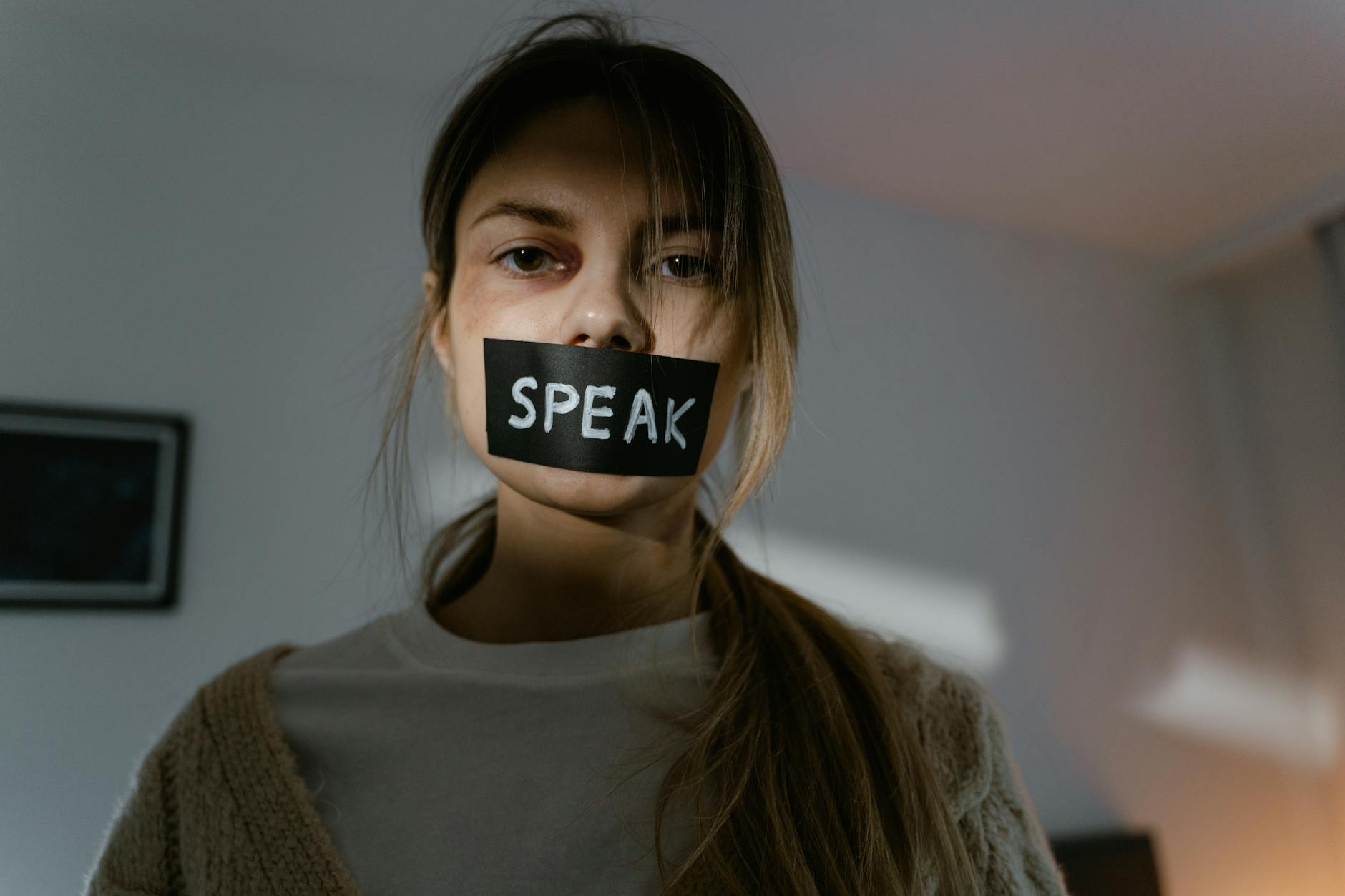
The repercussions of false allegations extend far beyond the initial accusation, leaving deep scars on victims and straining the justice system. Victims often face public scrutiny, damage to their reputation, and emotional distress. The wrongful accusation can lead to loss of employment, strained personal relationships, and long-term psychological effects. A study by the National Center for Victims of Crime found that false allegations can cause symptoms similar to post-traumatic stress disorder in victims.
False allegations also divert valuable resources from the justice system. Law enforcement and legal professionals must invest time and effort into investigating and prosecuting baseless claims. This diversion of resources can delay justice for genuine victims and overwhelm an already burdened system. The financial cost of these false accusations is substantial, with taxpayers often footing the bill for lengthy and unnecessary legal proceedings.
Expert witnesses and legal analysts emphasize the importance of thorough investigations to prevent false allegations from progressing too far. They argue that the justice system must balance the need to protect victims of genuine crimes with the need to safeguard the rights of the accused. This delicate balance is crucial to maintaining public trust in the legal system.
False allegations can also have a chilling effect on society, discouraging individuals from coming forward with legitimate claims. When false accusations are made, it can create skepticism and doubt, making it harder for real victims to seek justice. This ripple effect underscores the need for careful handling of all allegations to preserve the integrity of the justice system.
Legal Consequences and Challenges

False allegations can have serious legal consequences for the accused. When a person is wrongfully accused of a crime, the legal system must determine the validity of the claims. If the allegations are proven false, the accuser may face legal repercussions. These can range from civil lawsuits for defamation to criminal charges in some jurisdictions. The severity of the consequences often depends on the nature of the false allegation and the intent behind it.
One of the primary challenges in cases involving false allegations is the burden of proof. The accused must often prove their innocence, which can be a daunting task. According to legal experts, this burden can lead to significant emotional and financial strain. The accused may suffer reputational damage even if they are ultimately cleared of the charges. This underscores the importance of thorough investigations and fair legal processes.
Another critical challenge is the impact on the legal system. False allegations can divert resources away from genuine cases, delaying justice for victims of actual crimes. Courts and law enforcement agencies must balance the need to protect the innocent with the need to support legitimate victims. This delicate balance requires careful consideration and impartial judgment.
In some cases, false allegations can lead to wrongful convictions. Innocent individuals may spend years in prison before their innocence is proven. The consequences of such miscarriages of justice are profound, affecting not only the wrongfully convicted but also their families and communities. Efforts to prevent false allegations and ensure fair trials are essential to maintaining public trust in the legal system.
Preventing and Addressing False Allegations

False allegations can have devastating consequences, not only for the accused but also for the justice system. To prevent these situations, communities must foster open dialogue about the seriousness of making false accusations. Education plays a pivotal role in this process. Schools and community organizations can implement programs that teach individuals about the legal and ethical implications of false allegations. By promoting awareness, these initiatives help create a culture of accountability and respect for the truth.
Addressing false allegations requires a proactive approach from law enforcement and judicial systems. Officers and prosecutors must thoroughly investigate each case, ensuring that evidence supports the claims made. According to a study by the National Institute of Justice, false allegations account for approximately 2-10% of reported crimes, highlighting the need for diligent scrutiny. By maintaining high standards of investigation, authorities can help prevent the wrongful conviction of innocent individuals.
Victims of false allegations often face significant emotional and financial burdens. Support systems, such as counseling services and legal aid, can provide crucial assistance during these challenging times. Additionally, public advocacy groups can raise awareness about the impact of false allegations, encouraging policy changes that protect the rights of the accused. Through collective effort, society can work towards reducing the occurrence of false allegations and ensuring justice for all.
False allegations are serious crimes that can have devastating impacts on the accused, the justice system, and society as a whole. They erode public trust, waste valuable resources, and can cause irreparable harm to innocent individuals. To combat this issue, it is crucial for communities to promote awareness and education about the consequences of false allegations, encouraging responsible reporting and accountability. Moving forward, continued efforts in legal reform and public advocacy will be essential to address and mitigate the prevalence of false allegations in our justice system.
Need this answered for your specific case?
Get a flat-fee consultation with a verified U.S. immigration attorney. Engagement letter on every paid consult.
Related guides
This guide provides general legal information and does not create an attorney–client relationship. Information accurate as of July 2026. Always verify current USCIS guidance before acting.