
Behind closed doors and under the guise of legitimate business, a grim industry thrives. Human trafficking generates billions annually, making it the third-largest international crime. It is a global scourge that preys on the vulnerable, leaving devastation in its wake. The crime of human trafficking involves the recruitment, transportation, transfer, harboring, or receipt of people through force, fraud, or deception for the purpose of exploitation. This exploitation can take many forms, including forced labor, sexual exploitation, and even organ removal. Victims are often lured with false promises of employment or a better life, only to find themselves trapped in inhumane conditions.
Understanding what is human trafficking crime is crucial, as it affects communities worldwide. It is not just an issue for law enforcement or policymakers; it is a problem that touches everyone. Human trafficking strips individuals of their dignity and freedom, leaving lasting scars on victims and their families. What is human trafficking crime becomes clear when examining the stories of survivors. They recount tales of abuse, coercion, and control, painting a stark picture of the crime's true nature. Recognizing the signs and understanding the mechanisms of this crime empowers individuals to take action, whether by reporting suspicious activity or advocating for stronger laws and protections.
Understanding the global scourge

Human trafficking stands as one of the most heinous crimes of our time, a shadowy enterprise that preys on the vulnerable. At its core, this crime involves the recruitment, transportation, transfer, harboring, or receipt of people through force, fraud, or deception, with the intent to exploit them. Victims are often lured with false promises of employment, education, or love, only to find themselves trapped in situations of forced labor, sexual exploitation, or other forms of modern slavery.
According to the United Nations Office on Drugs and Crime, an estimated 25 million people worldwide are victims of human trafficking. This staggering figure underscores the global scale of the problem, which transcends borders and affects both developed and developing nations alike. The International Labor Organization estimates that forced labor alone generates $150 billion in illegal profits annually, a grim testament to the lucrative nature of this criminal enterprise.
Human trafficking manifests in various forms, each with its own devastating consequences. Labor trafficking, for instance, subjects victims to grueling work conditions in industries such as agriculture, construction, and domestic work. Sexual exploitation, another prevalent form, forces individuals into prostitution or pornography against their will. Organ trafficking, though less common, involves the illegal removal of organs for profit, often with fatal consequences for the victim.
Experts agree that understanding the complexities of human trafficking is crucial to combating it effectively. The crime often operates in the shadows, making it difficult to detect and prosecute. However, increased awareness, robust legislation, and international cooperation can help dismantle trafficking networks and bring perpetrators to justice. The fight against human trafficking requires a collective effort from governments, law enforcement agencies, and civil society to ensure that victims receive the protection and support they deserve.
Forms of modern-day slavery
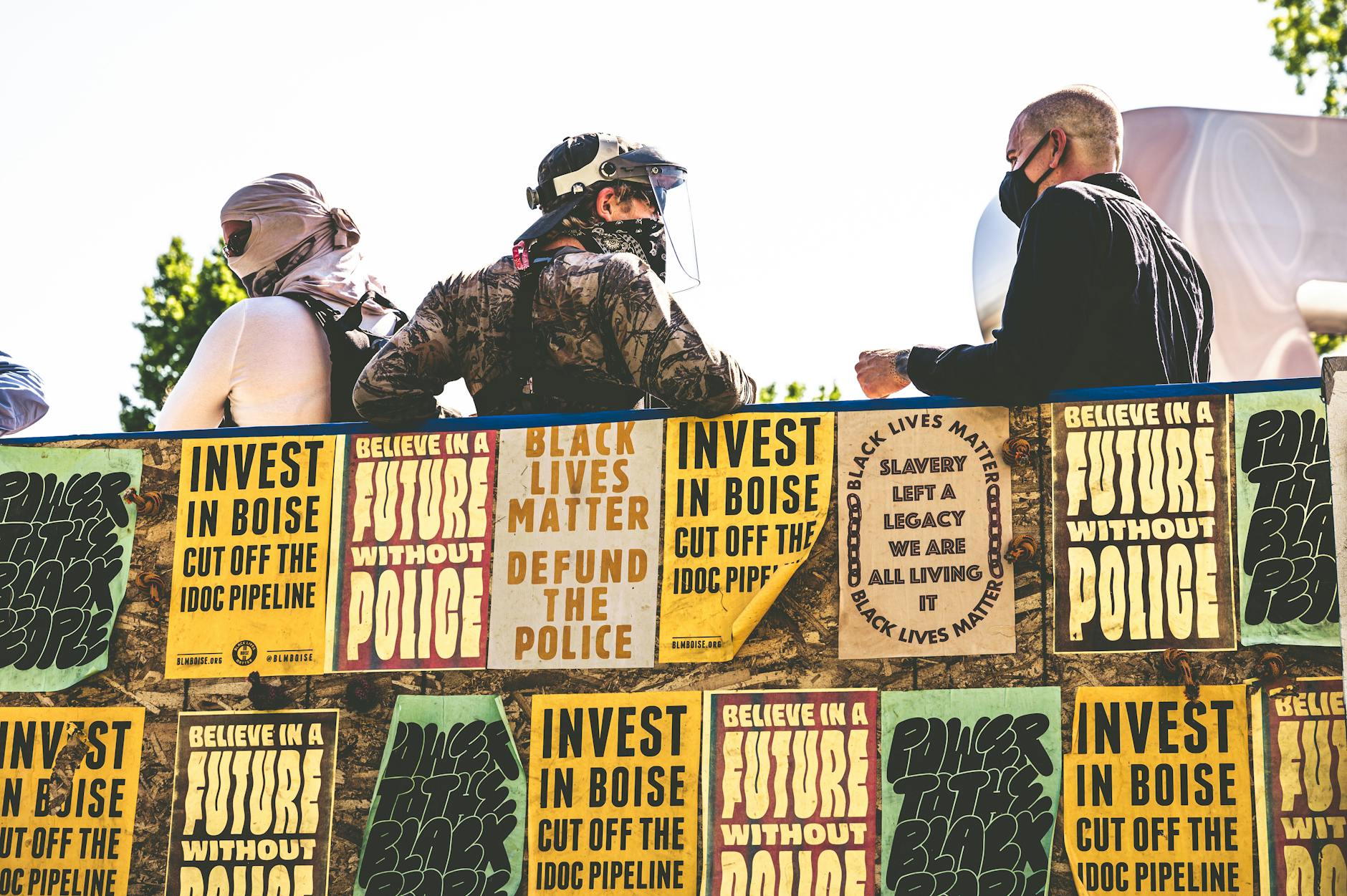
Modern-day slavery manifests in various forms, each stripping victims of their freedom and dignity. Forced labor remains pervasive, with victims coerced into working under brutal conditions in industries like agriculture, construction, and manufacturing. According to the International Labour Organization, an estimated 25 million people are trapped in forced labor globally. This exploitation often goes unnoticed, hidden behind closed doors or within seemingly legitimate businesses.
Sex trafficking is another horrific form of modern slavery, with victims—often women and children—forced into sexual exploitation. Traffickers use violence, threats, and psychological manipulation to control their victims, who are then subjected to repeated abuse. This crime thrives in the shadows, facilitated by online platforms and the demand for commercial sex.
Bonded labor, or debt bondage, traps victims in cycles of debt they can never repay. Families, often from impoverished backgrounds, are lured with promises of jobs or loans, only to find themselves trapped in servitude. This form of slavery is particularly prevalent in South Asia, where entire families can be enslaved for generations.
Child slavery is a particularly heartbreaking manifestation, with children forced into labor, combat, or sexual exploitation. The United Nations estimates that around 152 million children are subjected to child labor, with many trapped in slavery. These children are robbed of their childhoods, education, and futures, highlighting the urgent need for global action.
Traffickers' tactics and targets

Human traffickers employ a range of deceptive tactics to recruit and control their victims. They often prey on vulnerable individuals, exploiting economic hardship, social instability, or personal crises. Traffickers may promise well-paying jobs, educational opportunities, or romantic relationships to lure victims into their schemes. Once trapped, victims face coercion, fraud, and violence, making escape nearly impossible.
Children and young adults are particularly susceptible to trafficking. According to the United Nations, nearly one-third of identified trafficking victims are children. Traffickers target them through social media, fake job offers, or even trusted acquaintances. The anonymity of the internet allows traffickers to operate with relative impunity, making it difficult for authorities to track and apprehend them.
Victims of human trafficking come from diverse backgrounds. While some are forced into labor or sexual exploitation, others are subjected to forced marriages or organ harvesting. Traffickers often operate across borders, taking advantage of legal loopholes and weak law enforcement in certain regions. This transnational nature of trafficking complicates efforts to combat the crime effectively.
Experts emphasize the importance of public awareness and education in combating human trafficking. Understanding the tactics used by traffickers can help potential victims recognize the signs of exploitation. Communities must remain vigilant and report suspicious activities to authorities. Collaboration between international organizations, law enforcement agencies, and local communities is crucial in dismantling trafficking networks and rescuing victims.
Combating trafficking through awareness

Awareness campaigns play a crucial role in combating human trafficking. They shine a light on this hidden crime, helping communities recognize its signs. Posters, social media, and workshops educate people about trafficking indicators. These efforts empower individuals to report suspicious activities.
Education is key. Schools and workplaces integrate trafficking awareness into their programs. Experts emphasize the importance of understanding vulnerability factors. Poverty, lack of education, and social isolation often make individuals targets. Recognizing these risks helps prevent exploitation.
A 2020 report by the International Labour Organization revealed that 25% of trafficking victims were children. This stark statistic underscores the urgency of awareness efforts. Communities must remain vigilant to protect the most vulnerable. Early intervention can save lives.
Awareness also combats misconceptions. Many believe trafficking only occurs in certain regions or involves physical force. In reality, traffickers use psychological manipulation and false promises. Understanding these tactics helps people identify and intervene in trafficking situations.
Hope for eradication through innovation

Innovation offers a glimmer of hope in the fight against human trafficking. Technological advancements have enabled law enforcement agencies to track and disrupt trafficking networks more effectively. For instance, data analytics and artificial intelligence help identify patterns and predict trafficking routes. These tools have become indispensable in the global effort to dismantle criminal operations.
Non-profit organizations are also leveraging technology to combat trafficking. Apps and hotlines provide victims with discreet ways to seek help. One such initiative has reportedly assisted over 10,000 individuals in escaping exploitation. Such innovations are crucial in reaching victims who might otherwise remain hidden.
Collaboration between tech companies and anti-trafficking organizations is yielding promising results. Blockchain technology, for example, ensures transparent supply chains, making it harder for traffickers to operate within legitimate businesses. These partnerships are pivotal in creating a safer, more accountable global economy.
Despite these advancements, challenges remain. Traffickers continually adapt, exploiting new technologies for their illicit activities. However, the relentless pursuit of innovation keeps the fight against human trafficking dynamic and hopeful. Experts emphasize that sustained investment in technology and cross-sector collaboration is key to eradicating this crime.
Human trafficking is a grave violation of human rights, ensnaring 25 million people globally in modern-day slavery. It thrives on exploitation, coercion, and deception, manifesting in various forms such as forced labor, sexual exploitation, and organ trafficking. To combat this crime, governments, organizations, and individuals must prioritize awareness campaigns, support victim protection programs, and strengthen legal frameworks. The fight against human trafficking demands collective effort and unwavering commitment. Together, we can strive towards a future where every individual is free from the shackles of exploitation and abuse.
Need this answered for your specific case?
Get a flat-fee consultation with a verified U.S. immigration attorney. Engagement letter on every paid consult.
Related guides
This guide provides general legal information and does not create an attorney–client relationship. Information accurate as of July 2026. Always verify current USCIS guidance before acting.