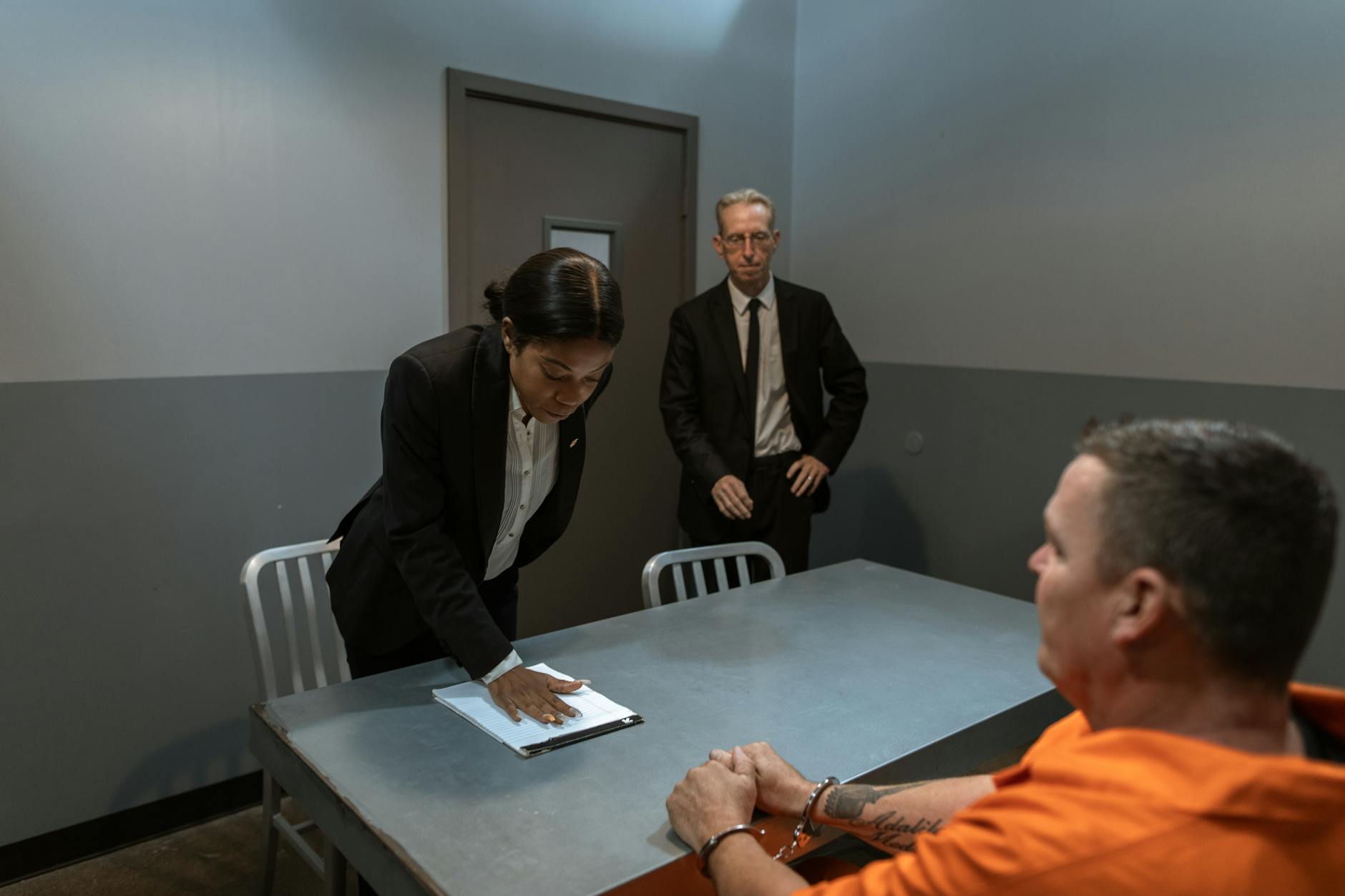
The criminal justice system is a complex process, with critical stages unfolding long before a defendant ever sets foot in a courtroom. Over 10 million arrests occur annually in the United States, each triggering a series of events that shape the course of a criminal case. Understanding what happens before a criminal trial is essential for anyone navigating the legal system or simply seeking to comprehend its workings.
What happens before a criminal trial is a series of carefully orchestrated steps designed to ensure a fair and just process. From the moment an arrest is made, law enforcement and legal professionals work to gather evidence, interview witnesses, and build a case. For the accused, this pre-trial phase can be a time of uncertainty and confusion. Knowing what happens before a criminal trial can demystify the process, providing clarity and insight into the mechanisms that drive the criminal justice system.
Understanding the Arrest Process
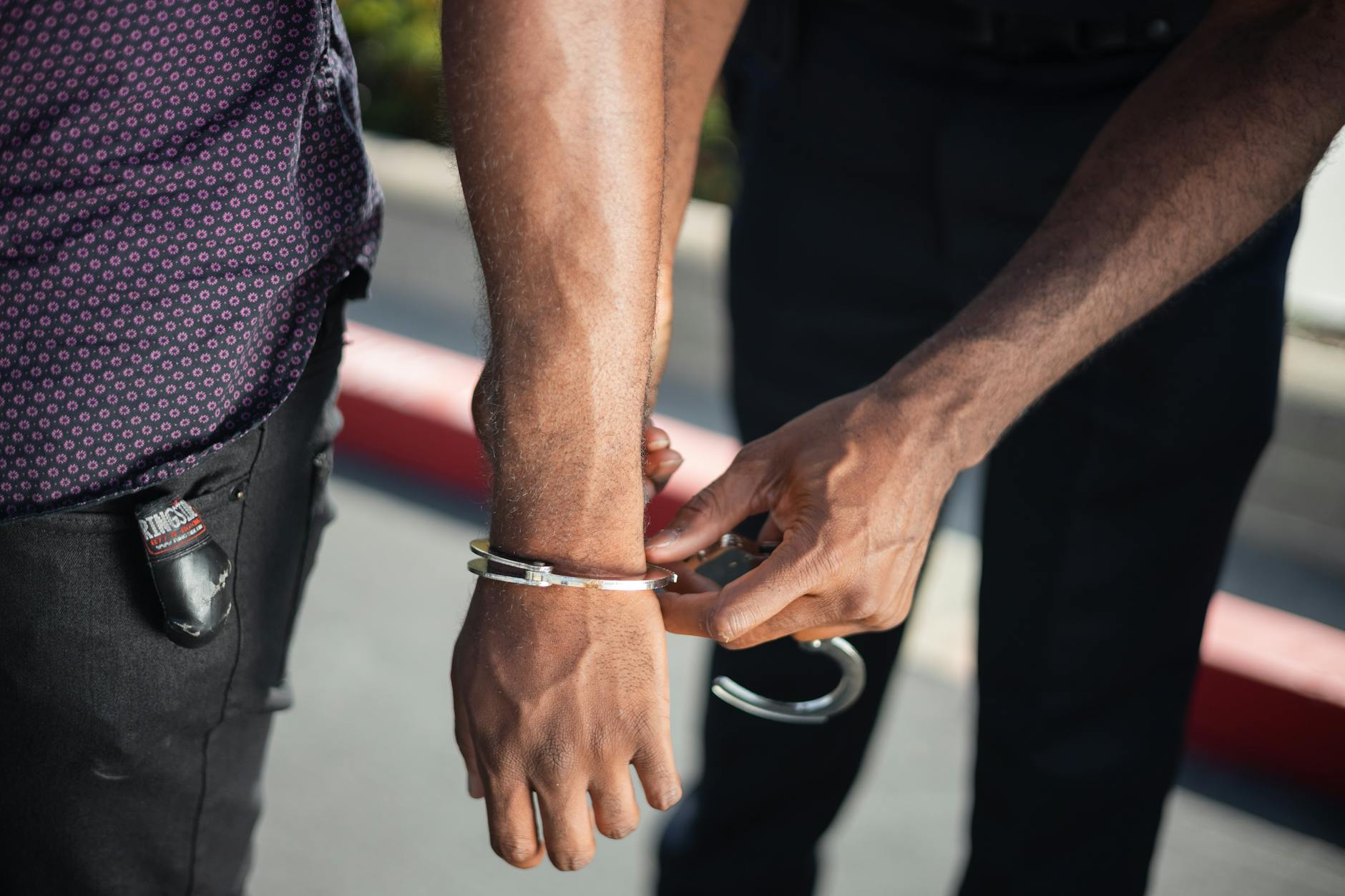
The arrest process marks the beginning of the criminal justice journey. When law enforcement has probable cause, they take a suspect into custody. This initial step triggers a series of events that set the stage for what comes next. The suspect is informed of their rights, including the right to remain silent and the right to an attorney. This Miranda warning is a critical safeguard ensuring the individual understands their legal protections.
After an arrest, the suspect is typically taken to a police station for booking. This process involves fingerprinting, photographing, and recording personal information. According to the American Bar Association, this step is crucial for creating an official record of the arrest. The duration of this process can vary, but it generally takes a few hours. During this time, the suspect may be held in custody or released on bail, depending on the severity of the charges.
Following booking, the suspect appears before a judge for an initial hearing. This hearing, often called an arraignment, is where the charges are formally presented. The judge determines whether there is enough evidence to proceed with the case. If so, the suspect may be required to enter a plea. This step is pivotal as it sets the tone for the subsequent legal proceedings.
Throughout this process, the suspect has the right to legal representation. An attorney can provide guidance, negotiate with prosecutors, and ensure the suspect's rights are protected. The arrest process, while stressful, is a structured series of steps designed to uphold justice and fairness. Understanding these steps can help individuals navigate the complexities of the criminal justice system with greater clarity and confidence.
Initial Court Appearances Explained

When a person is arrested for a crime, the first court appearance typically occurs within 48 hours. This initial hearing, often called an arraignment, serves several critical purposes. The judge informs the defendant of the charges, ensures they understand their rights, and sets bail if appropriate. According to the American Bar Association, this early stage is crucial for establishing the legal process and protecting the defendant's rights.
During the arraignment, the defendant enters a plea: guilty, not guilty, or no contest. Most defendants plead not guilty at this stage, which allows the case to proceed to further pretrial proceedings. The judge may also address any immediate issues, such as ensuring the defendant has legal representation. This step is relatively brief, often lasting no more than 15 to 30 minutes.
Following the arraignment, the case moves to pretrial conferences or motions hearings. These sessions allow both the prosecution and defense to present arguments and evidence. The goal is to resolve any legal issues before the trial begins, which can streamline the process and potentially lead to a plea bargain.
Initial court appearances set the foundation for the entire criminal trial process. They ensure that the defendant's rights are upheld and that the legal proceedings move forward efficiently. Understanding these steps can help defendants and their families navigate the complex journey through the criminal justice system.
Evidence Collection and Analysis
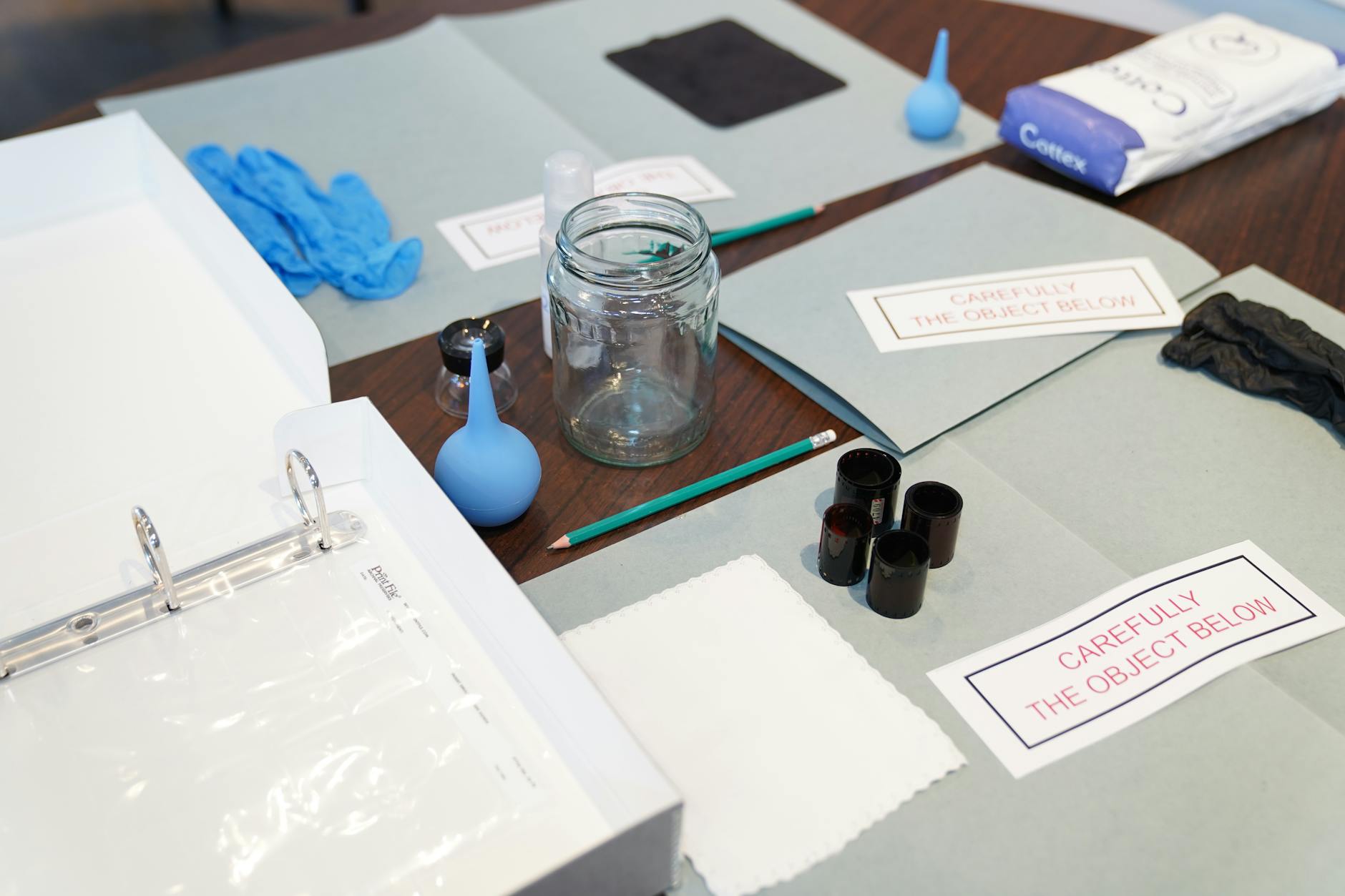
Evidence collection forms the backbone of any criminal case. Law enforcement officers meticulously gather physical evidence, such as weapons, documents, or digital data, from crime scenes. Witness statements and victim accounts also play crucial roles. According to the National Institute of Justice, proper evidence handling can significantly impact the outcome of a trial. Every piece of evidence must be documented, preserved, and stored securely to maintain its integrity.
Forensic analysis transforms raw evidence into actionable insights. Crime labs examine physical evidence for fingerprints, DNA, or other trace materials. Ballistics experts analyze firearms and ammunition. Digital forensics specialists recover data from computers and mobile devices. These analyses help investigators reconstruct events and identify suspects. The process demands precision and adherence to strict protocols to ensure accuracy.
Law enforcement agencies often collaborate with external experts. Pathologists determine causes of death. Psychologists assess the mental state of suspects. Accountants trace financial transactions. Each expert contributes specialized knowledge to build a comprehensive case. Their findings must withstand rigorous scrutiny in court.
Prosecutors review collected evidence to decide whether to file charges. They assess its strength, relevance, and admissibility. Weak or insufficient evidence may lead to case dismissal. Strong evidence supports a solid prosecution strategy. This phase sets the stage for the trial, influencing its direction and potential outcome.
Plea Bargaining Basics

Plea bargaining often occurs early in the criminal process. It involves negotiations between the prosecution and defense to resolve the case without a trial. The defendant typically agrees to plead guilty to a lesser charge or receive a reduced sentence in exchange for cooperation. This process can expedite case resolution and reduce court backlog.
According to a study by the National Association of Criminal Defense Lawyers, about 90% of federal cases and 95% of state cases are resolved through plea bargains. The process begins with the prosecution offering a deal, which the defense may accept, reject, or counter. Both sides must agree on the terms before a judge approves the agreement.
Defendants should consult with their attorneys before accepting any plea deal. An experienced criminal defense attorney can assess the strength of the prosecution's case and negotiate more favorable terms. Accepting a plea bargain means waiving the right to a trial, so defendants must understand the implications fully.
Judges play a crucial role in the plea bargaining process. They must ensure the defendant understands the charges and rights being waived. If the judge finds the plea bargain unfair or coerced, they can reject the agreement. This safeguard protects defendants' rights and ensures justice is served.
Preparing for Trial Day

The days leading up to a criminal trial can be intense. Both defense and prosecution teams finalize their strategies. Witnesses receive last-minute instructions. Evidence undergoes meticulous review. According to legal experts, thorough preparation significantly improves trial outcomes. A well-prepared attorney can anticipate opposing arguments and adjust tactics accordingly.
Defense attorneys often meet with their clients extensively. They review trial strategies, potential witness testimonies, and evidence. This preparation helps clients understand the process and reduces anxiety. Prosecutors, meanwhile, ensure all evidence meets legal standards. They confirm witnesses are ready to testify and prepare rebuttals to defense arguments.
Court personnel also play a crucial role. They organize documents, notify jurors, and coordinate logistics. A study by the National Center for State Courts found that efficient court management leads to smoother trials. Judges review pre-trial motions and rulings. They ensure both sides adhere to legal procedures. This groundwork sets the stage for a fair and orderly trial.
Technology has transformed trial preparation. Digital case management systems streamline evidence organization. Video conferencing allows remote witness preparation. These tools enhance efficiency and accuracy. However, attorneys must remain adaptable. Last-minute changes, such as witness unavailability or new evidence, can arise. Flexibility and quick thinking are essential.
The criminal trial process begins long before a defendant steps into the courtroom, with critical steps like arrest, bail hearings, and pretrial motions shaping the case's trajectory. Understanding these preliminary stages empowers defendants, victims, and the public to navigate the system more effectively. Individuals involved in criminal cases should consult with legal professionals early to ensure their rights are protected and to strategize effectively. As legal procedures continue to evolve, staying informed about these preliminary steps will remain vital for anyone interacting with the criminal justice system.
Need this answered for your specific case?
Get a flat-fee consultation with a verified U.S. immigration attorney. Engagement letter on every paid consult.
Related guides
This guide provides general legal information and does not create an attorney–client relationship. Information accurate as of July 2026. Always verify current USCIS guidance before acting.