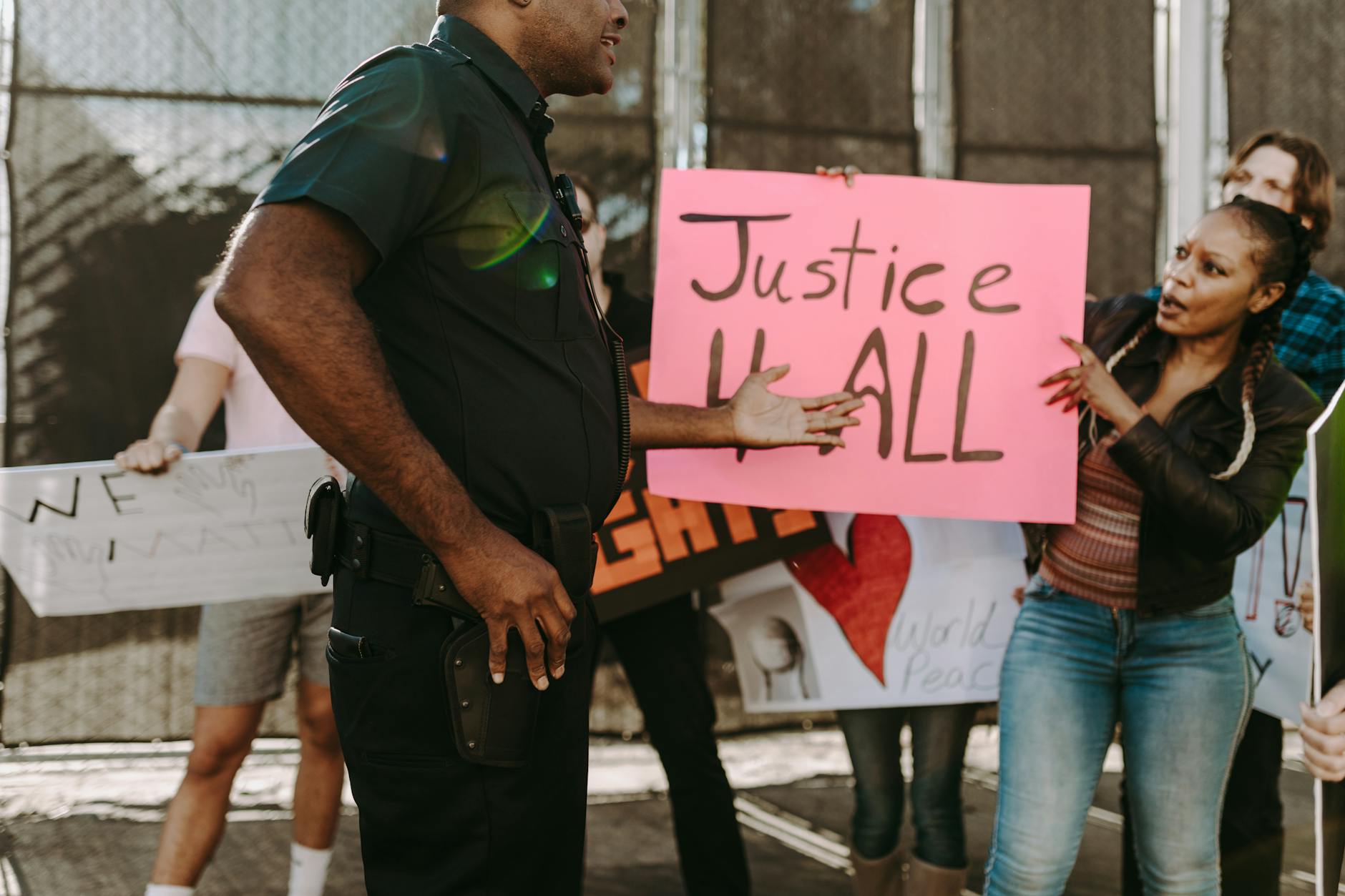
In the United States, police officers fatally shoot nearly 1,000 people each year. These incidents leave communities reeling and raise critical questions about accountability and justice. Knowing what to do in the aftermath of such events is crucial for those affected and their advocates. What are citizen rights after police shooting incidents? Understanding these rights can empower individuals to seek justice and hold law enforcement accountable.
When police use lethal force, citizens have specific rights that protect their ability to seek answers and redress. What are citizen rights after police shooting incidents? They include the right to record police activity, the right to know when an officer has been involved in a shooting, and the right to file complaints. These rights are not just legal technicalities; they are essential tools for ensuring transparency and justice. Knowing these rights can make a significant difference in the aftermath of a traumatic event.
Understanding police use of force policies

Police use of force policies vary by department, but all law enforcement agencies in the U.S. operate under guidelines that dictate when and how officers can use force. Citizens have the right to know these policies, as they outline the circumstances under which police can use different levels of force, including deadly force. Understanding these policies helps individuals recognize when an officer's actions may have violated protocol.
A critical aspect of these policies is the concept of "objective reasonableness," a standard set by the Supreme Court. This means officers must use force that a reasonable officer would consider necessary given the circumstances. According to a report by the Police Executive Research Forum, only about 15% of police departments have policies that fully comply with this standard. Citizens should familiarize themselves with their local department's policies to better understand their rights.
In the aftermath of a police shooting, citizens have the right to demand transparency. This includes access to body camera footage, incident reports, and any disciplinary actions taken against the officer involved. Advocacy groups and legal experts emphasize the importance of community involvement in reviewing and influencing these policies. By staying informed and engaged, citizens can help ensure that police use of force policies protect both public safety and individual rights.
Immediate actions to take at the scene
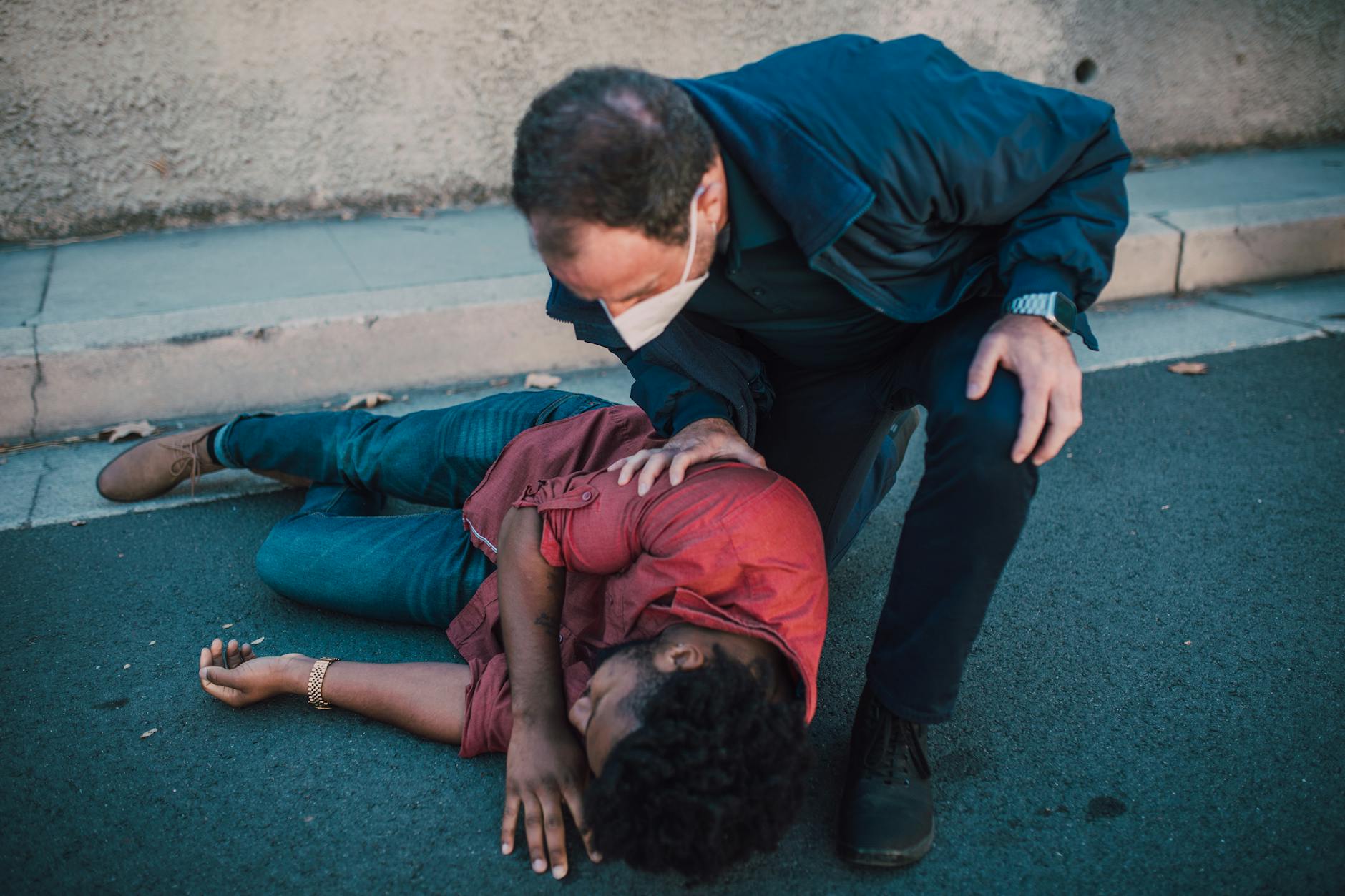
The first priority after a police shooting is ensuring safety. Witnesses should immediately move to a secure location and call 911. Law enforcement agencies report that quick, clear communication with emergency services can significantly improve response times. Remain calm and provide precise details about the incident, including the number of officers involved and any immediate medical needs.
Documenting the scene is crucial. Use a smartphone to record videos or take photos from a safe distance. The American Civil Liberties Union emphasizes that visual evidence can be vital for investigations. However, avoid interfering with police operations or putting yourself at risk. Stay at least 30 feet away from the scene, as recommended by most law enforcement guidelines.
Identify other witnesses. Exchange contact information with people who saw the incident. Their testimonies can corroborate your account. According to a study by the National Institute of Justice, multiple witness accounts often provide a more accurate picture of events. Be respectful and non-confrontational when approaching others.
Do not engage with officers actively responding to the scene. Remain silent if questioned, except to provide basic identification if required. The Supreme Court has ruled that individuals have the right to remain silent during police interactions. Wait for legal counsel before making any formal statements. This precaution can protect your rights and ensure a fair investigation.
Documenting evidence and witness accounts

In the aftermath of a police shooting, documenting evidence and gathering witness accounts becomes crucial. Citizens have the right to record incidents involving law enforcement, as affirmed by the American Civil Liberties Union. This right helps ensure accountability and provides valuable evidence for investigations. Photos, videos, and audio recordings can capture critical details that might otherwise go unnoticed.
Witnesses play a pivotal role in these situations. Their accounts can offer different perspectives and fill in gaps left by physical evidence. Encourage witnesses to come forward and share their experiences with investigators. According to a study by the National Institute of Justice, eyewitness testimony can significantly impact the outcome of investigations. However, witnesses should remain calm and avoid interfering with police operations.
Preserving evidence at the scene is equally important. Avoid touching or moving any objects that might be relevant to the investigation. If possible, note the exact locations of items and take clear, unobstructed photos. This helps maintain the integrity of the scene and provides a more accurate representation of events. Citizens should also record the names and badge numbers of all officers involved.
Finally, citizens should share their evidence and accounts with legal representatives or advocacy groups. Organizations specializing in police accountability can provide guidance on how to present evidence effectively. They can also help protect witnesses from potential retaliation. By documenting evidence and gathering witness accounts, citizens contribute to a fair and thorough investigation.
Legal protections for victims and families
Victims of police shootings and their families possess specific legal protections under U.S. law. The Civil Rights Act of 1871, also known as Section 1983, allows individuals to sue law enforcement officers or government entities for violations of constitutional rights. This includes the right to be free from unreasonable seizures and excessive force under the Fourth Amendment. Families may also pursue wrongful death claims if a loved one is killed in a police shooting.
A critical aspect of these cases is the concept of "qualified immunity," which shields officers from liability unless they violate clearly established statutory or constitutional rights. This doctrine has made it challenging for victims to prevail in lawsuits, but recent legal developments and public pressure have led to increased scrutiny of its application. According to a 2020 study by the Washington Post, qualified immunity was invoked in nearly 40% of cases involving police misconduct.
Victims and their families should document all interactions with law enforcement and seek legal counsel promptly. Evidence such as body camera footage, witness statements, and medical records can be crucial in building a case. Legal experts emphasize the importance of acting quickly, as statutes of limitations vary by state and can affect the ability to file a claim.
Seeking justice through legal channels

When police shootings occur, citizens often feel powerless. However, legal avenues exist to seek justice and accountability. The first critical step is to document everything. Witnesses should record videos, take photographs, and gather contact information. This evidence can prove invaluable in legal proceedings. According to the American Civil Liberties Union, having multiple accounts of the incident strengthens the case significantly.
Victims' families and witnesses should also report the incident to independent oversight bodies. Many cities have civilian review boards that investigate police misconduct. These boards operate independently from police departments, providing a crucial layer of accountability. Filing a complaint with these bodies can initiate an official investigation. It's essential to act promptly, as delays can hinder the process.
Legal representation plays a pivotal role in navigating the complexities of police shooting cases. Attorneys specializing in civil rights can help victims and their families understand their rights and options. They can file lawsuits for wrongful death or excessive force, seeking compensation and policy changes. The process can be lengthy and emotionally taxing, but having experienced legal counsel can make a substantial difference in the outcome.
Understanding your rights in the aftermath of a police shooting is crucial for ensuring justice and accountability. Citizens have the right to record police activity, demand transparency, and seek legal counsel if involved or affected. These rights empower individuals to hold law enforcement accountable and contribute to meaningful change. To protect these rights, communities should organize and advocate for clear policies and independent oversight of police departments. As society continues to grapple with these issues, staying informed and engaged remains vital for fostering a more just and equitable future.
Need this answered for your specific case?
Get a flat-fee consultation with a verified U.S. immigration attorney. Engagement letter on every paid consult.
Related guides
This guide provides general legal information and does not create an attorney–client relationship. Information accurate as of July 2026. Always verify current USCIS guidance before acting.