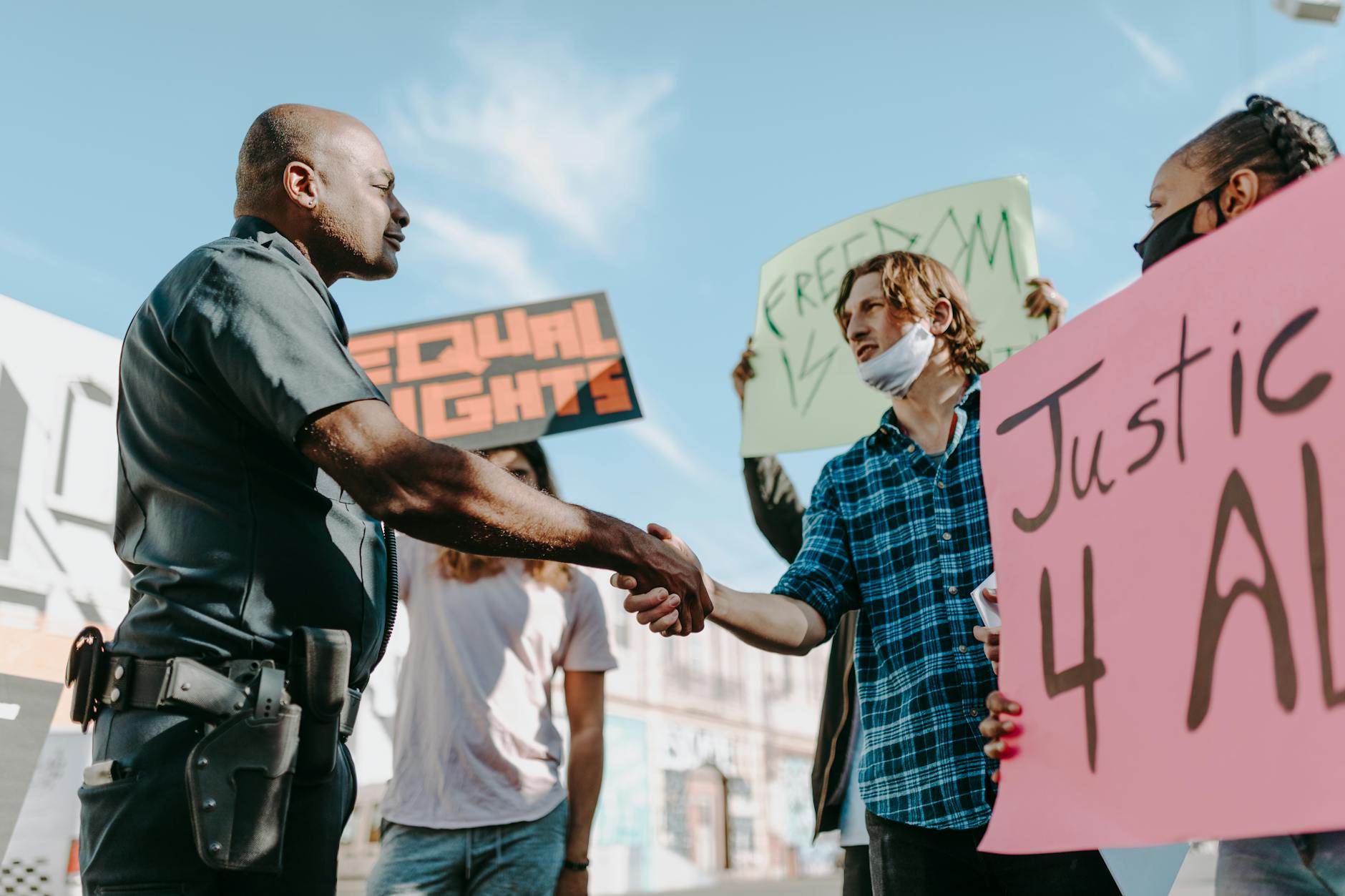
Every day, students across the country interact with law enforcement, whether on campus or in their communities. These encounters can range from routine traffic stops to more serious situations, and understanding one's rights is crucial. Many students remain unaware of their protections under the law, which can lead to unnecessary stress or even legal complications. Knowing what are student rights with police can empower young people to navigate these interactions with confidence and safety.
Students are not exempt from the protections afforded to all citizens under the Constitution. What are student rights with police? They include the right to remain silent, the right to refuse searches without warrants, and the right to know the reason for a stop or arrest. These rights are particularly important for students, who may face unique challenges when interacting with law enforcement. Whether on a college campus or in a public space, understanding these key protections can make a significant difference in how students handle police encounters.
Understanding Your Rights as a Student
Students possess specific rights during police encounters, rooted in constitutional protections and educational policies. The Fourth Amendment safeguards against unreasonable searches and seizures, extending to students on campus. Police typically need a warrant or probable cause to search a student's belongings, though school administrators may have more leeway in certain circumstances. Understanding these nuances empowers students to navigate interactions confidently.
A 2019 report from the American Civil Liberties Union revealed that students of color are disproportionately subjected to police scrutiny in schools. This disparity underscores the importance of knowing one's rights. Students have the right to remain silent and to ask if they are free to leave. Exercising these rights doesn't imply guilt but rather an informed approach to law enforcement interactions.
Educational institutions often have policies outlining student rights during police encounters. These policies may include guidelines on when and how police can enter school premises. Students should familiarize themselves with these rules, as they can vary significantly between districts. Consulting school handbooks or speaking with administrators can provide clarity on specific protections in place.
According to legal experts, students should document any encounter with police, if possible. This includes noting the officers' names, badge numbers, and the details of the interaction. Such documentation can be crucial if legal action becomes necessary. Additionally, students should seek support from school counselors or legal aid organizations if they feel their rights have been violated.
When Police Approach on Campus

Campus police encounters can be stressful, but students retain their constitutional rights. The Fourth Amendment protects against unreasonable searches and seizures. Police cannot search a student's belongings without consent, probable cause, or a warrant. If approached, students should remain calm and ask if they are free to leave. If the answer is no, they should comply with requests but assert their right to remain silent if questioned.
According to the American Civil Liberties Union, students have the right to record interactions with police, as long as they do not interfere with the officers' duties. This can be crucial for accountability and evidence. However, students should be aware of their institution's policies regarding recording, as some campuses may have specific rules.
If a student is detained or arrested, they should not resist. Resistance can escalate the situation and lead to additional charges. Instead, students should clearly state that they wish to remain silent and request an attorney. It's essential to remember that anything said can be used against them in court. Students should also note the officers' badges and patrol car numbers for later reference.
After the encounter, students should document everything they remember as soon as possible. This includes details about the officers involved, the time and location, and any witnesses. Sharing this information with a trusted advisor, attorney, or student rights organization can help protect their rights and ensure proper follow-up. Understanding these rights empowers students to navigate police encounters safely and confidently.
How to Respond During an Encounter

During a police encounter, students should remain calm and polite. Speak clearly and avoid sudden movements. If officers ask questions, students have the right to remain silent. They can say, "I want to remain silent" or "I want to speak to a lawyer." According to the American Civil Liberties Union, exercising these rights cannot be used against individuals in court.
Students should not resist arrest, even if they believe it's unjust. Physical resistance can escalate the situation and lead to additional charges. Instead, students should comply with officers' instructions while clearly stating their rights. For instance, if an officer asks to search a backpack, a student can say, "I do not consent to this search."
Documenting the encounter can be helpful. Students should memorize officers' badge numbers and patrol car numbers. If possible, take notes or record the interaction. However, some states have laws restricting audio or video recording of police officers. Students should familiarize themselves with local regulations.
Knowing When to Seek Legal Help

Students often find themselves in situations where they may not be fully aware of their rights during police encounters. Recognizing when to seek legal assistance can make a significant difference in the outcome. If a student is arrested, detained, or feels their rights have been violated, consulting with a legal professional becomes crucial. According to a study by the American Civil Liberties Union, many students are unaware of their rights, which can lead to unjust outcomes.
Legal help is particularly important if a student is facing serious charges or if the police have used excessive force. A lawyer can provide guidance on how to navigate the legal system and ensure that the student's rights are protected. This is especially true for minors, who may be more vulnerable during such encounters.
Students should also seek legal advice if they feel pressured to sign any documents or make statements without fully understanding their implications. Legal professionals can help interpret complex legal language and ensure that the student's rights are not compromised. This proactive approach can prevent long-term consequences and provide peace of mind.
In cases where a student feels their rights have been violated, documenting the incident is essential. Taking notes, collecting evidence, and saving any relevant communications can strengthen a legal case. This documentation can be crucial when seeking legal recourse and ensuring that justice is served.
Building Safer Campus Communities
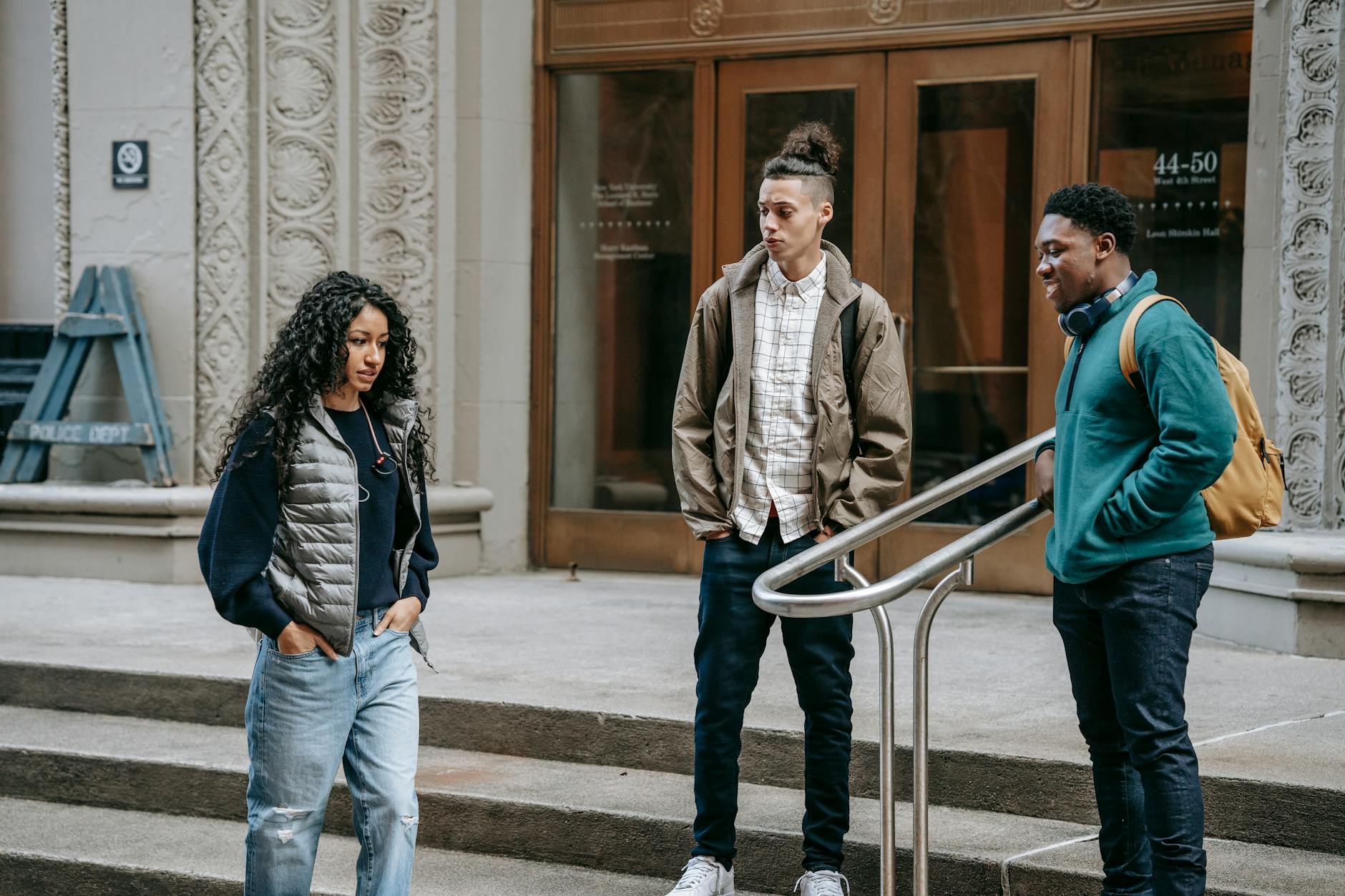
Students on campus enjoy certain protections when interacting with law enforcement. The Fourth Amendment shields them from unreasonable searches and seizures. Police cannot search a student's belongings without consent, a warrant, or probable cause. This right extends to dorm rooms, backpacks, and personal devices. However, exceptions exist for shared spaces like common rooms or public areas.
Free speech rights under the First Amendment apply to students, even when expressing unpopular views. Police may not arrest or detain students solely for peaceful protest or speech. A 2019 report from the American Civil Liberties Union found that student activism has increased, highlighting the need for awareness of these protections. Campus security personnel are generally not law enforcement officers, so their authority may differ.
Students have the right to remain silent and refuse to answer police questions. They should politely but firmly state this right if questioned. Police may not use coercion or threats to obtain information. Students should also request a lawyer if arrested or detained. Understanding these rights fosters a safer campus environment for all.
Understanding your rights is the first line of defense in any encounter with law enforcement. Students, like all citizens, have protections under the law that can help ensure their safety and preserve their rights. To navigate these situations effectively, students should familiarize themselves with these key protections and practice scenarios that might arise. By staying informed and prepared, students can confidently assert their rights while promoting a safer, more respectful interaction with police.
Need this answered for your specific case?
Get a flat-fee consultation with a verified U.S. immigration attorney. Engagement letter on every paid consult.
Related guides
This guide provides general legal information and does not create an attorney–client relationship. Information accurate as of July 2026. Always verify current USCIS guidance before acting.