
Nearly 50,000 school resource officers (SROs) patrol U.S. schools, blurring the lines between education and law enforcement. These officers, tasked with maintaining safety, also interact with students daily, making it crucial to understand what are student rights with school police.
Students are not stripped of their constitutional rights when they enter school grounds. What are student rights with school police? They include the right to be free from unreasonable searches and seizures, the right to due process, and the right to remain silent. These protections are particularly vital in schools with police presence, where students may face disciplinary actions that can have long-term consequences. Understanding these rights empowers students to navigate interactions with school police confidently and safely.
Understanding School Police Authority

School police officers, also known as school resource officers (SROs), have a unique role in educational settings. Their authority stems from their status as law enforcement officers, but it's crucial to understand that their powers are not unlimited. SROs are typically granted authority by local school boards and law enforcement agencies, which means their jurisdiction can vary significantly from one district to another.
Students' rights with school police are fundamentally the same as their rights with any other law enforcement officer. The Fourth Amendment protects students from unreasonable searches and seizures, while the Fifth and Sixth Amendments guarantee the right to remain silent and the right to legal counsel. However, a 2017 study by the American Civil Liberties Union found that students of color and those with disabilities are disproportionately affected by school policing, highlighting the need for vigilance in protecting these rights.
School police can make arrests and issue citations, but they must have reasonable suspicion or probable cause, just like any other officer. It's essential for students to understand that they have the right to ask why they are being detained and to request an attorney if they are being questioned. According to the U.S. Department of Education, clear policies and training can help ensure that school police respect and uphold students' rights while maintaining a safe learning environment.
Your Rights During Interactions
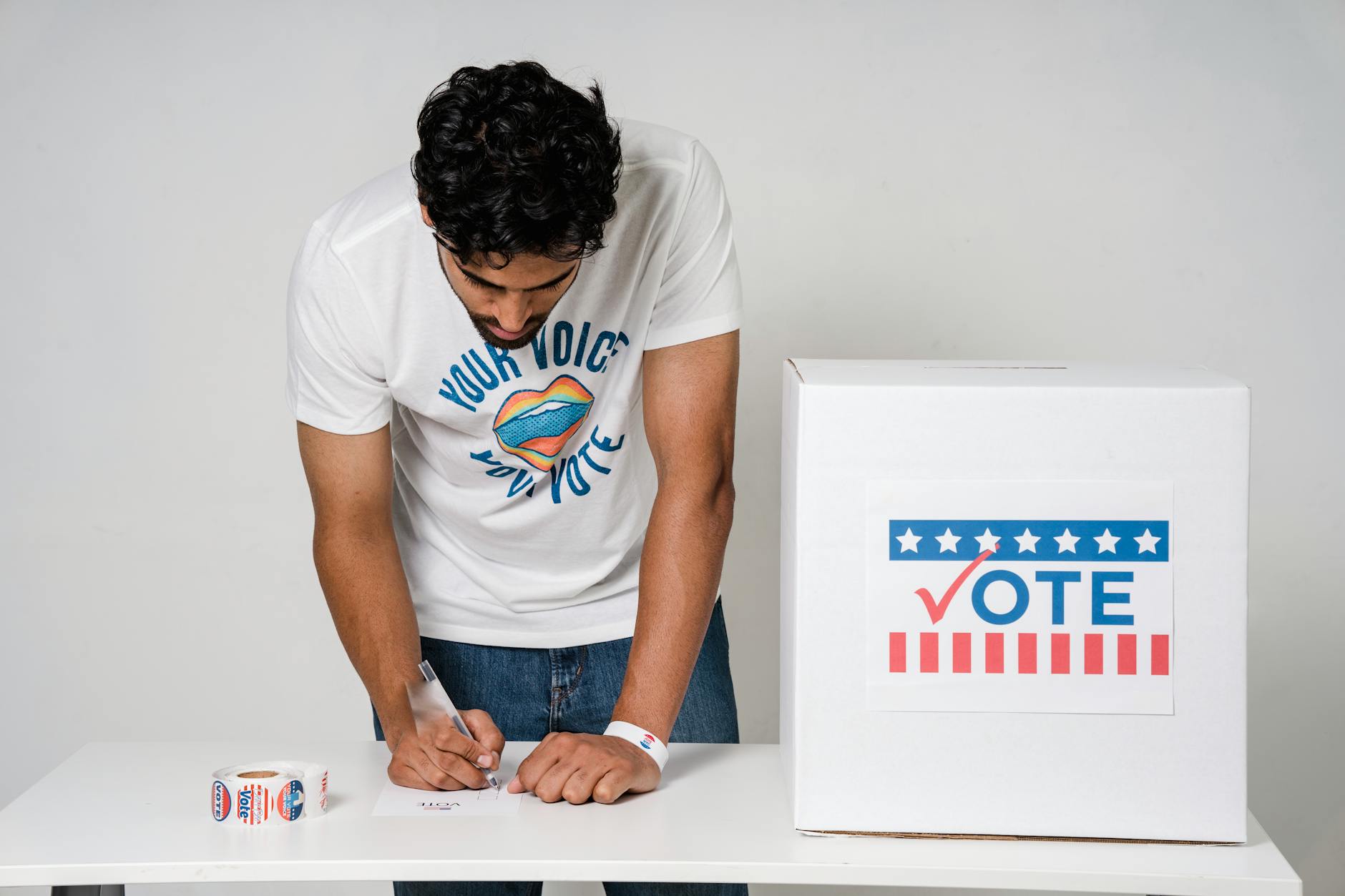
Students have specific rights when interacting with school police officers, designed to protect them while maintaining safety. The Fourth Amendment safeguards against unreasonable searches and seizures. This means school police cannot search a student's belongings without reasonable suspicion or consent. If an officer asks to search a backpack, students have the right to refuse unless there is clear evidence of wrongdoing.
A 2019 study by the American Civil Liberties Union found that students of color are disproportionately affected by school police actions. This highlights the importance of knowing one's rights. Students should remain calm and polite but firm in asserting their rights. If an officer insists on a search without cause, students should ask if they are being detained and why.
Students also have the right to remain silent under the Fifth Amendment. This applies during interactions with school police. If a student chooses to exercise this right, they should clearly state, "I am invoking my right to remain silent." It's crucial to remember that silence cannot be used as evidence of guilt. Students should also request a parent or guardian be present during any questioning.
School police must follow the same legal standards as other law enforcement officers. This includes the right to due process. Students accused of violations have the right to a fair hearing. Understanding these rights empowers students to navigate interactions with school police confidently and safely. Educators and parents should also be aware of these protections to better support students.
When and How to Record Encounters

Students should record interactions with school police when they feel their rights may be violated or when they witness potential misconduct. The American Civil Liberties Union (ACLU) reports that students have the right to record encounters in public spaces, including school grounds, as long as they do not interfere with police activities. This documentation can serve as crucial evidence if legal issues arise later.
When recording, students should maintain a safe distance and avoid obstructing police officers. They should also ensure the recording is clear and audible. Experts recommend keeping the device visible to avoid misunderstandings. However, students must comply with any lawful orders from police officers, such as stepping back or turning off the camera if it hinders an investigation.
It's essential to know local laws regarding recording. Some states require only one party's consent, while others mandate all parties' consent. Students should familiarize themselves with these regulations to avoid legal complications. Recording encounters can be a powerful tool for accountability, but it must be done responsibly and within legal boundaries.
After recording, students should save the footage securely and share it only with trusted individuals or legal counsel. This precaution helps protect the evidence from tampering or deletion. Understanding these guidelines empowers students to exercise their rights effectively while ensuring their safety and the integrity of the recorded material.
Reporting Misconduct and Seeking Support

Students have the right to report misconduct by school police officers without fear of retaliation. This protection ensures that students can voice their concerns about unfair treatment or policy violations. According to the U.S. Department of Education, all students deserve a safe and supportive learning environment. Reporting misconduct can lead to investigations and necessary changes in school policies.
Seeking support from trusted adults or school counselors is another crucial right. These professionals can guide students through the process of reporting incidents and finding appropriate solutions. The American Civil Liberties Union emphasizes the importance of having accessible resources for students to address their concerns effectively. Building a network of support can make a significant difference in resolving issues with school police.
Students also have the right to request a meeting with school administrators to discuss their experiences. This meeting can provide a platform for students to express their concerns and seek resolutions. The presence of a trusted adult or advocate during these meetings can offer additional support. Understanding these rights empowers students to take action and advocate for their safety and well-being.
Schools must provide clear procedures for reporting misconduct and accessing support services. These procedures should be easily accessible and understood by all students. By knowing their rights, students can navigate interactions with school police more confidently. This knowledge fosters a safer and more respectful school environment for everyone.
Advocating for Policy Changes
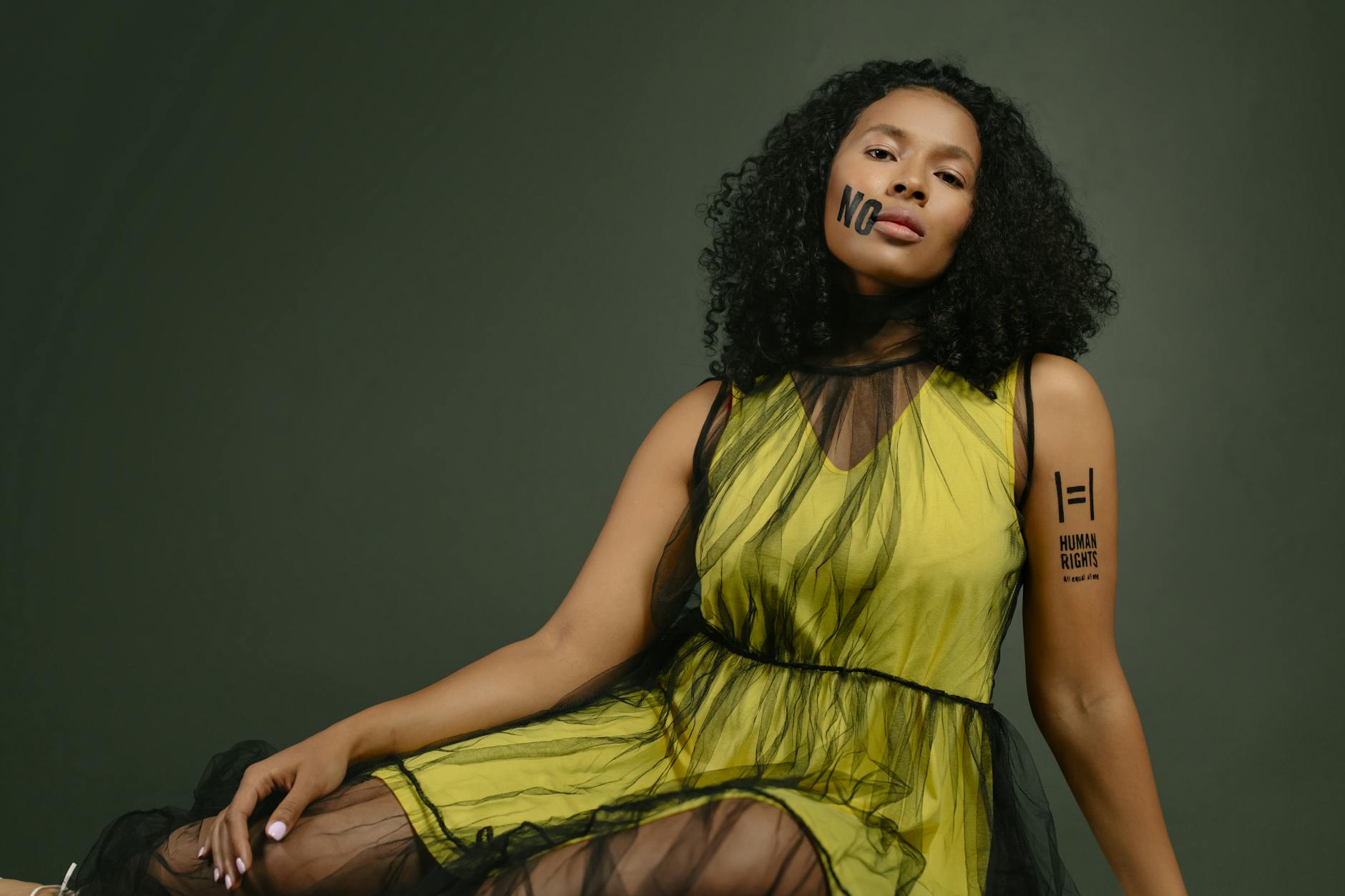
Students have the right to advocate for policy changes that improve their safety and well-being in schools with police presence. This includes the right to participate in discussions about school policing policies, voice concerns, and propose alternatives. According to the American Civil Liberties Union, students should have a seat at the table when decisions about school safety and discipline are made. Their input is invaluable in shaping policies that are fair, effective, and respectful of students' rights.
Advocacy can take many forms. Students can organize petitions, hold town hall meetings, or work with school boards to draft new policies. They can also collaborate with local advocacy groups to amplify their voices and gain support. The key is to be persistent and well-informed, using data and personal experiences to back up their arguments. For instance, students can present statistics on the impact of school policing on their community to make a compelling case for change.
Parents and teachers can also play a crucial role in advocating for policy changes. They can support students' efforts by attending meetings, sharing their own experiences, and applying pressure on school administrators. Together, they can create a powerful coalition that pushes for policies that prioritize student safety and well-being over punitive measures. This collective effort can lead to significant changes in how school police interact with students, ultimately fostering a safer and more inclusive school environment.
Students have clear rights when interacting with school police, and understanding these protections is crucial for navigating school environments safely. These rights include the right to remain silent, protection against unreasonable searches, and the right to legal representation. To ensure safety and fairness, students should familiarize themselves with these rights and know when to seek guidance from trusted adults or legal advocates. As schools continue to evolve, advocating for policies that uphold student rights will be essential in creating safer and more equitable learning environments.
Need this answered for your specific case?
Get a flat-fee consultation with a verified U.S. immigration attorney. Engagement letter on every paid consult.
Related guides
This guide provides general legal information and does not create an attorney–client relationship. Information accurate as of July 2026. Always verify current USCIS guidance before acting.