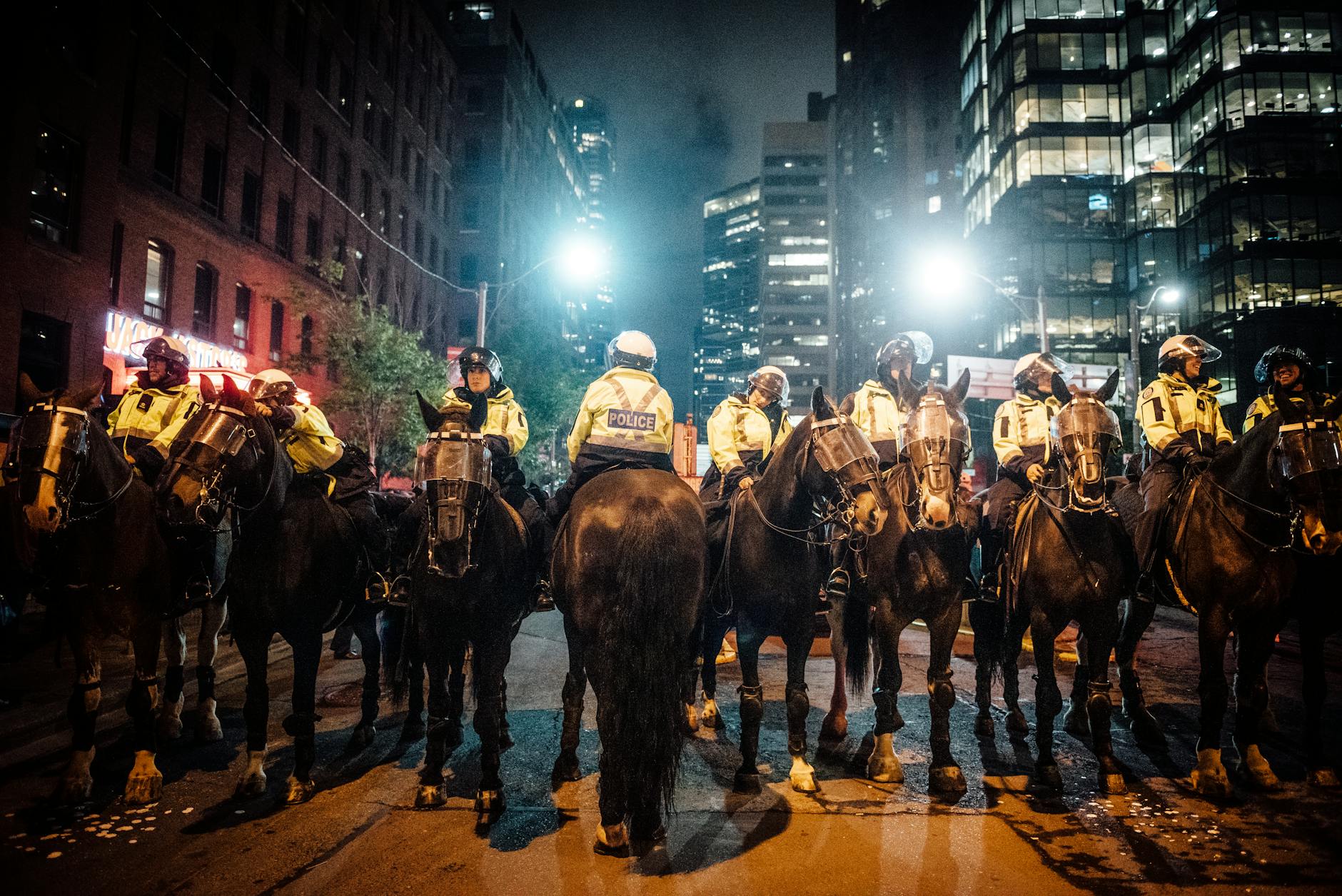
Every year, thousands of Americans face situations where they feel their rights have been violated by law enforcement. According to the National Police Misconduct Statistics and Reporting Project, there were 4,861 reports of police misconduct in 2020 alone. Knowing how to challenge police actions is not just about protecting oneself; it's about upholding the principles of justice and accountability that form the bedrock of society.
Understanding how to challenge police actions empowers individuals to navigate encounters with law enforcement confidently. Whether it's an unjust traffic stop, an improper search, or excessive use of force, citizens have rights that must be respected. This guide outlines five crucial steps to help individuals assert their rights effectively. From knowing when to remain silent to documenting interactions, these strategies provide a clear roadmap for those who need to challenge police actions and seek justice.
Understanding Your Legal Protections

Understanding the legal framework that governs police actions is the first step in challenging them effectively. The Fourth Amendment of the U.S. Constitution protects citizens from unreasonable searches and seizures. This means police must have a valid warrant or probable cause to conduct searches or make arrests. According to the American Civil Liberties Union (ACLU), police misconduct complaints account for nearly 26,000 cases annually, highlighting the importance of knowing your rights.
Knowing when police actions cross the line is crucial. Police officers must follow specific procedures when making arrests or conducting searches. For instance, they must inform individuals of their rights during an arrest, a process known as Miranda rights. If these rights are violated, any evidence obtained may be inadmissible in court. The Supreme Court has consistently upheld these protections, emphasizing their role in maintaining a fair justice system.
Documenting interactions with police can strengthen your case. Write down details immediately after the incident, including the officers' names, badge numbers, and a description of what happened. This documentation can be vital if legal action becomes necessary. Consulting with a legal professional can provide further clarity on the specifics of your situation and the best course of action.
When Police Interactions Escalate

When police interactions escalate, individuals often feel overwhelmed and uncertain about their rights. The American Civil Liberties Union reports that police misconduct complaints have risen by 12% in the past decade. In these tense situations, maintaining composure and knowing one's rights can make a significant difference. Remember, police officers are trained to de-escalate situations, but their actions may not always align with this training.
If an officer becomes aggressive or uses excessive force, individuals should immediately ask if they are free to leave. This simple question can clarify the situation and potentially prevent further escalation. If the answer is no, remain calm and avoid sudden movements. Sudden actions can be misinterpreted as threats, exacerbating the situation.
Documenting the interaction can be crucial. Use a phone to record the encounter, ensuring to keep the device visible to the officer. This transparency can deter misconduct and provide evidence if legal action becomes necessary. However, always prioritize safety over documentation. If an officer orders the phone to be put away, comply to avoid further conflict.
In cases of severe misconduct, report the incident to the police department's internal affairs division. Provide detailed accounts and any evidence collected. Legal experts recommend seeking advice from a civil rights attorney to understand the best course of action. Understanding and asserting one's rights can help challenge police actions and promote accountability.
Documenting Incidents Effectively

When challenging police actions, documenting incidents effectively serves as a powerful tool. Use a smartphone or camera to record interactions, ensuring to capture clear audio and video. The American Civil Liberties Union emphasizes that recording police is a constitutional right in public spaces. However, always prioritize safety—maintain a safe distance and avoid interfering with police activities.
Write down details immediately after the incident. Include the date, time, location, and names of officers involved. Jot down a chronological account of what happened, noting specific actions and statements. A study by the National Institute of Justice found that written accounts help preserve accuracy, as memory fades quickly. Be as precise as possible, avoiding assumptions or interpretations.
Gather witness statements and contact information. Witnesses can provide crucial corroboration for your account. Ask them to write down what they saw and exchange contact details. If possible, collect photos or videos from other bystanders. This collective evidence strengthens your case and adds credibility to your challenge against police actions.
Preserve all evidence securely. Store recordings, notes, and witness statements in a safe place. Consider sharing copies with trusted individuals or uploading them to secure cloud storage. Avoid altering or deleting any evidence, as this could undermine your case. Proper documentation ensures that your challenge is well-supported and difficult to dismiss.
Seeking Legal Representation
When facing police misconduct, securing competent legal representation is crucial. A skilled attorney can navigate complex legal procedures and build a strong case. According to the American Civil Liberties Union, individuals with legal representation are significantly more likely to achieve favorable outcomes in police misconduct cases. They can help gather evidence, interview witnesses, and file necessary paperwork within strict deadlines.
Choosing the right lawyer involves careful consideration. Look for attorneys with experience in civil rights or police misconduct cases. Many offer free initial consultations to discuss the merits of the case. During these meetings, ask about their track record, fees, and strategy. Transparency and clear communication are key indicators of a reliable legal representative.
Legal aid organizations can be invaluable resources for those unable to afford private counsel. These nonprofits often provide free or low-cost legal services to eligible individuals. They can connect victims with pro bono attorneys or offer guidance on self-representation. Exploring these options ensures access to justice regardless of financial circumstances.
Advocating for Systemic Change
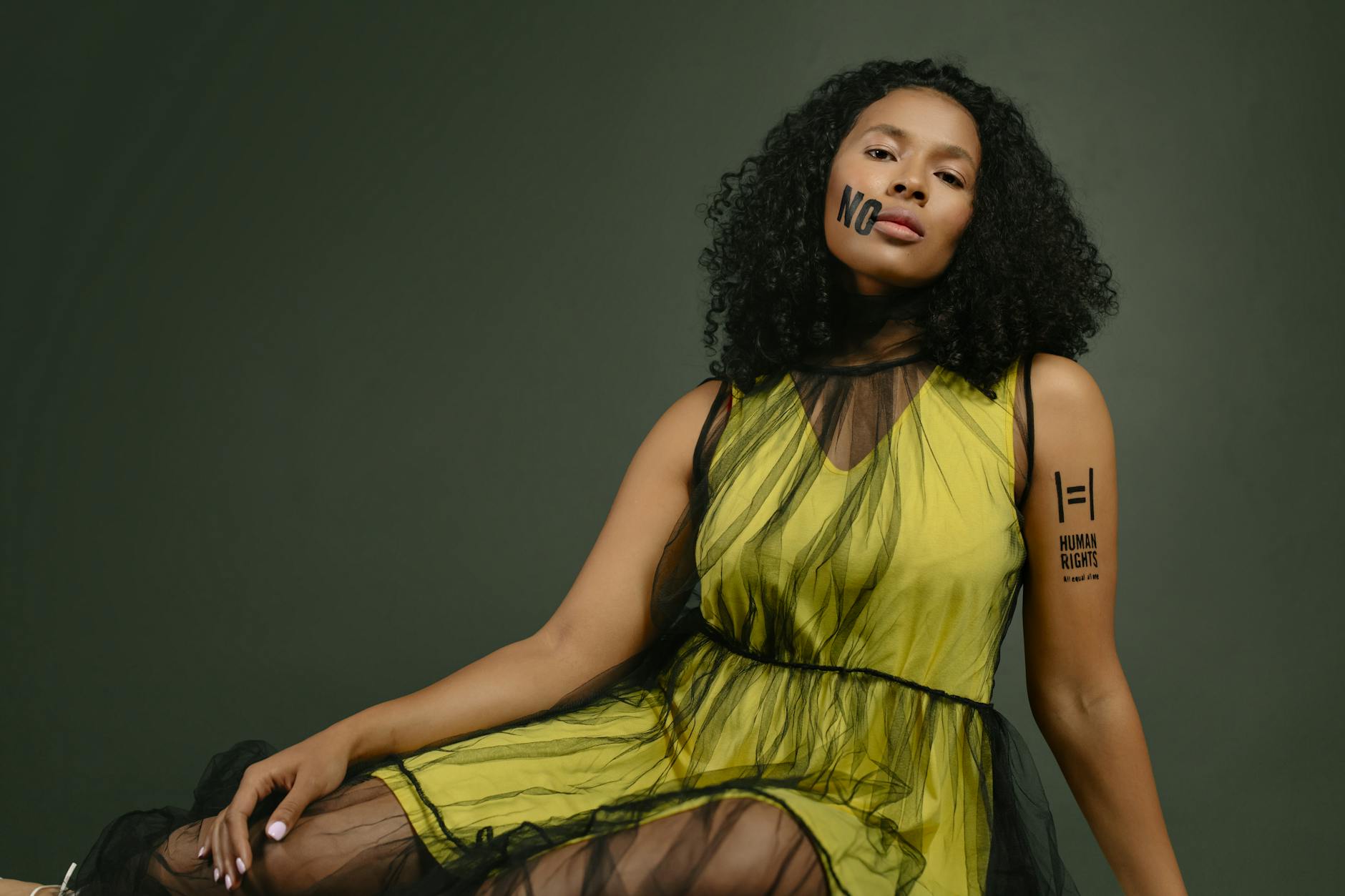
Systemic change begins with collective action. Individuals can join or form advocacy groups focused on police accountability. These organizations often push for policy reforms, such as body-worn cameras or independent oversight boards. According to a study by the National Institute of Justice, communities with civilian review boards experience a 15% reduction in citizen complaints against police.
Advocacy groups also play a crucial role in raising awareness. They organize protests, town halls, and educational workshops to inform the public about their rights and the importance of police accountability. By amplifying voices, these groups create a groundswell of support for systemic change.
Individuals can also advocate for change by engaging with local government. Attending city council meetings, writing to elected officials, and voting in local elections can influence policy decisions. A police accountability expert emphasizes that consistent public pressure is key to driving meaningful reform.
Finally, documenting and sharing personal experiences with police interactions can have a powerful impact. Social media platforms provide a space to amplify these stories, fostering a broader conversation about police conduct and the need for systemic change.
Knowing your rights and taking action when they're violated is crucial for maintaining a fair and just society. By understanding the law, documenting incidents, seeking legal counsel, and exploring all avenues of recourse, you empower yourself and contribute to holding authorities accountable. To start, familiarize yourself with local laws and keep a record of any interactions with police officers. As awareness grows and communities stand together, the collective voice for justice becomes stronger, paving the way for systemic change and improved policing practices.
Need this answered for your specific case?
Get a flat-fee consultation with a verified U.S. immigration attorney. Engagement letter on every paid consult.
Related guides
This guide provides general legal information and does not create an attorney–client relationship. Information accurate as of July 2026. Always verify current USCIS guidance before acting.