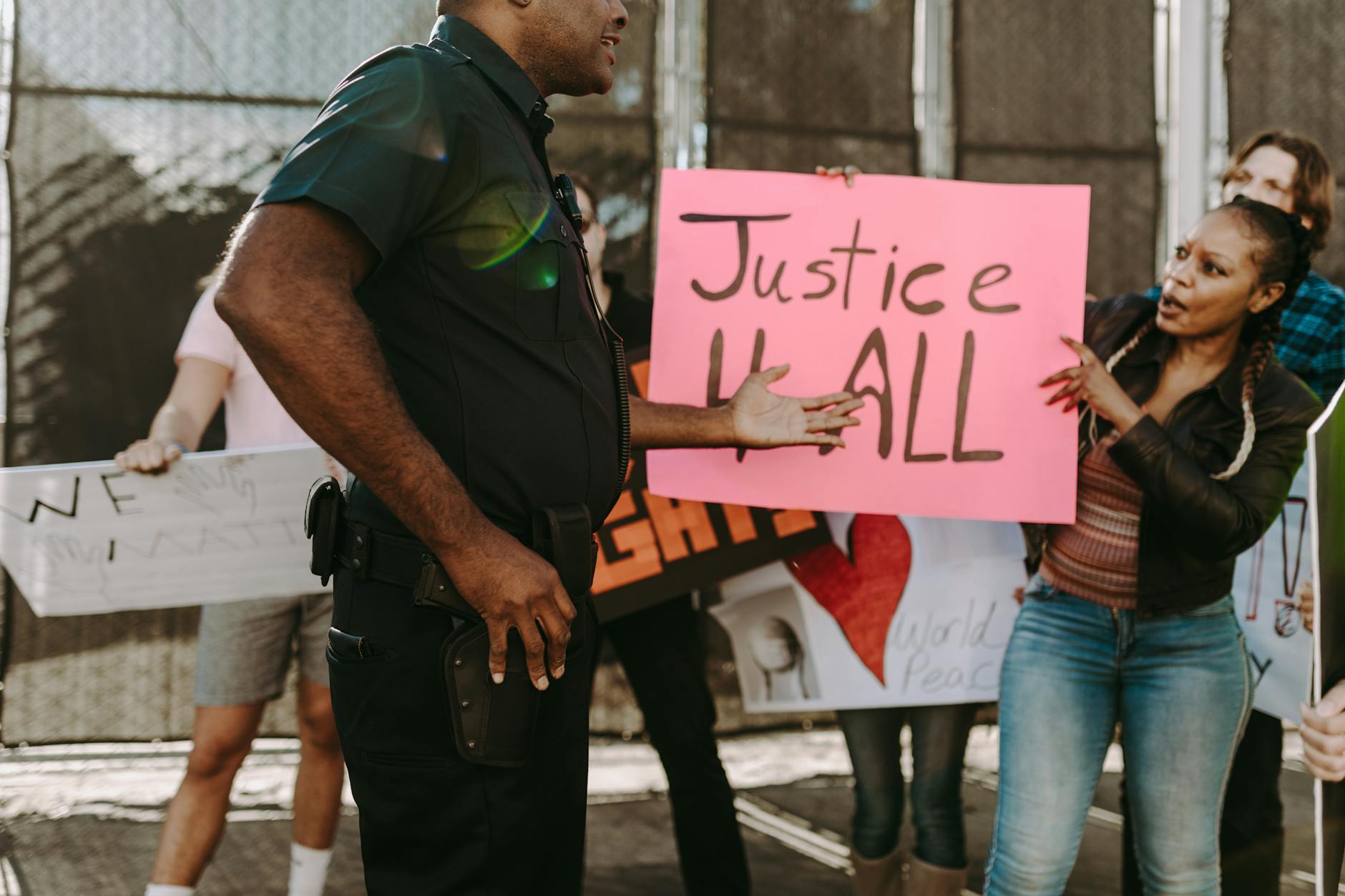
Every year, approximately 1.6 million youth under 18 are arrested in the United States, sparking critical conversations about minors' rights during police interactions. Despite their age, young individuals encountering law enforcement possess specific protections under the law, designed to safeguard their well-being and ensure fair treatment. Understanding these rights is crucial for parents, educators, and minors themselves to navigate potentially challenging situations.
What rights do minors have with police? This question becomes particularly relevant when considering the unique vulnerabilities of young people in the justice system. Minors are entitled to certain protections, such as the right to remain silent, the right to an attorney, and the right to have a parent or guardian present during questioning. These safeguards aim to balance the scales of justice, ensuring that youth receive appropriate consideration for their age and maturity level. Knowing these rights empowers minors and their advocates to make informed decisions during police interactions, fostering a more equitable and just process for all involved.
Understanding Juvenile Rights
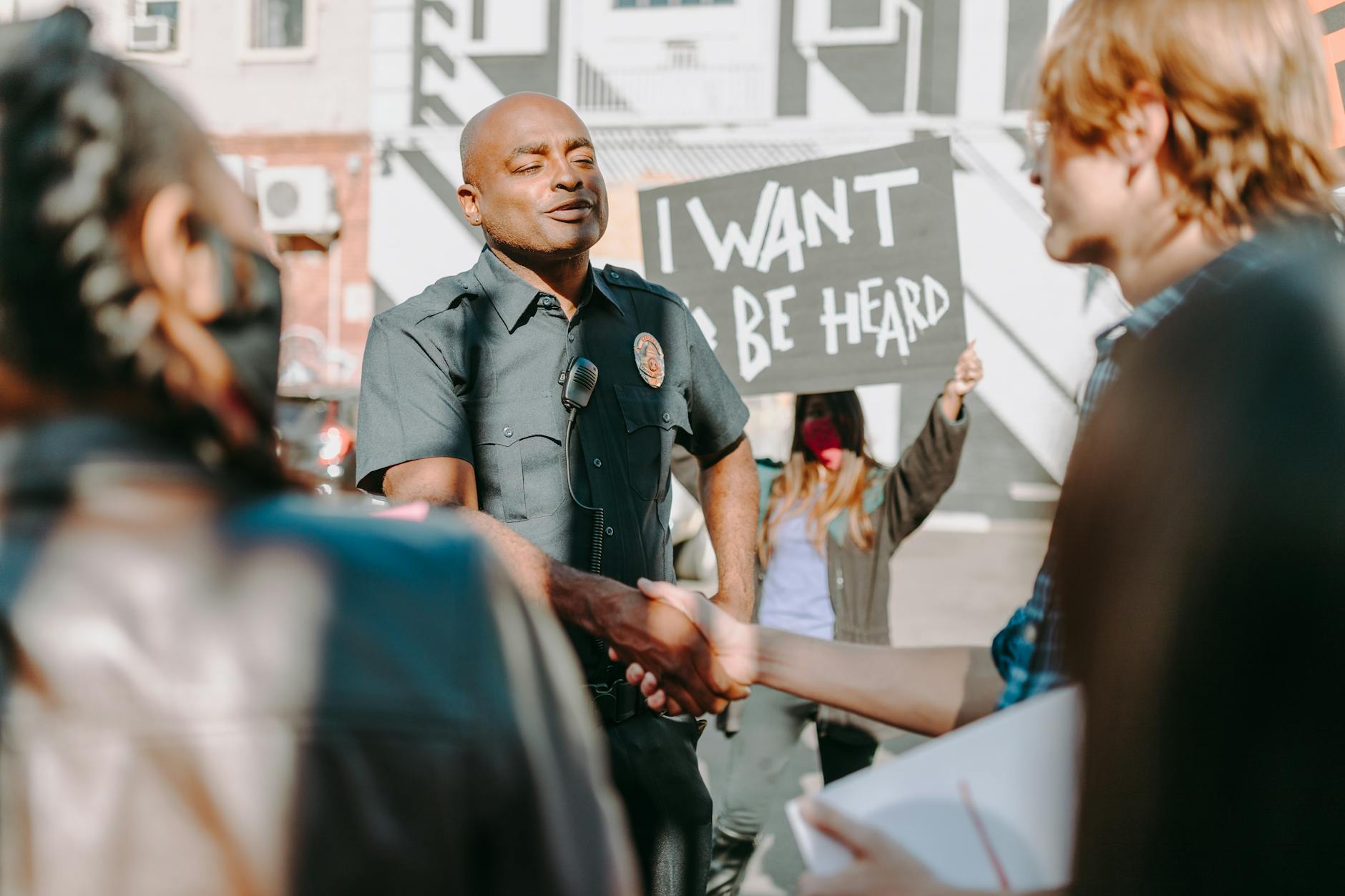
Minors in the United States possess specific rights when interacting with law enforcement, designed to protect their welfare and ensure fair treatment. The Fourth Amendment safeguards all individuals, including minors, from unreasonable searches and seizures. This means police must have a valid reason, such as probable cause, to stop, question, or search a minor. Additionally, the Fifth Amendment protects minors from self-incrimination, granting them the right to remain silent.
When in custody, minors have the right to legal counsel. According to a study by the National Juvenile Defender Center, having legal representation significantly improves outcomes for minors in the justice system. Police must inform minors of their right to an attorney, and if a minor cannot afford one, the state must provide legal aid. This right is crucial, as it ensures minors understand the legal process and their options.
School resource officers (SROs) also adhere to these rights. When interacting with minors in schools, SROs must follow the same guidelines as other law enforcement officers. However, the American Civil Liberties Union (ACLU) reports that minors are often more vulnerable in school settings, making it essential for SROs to be particularly mindful of minors' rights. Understanding these protections empowers minors to navigate police interactions confidently and safely.
Core Protections for Minors

Minors possess fundamental rights during police interactions, designed to safeguard their well-being and ensure fair treatment. The Fourth Amendment protects them from unreasonable searches and seizures, just as it does for adults. However, minors often face additional safeguards due to their vulnerability. Police must have clear justification for detaining a minor, and any interrogation should consider the child's age and maturity level.
Courts have established that minors have a right to have a parent or guardian present during police questioning. This protection aims to balance the power dynamic and ensure the minor understands their rights. According to the American Civil Liberties Union, involving a parent can help prevent coercion and ensure the minor's statements are voluntary. However, police may still interact with minors briefly to gather basic information, even if a parent isn't immediately present.
Minors also have the right to remain silent and the right to an attorney, just like adults. Police must inform them of these rights in a way that is appropriate for their age and understanding. If a minor is arrested, they should be taken to a juvenile facility rather than an adult jail, unless there are extraordinary circumstances. These protections reflect society's recognition of the unique needs and vulnerabilities of young people in the criminal justice system.
Handling Police Encounters
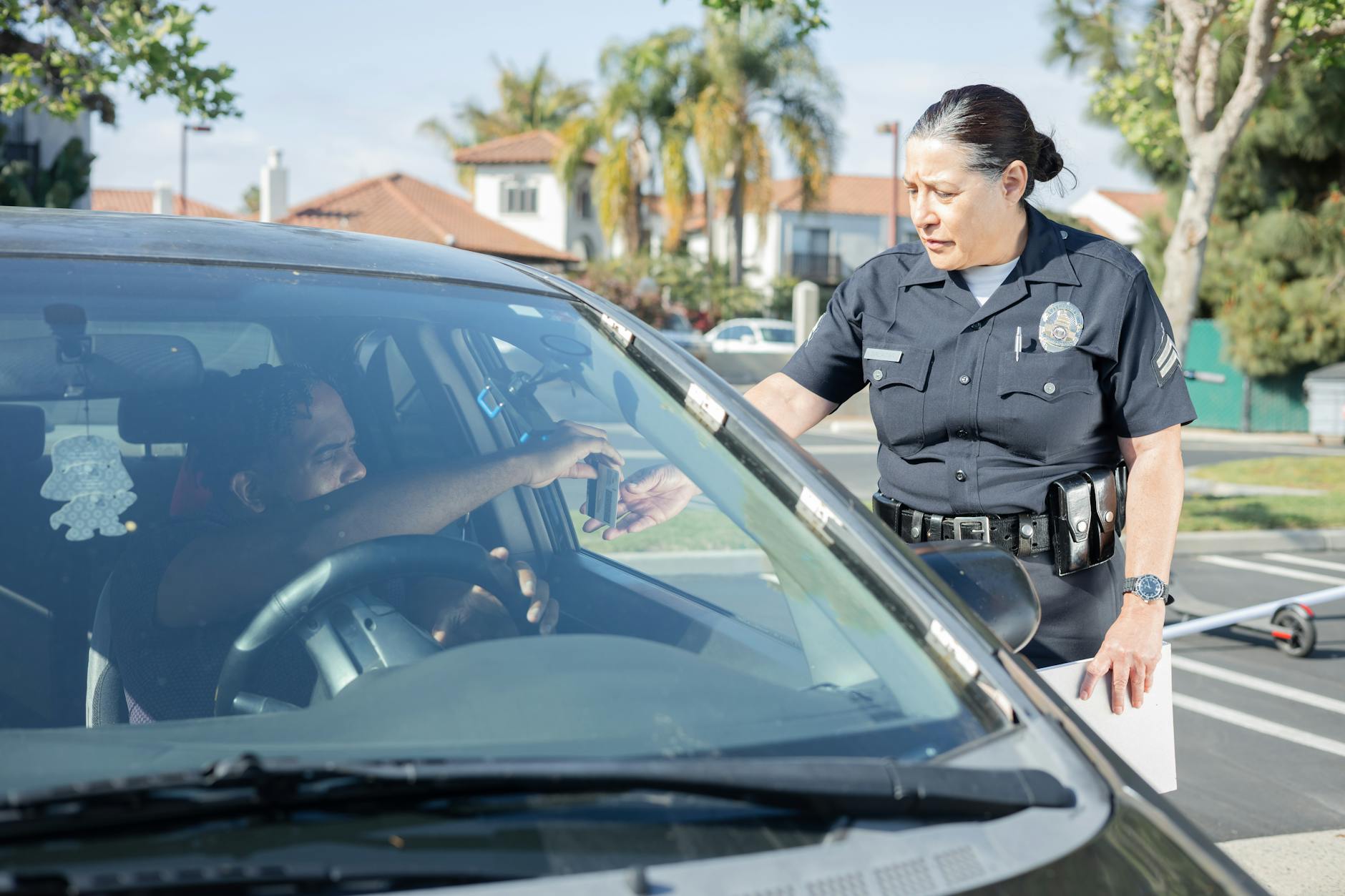
When minors encounter police, their rights are often misunderstood. The American Civil Liberties Union (ACLU) reports that minors have the same constitutional rights as adults during police interactions. This includes the right to remain silent and the right to an attorney. However, minors may face additional protections due to their age and vulnerability.
Police cannot question a minor without a parent, guardian, or attorney present, unless the minor waives this right. Even then, any waiver must be knowing, intelligent, and voluntary. Minors should understand that anything they say can be used against them in court. It's crucial for them to assert their right to remain silent if they feel uncomfortable or unsure.
If a minor is arrested, police must notify a parent or guardian immediately. The minor has the right to a phone call, which should be made in the presence of an adult. Police cannot use coercive tactics to obtain a confession from a minor. Any interrogation must be conducted in a manner that respects the minor's age and maturity level.
Minors have the right to challenge the legality of their arrest or detention. If police violate a minor's rights, any evidence obtained may be inadmissible in court. It's essential for minors to remember their rights and seek legal counsel if they believe their rights have been violated. Understanding these protections can help minors navigate police encounters more safely.
Parental Involvement and Advocacy
Parental involvement plays a crucial role in protecting minors' rights during police interactions. Parents or guardians have the right to be present during police questioning, ensuring their child's safety and understanding of the situation. This presence can significantly reduce the risk of coercion or misunderstanding. According to juvenile justice experts, minors with parental support are more likely to navigate police interactions successfully.
Advocacy groups emphasize the importance of parents being proactive. They should familiarize themselves with their child's rights and local laws. This knowledge empowers parents to intervene appropriately if necessary. For instance, parents can request a lawyer for their minor if the situation escalates beyond a simple conversation.
Schools often serve as the first point of contact between minors and law enforcement. Parents should establish open communication with school administrators to stay informed about any police involvement. This proactive approach helps ensure that minors' rights are respected within educational settings.
In cases where minors face serious allegations, parental advocacy becomes even more critical. Parents should document all interactions with police and seek legal counsel promptly. The American Civil Liberties Union (ACLU) reports that legal representation can drastically improve outcomes for minors in the justice system.
Advancing Youth Rights Awareness
Minors possess distinct rights during police interactions, designed to protect their vulnerability. The U.S. Department of Justice emphasizes that minors have the right to remain silent, just like adults. They can refuse to answer questions without a parent, guardian, or attorney present. This right is crucial, as studies show that minors are more susceptible to coercion and false confessions.
Another critical right is the protection against unreasonable searches and seizures. Police cannot search a minor's person or belongings without reasonable suspicion or consent from a parent or guardian. This safeguard is particularly important in schools, where approximately 79,000 students were subjected to school-related arrests in the 2017-2018 school year, according to the U.S. Department of Education.
Minors also have the right to be treated fairly and respectfully. Police officers must consider the minor's age and maturity level when interacting with them. This includes using age-appropriate language and avoiding intimidation tactics. The American Civil Liberties Union (ACLU) advocates for these protections, stating that minors should be treated as children, not criminals.
Lastly, minors have the right to have a parent or guardian present during questioning. This right is essential for ensuring that the minor understands their rights and has support during the interaction. The presence of a trusted adult can significantly impact the outcome of the interaction and protect the minor's best interests.
Understanding minors' rights during police interactions is crucial for protecting young individuals and ensuring fair treatment. At its core, every minor has the right to remain silent, the right to an attorney, the right to be free from unreasonable searches and seizures, the right to be treated humanely, and the right to have a parent or guardian present during questioning. To put this knowledge into practice, parents and guardians should educate their children about these rights and role-play scenarios to build confidence. Looking ahead, continued advocacy and education will be essential to uphold and expand these protections for future generations.
Need this answered for your specific case?
Get a flat-fee consultation with a verified U.S. immigration attorney. Engagement letter on every paid consult.
Related guides
This guide provides general legal information and does not create an attorney–client relationship. Information accurate as of July 2026. Always verify current USCIS guidance before acting.