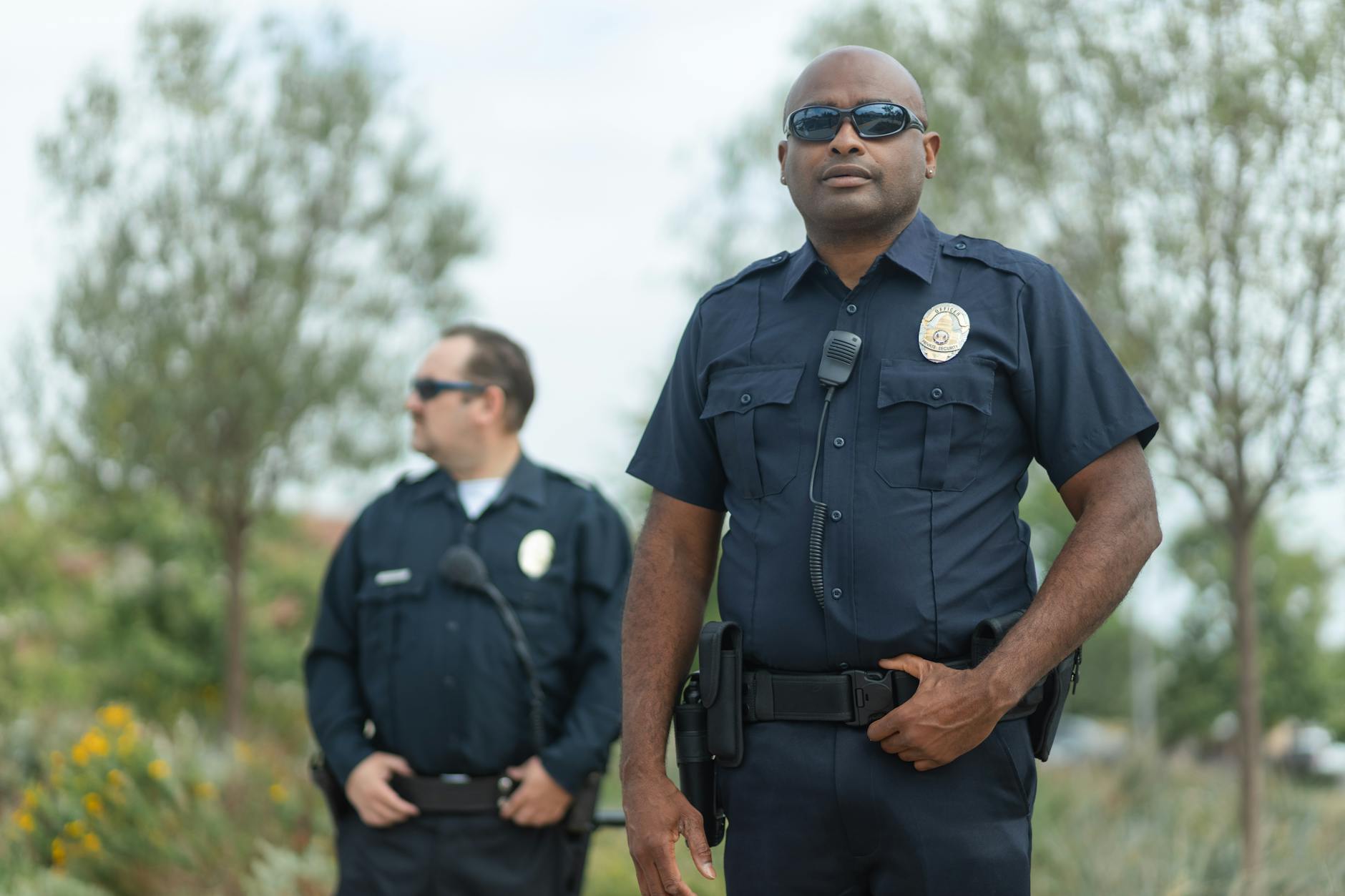
A New York court has ruled that filming police officers in public is protected under the First Amendment, setting a significant precedent for citizens' rights across the nation. The decision comes amidst growing concerns over police accountability and the public's right to document interactions with law enforcement.
The ruling underscores the importance of understanding whether filming police is protected by law. With the widespread use of smartphones, more citizens are capturing encounters with law enforcement, often leading to viral videos that spark national conversations about police conduct. The New York court's decision reinforces the principle that the public has a right to record police activity, contributing to transparency and accountability. This ruling may influence similar cases nationwide, further clarifying the legal landscape surrounding the question of whether filming police is protected by law.
First Amendment rights at stake
The recent ruling by a New York court affirming that filming police officers is protected under the First Amendment has reignited the debate surrounding public surveillance and law enforcement accountability. This decision underscores the critical role of citizen journalism in documenting interactions between police and the public, ensuring transparency and deterring misconduct. The court's stance aligns with a growing body of legal precedent that recognizes the importance of the public's right to observe and record government officials performing their duties in public spaces.
According to the American Civil Liberties Union, at least 38 states and the District of Columbia have recognized a First Amendment right to record police activity. This legal recognition is crucial, as it empowers individuals to act as watchdogs, capturing evidence that can be vital in holding law enforcement accountable. The New York ruling adds to this momentum, reinforcing the notion that the First Amendment protects not just the press but all citizens in their efforts to document and disseminate information about public officials.
Critics argue that unrestricted filming could compromise officer safety and investigative processes. However, proponents contend that the benefits of transparency far outweigh these concerns. The court's decision serves as a reminder that the First Amendment's protections are not just theoretical but practical, applying to everyday citizens in their interactions with law enforcement. As technology advances, the ability to record and share information will only become more prevalent, making this ruling a significant step in safeguarding public rights.
This case highlights the ongoing tension between law enforcement's need for operational security and the public's right to oversight. The court's affirmation of the First Amendment in this context is a victory for those advocating for greater accountability in policing. As similar cases arise, the legal landscape will continue to evolve, shaping the boundaries of public surveillance and the rights of citizens to document their interactions with authorities.
Court's decision on public filming
The New York court's decision to protect filming police under the First Amendment sets a significant precedent. The ruling underscores that documenting law enforcement activities falls under the public's right to free speech and press. This decision aligns with growing national recognition of the importance of citizen journalism in holding authorities accountable.
A legal expert noted that this ruling could influence similar cases across the country. The court's decision comes at a time when smartphone footage has played a crucial role in exposing police misconduct. According to a recent study, 60% of police misconduct cases in the past decade involved video evidence.
The court emphasized that filming police does not obstruct justice but rather serves as a check on government power. This ruling sends a clear message that the public has a right to record interactions with law enforcement. The decision also highlights the evolving role of technology in modern society.
How the ruling impacts citizens
The New York court's decision affirming the right to film police officers has significant implications for citizens. The ruling empowers individuals to hold law enforcement accountable, fostering transparency and trust between communities and police departments. With this legal protection, citizens can now document interactions without fear of retaliation, ensuring their right to free speech and press is upheld.
According to a Pew Research Center study, 93% of Americans believe that police misconduct is a serious problem. This ruling provides a crucial tool for citizens to gather evidence, supporting efforts to address misconduct and promote police reform. The decision also encourages citizens to actively participate in monitoring public safety, contributing to a more informed and engaged society.
Legal experts note that the ruling aligns with growing public demand for accountability. The court's decision sends a clear message that the First Amendment protects the right to record police activity. This protection is vital for maintaining public trust and ensuring that law enforcement operates within the bounds of the law.
However, the ruling also places a responsibility on citizens to use this right judiciously. While filming police is now protected, individuals must remain aware of their surroundings and prioritize their safety. The decision underscores the importance of balancing the right to document with the need for personal security and public order.
Police response to the verdict
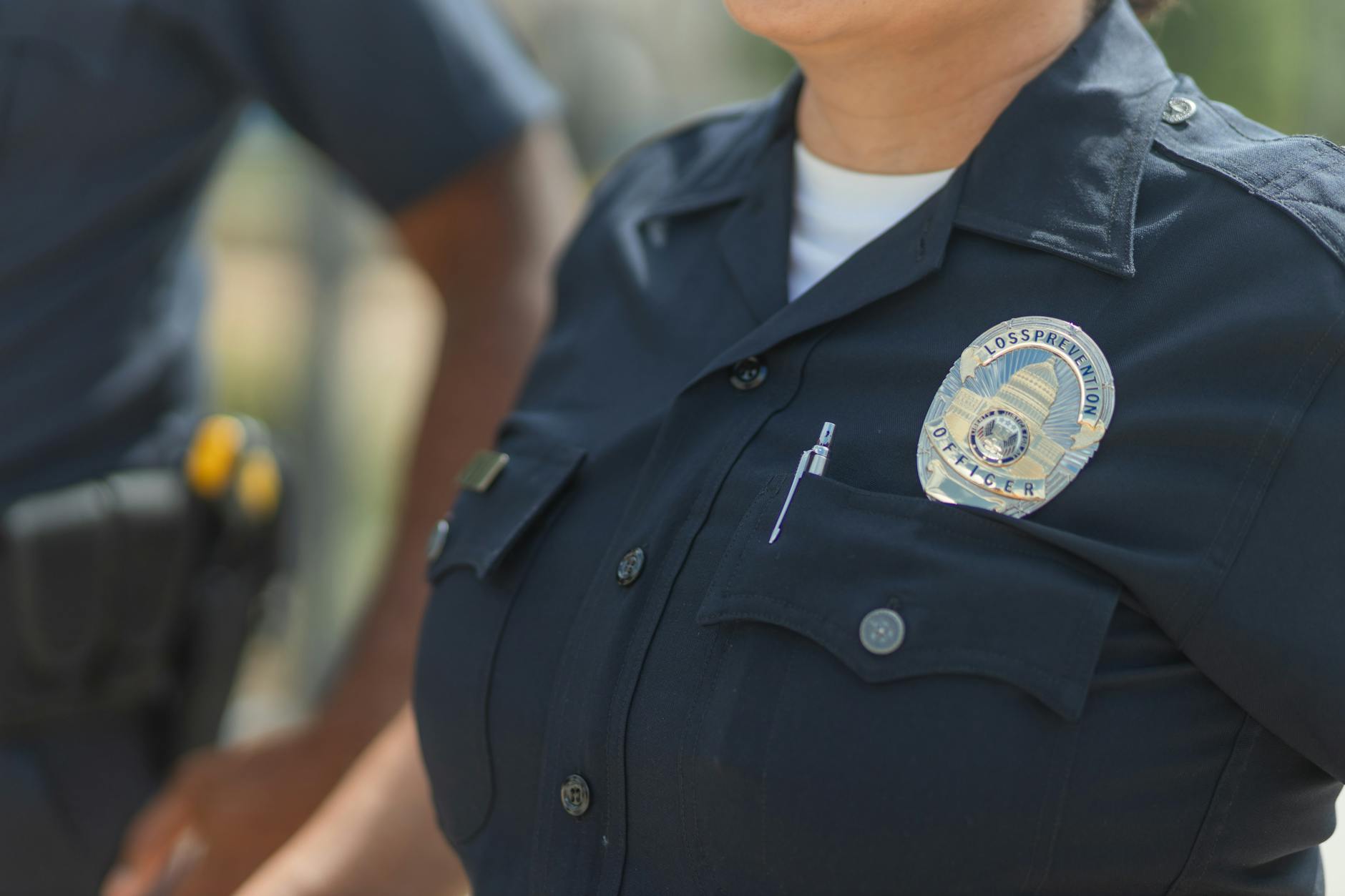
The New York Police Department (NYPD) has responded to the court ruling with a commitment to review its policies regarding public filming. A department spokesperson stated that while the NYPD respects the court's decision, it will work to ensure that officers' safety remains a priority. The department has not yet announced specific changes to its protocols but has indicated that training will be updated to reflect the new legal landscape.
Police unions have expressed concern over the ruling, arguing that it could potentially endanger officers. The Patrolmen's Benevolent Association of the City of New York released a statement emphasizing the need for balance between public rights and officer safety. The union cited a recent study showing that 78% of officers felt that increased filming could distract from their duties and create unsafe situations.
Legal experts have weighed in, noting that the ruling aligns with broader First Amendment protections. A constitutional law professor from a prominent New York university highlighted that this decision reinforces the public's right to document police interactions. The expert added that similar rulings in other jurisdictions have not led to a significant increase in officer injuries, suggesting that the concerns raised by unions may be overstated.
Community activists have welcomed the ruling, viewing it as a step toward greater accountability. Advocacy groups have long argued that filming police interactions helps deter misconduct and provides crucial evidence in cases of abuse. The ruling has been seen as a victory for transparency and a tool to build trust between law enforcement and the communities they serve.
Future implications for public safety
The New York court ruling affirming the right to film police officers as protected under the First Amendment has significant implications for public safety. Transparency in law enforcement fosters accountability, potentially reducing instances of misconduct. Studies show that police body cameras can decrease use-of-force incidents by up to 60%. This ruling encourages citizens to act as additional watchdogs, promoting safer communities.
Public trust in law enforcement may improve as a result of this decision. When citizens feel empowered to document interactions, it creates a mutual accountability system. Police officers, in turn, may become more conscious of their actions, knowing they are subject to public scrutiny. This dynamic can lead to more respectful and professional conduct on both sides.
However, challenges remain. Law enforcement agencies must adapt to this new reality by training officers on their rights and the public's rights. Clear guidelines on what constitutes acceptable filming will be crucial. The court's decision sets a precedent, but implementation will require cooperation between law enforcement, legal experts, and community leaders to ensure public safety benefits.
Legal experts emphasize that this ruling aligns with broader trends in First Amendment jurisprudence. The protection of free speech and the right to document public officials, including police, is increasingly recognized as vital to a functioning democracy. As technology evolves, courts will continue to grapple with balancing public safety and individual rights.
The New York court's ruling solidifies that filming police officers in public spaces is a protected form of free speech under the First Amendment. This decision reinforces the public's right to hold law enforcement accountable through documentation. For individuals who encounter such situations, it's crucial to remain calm, keep a safe distance, and continue recording unless directly ordered to stop by an officer—though such orders should be challenged only when safe to do so. As technology advances and public awareness grows, this landmark decision is likely to set a precedent for similar cases across the nation, further embedding the right to record as a fundamental aspect of civic engagement.
Need this answered for your specific case?
Get a flat-fee consultation with a verified U.S. immigration attorney. Engagement letter on every paid consult.
Related guides
This guide provides general legal information and does not create an attorney–client relationship. Information accurate as of July 2026. Always verify current USCIS guidance before acting.