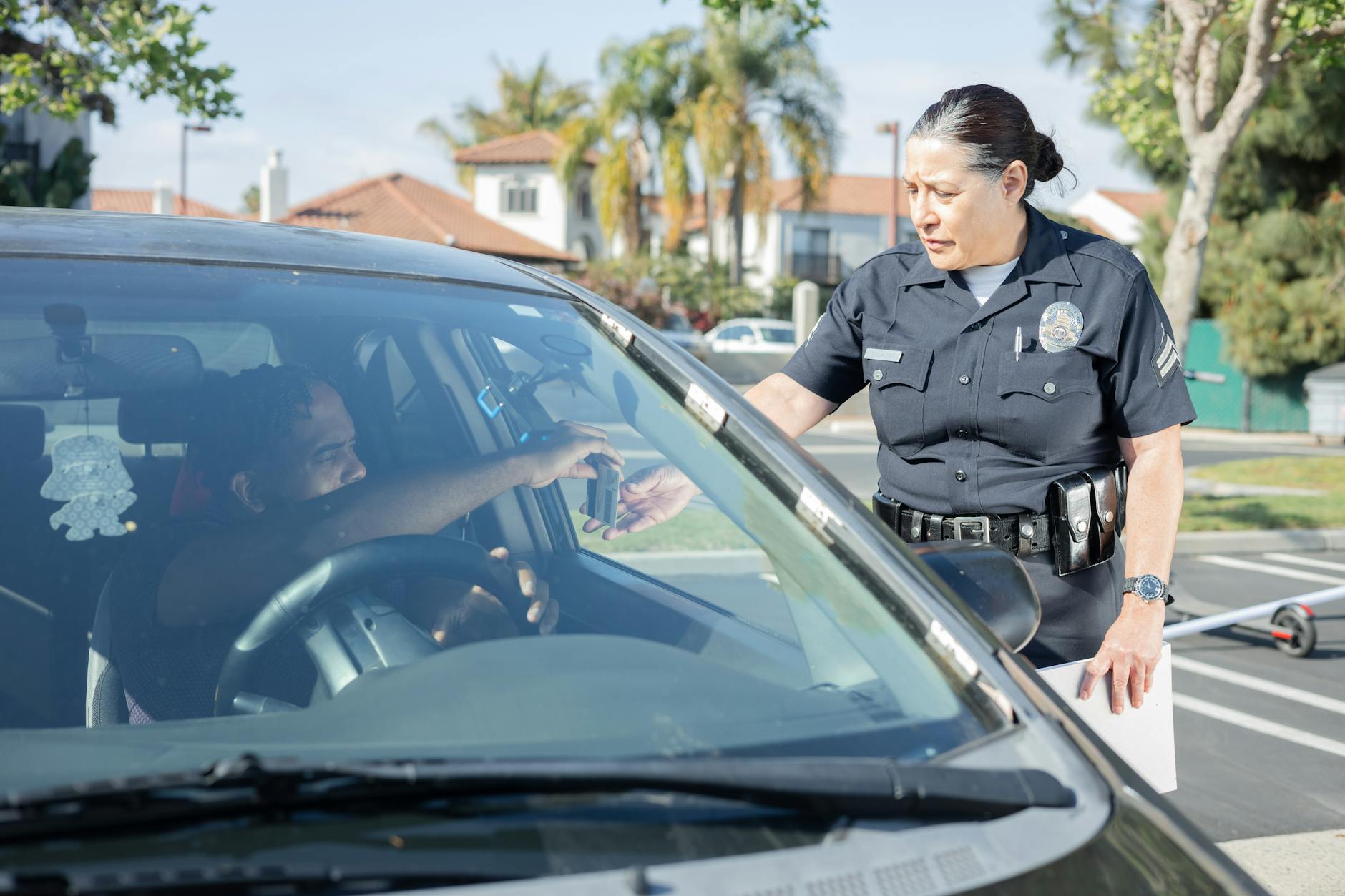
Nearly 25,000 New Yorkers were subjected to stop and frisk encounters in 2022, a stark reminder of the policy's lingering presence. The practice, which allows police officers to stop, question, and pat down individuals suspected of criminal activity, has sparked intense debate and legal challenges over the years. Critics argue it disproportionately targets minority communities, while proponents claim it helps reduce crime and remove illegal weapons from the streets.
Understanding the stop and frisk law is crucial for any New Yorker, as it directly impacts public safety and civil liberties. The practice, often referred to as stop and frisk, is rooted in the U.S. Supreme Court's 1968 Terry v. Ohio decision, which allows brief detentions and limited searches when officers have reasonable suspicion of criminal activity. Despite reforms and legal battles, the stop and frisk law remains a contentious issue, with ongoing efforts to balance effective policing with constitutional rights.
Origins of the Controversial Practice

The stop and frisk policy in New York City traces its roots to the 1968 Supreme Court decision in Terry v. Ohio, which established guidelines for police stops and searches. This landmark case set the precedent that law enforcement officers could briefly detain and pat down individuals if they had reasonable suspicion of criminal activity. The policy gained significant traction in the 1990s as part of a broader strategy to combat rising crime rates in the city.
Under Mayor Rudy Giuliani's administration, the practice became a cornerstone of the New York Police Department's (NYPD) crime-fighting efforts. The policy was further expanded during Mayor Michael Bloomberg's tenure, reaching its peak in 2011 with over 685,000 stops. Critics argue that the policy disproportionately targeted minority communities, raising concerns about racial profiling and civil liberties.
A study by the New York Civil Liberties Union (NYCLU) found that in 2011, 84% of those stopped and frisked were either Black or Latino. This disparity fueled debates about the policy's effectiveness and its impact on community-police relations. Despite its controversial nature, supporters maintained that stop and frisk played a crucial role in reducing crime rates.
The policy's origins reflect a complex interplay of legal precedent, political priorities, and public safety concerns. Understanding its development provides context for the ongoing discussions about its implementation and consequences.
Core Elements of Stop and Frisk

New York's stop and frisk policy revolves around three core elements: reasonable suspicion, brief detention, and pat-down. Police officers must have a reasonable suspicion that an individual is involved in criminal activity before initiating a stop. This suspicion is based on specific, articulable facts, not mere hunches. The detention must be brief, lasting only as long as necessary to confirm or dispel the officer's suspicions.
During the stop, officers may conduct a pat-down if they reasonably believe the individual is armed and dangerous. This frisk is limited to the outer clothing and only extends to areas where weapons could be concealed. The Supreme Court's 1968 ruling in Terry v. Ohio established these guidelines, aiming to balance public safety with individual rights. According to the New York Civil Liberties Union, over 90% of stops in recent years involved Black and Latino individuals, raising concerns about racial profiling.
A critical aspect of the policy is the requirement for officers to have a legitimate reason for each stop. This is not a blanket authorization to detain anyone at any time. The policy also mandates that officers must provide a reasonable explanation for the stop and any subsequent actions. Failure to meet these criteria can lead to legal challenges and potential lawsuits against the department. The policy's effectiveness and constitutionality have been hotly debated, with advocates and critics presenting compelling arguments on both sides.
How Police Apply the Policy Daily

New York's stop and frisk policy translates into daily police encounters across the city. Officers rely on reasonable suspicion to justify these stops, a standard that has sparked extensive debate. The New York Police Department (NYPD) reports that each encounter involves a brief investigation to determine if the individual is armed or poses a threat. These interactions can occur anywhere—on streets, in parks, or near transit hubs—and often involve pat-downs to check for weapons.
Police officers receive specific training on how to conduct these stops lawfully. They must articulate clear reasons for their suspicion, which could range from matching a suspect description to exhibiting suspicious behavior. The process typically begins with an officer's observation, followed by a verbal challenge to the individual. If reasonable suspicion is confirmed, a pat-down ensues. However, critics argue that the policy disproportionately targets minority communities, raising concerns about racial profiling.
A study by the NYU School of Law found that nearly 90% of stop and frisk encounters in 2011 resulted in no further action, highlighting the policy's controversial nature. Despite this, supporters argue that the practice enhances public safety by deterring crime and removing illegal weapons from the streets. The policy remains a contentious issue, with ongoing legal challenges and public debates shaping its future.
Impact on Communities and Crime Rates
The stop and frisk policy in New York City has had a profound impact on communities, particularly those of color. The policy, which allows police officers to stop, question, and frisk individuals suspected of criminal activity, has been criticized for disproportionately targeting minority groups. According to a report by the New York Civil Liberties Union, between 2004 and 2012, 88% of stops involved Black or Latino individuals, despite these groups making up only 54% of the city's population.
Crime rates in New York City have significantly decreased since the implementation of stop and frisk. Supporters argue that the policy has played a crucial role in reducing crime, citing a 29% drop in violent crime between 2004 and 2012. However, critics contend that the decline in crime cannot be solely attributed to stop and frisk, as other factors such as improved economic conditions and community policing efforts also contributed.
A study by the NYU School of Law found that the policy has eroded trust between police and communities. The study revealed that many residents, particularly in minority neighborhoods, feel harassed and targeted by police. This erosion of trust can hinder community policing efforts and make it more difficult for law enforcement to gather information and solve crimes.
The stop and frisk policy has also had a significant impact on the criminal justice system. The policy has led to a high number of low-level arrests, which can clog the courts and divert resources away from more serious crimes. Additionally, the policy has been criticized for disproportionately affecting young men of color, who are more likely to be stopped and frisked than other groups.
Debates Over Its Future and Legality
The stop and frisk policy in New York has sparked intense debates over its future and legacy. Critics argue that the policy disproportionately targets minority communities, citing statistics that show Black and Hispanic individuals are stopped at rates far exceeding their representation in the population. A 2018 report from the New York Civil Liberties Union found that Black New Yorkers were 11 times more likely to be stopped than their white counterparts. These disparities have fueled calls for reform or outright abolition of the practice.
Supporters of stop and frisk maintain that it is a valuable tool for crime prevention and reducing gun violence. They point to periods when the policy was aggressively implemented, coinciding with drops in crime rates. Law enforcement officials often highlight the importance of proactive policing in maintaining public safety. However, these arguments clash with growing public sentiment and legal challenges that question the policy's constitutionality and effectiveness.
Legal battles have played a significant role in shaping the policy's trajectory. In 2013, a federal court ruled that the New York Police Department's implementation of stop and frisk violated the Fourth and Fourteenth Amendments. The ruling led to significant reforms, including the appointment of a federal monitor to oversee changes in the NYPD's practices. These legal developments have further intensified the debate over the policy's future.
As New York continues to grapple with issues of policing and racial equity, the stop and frisk policy remains a contentious topic. The conversation extends beyond law enforcement, involving community leaders, activists, and policymakers. The outcome of these debates will likely shape the city's approach to public safety and criminal justice reform for years to come.
Stop and frisk is a controversial policing tactic that has sparked intense debate across the United States. At its core, the policy allows law enforcement officers to briefly detain and search individuals suspected of criminal activity based on reasonable suspicion. This practice, while intended to reduce crime, has faced significant criticism for its potential to disproportionately target minority communities.
For those concerned about their rights, understanding the legal boundaries of stop and frisk is crucial. Individuals should familiarize themselves with their constitutional protections and know when to assert their rights if they believe they are being unfairly targeted. As communities continue to push for policing reforms, the future of stop and frisk remains uncertain, with ongoing efforts to balance public safety with civil liberties.
Need this answered for your specific case?
Get a flat-fee consultation with a verified U.S. immigration attorney. Engagement letter on every paid consult.
Related guides
This guide provides general legal information and does not create an attorney–client relationship. Information accurate as of July 2026. Always verify current USCIS guidance before acting.