Nearly every state in America has recognized the severity of online harassment, with 44 states enacting laws that criminalize it. This legislative response reflects a growing understanding of the profound impact digital abuse can have on individuals and communities.
The question of "Is online harassment a criminal offense?" doesn't have a one-size-fits-all answer. Laws vary significantly from state to state, with some imposing misdemeanor charges and others treating certain types of online harassment as felonies. Understanding these nuances is crucial for anyone navigating the digital landscape, as the consequences of online harassment can extend far beyond virtual spaces, affecting real lives and livelihoods. The answer to "Is online harassment a criminal offense?" often depends on where you live and the specific circumstances of the case.
Understanding Online Harassment Definitions
Online harassment encompasses a range of behaviors that use digital platforms to intimidate, threaten, or humiliate individuals. This can include sending unwanted messages, spreading false information, or sharing private content without consent. The severity of these actions can vary widely, from annoying comments to serious threats that incite fear or cause emotional distress.
According to a study by the Pew Research Center, 41% of Americans have experienced some form of online harassment. This highlights the pervasive nature of the issue and the need for clear legal definitions. Experts emphasize that understanding the specific behaviors that constitute online harassment is crucial for effective legal intervention.
Legal definitions of online harassment differ significantly across states. Some states include specific behaviors like cyberstalking or doxxing in their laws, while others have broader definitions that encompass a wider range of actions. This variability can make it challenging for victims to seek justice, as what is considered a criminal offense in one state may not be in another.
Despite these challenges, many states have recognized the need to address online harassment through legislation. By criminalizing certain behaviors, these states aim to protect individuals from the harmful effects of digital abuse. This legal recognition is a step towards creating a safer online environment for all users.
State-by-State Legal Variations Uncovered
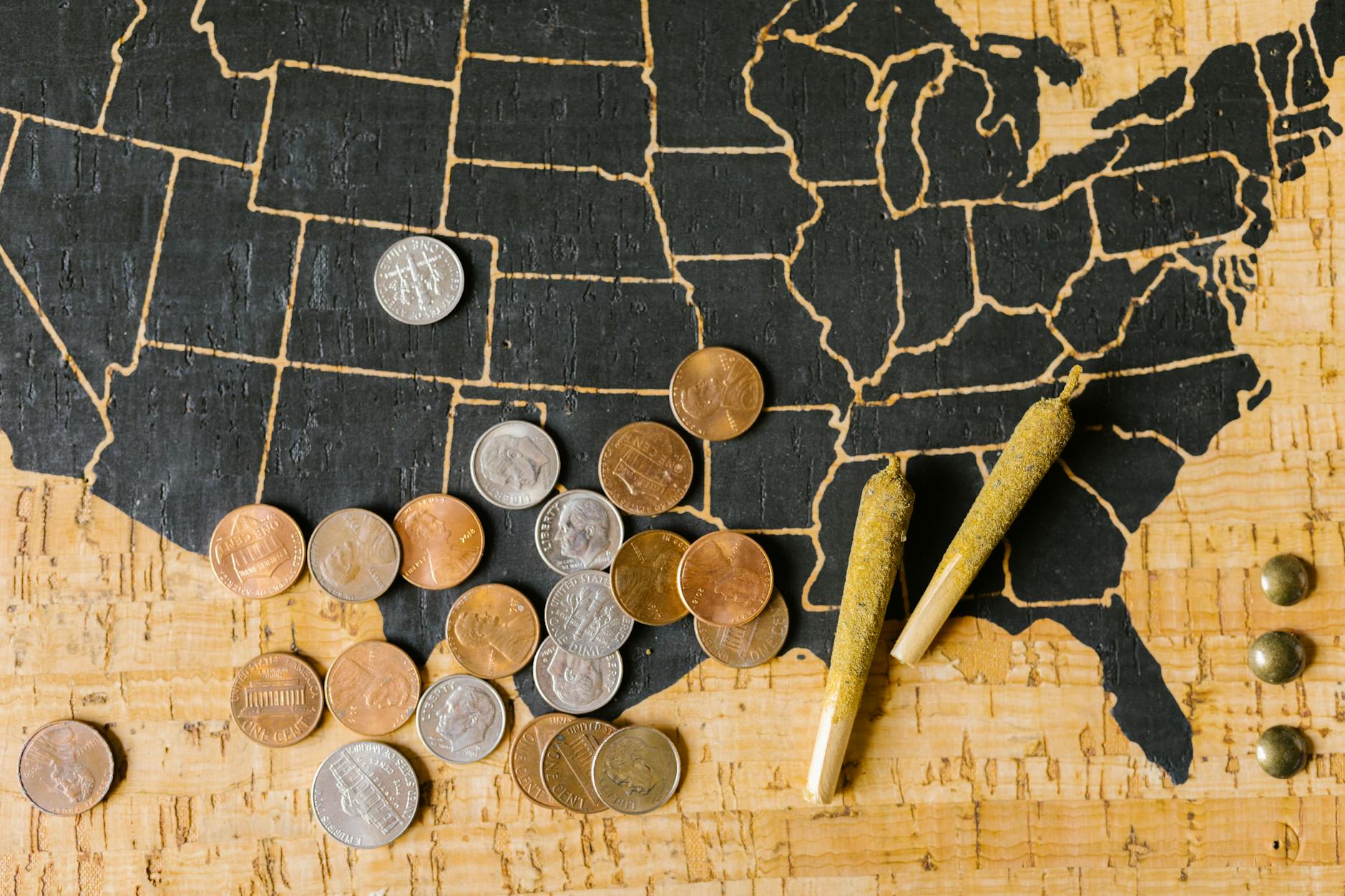
Across the United States, the legal landscape for online harassment is a patchwork of differing statutes and penalties. While 44 states have criminalized some form of online harassment, the specifics of these laws vary significantly. For instance, some states classify harassment as a misdemeanor, while others elevate it to a felony under certain circumstances. This inconsistency can create confusion for both victims and law enforcement.
California, for example, has taken a proactive stance with its comprehensive anti-harassment laws. The state criminalizes electronic harassment, including cyberstalking and cyberbullying, with penalties ranging from fines to imprisonment. According to a recent study, California's stringent laws have led to a noticeable reduction in reported online harassment cases. However, not all states have followed suit, leaving gaps in protection for victims.
In contrast, states like Florida and Texas have more limited definitions of online harassment, often requiring proof of intent to harm or harass. This higher burden of proof can make it difficult for victims to seek justice. Legal experts argue that these variations highlight the need for a more uniform approach to addressing online harassment nationwide. Until then, victims must navigate a complex and inconsistent legal system.
Real-Life Cases Highlight Legal Gaps

Across the United States, the patchwork of online harassment laws has left victims vulnerable and perpetrators unpunished. In one stark case, a victim in Texas spent years pleading for legal intervention after a harasser impersonated her online, damaging her reputation and causing severe emotional distress. Despite her efforts, the harasser faced no criminal charges due to the state's lack of specific anti-harassment legislation. This case underscores the urgent need for comprehensive laws that address the nuances of digital abuse.
A similar situation unfolded in California, where a victim endured relentless cyberstalking and threats. The harasser, operating from another state, exploited legal loopholes to evade prosecution. Experts point to this case as evidence of the interstate challenges in combating online harassment. A study by the Cyber Civil Rights Initiative found that only 44 states have criminalized online harassment, leaving many victims without recourse.
In another instance, a victim in Florida turned to social media for support after a harasser distributed intimate images without consent. While the harasser was eventually prosecuted under revenge porn laws, the victim faced a lengthy legal battle. This case highlights the importance of clear, enforceable laws that protect victims from all forms of online abuse. The lack of uniformity in state laws continues to hinder justice for victims nationwide.
These real-life cases reveal the critical gaps in current legislation. As technology evolves, so too must the laws that protect individuals from online harassment. Without consistent, robust legal frameworks, victims will continue to face significant barriers to justice. The time for action is now, as the digital landscape demands comprehensive legal protections.
Navigating Legal Protections and Loopholes
Understanding the legal landscape of online harassment requires navigating a complex web of state laws and federal guidelines. Each state has its own definitions and penalties, creating a patchwork of protections. For instance, some states explicitly criminalize cyberstalking, while others address it under broader harassment statutes. A 2021 report from the Cyber Civil Rights Initiative found that 44 states have laws specifically targeting online harassment, but the specifics vary widely.
Legal experts emphasize the importance of knowing local laws. Victims often face challenges in reporting and prosecuting cases due to jurisdictional issues. Some states require proof of intent, making it harder to secure convictions. Others focus on the impact of the harassment, considering factors like emotional distress or fear for safety. This variability can leave victims unsure of their rights or how to seek justice.
Loopholes in these laws can further complicate matters. Some states exclude certain types of communication, such as anonymous posts or messages sent through third-party platforms. Others fail to address harassment that occurs across state lines, leaving victims without clear recourse. Advocates push for more comprehensive legislation that closes these gaps and provides consistent protections nationwide.
Despite these challenges, victims can take steps to protect themselves. Documenting evidence, reporting incidents to platforms, and seeking legal counsel are crucial. Some states offer resources and support for victims, including hotlines and legal aid. Understanding the legal protections available can empower individuals to take action and hold perpetrators accountable.
Advocates Push for Uniform Legislation

Advocacy groups are rallying for nationwide consistency in online harassment legislation. Currently, laws vary significantly across states, creating a patchwork of protections. These groups argue that uniform legislation would provide clearer guidelines for both victims and law enforcement. A recent study by a prominent legal research organization found that only 44 states have criminalized online harassment, highlighting the urgent need for federal intervention.
Legal experts emphasize that the lack of uniformity creates loopholes that harassers exploit. For instance, what constitutes harassment in one state might not meet the legal threshold in another. This inconsistency leaves victims vulnerable and perpetrators unaccountable. Advocates push for a federal law that clearly defines online harassment and establishes penalties.
Public awareness campaigns are also gaining traction. Organizations are educating the public about the severity of online harassment and the importance of legal consistency. By raising awareness, they aim to build public support for uniform legislation. The goal is to create a safer digital environment for all users.
Despite the challenges, progress is being made. Several states have recently updated their laws to better address online harassment. These changes reflect a growing recognition of the issue's severity. Advocates remain hopeful that federal action will follow, ensuring comprehensive protection for all citizens.
The legal landscape of online harassment in the U.S. is a patchwork, with 44 states having criminalized it while others lag behind. Victims' protections depend largely on their location, highlighting a critical gap in national digital safety standards. To navigate this terrain, individuals should familiarize themselves with their state's specific laws and consider reporting severe cases to both platforms and law enforcement. As technology evolves, urgent calls for federal legislation could finally harmonize these protections, ensuring all Americans can engage online without fear.
Need this answered for your specific case?
Get a flat-fee consultation with a verified U.S. immigration attorney. Engagement letter on every paid consult.
Related guides
This guide provides general legal information and does not create an attorney–client relationship. Information accurate as of July 2026. Always verify current USCIS guidance before acting.