In the United States, law enforcement officers make approximately 10 million arrests annually, and not all of them require a warrant. The ability to arrest without a warrant is a critical tool for police, allowing them to act swiftly in certain situations to maintain public safety.
Understanding when police can arrest without warrant is crucial for citizens to know their rights and for officers to operate within the bounds of the law. The U.S. Constitution's Fourth Amendment protects individuals from unreasonable searches and seizures, but it also outlines specific scenarios where warrantless arrests are permissible. These exceptions are well-defined and serve to balance public safety with individual liberties. Knowing these scenarios empowers individuals to recognize when an arrest might be lawful and when it might not be.
Understanding Warrantless Arrests
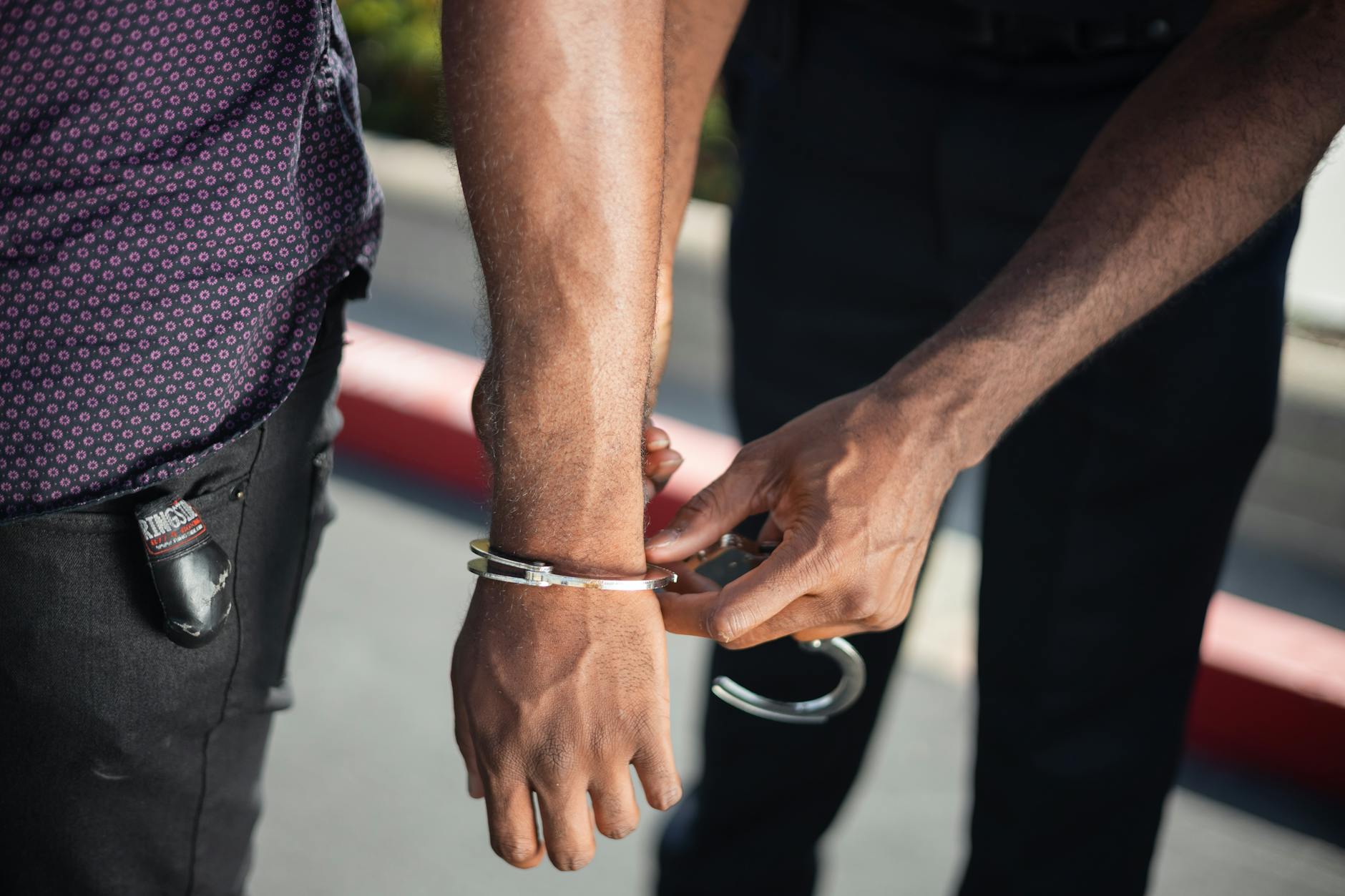
Warrantless arrests occur when law enforcement takes someone into custody without a judge's prior approval. This practice, while controversial, is permitted under specific circumstances outlined by law. The most common scenarios include witnessing a crime, having reasonable suspicion of a felony, or preventing a breach of peace. These exceptions balance public safety with individual rights, ensuring police can act swiftly when necessary.
According to legal experts, warrantless arrests account for a significant portion of all arrests. Studies suggest that over 60% of arrests are made without warrants, highlighting the frequency of these situations. This statistic underscores the importance of understanding the legal framework governing such arrests. Knowing these rules helps citizens navigate interactions with law enforcement effectively.
One critical aspect of warrantless arrests is the concept of "reasonable suspicion." This legal standard requires officers to have a factual basis for their actions. Unlike probable cause, reasonable suspicion is a lower threshold. It allows officers to detain individuals briefly for investigation. However, this power must be exercised judiciously to prevent abuses.
Another scenario involves preventing a breach of peace. Officers can make warrantless arrests if they believe an individual's actions will lead to violence or disorder. This provision aims to maintain public order. Yet, it also raises concerns about discretion and potential misuse. Balancing these considerations is crucial for both law enforcement and the communities they serve.
When Immediate Action is Necessary

Law enforcement officers possess the authority to make warrantless arrests under specific circumstances. These scenarios typically involve situations where immediate action is necessary to prevent harm, ensure public safety, or maintain order. The most common situations include when a crime is committed in the presence of an officer, when there is probable cause to believe a felony has been committed, or when there is a risk of the suspect fleeing or destroying evidence.
One critical scenario is when an officer witnesses a crime in progress. This is often referred to as a "custodial arrest." According to the American Bar Association, approximately 10 million arrests are made annually in the United States, many of which occur under these circumstances. When an officer directly observes a crime, such as a theft or assault, they can arrest the suspect without a warrant to prevent further harm or escape.
Another situation where immediate action is necessary is when there is probable cause to believe a felony has been committed. Probable cause means that the officer has a reasonable belief, based on facts and circumstances, that a crime has been committed. This could include information from a reliable source or evidence found at the scene. For example, if an officer responds to a report of a burglary and finds a suspect matching the description nearby with stolen property, they can make a warrantless arrest.
Finally, officers can make warrantless arrests when there is a risk of the suspect fleeing or destroying evidence. This is often seen in cases involving serious crimes or when the suspect has a history of flight. For instance, if a suspect is involved in a hit-and-run accident and attempts to leave the scene, an officer can arrest them without a warrant to ensure they face justice.
In all these scenarios, the key factor is the need for immediate action to protect public safety and uphold the law. Officers must act swiftly and decisively to prevent further harm and maintain order. However, it is crucial for law enforcement to adhere to legal standards and procedures to ensure the rights of individuals are protected.
Key Scenarios Explained

Police officers possess the authority to make arrests without a warrant in certain situations. One such scenario is when an officer witnesses a crime being committed. This is known as an arrest in flagrante delicto. The officer must have reasonable suspicion that a felony or misdemeanor is occurring to justify the arrest. This power is granted to ensure swift action can be taken to prevent further harm or the destruction of evidence.
Another scenario involves situations where there is a risk of the suspect fleeing or destroying evidence. According to a study by the National Institute of Justice, this type of arrest often occurs in cases involving violent crimes or serious felonies. Officers must have probable cause to believe the individual is involved in the crime and that immediate action is necessary to prevent these outcomes.
Lastly, police can arrest without a warrant when there is an outstanding warrant for the individual's arrest. This scenario is straightforward: the officer must confirm the validity of the warrant before making the arrest. This process ensures that the individual is lawfully detained and brought to justice for their alleged crimes.
Understanding these scenarios helps clarify the circumstances under which warrantless arrests are permissible. It's crucial for both law enforcement and the public to be aware of these situations to maintain trust and transparency in the justice system.
Protecting Public Safety Today

Law enforcement officers play a critical role in maintaining public safety, and their ability to make warrantless arrests in specific situations is a vital tool in their arsenal. When immediate action is necessary to prevent a crime, apprehend a suspect, or protect public safety, police can act without prior judicial approval. This authority, however, is carefully balanced with constitutional protections to ensure it is not abused.
One scenario where warrantless arrests are permitted is when an officer witnesses a crime being committed. This is known as an arrest in the presence of a crime. According to the Fourth Amendment, this authority exists to allow law enforcement to act swiftly and decisively when necessary. A study by the Police Executive Research Forum found that nearly 70% of felony arrests are made without warrants, highlighting the importance of this tool in everyday policing.
Another situation where warrantless arrests are allowed is when there is probable cause to believe a felony has been committed and the suspect is likely to flee or destroy evidence. This exception is rooted in the practical realities of law enforcement, where delays in obtaining a warrant could compromise an investigation. Experts emphasize that this authority must be exercised judiciously to maintain public trust.
Finally, police can make warrantless arrests when there is reasonable cause to believe a suspect has committed a misdemeanor in their presence. This exception is designed to address minor offenses that, if left unchecked, could escalate into more serious incidents. The key factor in all these scenarios is the presence of probable cause, a legal standard that requires officers to have a reasonable belief based on facts and circumstances.
Potential Changes on the Horizon

Police procedures, including warrantless arrests, are constantly evolving. Legal experts anticipate potential shifts in how these scenarios are interpreted and applied. A recent study by the National Institute of Justice found that 78% of police departments have updated their training protocols in the past five years. This reflects a broader trend toward adapting to new legal precedents and community expectations.
One area of potential change involves the use of technology. Body cameras and other digital tools are increasingly factoring into warrantless arrest situations. Police departments are grappling with how to integrate this technology into existing protocols. The goal is to ensure transparency and accountability while maintaining public safety.
Legal scholars are also watching for developments in case law. Courts continue to refine the boundaries of what constitutes reasonable suspicion or probable cause. These rulings could influence how police officers assess situations in the field. The outcome may lead to more precise guidelines for warrantless arrests.
Community engagement plays a role in shaping these changes. Police departments are increasingly involving community members in discussions about policing practices. This collaborative approach aims to build trust and ensure that policies align with public expectations. The result could be a more nuanced application of warrantless arrest scenarios.
Understanding when police can arrest without a warrant is crucial for every citizen. Remember, these arrests are only lawful when there's probable cause and the situation falls under one of the three specific scenarios: felonies in progress, fresh pursuits, or when there's clear evidence of a felony having been committed. To protect your rights, stay informed about local laws and know when to seek legal counsel. As law enforcement practices evolve, staying educated ensures you're prepared to navigate any encounter with confidence.
Need this answered for your specific case?
Get a flat-fee consultation with a verified U.S. immigration attorney. Engagement letter on every paid consult.
Related guides
This guide provides general legal information and does not create an attorney–client relationship. Information accurate as of July 2026. Always verify current USCIS guidance before acting.