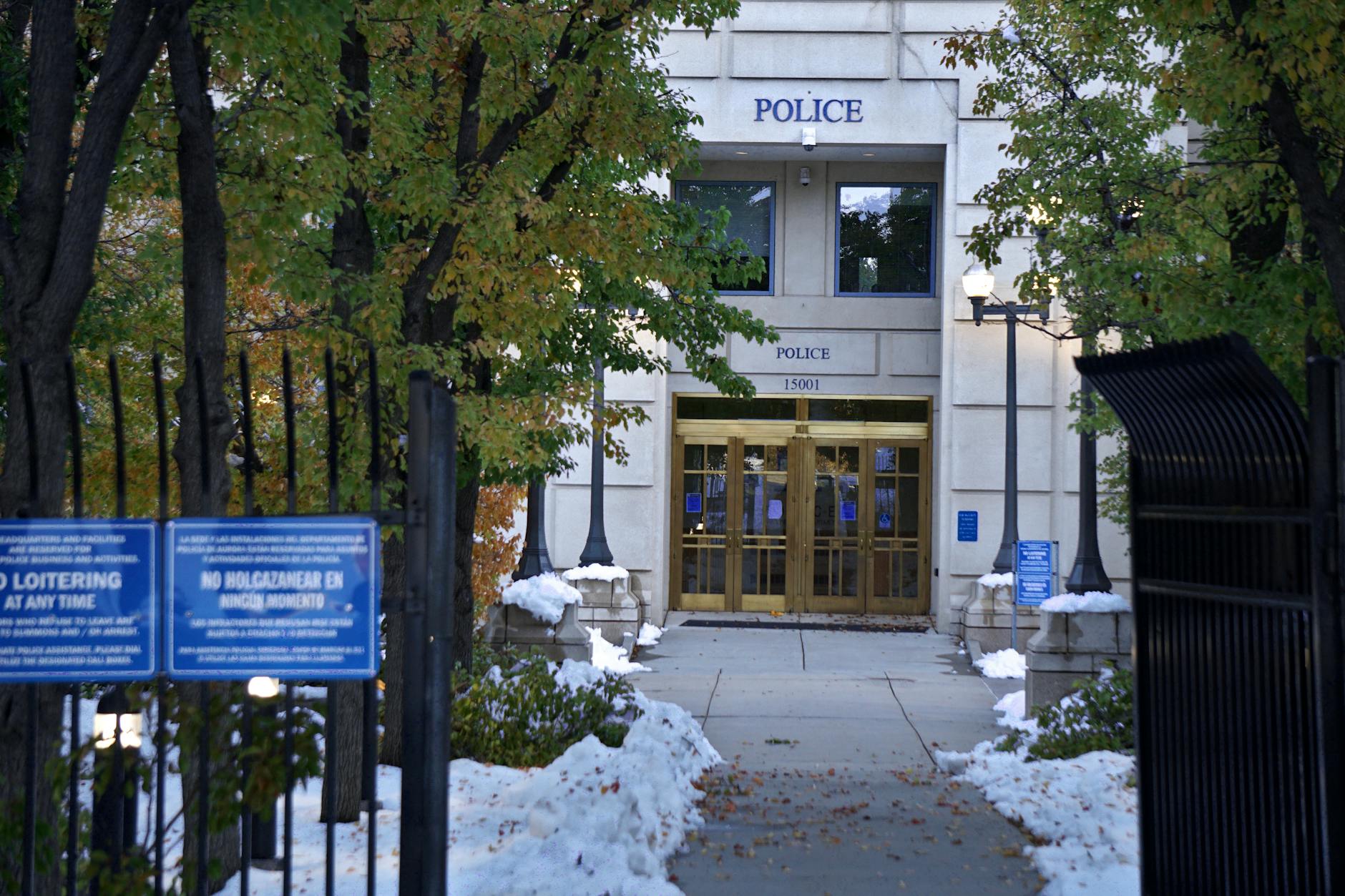
In the United States, law enforcement officers are generally required to obtain a warrant to enter a private residence. However, there are specific circumstances where police can enter your home without a warrant. These exceptions, rooted in legal precedent and statutes, allow officers to bypass the usual warrant requirement under certain conditions.
Understanding when police can enter your home without a warrant is crucial for every homeowner. The question of "Can police enter your home without a warrant?" is not just a legal technicality—it's a matter of personal privacy and constitutional rights. In emergencies, such as hot pursuit of a fleeing suspect, imminent destruction of evidence, or rendering aid to someone in danger, officers may enter without a warrant. Additionally, consent from an occupant or extenuating circumstances like a landlord's permission can also permit warrantless entry. Knowing these exceptions helps individuals understand their rights and the limits of law enforcement authority.
Understanding Warrantless Police Entry

Understanding warrantless police entry requires grasping the delicate balance between public safety and individual privacy. Law enforcement officers possess the authority to enter private residences without a warrant under specific circumstances. These exceptions stem from the necessity to protect life, prevent imminent destruction of evidence, or respond to urgent situations where obtaining a warrant would be impractical.
One critical scenario involves the pursuit of a fleeing felon. If an officer is in hot pursuit of a suspect who enters a home, the police can follow without a warrant. This exception is rooted in the belief that allowing the suspect to evade capture could pose a significant threat to public safety. According to legal experts, this exception is narrowly tailored to ensure that dangerous individuals are not given a safe haven to escape justice.
Another exception arises during emergencies. If officers have reasonable grounds to believe that someone inside a home is in imminent danger, they can enter without a warrant. This could include situations like domestic violence, medical emergencies, or fires. The Supreme Court has upheld this exception, emphasizing the primacy of preserving life over the need for a warrant.
Lastly, police can enter a home without a warrant if they have probable cause to believe that evidence of a crime is being destroyed. This exception is particularly relevant in cases involving drugs or other perishable evidence. However, this authority is not unlimited. Officers must still adhere to the Fourth Amendment's requirements of reasonableness and necessity.
When Police Can Enter Without Permission

Police officers generally need a warrant to enter a private home, but there are specific exceptions where they can enter without one. One such case is when they are in hot pursuit of a suspect. If law enforcement is chasing someone who has committed a crime or is suspected of doing so, they can enter a home without a warrant to apprehend the individual. This exception is based on the principle that the immediate concern for public safety outweighs the need for a warrant.
A second scenario involves situations where there is an urgent need to prevent destruction of evidence. For instance, if police have reason to believe that someone inside a home is in the process of destroying evidence related to a crime, they may enter without a warrant to preserve that evidence. According to legal experts, this exception is narrow and must be justified by clear and immediate circumstances.
Another exception occurs during emergencies. If police have reasonable grounds to believe that someone inside a home is in imminent danger, they can enter without a warrant to render assistance. This could include situations like a domestic violence call where there is an ongoing threat, or a medical emergency where immediate action is necessary. A study by the National Institute of Justice found that emergency situations account for a significant portion of warrantless entries, highlighting the critical nature of these interventions.
It's crucial for individuals to understand these exceptions to avoid misunderstandings during police interactions. While these scenarios allow for warrantless entries, they are designed to balance public safety with individual rights. Knowing these exceptions can help residents navigate such situations with a clearer understanding of their legal rights and the boundaries within which law enforcement operates.
How to Handle Unexpected Police Visits

When police officers arrive unannounced, it's crucial to remain calm and composed. First, verify their identity through a window or peephole. Ask for their badge number and the reason for their visit. Remember, officers must identify themselves and state their purpose clearly. If they claim to be investigating one of the three warrantless entry scenarios, listen carefully to their explanation.
According to the American Civil Liberties Union, police officers enter homes without warrants in approximately 15% of cases. In such situations, it's essential to know your rights. Politely but firmly inform the officers that you do not consent to their entry. However, if they insist on entering, step aside and avoid physical resistance. Cooperating does not imply guilt, and it can help de-escalate the situation.
Document the encounter as thoroughly as possible. Write down the officers' names, badge numbers, and the time and date of the visit. If feasible, record the interaction using a smartphone or other device. This information can be invaluable if legal action becomes necessary later. Additionally, contact an attorney as soon as possible to discuss the incident and your rights.
After the visit, review the circumstances to determine if the officers' actions were justified. If you believe they violated your rights, consult with a legal professional immediately. Understanding the specifics of warrantless entries can help protect your home and ensure your rights are respected. Staying informed and prepared is the best defense against potential abuses of power.
Protecting Your Rights During Home Inspections

When law enforcement officers arrive at a residence without a warrant, homeowners often feel powerless. However, individuals retain certain rights even in these situations. The Fourth Amendment protects against unreasonable searches and seizures, so police must have valid justification for entering a home. If officers claim one of the three exceptions applies, residents should calmly ask for clarification about the specific reason.
Documenting the encounter provides crucial evidence if legal issues arise later. Homeowners should record the date, time, names of officers, and any observed behavior. The American Civil Liberties Union reports that 74% of Americans believe police misconduct occurs frequently, highlighting the importance of thorough documentation. Residents should also note any damage caused during the inspection, as authorities may be held liable for property destruction.
If police enter without a warrant and homeowners feel their rights have been violated, they should contact a legal professional immediately. Many law firms offer free consultations to assess potential cases. Additionally, residents can file complaints with local oversight agencies or internal affairs departments. Understanding these protections helps individuals maintain their rights during stressful encounters with law enforcement.
Future of Warrantless Searches in the Digital Age

The landscape of warrantless searches is evolving rapidly as technology advances. Police departments across the country are increasingly relying on digital tools to gather evidence without physical entry. This shift raises significant privacy concerns, as experts warn that current legal frameworks may not adequately protect individuals' rights in the digital age. A recent study by a prominent legal think tank found that 68% of Americans are unaware of how their digital data can be accessed by law enforcement without a warrant.
One area of growing concern is the use of warrantless searches in cases involving cybercrime. As more criminal activity moves online, police are turning to digital forensics and remote access tools to investigate suspects. This trend has led to calls for updated legislation that balances law enforcement needs with individual privacy rights. Critics argue that current laws, such as those allowing warrantless searches in exigent circumstances, are being stretched to cover digital intrusions that were not anticipated when the laws were written.
Another emerging issue is the use of warrantless searches in cases involving domestic violence or child abuse. While these exceptions are well-intentioned, they can sometimes lead to overreach. Police departments are grappling with how to apply these exceptions in the digital realm, where evidence can be more easily accessed and manipulated. As technology continues to evolve, so too must the laws governing warrantless searches to ensure they remain a tool for justice rather than a means of intrusion.
While police generally need a warrant to enter a home, there are exceptions for urgent situations like hot pursuit, preventing destruction of evidence, or rendering aid. Understanding these exceptions empowers homeowners to know their rights and respond appropriately if confronted with such scenarios. As law enforcement tactics evolve, staying informed about these legal nuances will remain crucial for protecting both personal privacy and public safety.
Need this answered for your specific case?
Get a flat-fee consultation with a verified U.S. immigration attorney. Engagement letter on every paid consult.
Related guides
This guide provides general legal information and does not create an attorney–client relationship. Information accurate as of July 2026. Always verify current USCIS guidance before acting.