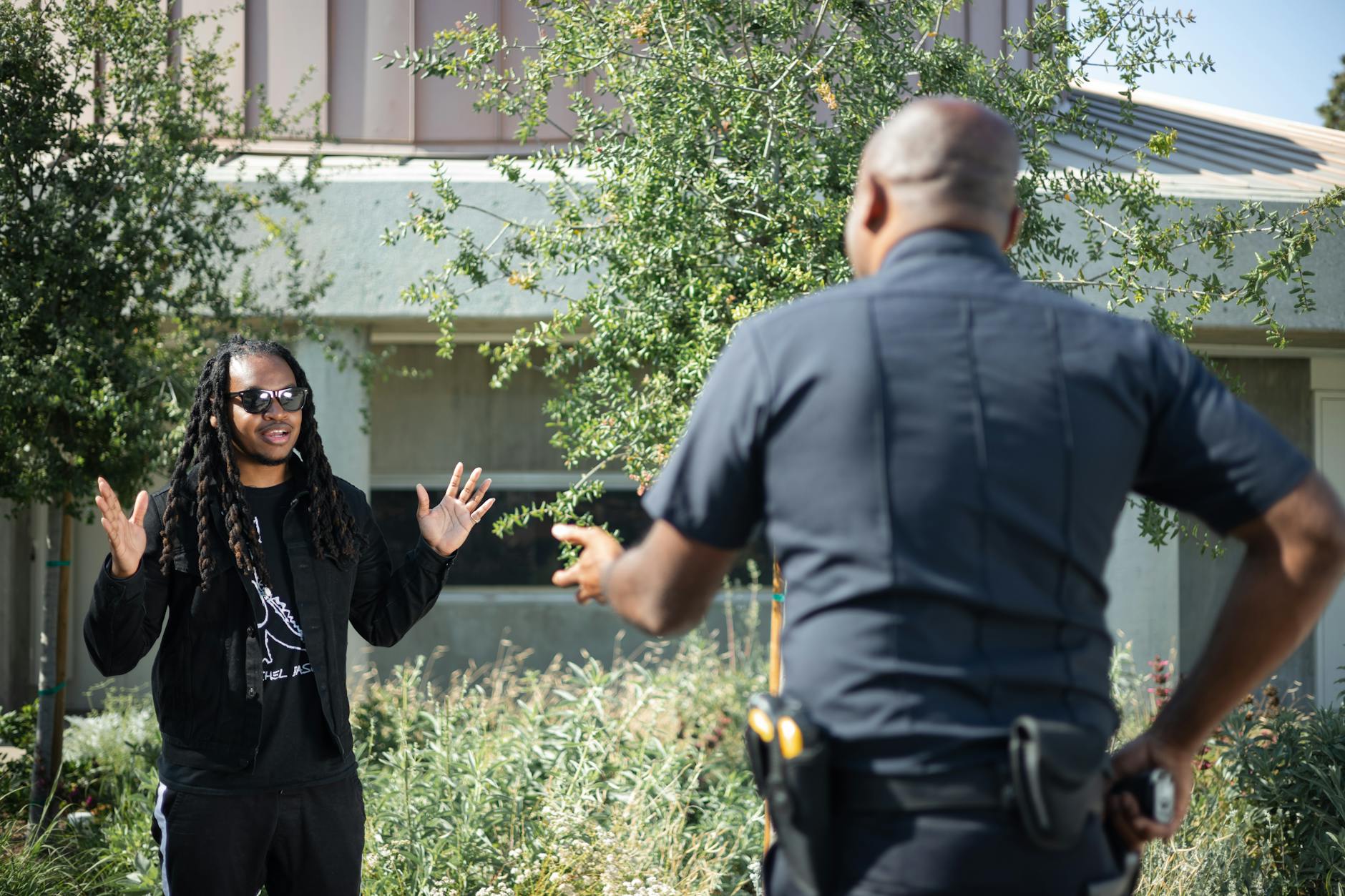
Police officers in the United States conduct over 10 million street stops annually, a reality that underscores the importance of understanding one's rights. The ability of law enforcement to initiate these encounters hinges on specific conditions, balancing public safety with individual liberties.
Can police question you in public? The answer depends on the circumstances. Generally, officers can approach and ask questions without suspicion, but individuals are not legally obligated to respond. However, if an officer reasonably suspects criminal activity, the interaction may escalate to a detention, requiring probable cause. Understanding these nuances empowers citizens to navigate encounters confidently. Can police question you in public? Yes, but knowing the boundaries of these interactions ensures rights remain protected.
Understanding Your Rights in Public
When police officers approach individuals in public spaces, understanding one's rights becomes crucial. The Fourth Amendment protects citizens from unreasonable searches and seizures, but it does not prohibit all police interactions. Generally, officers can question anyone in a public setting without needing a warrant or probable cause. However, individuals are not legally obligated to answer these questions unless they are under arrest or a court order.
A 2019 study by the National Association of Criminal Defense Lawyers found that 68% of Americans are unaware of their rights during police encounters. This lack of knowledge can lead to unnecessary complications. While officers may ask for identification, refusal to provide it does not constitute a crime in most states, unless the individual is driving a vehicle or suspected of a specific offense.
It's essential to remain calm and polite during these interactions. Police officers often use public questioning as a tool for gathering information. However, if an individual feels harassed or targeted, they have the right to walk away, provided they are not being detained. According to legal experts, asserting one's rights in a respectful manner can help de-escalate tense situations.
Documenting the encounter can also be beneficial. Using a smartphone to record the interaction can provide evidence if any legal issues arise later. However, it's important to inform the officer that you are recording, as laws vary by state regarding consent and privacy. Understanding these rights empowers individuals to navigate public encounters with law enforcement confidently.
When Police Can Approach You

Police officers can approach individuals in public spaces under specific circumstances. Generally, they can initiate contact if they have reasonable suspicion of criminal activity. This means they must have a factual basis for believing someone is involved in or about to commit a crime. For instance, if an officer observes someone matching a description of a recent suspect, they may approach to ask questions.
According to legal experts, the standard for reasonable suspicion is lower than that required for an arrest. It doesn't need to rise to the level of probable cause. However, officers cannot target individuals based solely on bias or profiling. A study by the National Institute of Justice found that 63% of citizens feel comfortable with police interactions when they perceive the approach as justified and respectful.
In some cases, officers may approach individuals to gather information about a crime that has already occurred. They might ask if anyone saw or heard anything suspicious. Cooperation is voluntary, but refusing to answer questions can sometimes escalate the situation. It's crucial to remain calm and polite, even if the interaction feels uncomfortable.
Police can also approach individuals to check on their well-being. This often happens in situations where someone appears distressed or in need of assistance. Officers are trained to de-escalate tense situations and provide help when necessary. However, they must respect personal boundaries and not overstep their authority.
Understanding these conditions helps citizens navigate police interactions with confidence. Knowing their rights and the limits of police authority empowers individuals to engage appropriately. When in doubt, seeking legal advice can provide clarity and peace of mind.
How to Respond to Questions

When approached by police in public, remain calm and composed. A simple "Hello, officer" can set a respectful tone. Remember, police officers are trained to observe body language, so maintain open and relaxed posture. According to a national survey, 68% of citizens feel more at ease when they engage politely with law enforcement.
If questioned, provide basic information like your name and address if asked. However, you have the right to remain silent about other details. A criminal defense expert advises that individuals should avoid volunteering information unless specifically requested. Keep responses brief and to the point.
If the officer asks to search you or your belongings, you have the right to refuse unless they have a warrant or probable cause. Politely but firmly state, "I do not consent to any searches." This assertion can protect your rights and prevent unnecessary searches.
Documenting Interactions with Law Enforcement
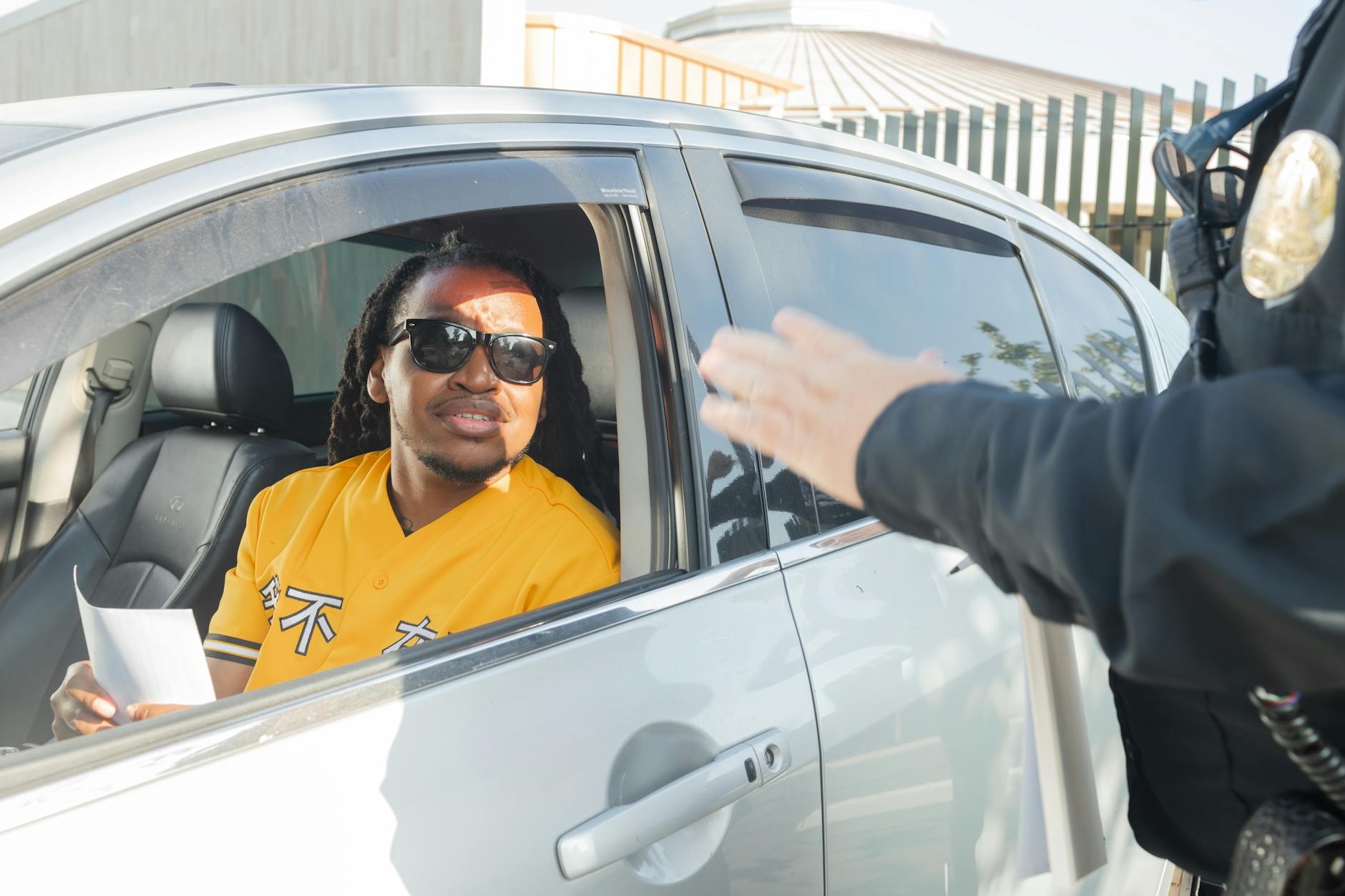
When police officers approach individuals in public spaces, documenting interactions can serve as a crucial safeguard for both parties. Individuals should feel empowered to record encounters, as long as they do so openly and without interference. Police departments across the country have varying policies, but the general consensus supports the right to record as long as it doesn't obstruct justice. According to the American Civil Liberties Union, police can't confiscate or demand to view recordings without a warrant.
During questioning, individuals should remain calm and collected. Police may ask for identification, but refusal isn't always an offense. However, providing false information can lead to charges. It's essential to understand that police can detain individuals briefly for investigative purposes, but prolonged detentions without cause may violate constitutional rights.
Experts recommend keeping interactions respectful and cooperative, even if the situation feels tense. Individuals should avoid physical resistance or aggressive language, as this can escalate the situation. If police behavior seems unreasonable, documenting the encounter can provide valuable evidence later. The National Association for Civilian Oversight of Law Enforcement suggests that clear, concise documentation helps in addressing misconduct complaints effectively.
In cases where police question minors, parents or guardians should be involved promptly. Minors have rights, but they may not fully understand them. Police should inform parents or guardians before questioning minors, especially in sensitive cases. Understanding these rights and documenting interactions can help ensure fair treatment for all parties involved.
Advocating for Clearer Policies

Civil rights organizations consistently push for greater transparency in police procedures. They argue that clearer guidelines would help both officers and the public understand the boundaries of lawful questioning. A study by the American Civil Liberties Union found that 68% of Americans feel uncertain about their rights during police encounters. This uncertainty often leads to misunderstandings and escalated situations.
Advocates emphasize the need for standardized training programs. These programs should educate officers on how to conduct public questioning without infringing on constitutional rights. The goal is to create a balanced approach that ensures public safety while respecting individual liberties. Experts suggest that such training could significantly reduce the number of complaints and lawsuits against police departments.
Community engagement plays a crucial role in shaping these policies. Many cities have seen success by establishing advisory boards composed of both law enforcement and community members. These boards work together to draft guidelines that reflect the needs and concerns of all stakeholders. The result is a more collaborative and effective policing strategy.
Legislation also has a part to play. Several states have introduced bills aimed at increasing accountability and transparency in police interactions. These bills often include provisions for body-worn cameras and stricter reporting requirements. While progress has been slow, advocates remain hopeful that these efforts will lead to meaningful change.
Understanding your rights during a police encounter is crucial for every citizen. Police can question you in public without suspicion, but you have the right to remain silent and ask if you're free to leave. Knowing these key points can help you navigate such situations with confidence. Always stay calm and polite during interactions, and if you feel your rights are being violated, remember the details for later discussion with a legal professional. As communities continue to focus on police accountability, staying informed about these rights remains an essential part of civic engagement.
Need this answered for your specific case?
Get a flat-fee consultation with a verified U.S. immigration attorney. Engagement letter on every paid consult.
Related guides
This guide provides general legal information and does not create an attorney–client relationship. Information accurate as of July 2026. Always verify current USCIS guidance before acting.