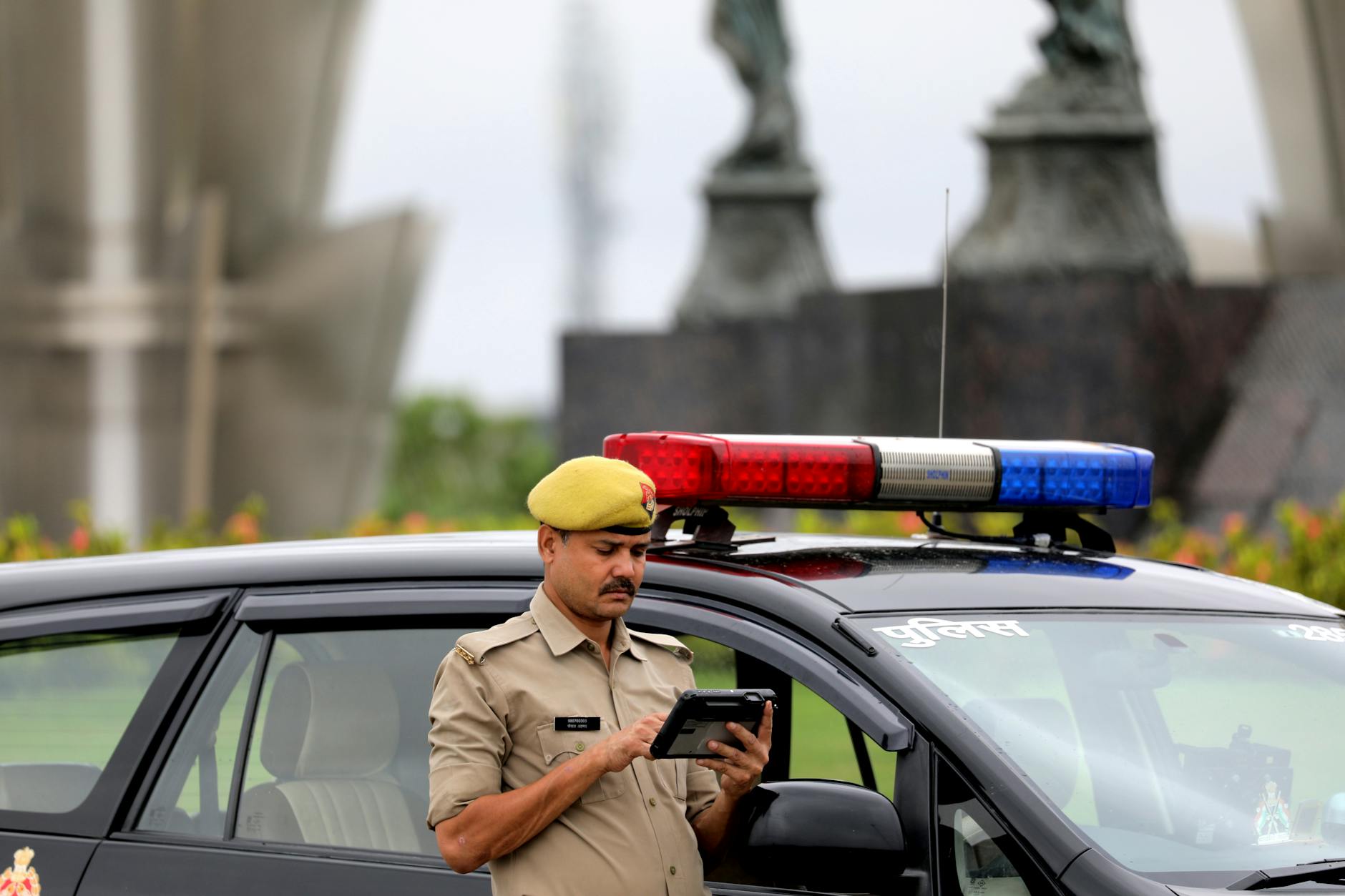
When a police officer collects your personal data, they aren't the only ones who can access it. In fact, that information can be shared with up to 17,000 different agencies. This vast network of data sharing raises significant privacy concerns for citizens. The question of "Can police share your data?" doesn't have a simple answer, as policies vary widely depending on location and circumstances. However, the potential for widespread dissemination of personal information is undeniable.
Understanding the scope of data sharing is crucial for anyone concerned about their privacy. The ability of police to share your data extends far beyond local law enforcement. It encompasses federal agencies, private contractors, and even international entities in some cases. This interconnected web of information exchange means that personal data can travel far beyond its original collection point. Knowing "Can police share your data?" is just the first step in navigating this complex landscape. The next is understanding the implications and taking steps to protect your personal information.
Understanding Data Sharing Agreements

Data sharing agreements form the backbone of information exchange between law enforcement agencies. These agreements outline the terms, conditions, and legal frameworks under which data can be shared. Typically, they specify the types of data that can be exchanged, the purposes for which it can be used, and the safeguards in place to protect individuals' privacy rights.
According to a recent study by a leading privacy advocacy group, over 80% of law enforcement agencies in the U.S. participate in some form of data sharing network. These networks can include local, state, and federal agencies, as well as international partners. The scope of data shared can range from criminal records and arrest histories to more sensitive information like biometric data and financial records.
Understanding the specifics of these agreements is crucial for ensuring transparency and accountability. Many agreements include provisions for auditing and monitoring to prevent misuse of shared data. However, critics argue that the lack of uniform standards and oversight can lead to inconsistencies and potential abuses. For instance, some agreements may allow data to be shared for purposes beyond its original intent, raising concerns about privacy and civil liberties.
Legal experts emphasize the importance of clear and concise language in these agreements. Ambiguities can lead to misinterpretations and unintended consequences. As data sharing becomes more prevalent, there is a growing call for standardized protocols and stronger legal safeguards to protect individuals' rights. This evolving landscape highlights the need for ongoing vigilance and public awareness.
How Police Departments Exchange Information

Police departments across the United States rely on a complex web of systems to exchange information. The most prominent among these is the FBI's National Crime Information Center (NCIC), a database containing over 14 million active records. This system allows law enforcement agencies to share data on everything from wanted persons to stolen property. However, the NCIC is just one piece of the puzzle.
Local and state agencies also maintain their own databases, often interconnected through regional networks. These systems enable officers to access information quickly, even when working across jurisdictions. For instance, the California Law Enforcement Telecommunications System (CLETS) connects over 1,500 agencies within the state, facilitating seamless data exchange.
Additionally, police departments use various software platforms to share information. These tools often integrate with other databases, creating a comprehensive view of individuals and incidents. According to a report by the Police Executive Research Forum, many departments now use mobile data terminals in patrol cars, allowing officers to access and update records in real-time.
Despite these advancements, challenges remain. Data privacy concerns and interoperability issues can hinder effective information sharing. As technology evolves, police departments continue to adapt, striving to balance efficiency with the need to protect sensitive information.
What Data Can Be Shared and Why
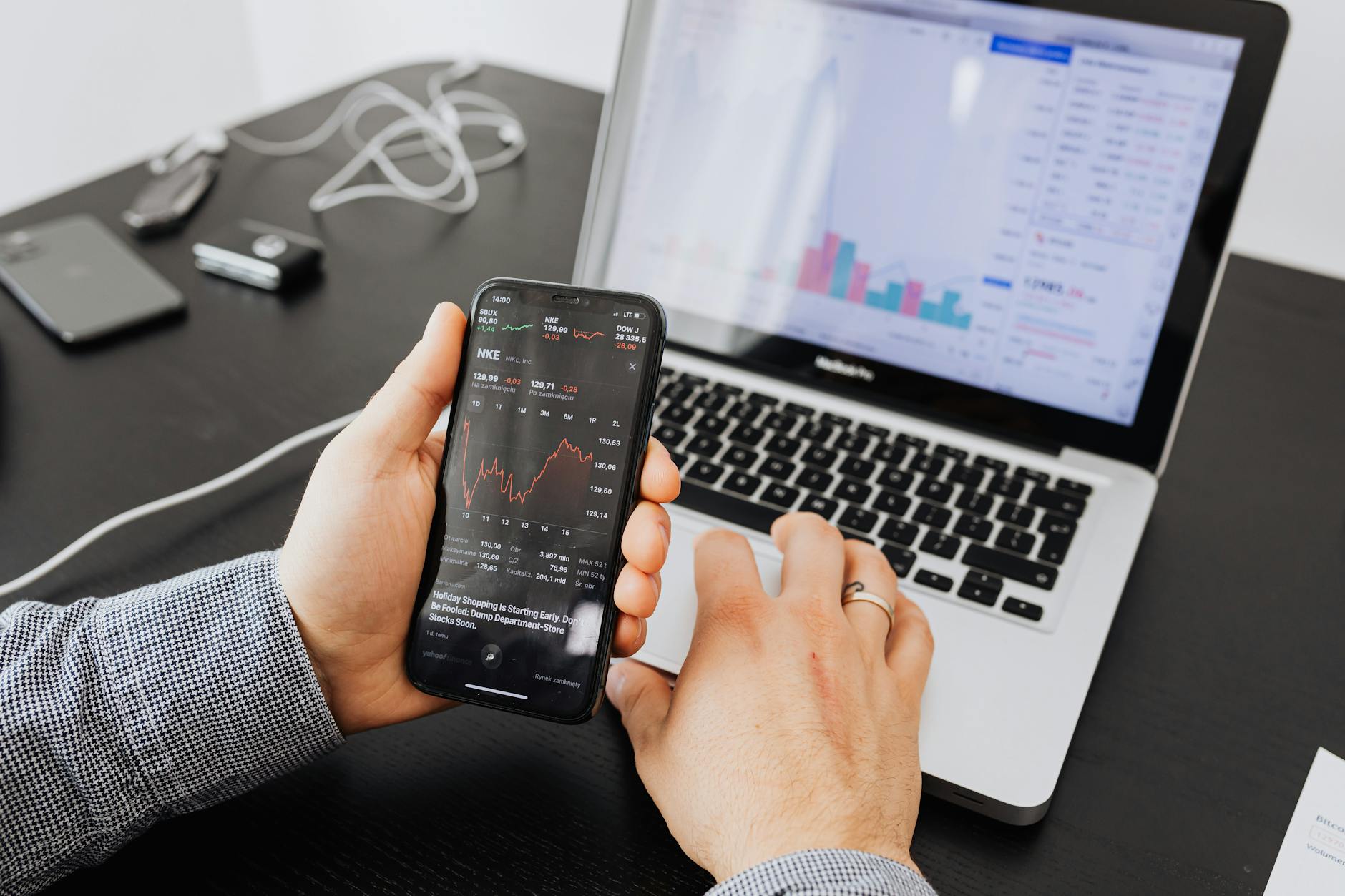
Police departments can share a wide range of data with other agencies, primarily to aid in investigations, prevent crimes, and ensure public safety. This data includes criminal records, arrest reports, and traffic violations. Additionally, they may share personal information such as names, addresses, and vehicle details. The sharing of this data is governed by strict laws and regulations to protect individual privacy.
According to a report by the Brennan Center for Justice, law enforcement agencies in the U.S. share data with approximately 17,000 other agencies. This extensive network allows for efficient information exchange, but it also raises concerns about data security and privacy. Agencies must adhere to protocols to ensure that data is used appropriately and not misused.
Personal data shared by police can include sensitive information like fingerprints, DNA samples, and surveillance footage. This information is crucial for solving crimes and identifying suspects. However, the sharing of such data must be carefully monitored to prevent abuse. Experts emphasize the need for robust data protection measures to safeguard individuals' rights while maintaining effective law enforcement.
Data sharing also extends to non-criminal information, such as missing persons reports and emergency alerts. This helps in coordinating responses and ensuring community safety. The balance between sharing necessary information and protecting privacy remains a critical challenge for law enforcement agencies.
Protecting Your Privacy in the Digital Age
In an era where data flows freely, protecting personal privacy has become increasingly challenging. Police agencies, in particular, hold vast amounts of sensitive information. When this data is shared with thousands of other agencies, the potential for misuse or unauthorized access grows significantly. Experts warn that such widespread data sharing can lead to serious privacy violations.
One critical step individuals can take is to understand their rights. Many countries have laws that govern how personal data can be collected, stored, and shared. Familiarizing oneself with these regulations can provide a foundation for protecting personal information. For instance, knowing when and how to request access to one's own data can be empowering.
Technology also plays a crucial role in safeguarding privacy. Encryption tools, secure messaging apps, and virtual private networks (VPNs) can help individuals maintain control over their data. According to a recent study, over 60% of internet users have adopted at least one privacy-enhancing technology. This trend highlights the growing awareness and concern about digital privacy.
Ultimately, staying informed and proactive is key. Regularly reviewing privacy settings on social media platforms, being cautious about sharing personal information online, and keeping software up to date can all contribute to a stronger privacy posture. By taking these steps, individuals can better protect themselves in an increasingly interconnected world.
The Future of Data Sharing in Law Enforcement

The future of data sharing in law enforcement is poised to become even more interconnected. As technology advances, agencies are increasingly adopting integrated systems that allow for seamless data exchange. This trend raises significant privacy concerns, as personal information could become more accessible across jurisdictions. Experts warn that without robust safeguards, this expansion could lead to misuse or unauthorized access. The balance between efficient policing and individual privacy remains a critical challenge.
A recent study by a leading cybersecurity firm revealed that over 80% of law enforcement agencies plan to enhance their data-sharing capabilities within the next five years. This push for integration is driven by the need for faster response times and more effective crime prevention. However, critics argue that the rush to connect systems often outpaces the development of adequate security protocols. The potential for data breaches or misuse grows as more agencies gain access to sensitive information.
To mitigate these risks, law enforcement agencies must prioritize transparency and accountability. Clear guidelines and regular audits can help ensure that data sharing remains within legal and ethical boundaries. Public trust is essential, and agencies must be proactive in addressing concerns about privacy. As data sharing evolves, so too must the frameworks that govern it, ensuring that technological progress does not come at the cost of individual rights.
The revelation that police can share your data with 17,000 agencies underscores the vast reach of law enforcement databases and the potential for widespread data dissemination. While this sharing can aid in investigations, it also raises significant privacy concerns for individuals. To mitigate risks, citizens should stay informed about their rights and the data collected about them, regularly reviewing and updating privacy settings where possible. As technology and data sharing practices evolve, ongoing public discourse and robust legal frameworks will be crucial to balance effective policing with personal privacy protections.
Need this answered for your specific case?
Get a flat-fee consultation with a verified U.S. immigration attorney. Engagement letter on every paid consult.
Related guides
This guide provides general legal information and does not create an attorney–client relationship. Information accurate as of July 2026. Always verify current USCIS guidance before acting.