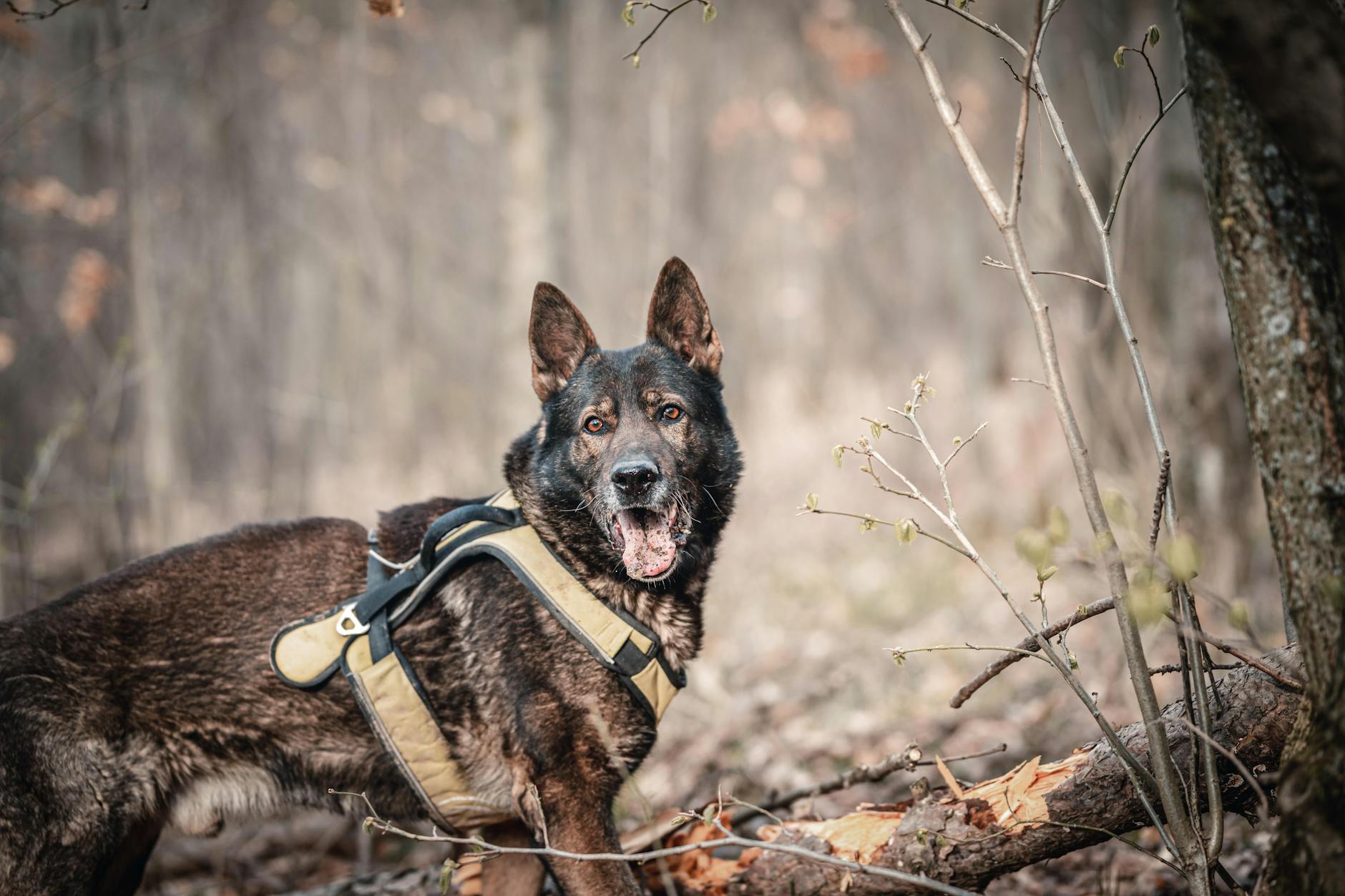
Police dogs are deployed in over 60% of drug-related searches in the United States, demonstrating their critical role in law enforcement. These highly trained canines possess an extraordinary sense of smell, capable of detecting even minuscule amounts of contraband. Their effectiveness has made them invaluable assets in the fight against crime, particularly in specific scenarios where their unique skills can be leveraged.
Understanding when and how police can use dogs to search individuals is crucial for anyone navigating the legal landscape. Can police use dogs to search you? The answer depends on the circumstances. Law enforcement agencies utilize these canine units in three primary scenarios: during traffic stops, at airports, and in public places where reasonable suspicion exists. Can police use dogs to search you in these situations? Absolutely, but there are strict guidelines and legal precedents that govern their use, ensuring a balance between public safety and individual rights.
Understanding police search dog rights
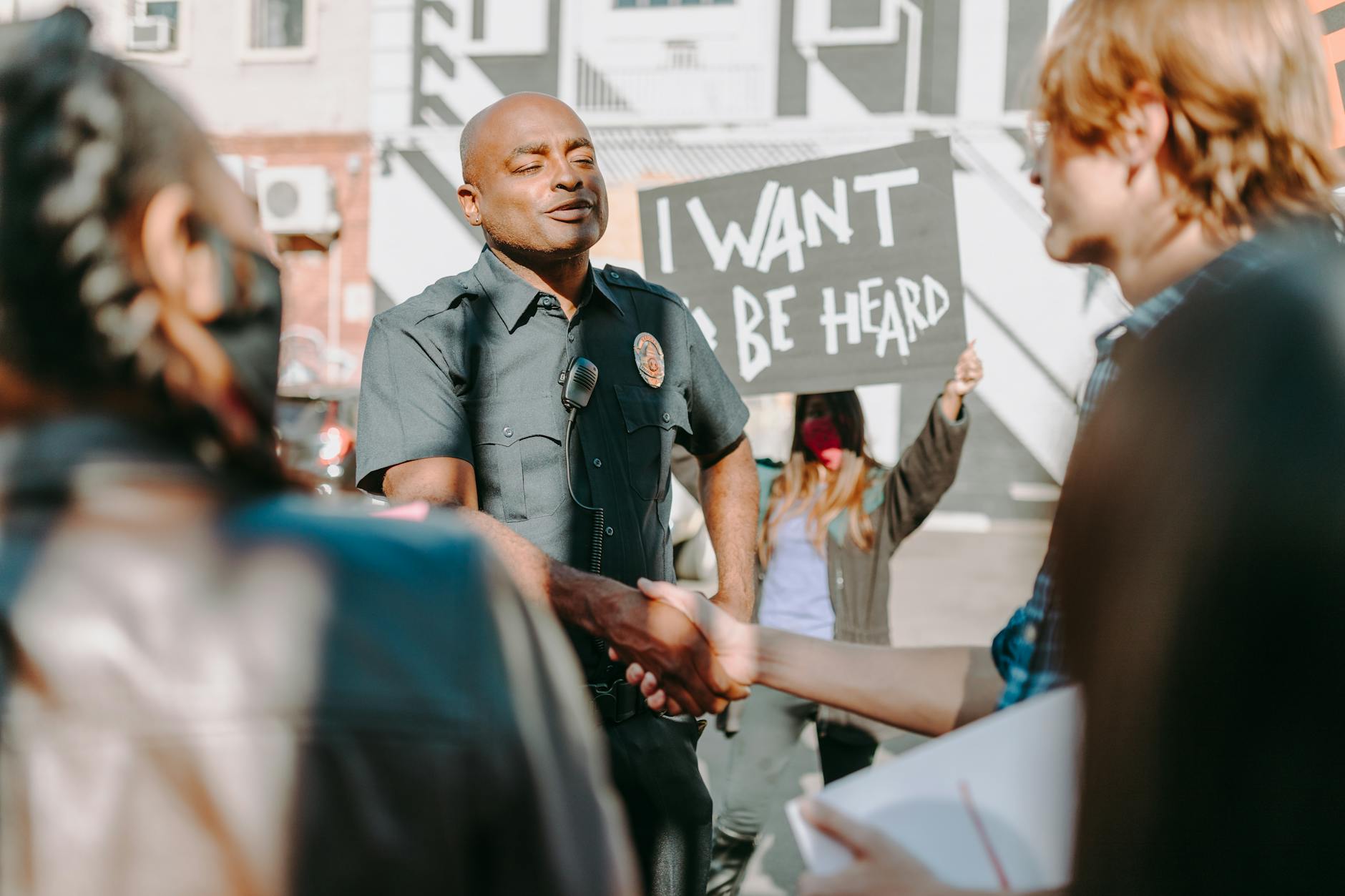
Police search dogs, also known as K9 units, undergo rigorous training to detect specific scents, including drugs, explosives, and even electronic devices. These canine officers play a crucial role in law enforcement, but their use raises important questions about privacy and constitutional rights. Understanding the legal framework surrounding their deployment is essential for both citizens and officers.
A federal appeals court ruled that police dogs can conduct searches without a warrant if they have reasonable suspicion. This means officers must have specific, articulable facts indicating criminal activity before deploying a K9 unit. The Supreme Court has also weighed in, stating that a dog sniff is not a search under the Fourth Amendment if it does not intrude upon a reasonable expectation of privacy.
According to a study by the National Institute of Justice, police dogs have an accuracy rate of over 90% in detecting contraband. However, their use must be balanced with the public's right to privacy. Courts have consistently held that the use of a police dog must be reasonable and not overly intrusive. This delicate balance ensures that law enforcement can effectively do their job while respecting individual rights.
Citizens should be aware of their rights when encountering a police dog. While officers can use K9 units in certain scenarios, they must adhere to strict legal standards. Understanding these rights can help individuals navigate interactions with law enforcement and ensure their constitutional protections are upheld.
When officers can legally deploy K9 units

Police officers can legally deploy K9 units in specific scenarios, each governed by established legal principles. The most common situation involves searches at international borders or their functional equivalents, such as airports. Here, the Fourth Amendment's warrant requirement is relaxed due to the government's heightened interest in regulating international commerce and preventing illegal imports. Officers can use dogs to sniff for contraband, including drugs or undeclared currency, without needing individualized suspicion or a warrant.
A second scenario involves searches during lawful arrests or inventories of lawfully impounded vehicles. When an officer has probable cause to arrest someone, they can conduct a search incident to that arrest. This includes using a K9 unit to sniff the area within the arrestee's immediate control. Similarly, if a vehicle is lawfully impounded, officers can use dogs to inventory its contents, ensuring nothing is lost or damaged during storage.
Lastly, officers can deploy K9 units when they have reasonable suspicion that a vehicle contains contraband. This is based on the U.S. Supreme Court's decision in Illinois v. Caballes, which held that a dog sniff is not a search under the Fourth Amendment. Reasonable suspicion is a lower standard than probable cause and can be based on factors like erratic driving, nervous behavior, or the presence of passengers with known criminal histories. According to a study by the National Institute of Justice, K9 units are deployed in approximately 15% of all vehicle stops, highlighting their frequent use in law enforcement.
However, the use of K9 units is not without controversy. Critics argue that the relaxed standards for dog sniffs can lead to abuses, particularly in the context of racial profiling. The American Civil Liberties Union (ACLU) has advocated for stricter guidelines to ensure that K9 units are used fairly and effectively. Despite these concerns, the legal framework for deploying K9 units remains well-established in these three specific scenarios.
How to handle a police dog encounter
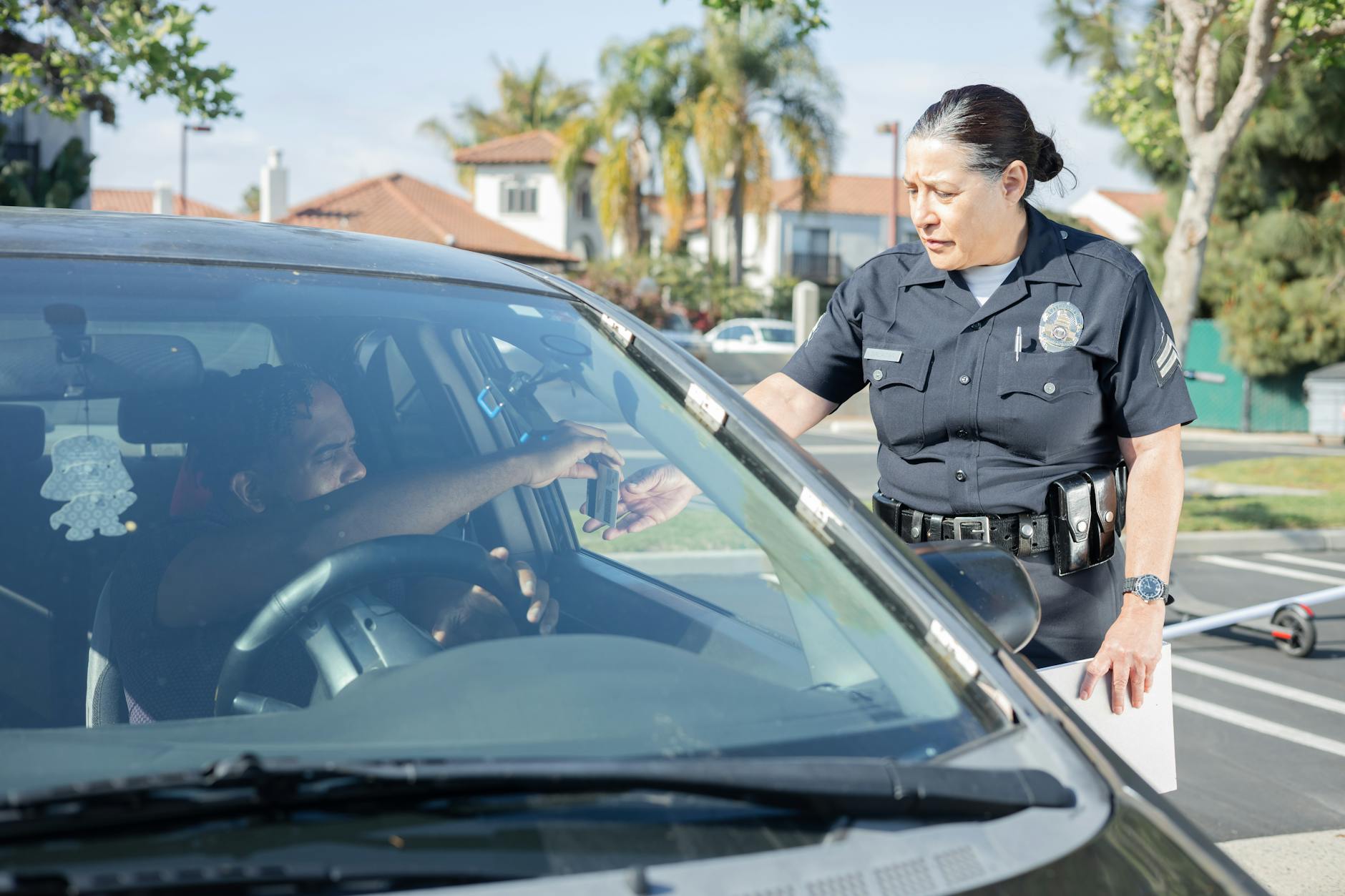
Encountering a police dog can be intimidating, but remaining calm and cooperative is crucial. If a dog approaches, avoid sudden movements or loud noises that might agitate the animal. Police dogs are highly trained, and their handlers maintain strict control, but understanding basic commands can help. A simple "sit" or "stay" might be used, and complying with these can de-escalate the situation.
Never attempt to pet or feed the dog without explicit permission from the handler. This can distract the animal from its duty and potentially put the handler at risk. According to the National Police Canine Association, dogs are trained to focus on their tasks, and any interference can compromise their effectiveness. Always keep hands visible and avoid reaching into pockets or bags unless instructed to do so.
If the dog begins to search you or your belongings, remain still and follow the handler's instructions precisely. Police dogs are trained to detect specific scents, and any sudden movements could be misinterpreted. The handler will guide you through the process, and cooperation can lead to a quicker resolution. Remember, the dog is doing its job, and respecting that can ensure a smoother interaction for everyone involved.
In rare cases where the dog becomes aggressive, do not run. Instead, stand still and avoid making direct eye contact, which can be perceived as a threat. Police dogs are trained to respond to their handlers' commands, so the handler will intervene if necessary. Trusting the process and maintaining a calm demeanor can help diffuse any tense situations.
Your rights during a canine search

When police use dogs to search individuals, citizens retain certain rights. The Fourth Amendment protects against unreasonable searches and seizures, requiring probable cause for searches. If a dog is used without reasonable suspicion, evidence obtained may be challenged in court. According to the American Civil Liberties Union, about 15,000 drug-sniffing dogs work with U.S. law enforcement.
Individuals have the right to remain silent during a canine search. Police cannot compel someone to answer questions or provide information. However, refusing to cooperate may draw attention and potentially escalate the situation. It's crucial to stay calm and avoid sudden movements that could be misinterpreted.
If a search occurs without a warrant or probable cause, individuals can file a complaint or consult with an attorney. Documenting the incident, including the officers' names and badge numbers, can strengthen a case. Understanding these rights empowers individuals to navigate encounters with law enforcement more confidently.
The evolving role of police dogs
Police dogs, also known as K-9 units, have been integral to law enforcement for decades. Their roles have evolved significantly, expanding beyond basic tracking and apprehension. Today, these highly trained canines assist in various scenarios, including searches that may involve the public. Their keen senses and specialized training make them invaluable assets in maintaining public safety and upholding the law.
One of the most critical roles of police dogs is detecting contraband. These dogs can sniff out illegal substances, explosives, and other prohibited items with remarkable accuracy. According to the National Institute of Justice, a well-trained detection dog can have an accuracy rate of up to 90%. This capability allows law enforcement to conduct searches efficiently and effectively, often without the need for invasive procedures.
Police dogs also play a crucial role in search and rescue operations. Their ability to locate missing persons, whether lost or in distress, is unparalleled. These dogs can cover vast areas quickly, using their sense of smell to track scents that humans might miss. Their work in these scenarios has saved countless lives, highlighting their importance in community safety.
Another evolving role for police dogs is in crowd control and public safety. Their presence alone can deter potential threats and maintain order during large gatherings. Trained to remain calm under pressure, these dogs help law enforcement manage crowds effectively. Their role in public safety continues to grow, reflecting their versatility and adaptability in various law enforcement scenarios.
As the role of police dogs continues to expand, their training and capabilities are constantly being refined. Law enforcement agencies invest heavily in the training and care of these animals, ensuring they are prepared for the diverse challenges they face. The evolving role of police dogs underscores their importance in modern law enforcement, making them indispensable partners in maintaining public safety.
Understanding when police can use dogs to search you is crucial for protecting your rights. Remember, they can only do so with probable cause, during a lawful arrest, or with your consent. If you're ever unsure about a search, politely but firmly assert your rights and ask if you're free to go. As laws evolve, staying informed about your rights and local regulations will help you navigate potential encounters with law enforcement more confidently.
Need this answered for your specific case?
Get a flat-fee consultation with a verified U.S. immigration attorney. Engagement letter on every paid consult.
Related guides
This guide provides general legal information and does not create an attorney–client relationship. Information accurate as of July 2026. Always verify current USCIS guidance before acting.