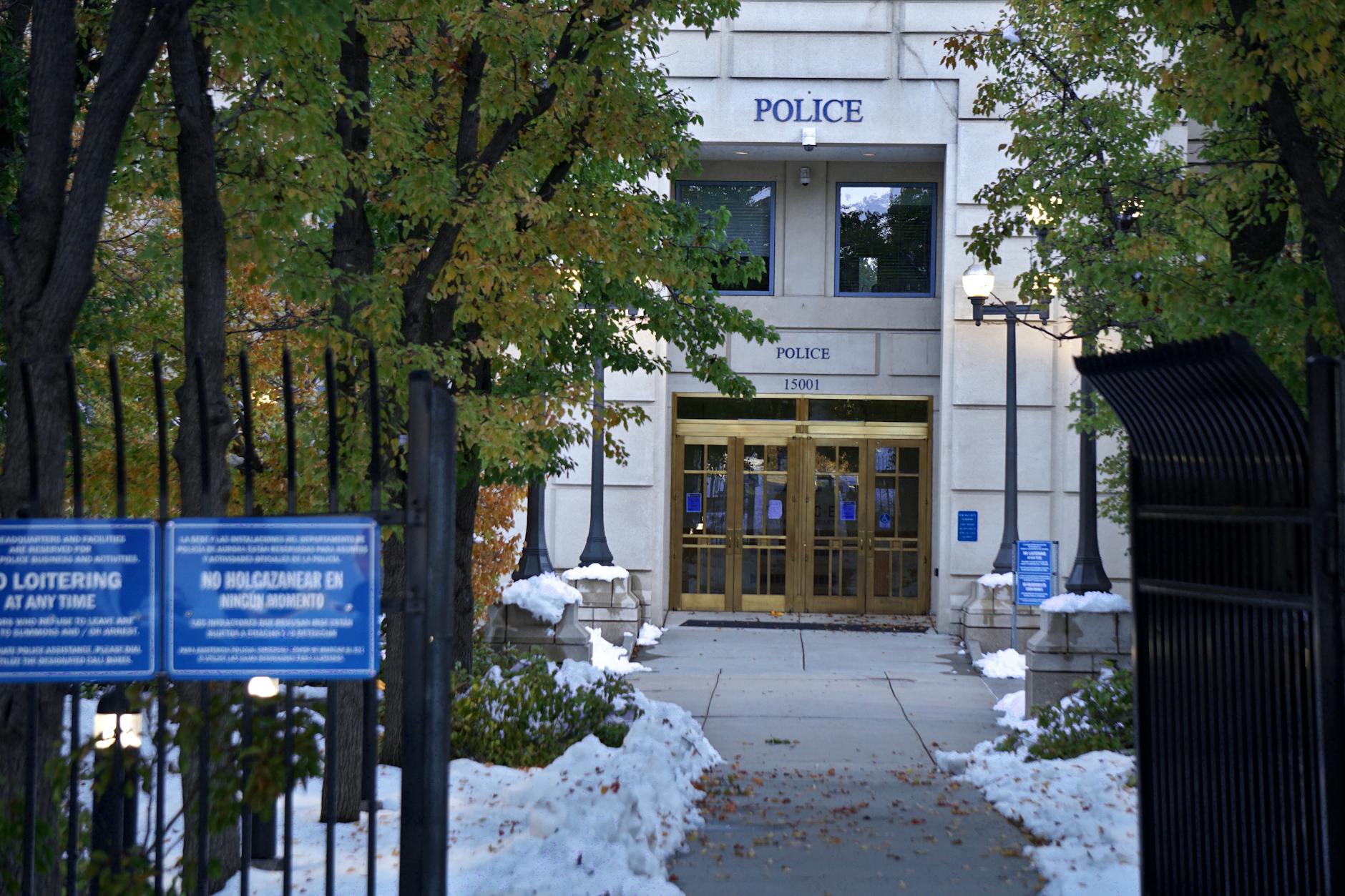
Every year, police chases result in hundreds of injuries and fatalities, with statistics showing that one person dies in a pursuit-related crash every day in the United States. These high-speed chases, while dramatic, are governed by strict policies designed to balance public safety with law enforcement objectives. At its core, police chase policy outlines the guidelines and protocols that law enforcement agencies follow when engaging in vehicular pursuits. These policies aim to minimize risks while ensuring that officers can effectively apprehend suspects.
The relevance of understanding police chase policy cannot be overstated, as it directly impacts public safety and officer accountability. Police chase policy defines the circumstances under which officers can initiate, continue, or terminate a pursuit. It also specifies the training requirements for officers, the use of technology like GPS tracking, and the criteria for evaluating the necessity and risks of a chase. By adhering to these policies, law enforcement agencies strive to protect both the public and their officers during high-stakes situations. However, despite these guidelines, risks remain, making it crucial for both officers and the public to be aware of the rules and potential dangers involved.
Understanding Police Chase Policy
Police chase policy outlines the protocols law enforcement agencies follow during vehicular pursuits. These guidelines balance public safety with the need to apprehend suspects. At its core, the policy aims to minimize risks to officers, bystanders, and fleeing individuals. Agencies typically establish clear criteria for initiating, continuing, or terminating chases.
One key aspect is the distinction between authorized and unauthorized pursuits. Authorized chases often involve violent felons or immediate threats to public safety. Unauthorized chases, on the other hand, might occur when officers pursue individuals for minor offenses. According to the National Highway Traffic Safety Administration, police chases result in hundreds of fatalities annually.
A police chase policy also addresses the use of specialized tactics and equipment. This can include spike strips, pursuit intervention techniques, or aerial support. Experts emphasize the importance of regular training to ensure officers can execute these maneuvers safely. Additionally, policies often require supervisors to monitor ongoing chases and make real-time decisions about their continuation.
Clear communication protocols are another critical component. These ensure all involved officers and agencies receive up-to-date information. Policies may also outline procedures for involving other jurisdictions or agencies during high-speed pursuits. This coordination helps maintain control and reduce risks during complex situations.
Core Principles Guiding Pursuits

At the heart of any police chase policy lies a set of core principles designed to balance public safety with effective law enforcement. These principles prioritize the preservation of life, both for the public and law enforcement officers. They also emphasize the need for proportional response, ensuring that the level of pursuit matches the severity of the crime. Additionally, policies often incorporate the concept of risk assessment, requiring officers to continually evaluate the dangers posed by the pursuit.
One key principle is the concept of "necessity and proportionality." According to the International Association of Chiefs of Police, pursuits should only be initiated when absolutely necessary and the potential danger posed by the fleeing suspect outweighs the risks of the chase itself. This principle is crucial in preventing unnecessary endangerment of the public and officers alike.
Another guiding principle is the "duty to intervene." Officers are trained to intervene if they observe another officer engaging in an unsafe pursuit. This principle underscores the collective responsibility of law enforcement to ensure the safety of all involved. It also highlights the importance of clear communication and coordination during pursuits.
Finally, the principle of "accountability" ensures that all pursuits are thoroughly reviewed and evaluated. This process helps identify areas for improvement and ensures that officers adhere to established protocols. It also provides a mechanism for addressing any misconduct or policy violations that may occur during a pursuit.
Critical Factors in Chase Decisions

Police departments base chase decisions on several critical factors to balance public safety with officer and suspect risks. The severity of the crime plays a pivotal role. Officers typically pursue suspects involved in violent felonies, such as armed robbery or homicide, with greater urgency than those fleeing minor offenses. A study by the National Highway Traffic Safety Administration found that 37% of police pursuits resulted from felony suspects.
Vehicle and environmental conditions significantly influence chase decisions. High-speed chases on congested roads or in poor weather conditions escalate risks dramatically. Officers must assess whether the pursuit poses a greater threat to public safety than the original offense. This assessment often occurs in split seconds, adding to the complexity of the decision-making process.
Suspect behavior during the chase also impacts police actions. If a suspect exhibits erratic driving or endangers bystanders, officers may escalate their response. Conversely, if the suspect shows signs of surrender or the chase becomes too dangerous, officers may disengage. This dynamic nature of pursuits requires constant evaluation and adaptability from law enforcement.
Finally, departmental policies and training shape chase decisions. Many departments implement strict guidelines on when and how to initiate and terminate pursuits. Regular training ensures officers can make informed, split-second decisions that prioritize safety. These policies aim to minimize risks while maintaining the ability to apprehend dangerous suspects.
Real-World Consequences of High-Speed Chases

High-speed chases, while often depicted as thrilling in media, carry severe real-world consequences. Innocent bystanders frequently find themselves in harm's way. In 2019 alone, 552 people were killed in police pursuits, according to data from the National Highway Traffic Safety Administration. These incidents can result in catastrophic accidents, property damage, and loss of life.
Emergency services often face overwhelming demands during chases. Police, firefighters, and medical personnel must divert resources to manage the immediate aftermath. This diversion can delay responses to other critical incidents, potentially costing lives elsewhere.
Communities suffer long-term effects as well. Fear and mistrust can grow when residents perceive police actions as reckless. This erosion of trust makes community policing efforts more challenging. Experts emphasize the need for balanced policies that protect public safety without unnecessarily endangering lives.
Economic impacts also arise from high-speed chases. Cities may face lawsuits, leading to significant financial burdens. Insurance costs can rise for both individuals and municipalities. The financial fallout often extends beyond the immediate incident, affecting budgets for years.
Evolving Policies for Safer Pursuits
Police chase policies have evolved significantly over the years, driven by a growing recognition of the inherent risks involved. These policies now emphasize officer safety, public safety, and the preservation of life above all else. Departments across the country have implemented stricter guidelines, including the requirement for multiple units to respond to high-speed pursuits and the prohibition of chases for non-violent offenses.
A critical aspect of modern police chase policy is the concept of "risk-benefit analysis." Officers are trained to assess whether the immediate need to apprehend a suspect outweighs the potential dangers to the public and themselves. This approach has led to a reduction in pursuit-related fatalities, according to data from the National Highway Traffic Safety Administration. The shift reflects a broader trend in law enforcement towards de-escalation and community-oriented policing.
Some departments have adopted technology to enhance safety during pursuits. GPS tracking devices and aerial surveillance, for instance, allow officers to monitor fleeing vehicles without engaging in high-speed chases. These tools have proven effective in reducing the need for dangerous pursuits while still facilitating successful apprehensions. Experts argue that such innovations represent the future of police chase policy, balancing enforcement with public safety.
Understanding police chase policy is crucial for both law enforcement and the public, as it balances the need for pursuit with the risks involved. At its core, these policies aim to protect lives while ensuring officers can apprehend suspects. For drivers, knowing these rules can mean the difference between safety and danger. Authorities should continually review and update these policies to adapt to changing circumstances and technologies. As communities evolve, so too must the strategies that keep everyone safe on the roads.
Need this answered for your specific case?
Get a flat-fee consultation with a verified U.S. immigration attorney. Engagement letter on every paid consult.
Related guides
This guide provides general legal information and does not create an attorney–client relationship. Information accurate as of July 2026. Always verify current USCIS guidance before acting.