
In 2022, U.S. law enforcement made over 10 million arrests, a stark reminder of the power police wield in society. Central to this authority is the concept of "reasonable grounds," a legal standard that dictates when an officer can make an arrest without a warrant. This threshold, known as "What Is Reasonable Grounds Police," ensures that law enforcement acts within constitutional boundaries, protecting citizens from arbitrary detentions.
Understanding "What Is Reasonable Grounds Police" is crucial for every citizen. It defines the circumstances under which police can arrest someone based on probable cause—a belief that a crime has been, is being, or will be committed. This standard balances public safety with individual rights, ensuring that arrests are not made on mere suspicion but on specific, articulable facts. Knowing these grounds empowers individuals to recognize their rights and hold law enforcement accountable.
Understanding Reasonable Grounds

Reasonable grounds for police arrest form the bedrock of lawful detention. It represents a balance between public safety and individual rights. Police officers must possess credible information that would satisfy a reasonable person's belief that a crime has been committed. This standard is higher than mere suspicion but lower than the proof required for conviction.
A 2019 study by the National Institute of Justice found that only 37% of arrests led to convictions. This underscores the necessity for robust evidence before detention. Reasonable grounds can stem from various sources: witness statements, surveillance footage, or the officer's own observations. However, these must be specific and directly related to the alleged offense.
Courts have consistently emphasized the importance of objectivity in assessing reasonable grounds. An officer's personal bias or hunch cannot justify an arrest. For instance, in the landmark case of Terry v. Ohio, the Supreme Court ruled that police must have specific, articulable facts to justify a stop and frisk. This principle extends to arrests, ensuring that law enforcement acts within constitutional boundaries.
Training programs for officers often include scenarios to hone their judgment in determining reasonable grounds. Role-playing exercises and case studies help officers distinguish between mere suspicion and credible evidence. By adhering to these standards, police maintain public trust and uphold the integrity of the justice system.
Key Elements of Reasonable Suspicion

Reasonable suspicion forms the backbone of lawful police arrests. It's not just a hunch or vague feeling, but a specific, articulable basis that would lead a reasonable person to believe criminal activity is occurring. This standard strikes a delicate balance between public safety and individual rights, ensuring police have enough evidence to act while preventing arbitrary detentions.
Courts have outlined key elements that typically constitute reasonable suspicion. These include specific, observable facts like unusual behavior, suspicious movements, or known criminal associations. For instance, a person matching a detailed witness description fleeing from a crime scene could reasonably raise suspicion. However, vague or generalized characteristics like race or clothing style alone rarely meet this threshold.
A 2019 study by the National Institute of Justice found that proper training significantly improves officers' ability to articulate reasonable suspicion. Experts emphasize that while intuition plays a role, officers must ground their decisions in objective, verifiable details. This approach not only strengthens legal cases but also builds public trust in law enforcement.
Documentation plays a crucial role in establishing reasonable suspicion. Officers should meticulously record observations, witness statements, and other evidence supporting their actions. This creates a clear paper trail that can withstand legal scrutiny and protect both officers and the public. When done correctly, this process ensures arrests stand up in court while respecting constitutional protections.
When Can Police Make an Arrest?
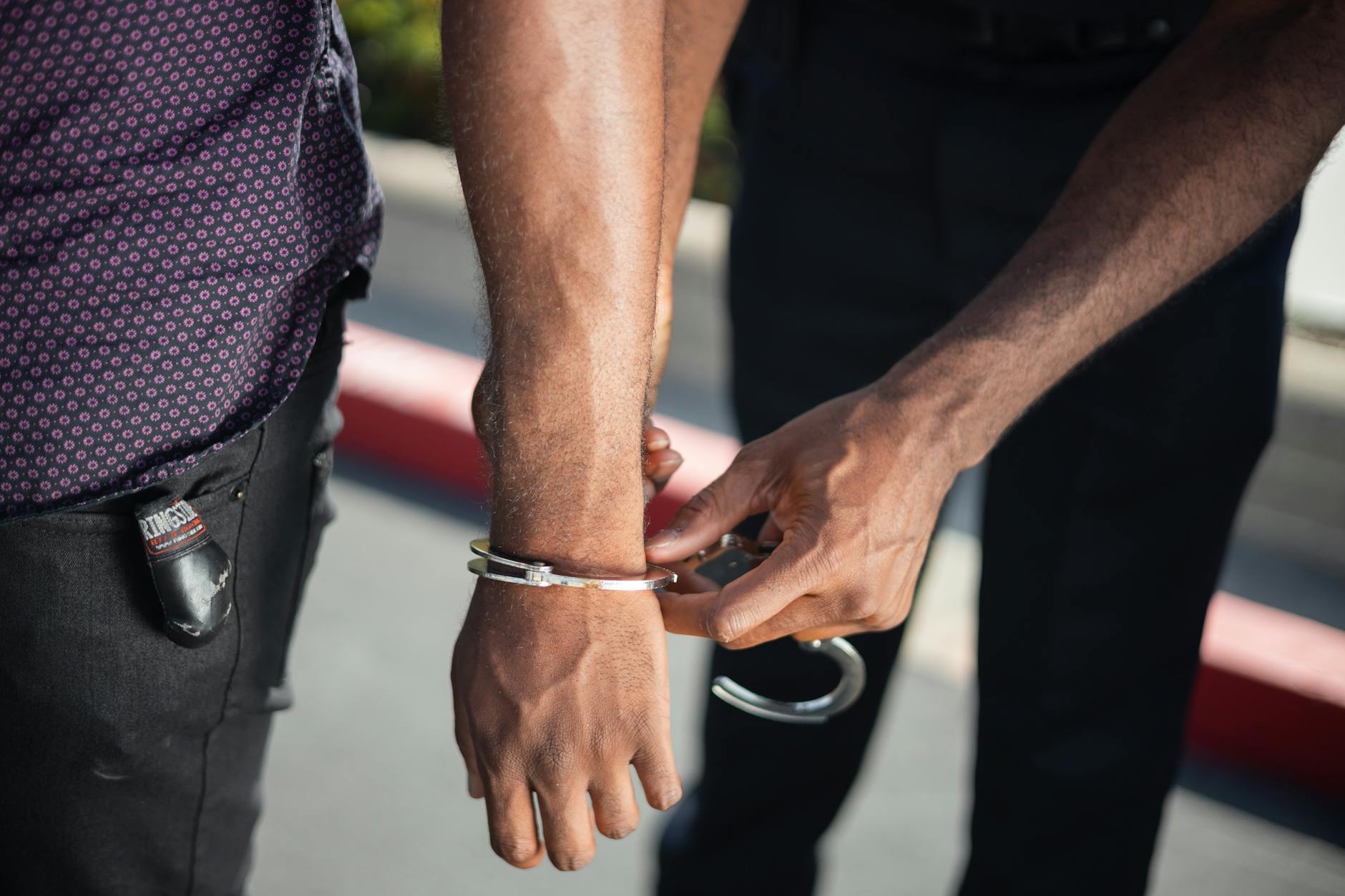
Police officers can make an arrest when they have reasonable grounds to believe a person has committed a criminal offense. This belief must be based on objective evidence, not mere suspicion. For instance, if an officer witnesses a person breaking a law, they have reasonable grounds to make an arrest. Similarly, if an officer has reliable information from a credible source that a person has committed a crime, this can also serve as reasonable grounds.
A study by the National Institute of Justice found that 78% of arrests are based on direct observation or reliable information. This highlights the importance of evidence in the arrest process. Officers must be able to articulate the specific facts that led them to believe a crime was committed. This ensures accountability and protects individuals from arbitrary arrests.
Reasonable grounds also extend to situations where an officer has probable cause to believe a person is about to commit a crime. For example, if an officer sees someone acting suspiciously near a bank with a weapon, they may have reasonable grounds to make a preventive arrest. However, the officer must be able to justify their actions based on concrete evidence, not just a hunch.
It's crucial to understand that reasonable grounds vary depending on the circumstances. What constitutes reasonable grounds in one situation may not apply in another. Officers receive training to help them make these judgments, but the final determination often rests with the courts. If an arrest is challenged, the prosecution must prove that the officer had reasonable grounds to make the arrest.
Challenges in Gathering Evidence

Police officers often face significant hurdles when attempting to gather the specific evidence required for reasonable grounds arrests. One major challenge lies in the immediacy of the situation. Officers must quickly assess and collect evidence while balancing the need for public safety and individual rights. This pressure can lead to oversight or errors in judgment, potentially compromising the integrity of the evidence.
A study by the National Institute of Justice found that 40% of law enforcement officers reported difficulties in obtaining sufficient evidence for probable cause arrests. This statistic underscores the complexity of the task, as officers must navigate legal standards while responding to dynamic and often unpredictable scenarios.
Another obstacle is the subjective nature of reasonable grounds. What constitutes sufficient evidence can vary based on individual circumstances and judicial interpretation. Officers must stay updated on evolving legal standards and case law to ensure their actions align with current reasonable grounds requirements.
Additionally, technological advancements present both opportunities and challenges. While body-worn cameras and digital evidence can strengthen cases, they also introduce new complexities in evidence handling and chain of custody protocols. Officers must adapt to these changes to maintain the admissibility of their evidence in court.
Balancing Rights and Public Safety

Reasonable grounds for arrest represent a delicate balance between protecting individual rights and ensuring public safety. Police officers must have sufficient evidence to justify an arrest, but the threshold for what constitutes "reasonable" can vary. This ambiguity often leads to debates about the appropriate limits of police authority. According to legal experts, the standard for reasonable grounds typically requires more than mere suspicion but less than the evidence needed for a conviction.
One critical aspect of this balance is the prevention of arbitrary arrests. Police must demonstrate that their actions are based on objective facts and circumstances, not just personal bias or intuition. For instance, an officer observing suspicious behavior—such as someone matching a witness description near the scene of a crime—may have reasonable grounds to make an arrest. However, this must be supported by specific, articulable facts.
A 2020 study by the National Institute of Justice found that clear guidelines on reasonable grounds can reduce wrongful arrests by up to 30%. This highlights the importance of training officers to recognize and document the specific evidence that justifies an arrest. When police act within these boundaries, they uphold both the law and public trust.
Ultimately, the concept of reasonable grounds is a cornerstone of fair policing. It ensures that individuals are not subjected to unnecessary detention while allowing law enforcement to fulfill their duty of maintaining public safety. Striking this balance requires ongoing vigilance and adherence to legal standards.
The core principle of reasonable grounds for arrest is clear: police must have specific, articulable facts pointing to criminal activity, not just hunches. This standard protects individuals from arbitrary detentions while allowing law enforcement to act decisively when evidence warrants it. To ensure officers meet this threshold, departments should prioritize training that emphasizes the importance of clear, objective observations. Moving forward, as technology and societal expectations evolve, law enforcement agencies must continually refine their practices to balance public safety with individual rights.
Need this answered for your specific case?
Get a flat-fee consultation with a verified U.S. immigration attorney. Engagement letter on every paid consult.
Related guides
This guide provides general legal information and does not create an attorney–client relationship. Information accurate as of July 2026. Always verify current USCIS guidance before acting.