
In nearly one out of every ten cases involving excessive force, police officers face criminal charges. This stark statistic underscores the serious consequences that can arise from misconduct in law enforcement. While the vast majority of officers serve their communities with integrity, these cases highlight the critical importance of accountability within the justice system.
The question of whether police can be criminally charged is not merely an academic one. It strikes at the heart of public trust in law enforcement. When officers cross the line, the legal system must respond decisively. The answer to "Can police be criminally charged?" is a resounding yes, and recent data shows that prosecutors are increasingly willing to pursue such cases. This shift reflects a growing recognition that no one, not even those sworn to uphold the law, should operate above it.
Understanding Excessive Force Cases

Excessive force cases involving police officers often spark intense public scrutiny and debate. These incidents typically involve situations where officers use a level of force that appears disproportionate to the threat posed by the suspect. The line between justified use of force and excessive force can be blurry, making these cases complex and challenging to evaluate.
According to a recent study, only about 10% of excessive force allegations against police officers result in criminal charges. This statistic underscores the difficulty in prosecuting officers, as the legal standard for criminal liability is high. Officers are generally given the benefit of the doubt when it comes to split-second decisions made in high-pressure situations.
A legal expert points out that prosecutors must prove beyond a reasonable doubt that an officer acted with criminal intent or recklessness. This burden of proof can be particularly challenging in cases where officers claim they feared for their safety or the safety of others. The subjective nature of fear and perception further complicates these prosecutions.
Understanding the nuances of excessive force cases requires a grasp of both the legal standards and the practical realities faced by law enforcement. Officers are trained to assess threats quickly and respond accordingly, but this training does not always align with public expectations or legal interpretations. The tension between these perspectives often fuels the controversy surrounding these cases.
When Police Officers Face Criminal Charges

When police officers face criminal charges, the process differs significantly from typical criminal proceedings. Prosecutors must navigate complex legal and political landscapes. The officers' actions are scrutinized under both criminal law and departmental policies. This dual scrutiny often creates a challenging environment for prosecutors.
According to a recent study, only about 10% of excessive force cases result in criminal charges against officers. This low percentage highlights the difficulties in prosecuting law enforcement personnel. The study emphasizes the need for independent investigations to ensure impartiality.
Legal experts argue that prosecutors often face immense pressure when deciding whether to charge officers. The relationship between law enforcement and prosecutors' offices can complicate objective decision-making. Transparency and accountability are crucial in maintaining public trust.
When charges are filed, the trial process can be lengthy and contentious. Defense attorneys often argue that officers acted in good faith and within the scope of their duties. Prosecutors must present compelling evidence to counter these arguments effectively.
The outcome of these trials can have far-reaching implications. A conviction can set a precedent for future cases, while an acquittal may fuel public skepticism. The judicial system plays a pivotal role in balancing justice and public safety.
The Legal Process Unveiled

When police officers use excessive force, the legal process that follows can be complex and lengthy. Criminal charges are filed in only about 10% of such cases, according to data from the Bureau of Justice Statistics. The process typically begins with an internal affairs investigation within the police department. This initial review determines whether the officer's actions violated department policies or protocols.
If the internal investigation finds evidence of misconduct, the case may be referred to a prosecutor. The prosecutor then reviews the evidence to decide whether to file criminal charges. This decision hinges on whether the prosecutor believes they can prove beyond a reasonable doubt that the officer acted unlawfully. Legal experts often highlight the high burden of proof required in these cases, which can make prosecutions challenging.
Once charges are filed, the case proceeds through the criminal justice system like any other. The officer may face a trial, where a judge or jury determines guilt or innocence. If convicted, penalties can range from fines and probation to imprisonment, depending on the severity of the offense and applicable laws. Throughout this process, the officer retains the right to legal representation and due process, ensuring a fair trial.
Throughout the legal process, transparency and accountability remain critical. Public scrutiny and media coverage often play a significant role in shaping perceptions of the case. Legal analysts emphasize the importance of impartial investigations and prosecutions to maintain public trust in the justice system. The outcome of these cases can have far-reaching implications for both law enforcement practices and community relations.
Challenges in Prosecuting Law Enforcement

Prosecuting law enforcement officers for excessive force presents unique challenges that can hinder the pursuit of justice. The legal standard for convicting officers often requires proving intent, which can be difficult to establish in court. Prosecutors must navigate a complex landscape where officers enjoy certain legal protections and where the burden of proof rests heavily on their shoulders.
One significant hurdle is the qualified immunity doctrine, which shields officers from civil lawsuits unless they violate clearly established statutory or constitutional rights. This legal shield can also complicate criminal prosecutions, as it sets a high bar for proving misconduct. According to a recent study, only about 10% of excessive force cases result in criminal charges, highlighting the difficulty in securing convictions.
A criminal defense attorney specializing in police misconduct cases notes that prosecutors often face an uphill battle. The legal process can be lengthy and fraught with procedural complexities. Additionally, the need for extensive evidence, including body camera footage and witness testimonies, can be both a blessing and a curse. While such evidence can be crucial, it can also be subject to interpretation and legal challenges.
Public trust and perception further complicate the process. High-profile cases often attract intense scrutiny, with public opinion sometimes influencing the outcome. Prosecutors must balance the need for a thorough investigation with the pressure to act swiftly. This delicate balance can make or break a case, affecting not only the legal outcome but also the broader community's faith in the justice system.
Future of Police Accountability
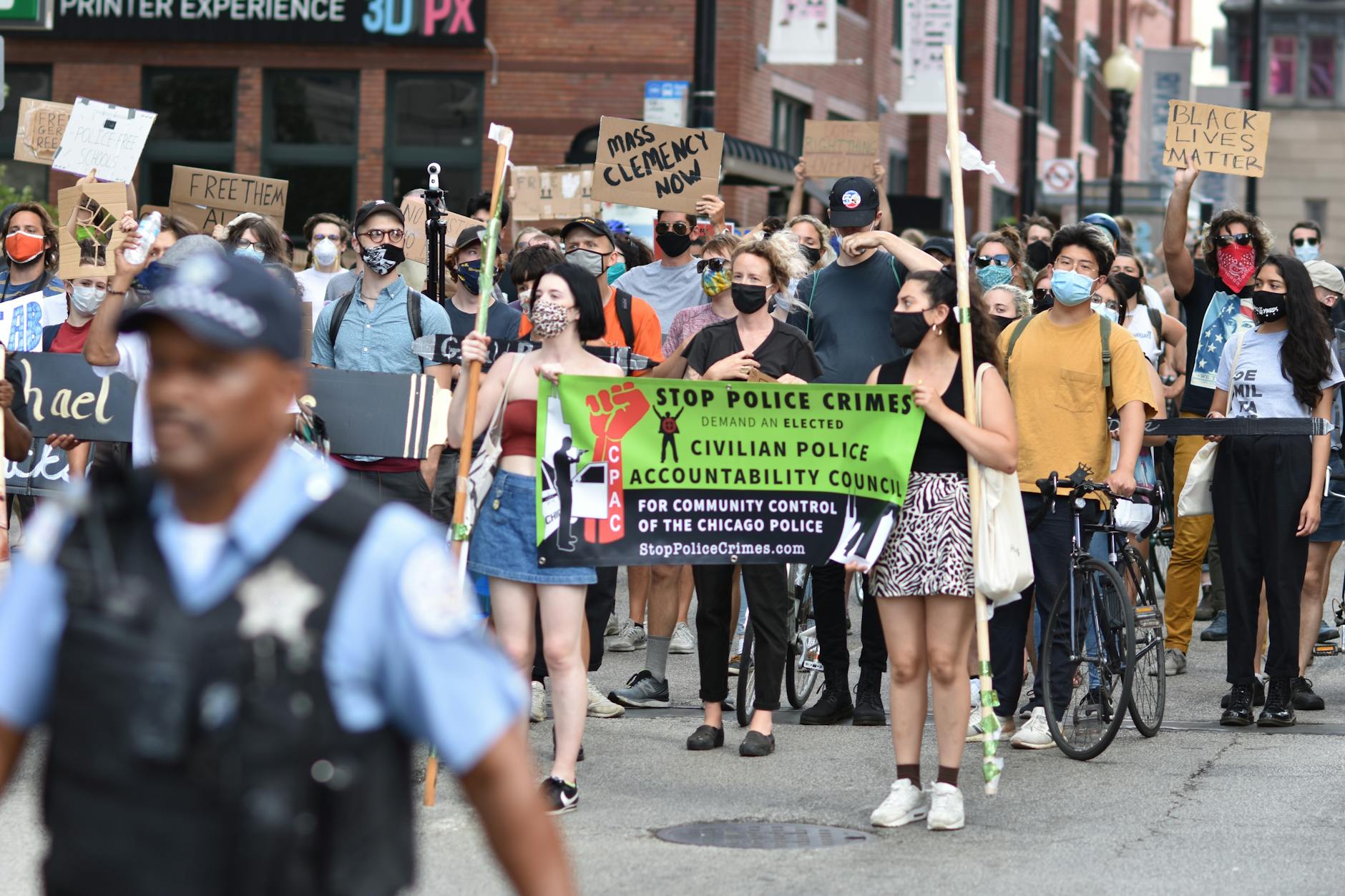
The landscape of police accountability is evolving, with a growing recognition of the need for criminal charges in cases of excessive force. This shift reflects a broader societal demand for transparency and justice. As public scrutiny intensifies, law enforcement agencies are increasingly held to higher standards. The result is a more rigorous examination of police conduct, ensuring that officers are held accountable for their actions.
Experts argue that the current 10% rate of criminal charges in excessive force cases is a starting point, not an endpoint. They emphasize the need for consistent application of the law, regardless of the officer's status. This approach aims to build public trust and ensure that justice is served equitably. The journey towards true accountability is ongoing, with each case serving as a stepping stone towards a more just system.
Technology plays a pivotal role in shaping the future of police accountability. Body cameras, dashcams, and other digital tools provide invaluable evidence in excessive force cases. These technologies offer an unbiased record of events, helping to clarify disputes and support investigations. As technology advances, its role in ensuring police accountability will likely become even more significant.
Community engagement is another critical factor in the future of police accountability. Building strong relationships between law enforcement and the communities they serve fosters trust and mutual respect. This collaboration encourages open dialogue and shared problem-solving, ultimately leading to a safer and more just society. The path forward requires a collective effort, with all stakeholders working together towards a common goal.
The data reveals a stark reality: police officers face criminal charges in only 10% of excessive force cases, highlighting a significant gap in accountability. This disparity underscores the need for systemic reform to ensure justice is served consistently. To bridge this gap, law enforcement agencies should implement stricter oversight and transparency measures, while communities must advocate for independent investigations in such cases. Moving forward, the focus must shift towards creating a more equitable and accountable system that protects both citizens and the integrity of law enforcement.
Need this answered for your specific case?
Get a flat-fee consultation with a verified U.S. immigration attorney. Engagement letter on every paid consult.
Related guides
This guide provides general legal information and does not create an attorney–client relationship. Information accurate as of July 2026. Always verify current USCIS guidance before acting.