
Public intoxication laws are far from uniform, with penalties ranging from a simple fine to jail time, depending on where the offense occurs. In some places, it's not even a crime. This patchwork of regulations leaves many people wondering: Is public intoxication a crime everywhere?
The answer is no, and the consequences can vary dramatically. In some U.S. states, public intoxication is a misdemeanor, while others have decriminalized it entirely. Internationally, the laws differ just as widely. For travelers and residents alike, understanding these laws is crucial. Is public intoxication a crime everywhere? Not by a long shot. Whether for personal safety or legal protection, knowing the rules can prevent unpleasant surprises and serious legal trouble.
Understanding public intoxication laws
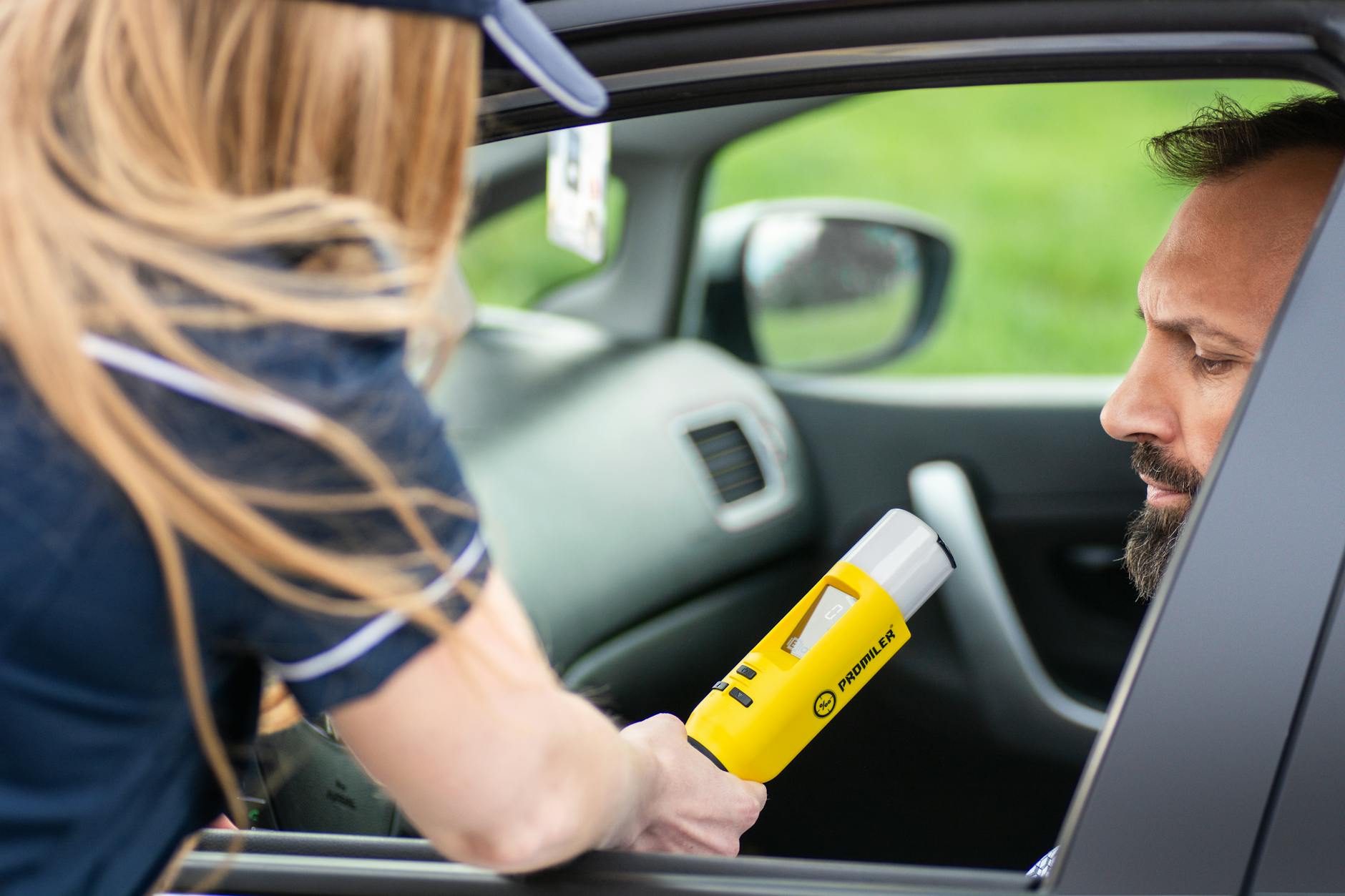
Public intoxication laws differ significantly across jurisdictions. In the United States, for instance, some states treat public intoxication as a criminal offense, while others address it as a public health or administrative issue. California, for example, decriminalized public intoxication in 1974, focusing instead on treatment and social services. Conversely, states like Texas maintain criminal penalties for public intoxication in certain circumstances.
According to the American Civil Liberties Union, approximately 20 states and the District of Columbia have decriminalized public intoxication. These jurisdictions often redirect individuals to social services or treatment programs rather than imposing criminal charges. This shift reflects a growing recognition of addiction as a health issue rather than a criminal matter.
Internationally, laws vary even more dramatically. Some countries, like the United Kingdom, do not have specific laws against public intoxication. Instead, police may intervene if an intoxicated individual becomes disorderly or poses a risk to themselves or others. In contrast, countries like Japan have strict public intoxication laws, particularly in designated areas like train stations or public transportation.
Understanding these variations is crucial for travelers and residents alike. Ignorance of local laws can lead to unexpected legal consequences. Always research local regulations before engaging in activities that might involve alcohol or other intoxicants in public spaces.
Key differences across U.S. states

Public intoxication laws in the United States vary significantly from state to state, reflecting differing approaches to alcohol-related offenses. Some states have outright banned public intoxication, while others focus on disorderly conduct or public disturbance. For instance, Texas classifies public intoxication as a Class C misdemeanor, punishable by fines up to $500. Meanwhile, states like Montana and Nevada have no specific public intoxication laws, instead addressing related behaviors through broader statutes.
California takes a nuanced approach, criminalizing public intoxication only if the individual poses a threat to themselves or others. This reflects a growing trend among states to consider the context and potential harm rather than the act itself. According to legal experts, this shift aligns with broader societal changes in how alcohol use is perceived and regulated.
In contrast, states like Pennsylvania and Tennessee have strict laws against public intoxication, with penalties including jail time. These states often view public intoxication as a precursor to more serious offenses, justifying stricter enforcement. The variation in laws underscores the complexity of regulating alcohol use in public spaces, with each state balancing individual liberties and public safety.
A notable outlier is Massachusetts, which decriminalized public intoxication in 1978. The state treats alcohol-related issues through social services rather than criminal penalties, highlighting an alternative approach to addressing public intoxication. This model has influenced other states to explore non-punitive measures for alcohol-related offenses.
International perspectives on drunkenness
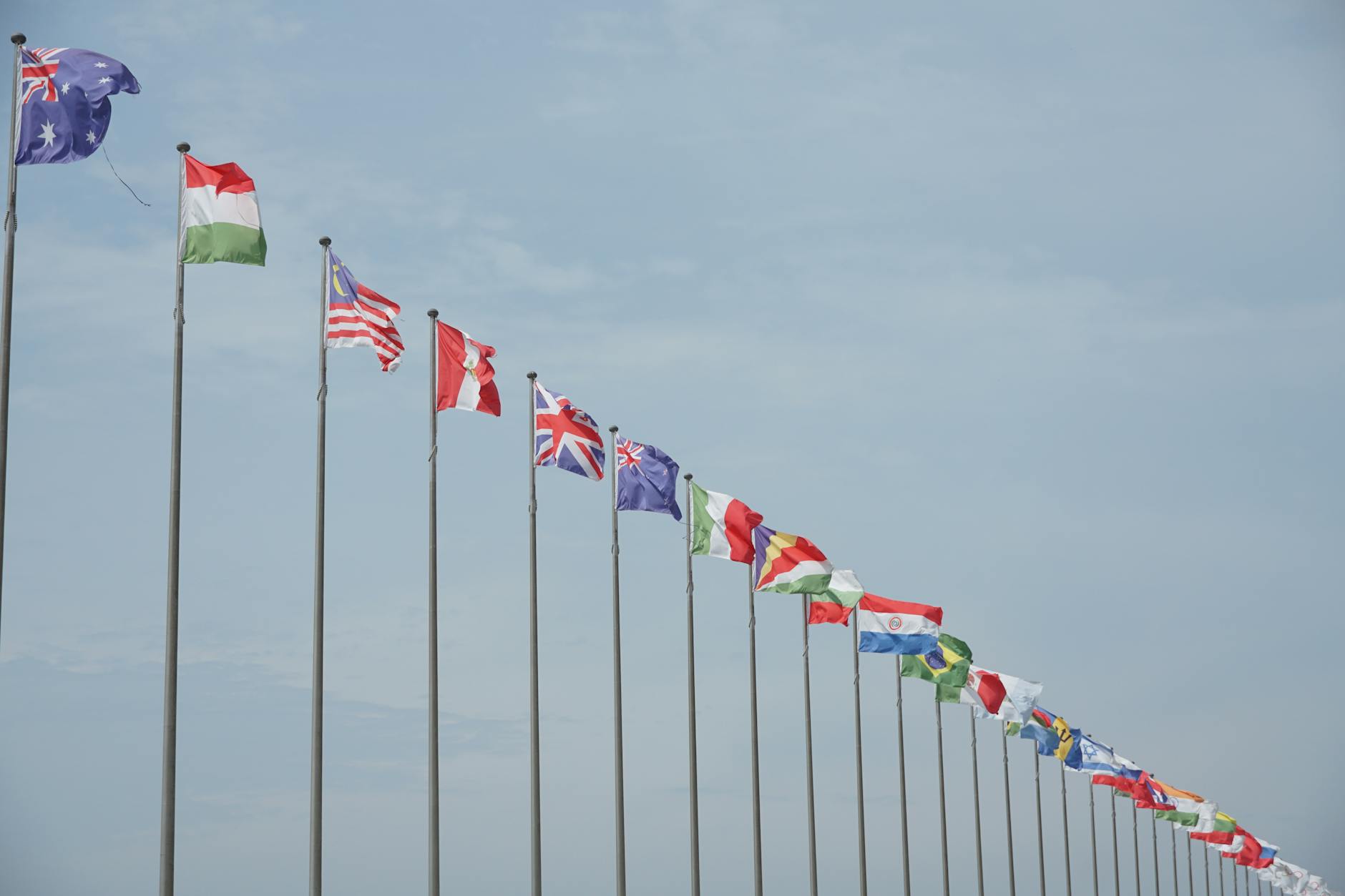
Public intoxication laws differ dramatically across international borders. In some countries, being visibly drunk in public is a minor offense, while in others, it can lead to severe penalties. For instance, Japan has strict laws against public intoxication, with offenders facing fines or even jail time. Meanwhile, in Germany, public drunkenness is generally tolerated unless it leads to disorderly conduct.
In the United Kingdom, the Public Order Act 1986 addresses intoxication in public places. Police can arrest individuals who are drunk and incapable of taking care of themselves or others. According to a report by the UK Home Office, there were over 11,000 arrests for drunkenness in 2019. However, the focus has shifted towards public safety rather than punitive measures.
Scandinavian countries like Sweden and Norway take a more rehabilitative approach. While public intoxication is not a criminal offense, authorities may intervene if the individual poses a risk to themselves or others. A study by the Nordic Welfare Centre highlighted that these countries prioritize social services and support over criminalization.
In contrast, some Middle Eastern countries impose harsh penalties for public intoxication due to religious and cultural norms. For example, in Saudi Arabia, alcohol consumption is illegal, and being drunk in public can result in severe punishments, including imprisonment. These varying perspectives underscore the global diversity in addressing public intoxication.
Navigating penalties and consequences
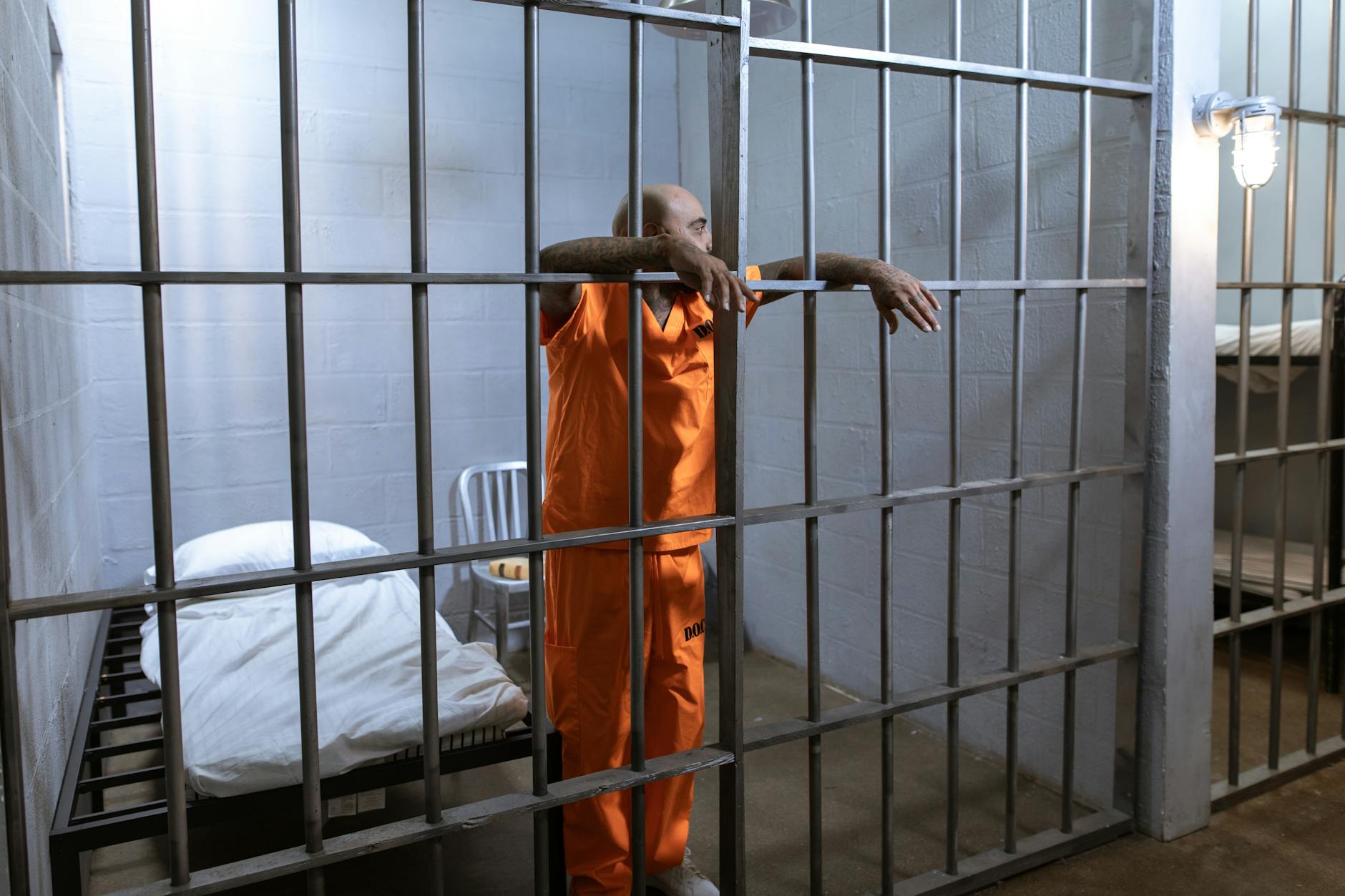
Public intoxication laws vary significantly across jurisdictions, leading to different penalties and consequences. In some places, being visibly drunk in public may result in a fine, community service, or even jail time. For instance, states like Texas classify public intoxication as a misdemeanor, punishable by up to a $500 fine and 180 days in jail. Meanwhile, other states have decriminalized the offense, treating it as a civil infraction with lesser penalties.
According to legal experts, the consequences often depend on the individual's behavior and local laws. Repeat offenders or those exhibiting aggressive behavior may face stiffer penalties. In some cases, individuals may be required to attend alcohol education programs or undergo substance abuse treatment. The goal is often rehabilitation rather than punishment, especially in jurisdictions that view public intoxication as a public health issue.
A 2019 study found that penalties for public intoxication can vary widely, even within the same country. Some cities impose fines ranging from $50 to $500, while others may offer diversion programs that allow offenders to avoid formal charges. Understanding these variations is crucial for individuals traveling or moving to different areas, as ignorance of local laws does not exempt one from penalties.
Internationally, the approach to public intoxication differs even more dramatically. Some countries, like Japan, have strict laws against public drunkenness, with penalties including fines and imprisonment. Others, such as the Netherlands, take a more lenient stance, focusing on harm reduction rather than criminalization. These differences highlight the importance of researching local laws before engaging in activities that could lead to public intoxication.
The evolving landscape of intoxication laws
Public intoxication laws have evolved significantly over time, reflecting changing societal attitudes toward alcohol and drug use. While some jurisdictions maintain strict penalties, others have adopted more lenient approaches, focusing on rehabilitation rather than punishment. This shift often stems from growing recognition of addiction as a public health issue rather than a criminal one. For instance, some U.S. states have decriminalized public intoxication, opting for diversion programs that connect individuals with treatment services.
According to a report by the American Civil Liberties Union, at least 14 states no longer criminalize public intoxication. Instead, they treat it as a civil infraction or a health concern. This trend aligns with broader efforts to reduce incarceration rates and address the root causes of substance abuse. The shift also acknowledges that punitive measures often fail to address the underlying issues, leading to cycles of recidivism.
Internationally, the landscape is equally diverse. Some countries, like Sweden, have strict laws against public intoxication, while others, such as the Netherlands, take a more permissive stance. The variation in laws often correlates with cultural attitudes toward alcohol and public behavior. Experts argue that effective public intoxication laws should balance public safety with compassion, ensuring that individuals receive the support they need without facing undue criminalization.
Public intoxication laws are not universal, with some places treating it as a criminal offense and others addressing it through civil penalties or public health approaches. The key takeaway is that these laws vary significantly by state and country, reflecting differing cultural attitudes and legal priorities. To navigate these differences, individuals should familiarize themselves with local laws before traveling or socializing in new areas. As societies continue to evolve, expect these laws to adapt, potentially shifting towards more compassionate and health-focused solutions.
Need this answered for your specific case?
Get a flat-fee consultation with a verified U.S. immigration attorney. Engagement letter on every paid consult.
Related guides
This guide provides general legal information and does not create an attorney–client relationship. Information accurate as of July 2026. Always verify current USCIS guidance before acting.