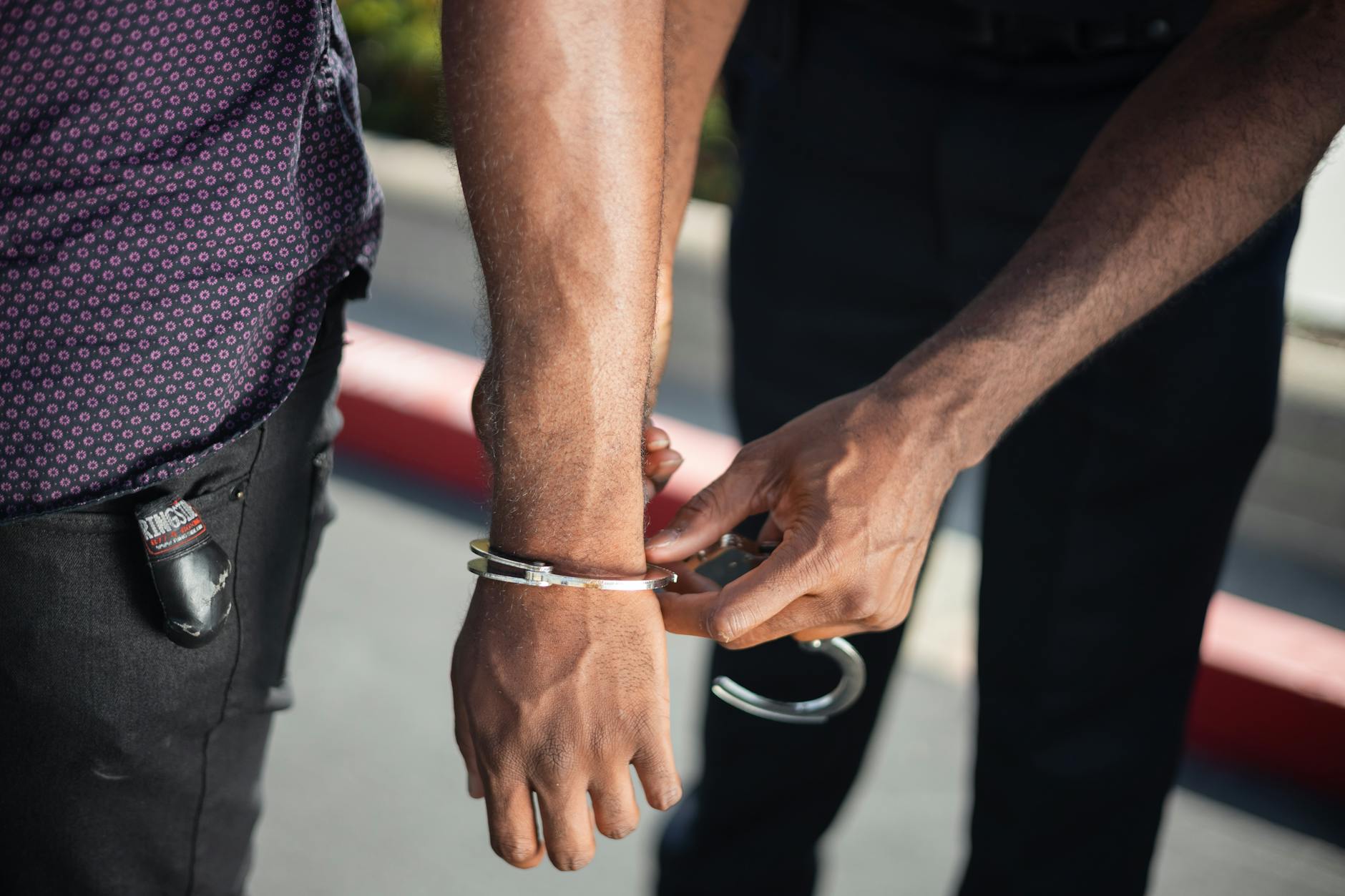
Shopkeeper citizen arrest is a controversial but legal practice that occurs more frequently than many realize. In the United States alone, thousands of such arrests happen annually, often sparking debates about the limits of private citizen authority.
So, what is shopkeeper citizen arrest? It refers to the legal right of a shopkeeper or their employees to detain a suspected shoplifter or thief for a reasonable period, using reasonable force if necessary. This practice stems from the common law principle that allows private citizens to make arrests under certain circumstances. Understanding what is shopkeeper citizen arrest is crucial for both business owners and consumers, as it impacts retail security practices and consumer rights. Knowing the legal boundaries of this practice can prevent unnecessary conflicts and ensure that all parties are treated fairly.
Understanding Citizen Arrest Basics
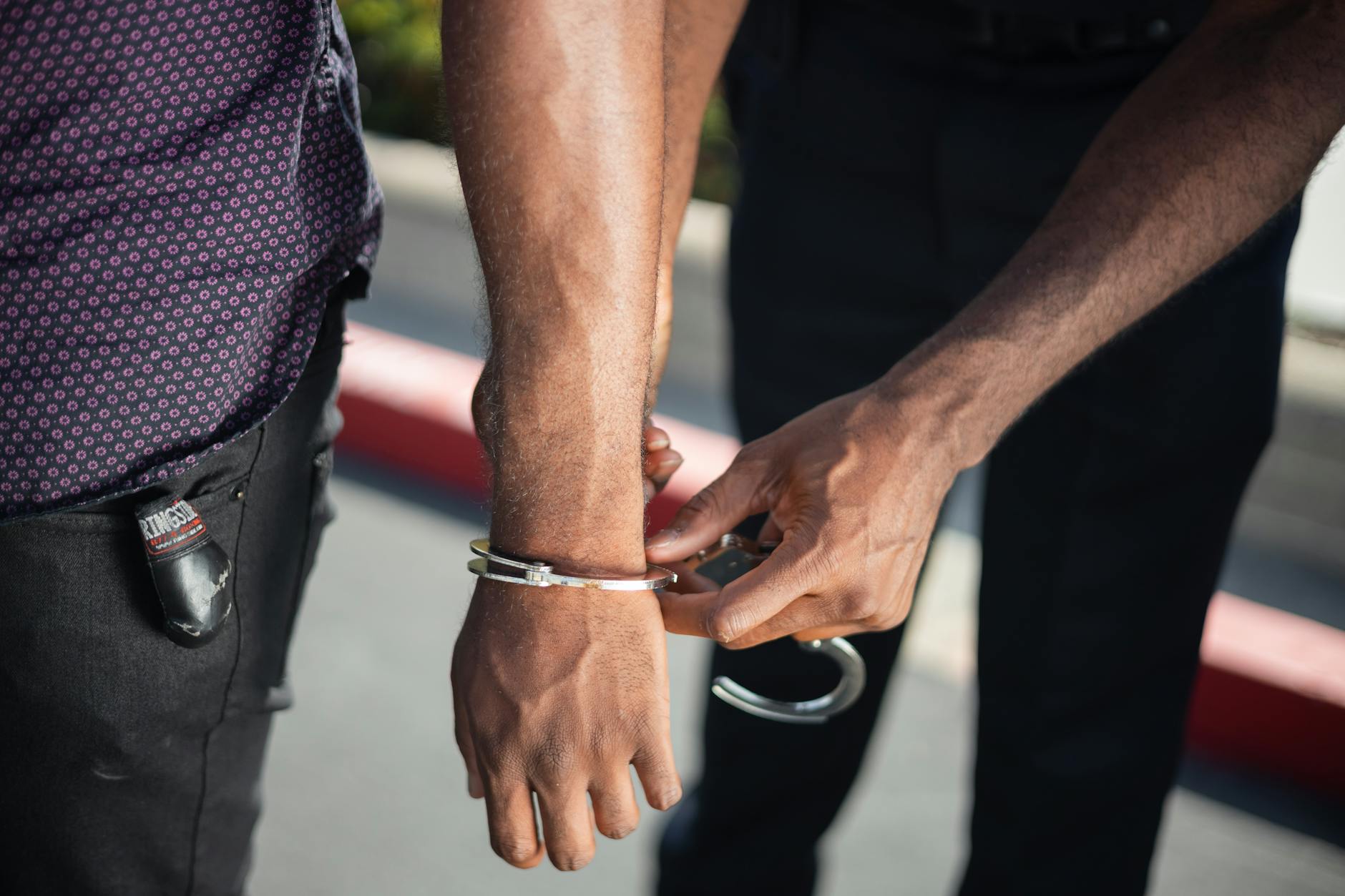
Shopkeeper citizen arrest refers to the legal right of a shopkeeper to detain a suspected shoplifter or trespasser. This authority stems from common law principles and varies by jurisdiction. Generally, it allows merchants to hold individuals suspected of theft until law enforcement arrives.
A 2018 study by the National Retail Federation found that retail theft costs U.S. businesses over $50 billion annually. This staggering figure underscores the importance of shopkeeper citizen arrest in protecting business interests. Legal experts emphasize that while this right exists, it must be exercised within strict legal boundaries to avoid liability.
To invoke citizen arrest, shopkeepers must have reasonable suspicion of criminal activity. This means they must observe behavior that would lead a reasonable person to believe a crime is occurring. Simply suspecting someone without evidence is insufficient. The shopkeeper's actions must be proportional to the suspected offense.
Shopkeepers should familiarize themselves with local laws, as regulations differ significantly by state and country. Some jurisdictions require immediate notification of law enforcement, while others allow brief detentions. Understanding these nuances is crucial for lawful and effective citizen arrests.
Shopkeeper's Rights and Limitations

Shopkeeper citizen arrest refers to the legal right of a shopkeeper to detain a suspected shoplifter or trespasser. This right stems from common law principles and varies by jurisdiction. Generally, it allows shopkeepers to use reasonable force to detain individuals suspected of committing a crime on their premises. However, the specifics of what constitutes "reasonable force" and the circumstances under which a shopkeeper can make a citizen's arrest differ from place to place.
A 2019 study by the National Retail Federation found that retail theft costs U.S. businesses over $50 billion annually. This staggering figure underscores the importance of understanding shopkeeper rights. Shopkeepers often serve as the first line of defense against theft, making it crucial for them to know their legal boundaries. According to legal experts, shopkeepers must have probable cause to believe a crime has been committed before making a citizen's arrest.
Shopkeepers must also consider the limitations of their authority. Detaining someone without proper justification can lead to legal repercussions. The use of excessive force or unlawful detention can result in civil lawsuits or criminal charges against the shopkeeper. It's essential for shopkeepers to familiarize themselves with local laws and regulations to avoid potential legal pitfalls. Training programs and legal consultations can provide valuable guidance in navigating these complexities.
When Can a Shopkeeper Make an Arrest?

A shopkeeper's right to make a citizen arrest is not unlimited. It typically arises in situations where a crime is committed in their presence, particularly theft or criminal trespass. According to legal experts, this right is derived from common law principles and varies by jurisdiction. In most cases, the arrest must be reasonable and necessary to prevent the suspect's escape or to preserve evidence.
Shopkeepers must act promptly. Delay can undermine the legality of the arrest. For instance, if a shoplifter is caught red-handed, the shopkeeper may detain them until law enforcement arrives. However, if the suspect leaves the premises and returns later, the shopkeeper generally loses the right to make a citizen arrest for that specific incident.
Statistics show that shoplifting accounts for a significant portion of retail losses, with the National Retail Federation reporting over $60 billion in losses annually in the U.S. alone. This underscores the importance of understanding the legal boundaries of citizen arrests. Shopkeepers must balance their right to protect their property with the need to respect the suspect's rights.
Steps to Take During a Citizen Arrest

When making a citizen arrest, shopkeepers must act swiftly but cautiously. The first step involves ensuring personal safety and the safety of others. If a suspect is actively stealing or causing harm, the shopkeeper should call law enforcement immediately. Simultaneously, they should attempt to detain the suspect if it can be done safely. According to legal experts, the use of reasonable force is permissible, but excessive force can lead to serious legal consequences.
Once the suspect is detained, the shopkeeper should clearly state the reason for the arrest. This includes explaining what crime they believe the suspect has committed. For example, "You are being detained for shoplifting." This step is crucial as it establishes the legal basis for the arrest. The shopkeeper should also inform the suspect of their rights, such as the right to remain silent and the right to an attorney.
A critical aspect of a citizen arrest is the proper handling of evidence. The shopkeeper should secure any stolen items and document the incident. This can include taking photographs, collecting surveillance footage, and writing a detailed report. According to a study by the National Retail Federation, proper documentation can significantly increase the chances of successful prosecution. The shopkeeper should also ensure that the evidence is preserved for law enforcement.
After detaining the suspect, the shopkeeper must wait for law enforcement to arrive. They should not attempt to conduct their own investigation or interrogate the suspect. The primary role of the shopkeeper is to detain the suspect safely until law enforcement takes over. This step is essential to avoid any legal complications. The shopkeeper should cooperate fully with law enforcement and provide them with all relevant information and evidence.
Legal Implications for Shopkeepers

Shopkeeper citizen arrest refers to a shopkeeper's legal right to detain a suspected shoplifter or trespasser until law enforcement arrives. This authority stems from common law principles and varies by jurisdiction, but generally allows merchants to use reasonable force to protect their property. The key is proportionality—any force used must be necessary and appropriate to the situation.
According to legal experts, shopkeepers must act within the bounds of the law to avoid potential lawsuits. A 2019 study found that 38% of citizen arrest cases resulted in legal action against the shopkeeper, often due to excessive force or wrongful detention. To mitigate risks, shopkeepers should familiarize themselves with local laws and receive proper training.
Documentation plays a crucial role in defending against legal claims. Shopkeepers should keep detailed records of incidents, including witness statements and security footage. Clear signage warning against theft can also strengthen a shopkeeper's legal position. However, signs alone do not grant unlimited detention rights.
Shopkeepers must also consider the potential for criminal liability. Detaining someone unlawfully can lead to charges such as false imprisonment. Legal experts recommend that shopkeepers release a suspect immediately if law enforcement does not arrive within a reasonable timeframe. Prioritizing safety and legality can help shopkeepers navigate these complex situations effectively.
Shopkeeper citizen arrest is a complex legal concept that grants merchants the authority to detain suspected shoplifters, but it comes with significant responsibilities and potential liabilities. It's crucial for shopkeepers to understand the boundaries of their authority to avoid legal complications. To navigate this area safely, merchants should invest in staff training on proper procedures and consider consulting with a legal professional to ensure compliance with local laws. As retail environments evolve, so too will the legal landscape surrounding citizen arrests, making ongoing education and adaptation essential for shopkeepers.
Need this answered for your specific case?
Get a flat-fee consultation with a verified U.S. immigration attorney. Engagement letter on every paid consult.
Related guides
This guide provides general legal information and does not create an attorney–client relationship. Information accurate as of July 2026. Always verify current USCIS guidance before acting.