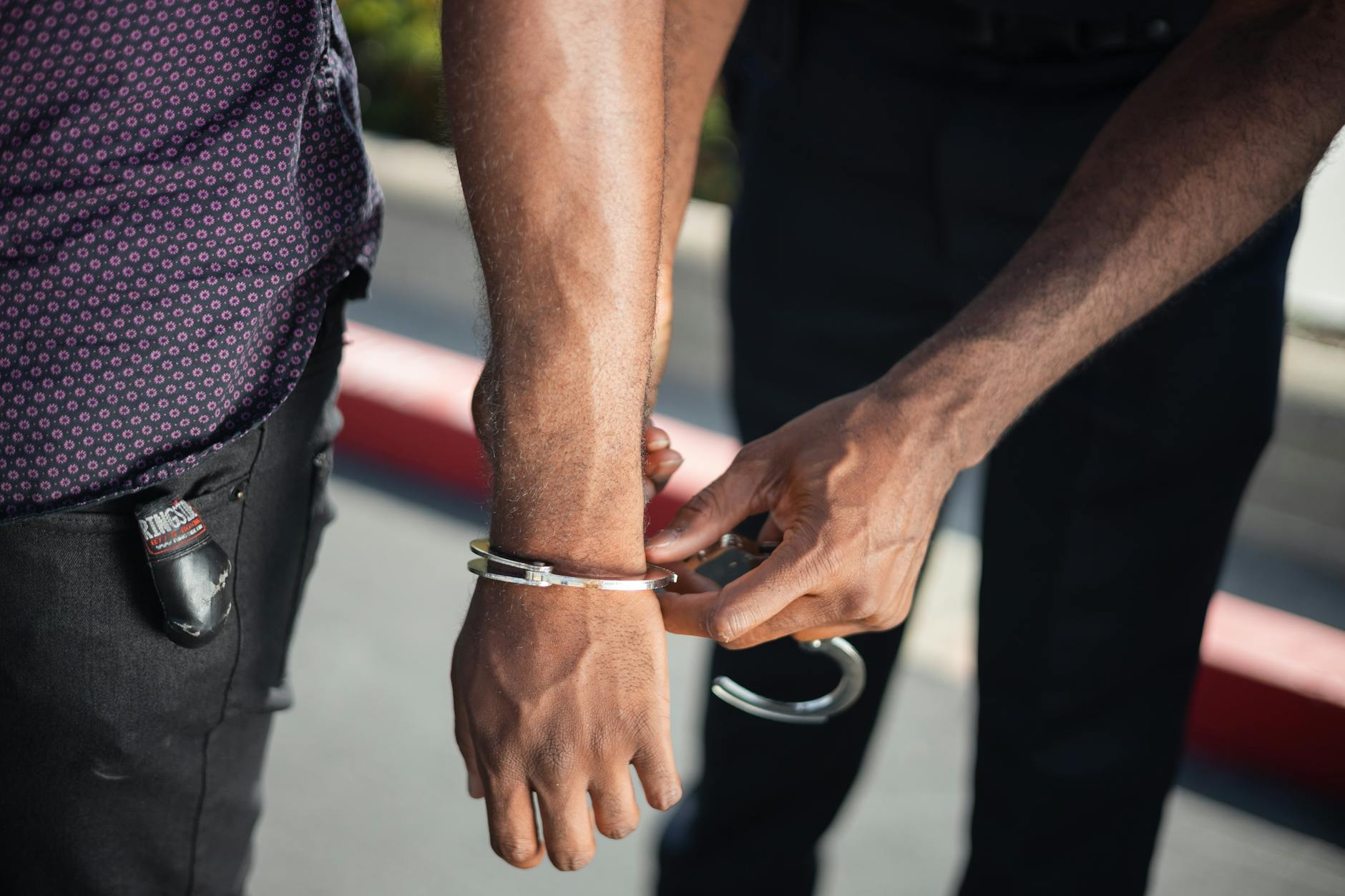
Eleven states have recently seen rulings from U.S. courts clarifying the legality of recording police officers. These decisions have sparked renewed debate and confusion about citizens' rights to document law enforcement activities.
The question "Is it illegal to record police officers?" has gained urgency as technology makes recording easier and more widespread. These court rulings carry significant implications for both law enforcement transparency and public trust. Understanding the legal landscape helps citizens navigate their rights and responsibilities when documenting interactions with police officers. The question "Is it illegal to record police officers?" remains a critical point of discussion as legal standards continue to evolve.
Understanding Wiretapping Laws

Wiretapping laws in the United States vary significantly by state, creating a complex legal landscape for individuals who record police officers. These laws generally fall into two categories: one-party consent and two-party consent states. In one-party consent states, only one person involved in a conversation needs to give consent for the recording to be legal. This means that an individual can legally record a conversation with a police officer without their knowledge. However, in two-party consent states, all parties involved in a conversation must consent to the recording.
According to the Reporters Committee for Freedom of the Press, 38 states and the District of Columbia have one-party consent laws, while 12 states require two-party consent. This distinction is crucial when determining the legality of recording police officers. The Supreme Court has not directly addressed the constitutionality of recording police officers, leaving the interpretation of these laws to state courts.
Understanding the specific wiretapping laws in one's state is essential for anyone considering recording police officers. Violations of these laws can result in serious legal consequences, including criminal charges. However, it is important to note that the legality of recording police officers extends beyond wiretapping laws and involves considerations of First Amendment rights and the public's right to access information.
State-by-State Rulings on Police Recordings
Across the United States, courts have issued varying rulings on the legality of recording police officers, creating a patchwork of state-by-state regulations. In Illinois, the state Supreme Court overturned its own eavesdropping law in 2012, ruling that citizens have a First Amendment right to record police officers in public. This decision came after a man was arrested for recording officers during a traffic stop, highlighting the contentious nature of these recordings.
California, on the other hand, has a clear stance. The state's Supreme Court ruled in 2013 that citizens have a constitutional right to record police officers in public places. This ruling was reinforced by a federal appeals court in 2016, which stated that the First Amendment protects the right to record police officers performing their duties in public.
A study by the National Press Photographers Association found that 38 states explicitly allow citizens to record police officers in public. However, the remaining states have varying degrees of restrictions or lack clear legislation on the matter. Legal experts emphasize the importance of understanding local laws, as penalties for violating recording laws can range from fines to imprisonment.
In Massachusetts, the Supreme Judicial Court ruled in 2011 that citizens have a right to record police officers in public, but only if the recording is done openly and not secretly. This ruling was a response to a case where a man was arrested for secretly recording a police officer during a traffic stop. The court's decision underscores the importance of transparency in these interactions.
What You Need to Know Before Recording

Before recording police officers, individuals should understand the legal landscape. The First Amendment protects the right to record police officers in public places, as affirmed by the U.S. Courts in 11 states. However, laws can vary by state and local jurisdiction, so it's crucial to know the specific regulations in your area.
According to the American Civil Liberties Union (ACLU), 38 states and the District of Columbia explicitly permit recording police officers in public. The ACLU emphasizes that these recordings can serve as vital evidence in cases of police misconduct. However, some states have restrictions, such as prohibiting the use of drones or requiring consent from all parties involved.
When recording, individuals should maintain a safe distance and avoid interfering with police activities. The National Association of Criminal Defense Lawyers advises that obstruction or interference can lead to charges, regardless of the legality of the recording itself. Additionally, officers may confiscate recording devices if they believe they are being used to commit a crime, although this is subject to legal challenges.
It's also important to consider the potential risks. While recording can be a powerful tool for accountability, it can also escalate tensions. Individuals should prioritize their safety and the safety of others. In some cases, it may be more prudent to focus on documenting the scene rather than directly engaging with law enforcement.
Police Response to Citizen Recordings
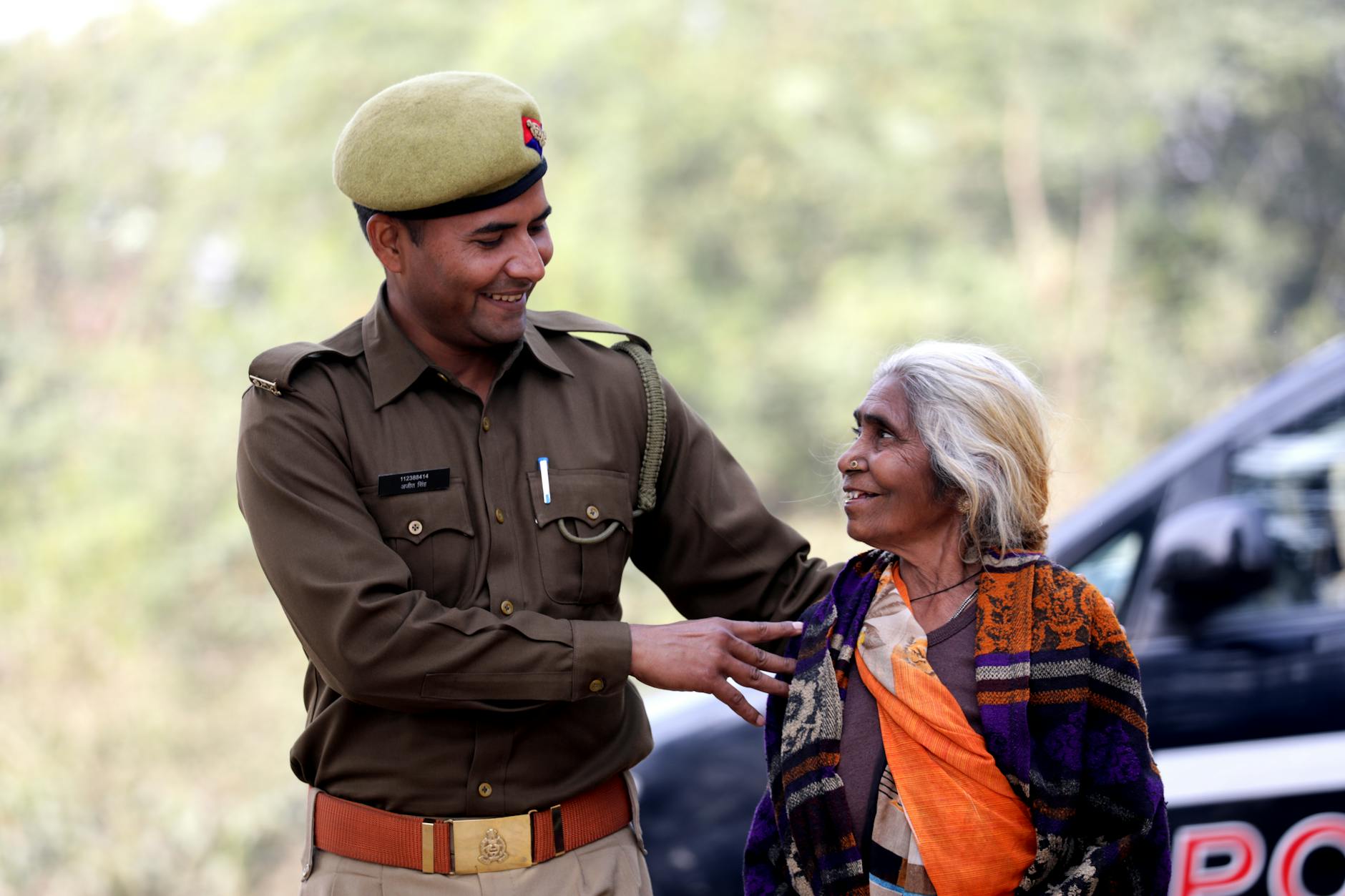
Police response to citizen recordings varies widely across the United States. In some jurisdictions, officers have been trained to recognize the legality of recordings and respond professionally. However, incidents of police confiscating or destroying recording devices still occur, despite clear legal precedents. A 2018 study by the National Police Foundation found that only 38% of police departments had explicit policies addressing citizen recordings.
Some law enforcement agencies actively encourage citizens to record interactions. The Los Angeles Police Department, for instance, has publicly stated that recordings can help hold all parties accountable. Yet, resistance persists in other departments, where officers may still assert that recording is illegal or attempt to intimidate citizens.
Legal experts emphasize that police officers are public servants performing duties in public spaces. As such, they generally have a lower expectation of privacy than ordinary citizens. The American Civil Liberties Union (ACLU) has repeatedly stressed that recording police officers is a vital tool for transparency and accountability.
Future of Recording Police in the Digital Age

The digital age has transformed how citizens document interactions with law enforcement. Smartphones now serve as ubiquitous tools for recording police activity, raising complex legal and ethical questions. As technology evolves, courts continue to grapple with balancing public transparency and officer privacy. The U.S. Department of Justice reports over 1.3 million law enforcement officers nationwide, each potentially subject to public recording.
Advocates argue recording protects both citizens and officers, creating an objective record of events. The American Civil Liberties Union emphasizes that public recording can deter misconduct and provide evidence in disputes. However, law enforcement agencies often express concerns about the impact on officer safety and operational effectiveness.
Legal experts note that state laws vary significantly regarding recording police activity. While some states explicitly permit recording, others maintain ambiguous or restrictive regulations. This patchwork of laws creates confusion for citizens attempting to navigate their rights. As technology advances, courts will likely continue to refine these legal boundaries.
Emerging technologies like body-worn cameras and drone recording further complicate the landscape. These tools offer new perspectives on police interactions, potentially enhancing accountability. However, they also raise questions about privacy and data management. The future of recording police in the digital age remains an evolving legal and social issue.
The legality of recording police officers varies significantly across the U.S., with 11 states now having clear rulings on the matter. While some states explicitly allow it, others impose restrictions, and a few remain ambiguous, making it crucial for individuals to understand their local laws. To avoid potential legal issues, citizens should familiarize themselves with state-specific regulations and exercise caution when recording interactions with law enforcement. As technology continues to evolve and public awareness grows, these laws will likely face further scrutiny and refinement in the coming years.
Need this answered for your specific case?
Get a flat-fee consultation with a verified U.S. immigration attorney. Engagement letter on every paid consult.
Related guides
This guide provides general legal information and does not create an attorney–client relationship. Information accurate as of July 2026. Always verify current USCIS guidance before acting.