
UK police conducted 1.1 million stop and search operations in 2022, marking a significant increase from previous years. This controversial practice, designed to combat crime and uncover illegal items, remains a contentious topic among law enforcement agencies, civil liberties groups, and the public. The sheer volume of these encounters raises important questions about their effectiveness, legality, and impact on communities.
The Police Stop and Search Record is a crucial tool that documents each instance of this practice, providing transparency and accountability. It includes details such as the reason for the search, the outcome, and the demographics of those stopped. Understanding the Police Stop and Search Record is essential for anyone interested in criminal justice, as it sheds light on how and why police interact with the public in this manner. This data helps identify patterns, assess the fairness of policing strategies, and inform ongoing debates about law enforcement practices.
Understanding stop and search powers

Police stop and search powers allow officers to detain individuals and search them for prohibited items, such as weapons or drugs. These powers are granted under various legislations, including the Police and Criminal Evidence Act 1984 (PACE) in England and Wales. The process involves officers having reasonable grounds for suspicion before conducting a search. The purpose is to prevent crime, ensure public safety, and maintain law and order.
Every stop and search encounter must be recorded. This includes details like the time, location, and reason for the search, as well as the outcome. These records are crucial for transparency and accountability. They help monitor police activity, identify patterns, and ensure that stop and search powers are used fairly and lawfully. According to a report by the Independent Office for Police Conduct, over 1.1 million stop and search records were logged in 2022 alone.
Experts emphasize the importance of accurate record-keeping. It not only builds public trust but also provides valuable data for policy-making. For instance, records can reveal disparities in how different communities are targeted for stop and searches. This information can drive reforms to ensure that police practices align with principles of fairness and equality.
Individuals who believe they have been unfairly stopped and searched can challenge the decision. They have the right to request the officer's details and the reason for the search. Additionally, they can file a complaint with the relevant police force or the Independent Office for Police Conduct. This process ensures that police powers are exercised responsibly and that public rights are protected.
How police use these powers daily
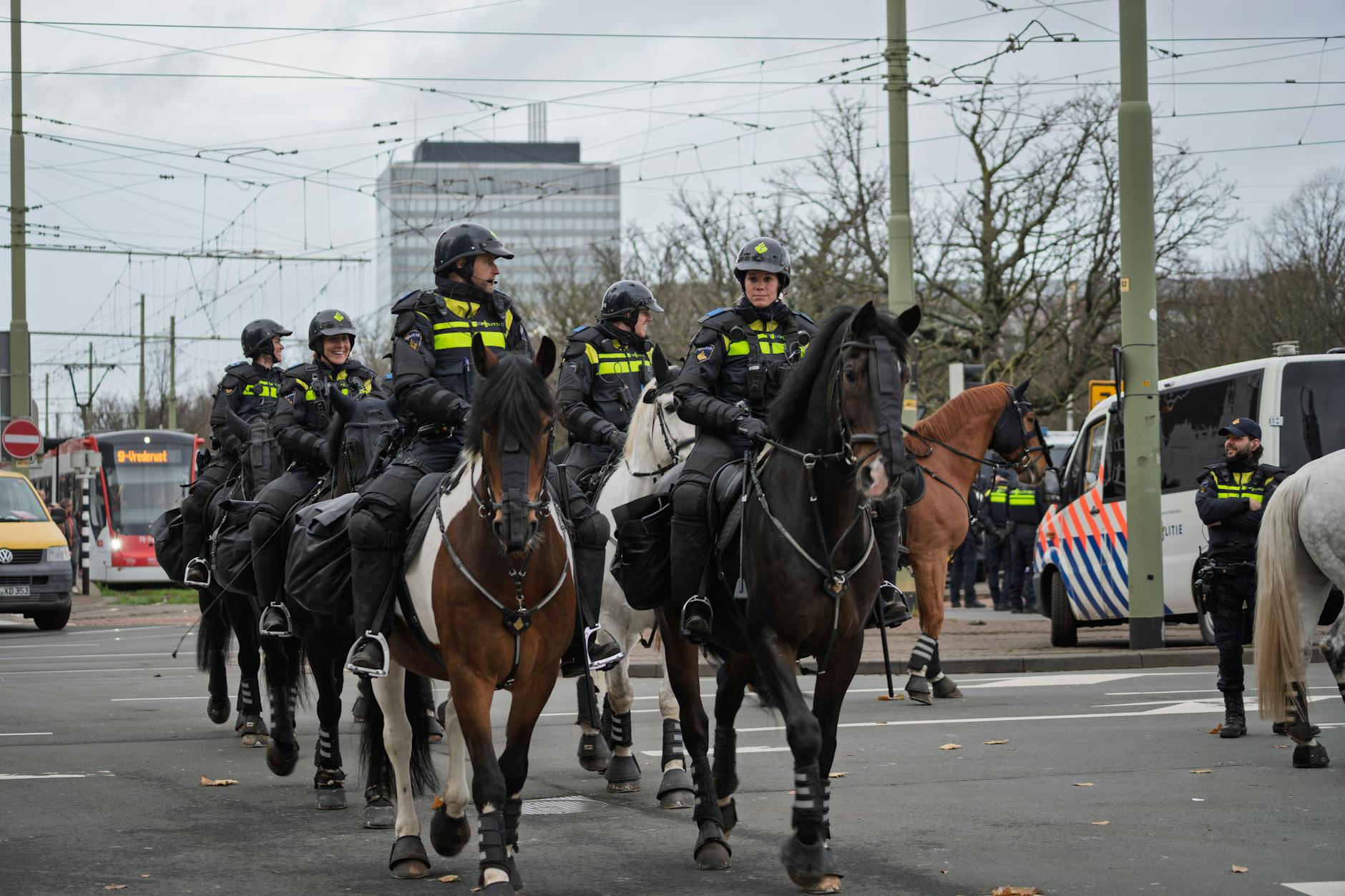
Police officers across the UK employ stop and search powers daily, targeting individuals they suspect may be carrying illegal items. These encounters, governed by the Police and Criminal Evidence Act 1984, aim to prevent crime and ensure public safety. Officers must have reasonable grounds to believe a person is involved in criminal activity before initiating a search. This process involves a brief detention, a pat-down, and sometimes a more thorough search, depending on the circumstances.
Data shows that in 2022, police conducted over 1.1 million stop and search procedures. These interactions often occur in high-crime areas or during specific operations targeting drugs, weapons, or stolen property. Officers receive training to conduct searches respectfully and lawfully, adhering to strict guidelines to protect individuals' rights. However, the use of these powers remains a contentious issue, with ongoing debates about racial disparities and the balance between security and civil liberties.
Experts emphasize the importance of transparency and accountability in stop and search practices. Police forces are required to record detailed information about each encounter, including the reason for the search, the outcome, and the demographic details of the individual searched. This data helps monitor the effectiveness of the practice and identify any potential biases. Regular reviews and public reports ensure that the use of stop and search powers remains justified and proportionate.
Impact on communities and individuals

The UK's stop and search powers have significant implications for both communities and individuals. These powers, granted under the Police and Criminal Evidence Act 1984, allow officers to stop and search individuals if they have reasonable grounds to suspect they may be carrying illegal items. In 2022, the 1.1 million stop and searches conducted across the UK highlighted the widespread use of this power, with Black individuals disproportionately affected, being stopped at a rate five times higher than their white counterparts.
For individuals subjected to stop and search, the experience can be intrusive and unsettling. A report by a leading civil rights organization found that many individuals, particularly from minority backgrounds, reported feelings of humiliation and mistrust towards the police following these encounters. The psychological impact can be profound, affecting mental well-being and community relations.
Communities, particularly those in urban areas with higher crime rates, often bear the brunt of frequent stop and searches. While these powers can help deter crime and recover illegal items, their overuse can lead to a breakdown in trust between the police and the public. This erosion of trust can hinder community policing efforts, making it more challenging for law enforcement to gather intelligence and prevent crime effectively.
Critics argue that the disproportionate use of stop and search powers against certain ethnic groups exacerbates social tensions. Police forces have been urged to implement stricter guidelines and training to ensure that stop and searches are conducted fairly and lawfully. The goal is to balance effective crime prevention with the protection of individual rights and community trust.
Controversies and criticisms

The UK's stop and search policy has faced significant criticism over the years. Campaigners argue that the powers are disproportionately used against ethnic minorities, citing figures that show Black individuals are up to nine times more likely to be stopped and searched than white individuals. This disparity has fueled accusations of institutional racism within police forces, despite repeated denials from authorities.
Human rights organizations have also raised concerns about the effectiveness of stop and search. They argue that the tactic often leads to intrusive searches without sufficient evidence of criminal activity, violating individuals' right to privacy. A report from a leading civil liberties group found that over 80% of stop and search encounters in 2022 did not result in any further action, questioning the policy's overall value.
Police defend the use of stop and search, stating it is a crucial tool in preventing crime and tackling serious offenses. They point to successful operations where weapons and drugs have been seized. However, critics counter that the psychological impact on communities, particularly among young people, can be profound and damaging.
The debate continues as police forces grapple with balancing public safety with civil liberties. With the number of stop and searches reaching 1.1 million in 2022, the pressure to reform the policy remains intense. Experts suggest that better training, clearer guidelines, and increased transparency could help address some of the long-standing criticisms.
Potential reforms and changes
Amid growing scrutiny, police forces across the UK are considering potential reforms to stop and search practices. A recent report by a policing think tank suggests that targeted training programs could help officers better understand the legal framework and community impact of these searches. The report highlights that while stop and search remains a vital tool for crime prevention, its application must be balanced with public trust.
One proposed change involves increasing transparency in stop and search data. Advocates argue that publishing detailed reports on the outcomes of searches could help identify patterns of bias and improve accountability. This move aligns with broader calls for greater transparency in policing, as seen in the recent push for body-worn cameras and public dashboards tracking police activity.
Community engagement initiatives are also gaining traction as a potential reform. Some forces are exploring ways to involve local residents in shaping stop and search policies, believing that this collaboration could foster better relationships between police and the communities they serve. Early pilots of these programs have shown promising results, with some areas reporting increased public trust in law enforcement.
Legal experts emphasize the need for clear guidelines to prevent arbitrary stops. They recommend regular reviews of stop and search policies to ensure they comply with human rights standards and reflect current societal values. As the debate continues, the focus remains on finding a balance between effective policing and respecting individual liberties.
The UK's 2022 stop and search figures reveal a staggering 1.1 million encounters, highlighting both the scale and complexity of this policing tactic. While these figures underscore the police's proactive approach to crime prevention, they also spark ongoing debates about fairness and effectiveness. To navigate this landscape, citizens should familiarize themselves with their rights during stop and searches, ensuring they can engage confidently with law enforcement. Looking ahead, the debate around stop and search will likely intensify, with calls for greater transparency and accountability shaping future policing strategies.
Need this answered for your specific case?
Get a flat-fee consultation with a verified U.S. immigration attorney. Engagement letter on every paid consult.
Related guides
This guide provides general legal information and does not create an attorney–client relationship. Information accurate as of July 2026. Always verify current USCIS guidance before acting.