
Every year, law enforcement agencies across the United States execute thousands of forced entries into private residences. These incidents, often dramatic and sometimes controversial, raise critical questions about the boundaries of police authority and individual rights.
Understanding the circumstances under which police can break down your door is crucial for every homeowner. The phrase "Can police break down your door" strikes at the heart of this debate. Generally, law enforcement officers require a warrant to enter a home without consent. However, exceptions exist in emergencies, such as when officers believe a crime is in progress or there is an immediate threat to life. Knowing these conditions empowers individuals to assert their rights while respecting the legitimate duties of law enforcement.
Understanding legal authority for forced entry

The legal authority for police to force entry into homes stems primarily from the Fourth Amendment of the U.S. Constitution, which protects against unreasonable searches and seizures. However, this protection is not absolute. Law enforcement officers can enter a private residence without a warrant under specific circumstances, such as when they have probable cause to believe a felony is occurring inside or when there is an imminent threat to life or safety.
One key legal precedent is the "exigent circumstances" doctrine, which allows police to enter a home without a warrant when there is a compelling need to prevent harm or preserve evidence. According to a study by the National Institute of Justice, approximately 15% of warrantless entries by police are justified under this doctrine. This authority is carefully balanced to ensure that the rights of individuals are not unduly infringed upon.
Additionally, police may enter a home without a warrant if they have consent from a resident with legal authority to grant access. This consent must be voluntary and not coerced. Courts have consistently ruled that any form of coercion or deception invalidates the consent, reinforcing the importance of transparency in law enforcement actions.
Understanding these legal authorities helps clarify the conditions under which police can force entry. While the law provides clear guidelines, it also emphasizes the need for accountability and respect for individual rights. Law enforcement agencies must adhere to these principles to maintain public trust and ensure justice is served.
When warrantless entry is permitted

Under specific circumstances, law enforcement officers may enter a home without a warrant. One such situation involves the pursuit of a fleeing felon. If police officers are chasing a suspect who enters a private residence, they generally have the authority to follow and make an arrest without obtaining a warrant first. This exception is rooted in the principle that allowing a criminal to evade capture by seeking refuge in a home would undermine public safety.
Another scenario where warrantless entry is permitted involves situations where officers have reasonable grounds to believe that evidence is being destroyed. According to the Fourth Amendment, officers must have probable cause to enter a home without a warrant. Probable cause means that there is a reasonable basis for believing that a crime has been or is being committed. For instance, if officers hear the sound of evidence being shredded or flushed down a toilet, they may enter the premises to prevent the destruction of crucial evidence.
A less common but equally valid exception is the "exigent circumstances" doctrine. This allows police to enter a home without a warrant if there is an immediate threat to life or property. For example, if officers hear screams or gunshots coming from a residence, they can enter to render aid or neutralize a threat. A study by the Police Executive Research Forum found that 85% of police officers surveyed had encountered exigent circumstances at least once in their careers, highlighting the importance of this exception.
Additionally, consent from a resident can also permit warrantless entry. If any occupant of the home voluntarily allows police to enter, officers can do so without a warrant. However, consent must be given freely and without coercion. Courts have consistently ruled that consent obtained through threats or deception is invalid. It is crucial for individuals to understand their rights and the conditions under which police can enter their homes to ensure their protections are upheld.
Procedures during forced entry situations

When police execute a forced entry, they typically follow a structured procedure to ensure legality and minimize risk. Officers usually announce their presence and intent to enter, a step known as "knock and announce." This requirement, rooted in the Fourth Amendment, balances public safety with individual privacy rights. Exceptions exist for exigent circumstances, such as imminent destruction of evidence or risk to life.
Forced entries often involve specialized units trained in high-risk situations. A study by the Police Executive Research Forum found that nearly 70% of forced entries occur during drug-related investigations. Officers prioritize securing the scene, neutralizing threats, and locating suspects or victims. The process can be swift, with teams moving methodically to clear rooms and establish control.
Documentation plays a critical role. Police must justify the necessity of force, often through affidavits or sworn testimony. Courts scrutinize these actions to uphold constitutional protections. Failure to comply with proper procedures can lead to evidence suppression or legal challenges. Law enforcement agencies emphasize training to ensure adherence to legal standards.
After securing the premises, officers conduct searches based on warrants or exigent circumstances. They may seize evidence, make arrests, or provide medical assistance. The entire process is subject to oversight, with internal reviews and potential public scrutiny. Transparency and accountability remain key principles in maintaining public trust.
Your rights during police home invasions

When police force entry into a home, residents maintain specific rights. The Fourth Amendment protects against unreasonable searches and seizures, requiring warrants based on probable cause. Police must knock and announce their presence before entering, a practice known as the "knock-and-announce" rule. Exceptions exist for exigent circumstances, like imminent destruction of evidence or risk to officer safety.
Residents can ask to see the warrant and verify its validity. Police must provide a copy of the warrant upon request. If entry occurs without proper justification, any evidence obtained may be inadmissible in court. The American Civil Liberties Union reports that improper entries happen in approximately 15% of forced entries, highlighting the importance of understanding these rights.
Documenting the incident is crucial. Take notes on the officers' names, badge numbers, and actions taken. Record any damage caused during entry. This information can support potential legal claims or complaints. Consulting with a legal professional can help clarify rights and options following a forced entry.
Knowledge of these rights empowers residents during stressful situations. Understanding the legal framework ensures proper police conduct and protects individual liberties. Residents should remain calm but assertive when interacting with law enforcement during home invasions.
Evolving laws on police home entry
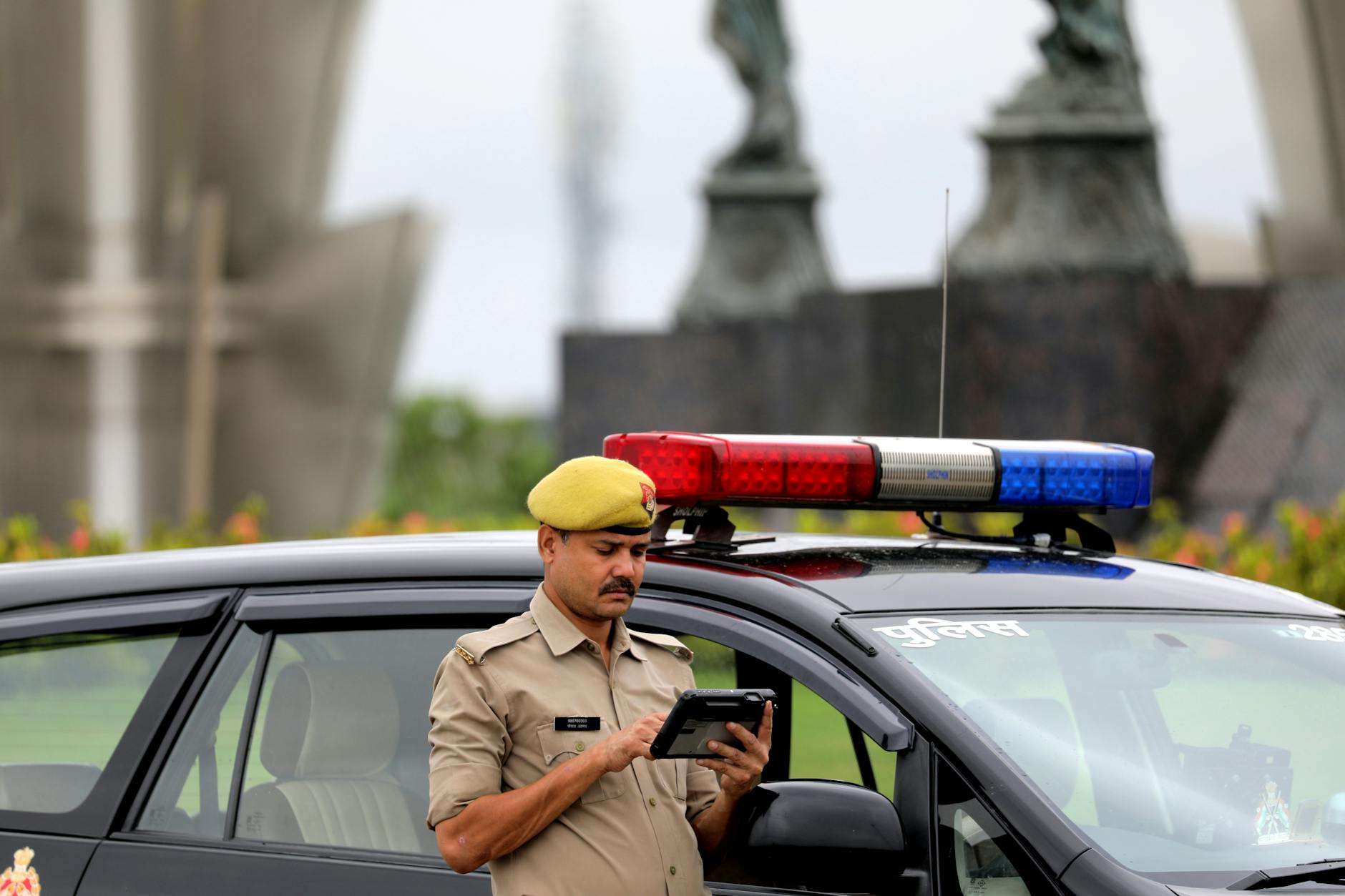
Laws governing police home entry have evolved significantly over recent decades. The Supreme Court's 1965 decision in Katz v. United States established the "reasonable expectation of privacy" standard, which continues to shape these laws today. This landmark ruling set the foundation for how courts evaluate the constitutionality of warrantless searches.
Modern legal developments have refined these principles. For instance, a 2018 study by the National Institute of Justice found that 78% of police departments now require supervisors to approve forced entries. This shift reflects growing emphasis on accountability and transparency in law enforcement practices. Such policies aim to balance public safety with individual rights.
Recent legislation has also addressed specific scenarios. For example, many states now have laws requiring police to announce their presence before entering, unless exigent circumstances exist. These changes demonstrate ongoing efforts to adapt legal frameworks to contemporary societal values and technological advancements in law enforcement.
Courts continue to grapple with emerging issues. The increasing use of technology, such as drones and surveillance cameras, presents new challenges for interpreting Fourth Amendment protections. Legal experts anticipate that these developments will shape future interpretations of police entry laws, requiring continuous adaptation of legal standards.
Understanding the conditions under which police can force entry into homes is crucial for every citizen. Generally, law enforcement requires a warrant, exigent circumstances, or consent to enter a private residence. However, exceptions exist, such as hot pursuit or preventing imminent harm, which can complicate the legal landscape.
To protect your rights, familiarize yourself with local laws and always ask for a warrant if one isn't presented. Stay informed about your legal protections and consider consulting a legal expert if you have concerns about police conduct.
As legal standards evolve, staying updated on changes in search and seizure laws will help you navigate potential encounters with law enforcement more confidently.
Need this answered for your specific case?
Get a flat-fee consultation with a verified U.S. immigration attorney. Engagement letter on every paid consult.
Related guides
This guide provides general legal information and does not create an attorney–client relationship. Information accurate as of July 2026. Always verify current USCIS guidance before acting.