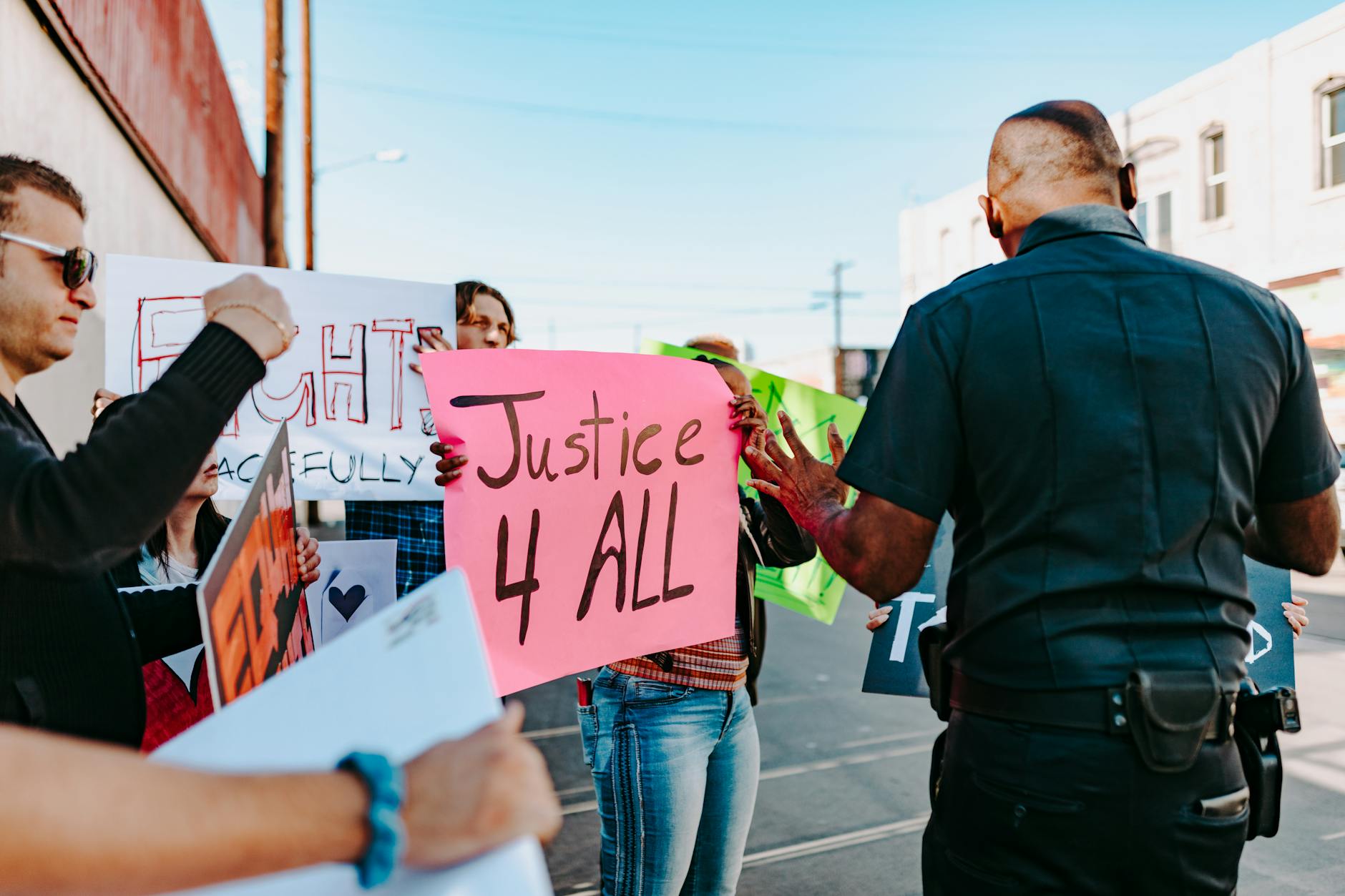
Every day, police officers exercise powers that directly impact the lives of ordinary citizens. From traffic stops to investigations, these powers are essential for maintaining public order, yet they often go unnoticed or misunderstood by the general public.
Understanding these powers is crucial for everyday people to navigate their interactions with law enforcement effectively. In the book "Police Powers Explained for Everyday People," readers gain clarity on the legal authorities that police officers hold. This knowledge empowers individuals to recognize their rights and responsibilities, fostering a more informed and cooperative relationship with law enforcement. "Police Powers Explained for Everyday People" demystifies complex legal concepts, making them accessible to all.
Police Powers Defined
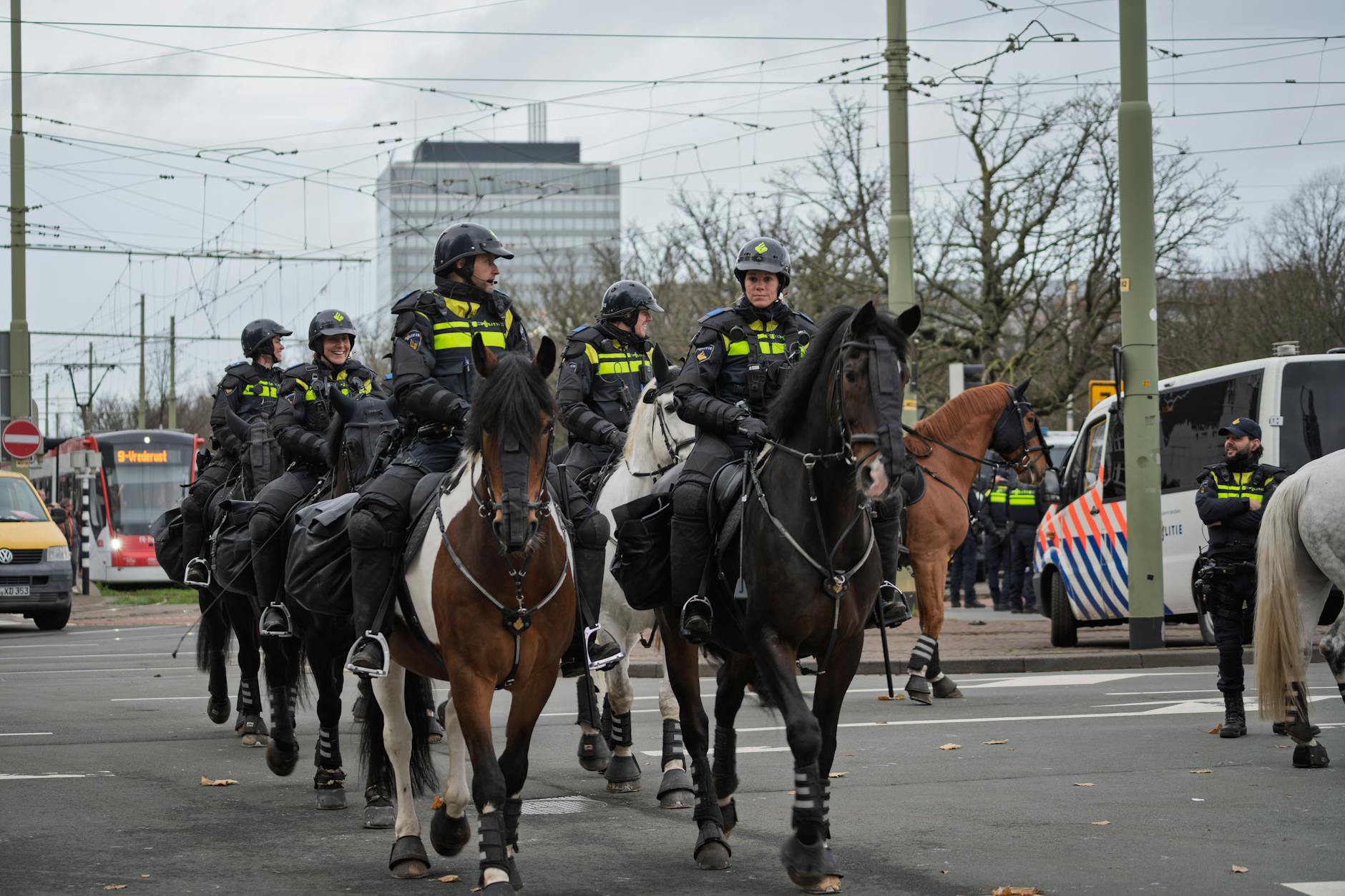
Police powers form the backbone of law enforcement, granting officers authority to maintain public order and safety. These powers are not arbitrary; they are clearly defined by laws and regulations. For instance, the power of arrest allows officers to detain individuals suspected of committing a crime. This power is crucial for preventing further offenses and ensuring suspects appear in court. However, it must be exercised lawfully to respect individuals' rights.
Another key power is the authority to conduct searches. Police can search persons, vehicles, or properties under specific circumstances, such as with a warrant or probable cause. According to a report by the American Civil Liberties Union, unlawful searches remain a significant concern, highlighting the need for strict adherence to legal procedures. Officers must balance their duty to investigate crimes with the protection of constitutional rights.
Police also have the power to use reasonable force when necessary. This power is essential for subduing threats and ensuring officer safety. However, the use of force must always be proportional to the situation. Excessive force can lead to serious consequences, including legal action against the officer and department. Training and accountability measures are vital to ensure force is used appropriately.
Lastly, police possess the power to issue citations or summonses for minor offenses. This power allows officers to address violations without resorting to arrests. For example, a police officer might issue a citation for a traffic violation instead of making an arrest. This approach helps maintain public order while minimizing the impact on individuals' lives.
Everyday Encounters Explained

Police powers shape daily life in subtle yet significant ways. From traffic stops to public order maintenance, officers routinely exercise authority that affects individuals and communities. Understanding these encounters helps people navigate interactions with law enforcement more confidently.
A routine traffic stop illustrates basic police powers in action. When an officer pulls over a vehicle, they're exercising their authority to enforce traffic laws. This power stems from legal statutes that grant police the right to stop vehicles for violations like speeding or expired registration. According to the National Highway Traffic Safety Administration, police initiate millions of traffic stops annually, making this one of the most common police-civilian encounters.
Public order maintenance represents another key police power. Officers have the authority to intervene in situations where public safety is at risk. This might involve dispersing unruly crowds or responding to noise complaints. Police training emphasizes de-escalation techniques to handle these situations effectively. The International Association of Chiefs of Police highlights the importance of community policing strategies in managing public order incidents.
Police powers also extend to investigating suspicious activities. Officers can detain individuals briefly if they have reasonable suspicion of criminal behavior. This power, known as a Terry stop, allows police to question people and pat them down for weapons. The U.S. Supreme Court has established guidelines to prevent abuse of this authority, ensuring it aligns with constitutional protections.
Your Rights During Stops

When police stop individuals, it's crucial to know your rights. The Fourth Amendment protects against unreasonable searches and seizures. Police generally need reasonable suspicion to stop someone. This means they must have specific, articulable facts indicating criminal activity.
During a stop, police can pat down outer clothing if they suspect a weapon. This is known as a "Terry stop" or "stop and frisk." However, they cannot conduct a full search without probable cause or consent. According to the American Civil Liberties Union, millions of people experience these stops annually.
Individuals have the right to remain silent. Police cannot detain someone indefinitely. If arrested, the right to an attorney is guaranteed. Understanding these rights helps protect against potential abuses of power. Always stay calm and polite during interactions with law enforcement.
When to Question Authority

Understanding when to question police authority is crucial for maintaining a balanced relationship between law enforcement and the community. Police officers hold significant power, but that power isn't absolute. Recognizing the boundaries of their authority helps protect individual rights and ensures accountability. The American Civil Liberties Union (ACLU) reports that knowing one's rights can significantly reduce the likelihood of rights violations during police encounters.
Question authority when an officer's actions seem unreasonable or unlawful. For instance, if an officer demands entry into a home without a warrant and no exigent circumstances exist, it's appropriate to politely but firmly question their authority. The Fourth Amendment protects against unreasonable searches and seizures, and understanding this right empowers individuals to challenge unlawful actions.
A study by the National Institute of Justice found that clear communication and assertiveness can de-escalate tense situations. If an officer requests identification, individuals should comply if they are driving or in certain situations, but they can politely ask if they are required to provide it. Knowing when and how to question authority ensures that interactions with law enforcement remain respectful and lawful.
Trust in law enforcement is built on mutual respect and understanding. While it's essential to cooperate with police officers, it's equally important to know when to question their actions. This balance fosters a healthier community and ensures that police powers are exercised responsibly and within the bounds of the law.
Evolving Laws and Public Trust

Police powers operate within a framework of laws that continually evolve to balance public safety with individual rights. Recent years have seen significant legal developments, such as the expansion of body-worn camera usage and updated guidelines on use of force. These changes reflect society's shifting expectations and technological advancements, demonstrating how the legal landscape adapts to modern challenges.
A Pew Research Center study found that 63% of Americans support police wearing body cameras, highlighting public demand for transparency. This trust is crucial, as it fosters cooperation between law enforcement and communities. When people believe police powers are exercised fairly and accountably, they are more likely to comply with laws and assist in investigations.
However, maintaining public trust requires more than just legal reforms. Police departments must also invest in community engagement initiatives and bias training. These efforts help bridge gaps between officers and residents, ensuring that police powers are perceived as legitimate tools for public safety rather than instruments of oppression. When trust erodes, so too does the effectiveness of law enforcement.
Understanding these five key police powers empowers you to navigate daily life with confidence and awareness. Knowing your rights and the boundaries of police authority fosters a balanced relationship between law enforcement and the community. To stay informed, consider reviewing local laws and attending community policing events to learn more about your rights and responsibilities. As society evolves, so too will the dynamics of policing, making ongoing education and open dialogue essential for a harmonious future.
Need this answered for your specific case?
Get a flat-fee consultation with a verified U.S. immigration attorney. Engagement letter on every paid consult.
Related guides
This guide provides general legal information and does not create an attorney–client relationship. Information accurate as of July 2026. Always verify current USCIS guidance before acting.