
Over 2.3 million people are currently incarcerated in the United States, each with fundamental rights that must be protected. These rights, often misunderstood or overlooked, form the backbone of a fair and just correctional system. Understanding these rights is not just crucial for those behind bars but also for society at large, as it fosters accountability and transparency within the system.
What Is Inmate Rights Explained is a comprehensive guide to the legal protections afforded to incarcerated individuals. These rights, enshrined in the U.S. Constitution and various federal laws, include the right to humane living conditions, access to legal representation, protection from cruel and unusual punishment, and the right to religious freedom. What Is Inmate Rights Explained also highlights the importance of these rights in maintaining the dignity and well-being of inmates. By grasping these concepts, the public can better advocate for a more equitable and humane correctional system.
Legal Foundations of Inmate Rights

The legal foundations of inmate rights stem from constitutional protections and landmark court decisions. The Eighth Amendment prohibits cruel and unusual punishment, while the Fourteenth Amendment ensures equal protection under the law. These provisions form the bedrock of inmate rights, guaranteeing basic human dignities even within correctional facilities. Courts have consistently upheld these principles, reinforcing the notion that incarceration does not strip individuals of their fundamental rights.
One pivotal case, Estelle v. Gamble (1976), established that prisoners have a constitutional right to adequate medical care. This ruling underscored the obligation of correctional facilities to provide necessary healthcare services. According to the Bureau of Justice Statistics, approximately 40% of inmates report chronic health conditions, highlighting the critical importance of this right. The case set a precedent for subsequent legal battles, ensuring that medical neglect constitutes cruel and unusual punishment.
Additionally, the Supreme Court's decision in Turner v. Safley (1987) addressed the balance between institutional security and inmate rights. The court articulated a three-part test to evaluate the constitutionality of prison regulations, emphasizing that restrictions must be reasonably related to legitimate penological interests. This framework has guided courts in assessing challenges to prison policies, ensuring that security concerns do not infringe upon fundamental rights without justification.
Legal scholars emphasize the evolving nature of inmate rights, shaped by ongoing litigation and legislative reforms. The dynamic interplay between constitutional protections and practical considerations continues to define the scope of these rights. As society's understanding of justice and rehabilitation evolves, so too does the legal landscape governing the treatment of incarcerated individuals. This ongoing process ensures that the rights of inmates remain aligned with contemporary standards of fairness and humanity.
Essential Protections for Prisoners
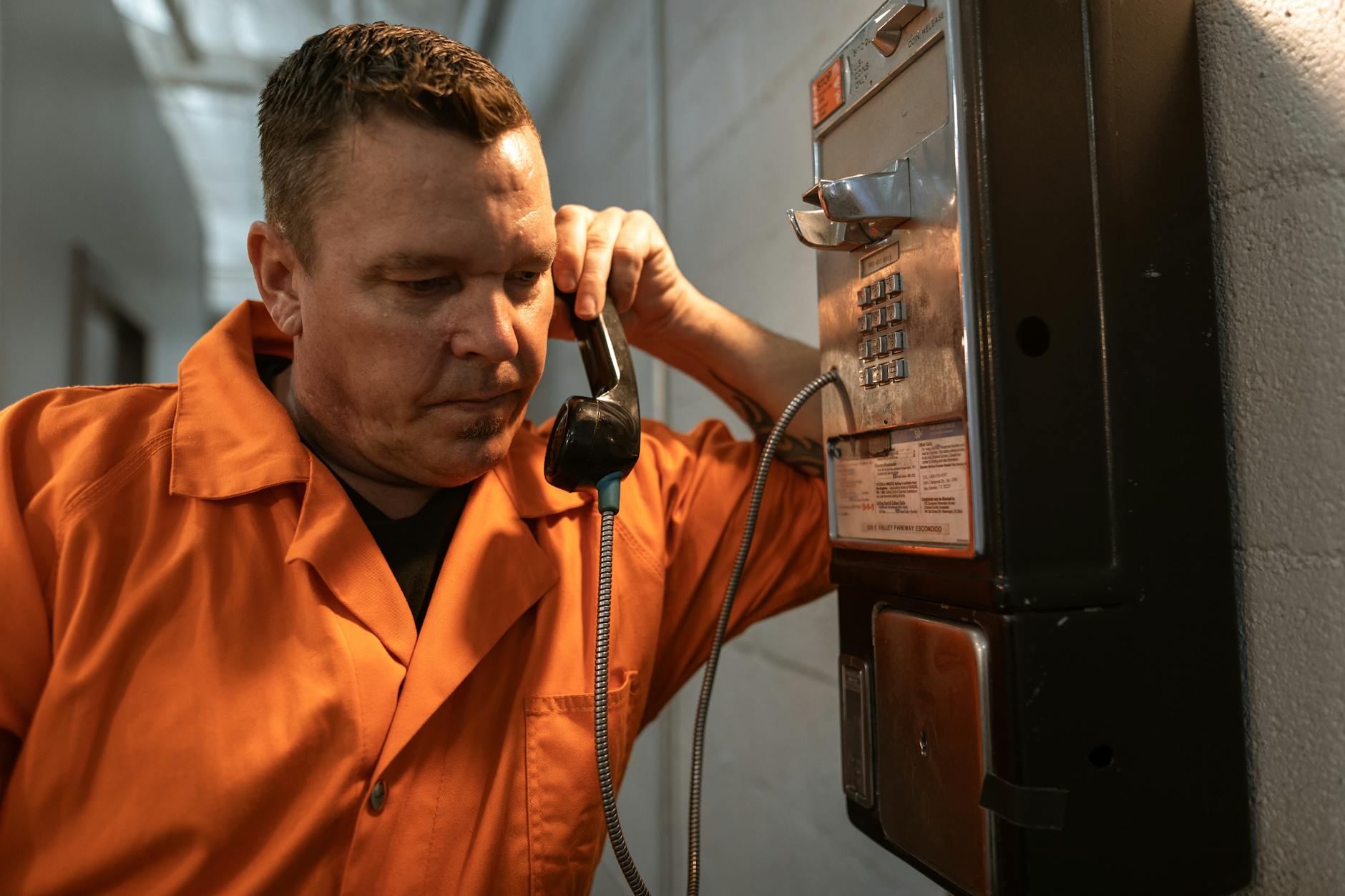
Incarcerated individuals retain fundamental human rights, even behind bars. Essential protections include the right to humane treatment, which prohibits cruel, inhuman, or degrading punishment. This right ensures prisoners are safeguarded from physical and psychological abuse. Additionally, inmates have the right to be free from discrimination based on race, gender, religion, or other protected characteristics.
Access to basic necessities forms another critical protection. Prisoners must receive adequate food, clean water, and medical care. According to the World Health Organization, overcrowding in prisons exacerbates health risks, making these provisions even more crucial. Proper sanitation and hygiene facilities are also mandatory to prevent the spread of diseases.
Legal protections are vital for inmates. They have the right to legal representation and a fair trial. This includes access to legal materials and the ability to communicate confidentially with their attorney. Moreover, prisoners can challenge their detention through habeas corpus petitions, ensuring their imprisonment is lawful.
Mental health support is increasingly recognized as an essential protection. The American Psychological Association emphasizes the importance of mental health services in correctional facilities. Inmates facing mental health issues must receive appropriate treatment and support to ensure their well-being.
Daily Life and Inmate Rights

Daily life behind bars is governed by a complex web of rules and regulations designed to balance security needs with fundamental human rights. Incarcerated individuals retain certain rights that protect their dignity and well-being, even within the confines of a correctional facility. These rights encompass aspects of daily life, from access to basic necessities to opportunities for personal growth and rehabilitation.
One of the most critical rights is access to adequate food, water, and medical care. According to the American Civil Liberties Union, prisoners are entitled to conditions that do not violate their basic human rights. This includes nutritious meals, clean drinking water, and timely medical attention. Failure to provide these essentials can lead to severe health issues and even legal consequences for the facility.
Inmates also have the right to communicate with the outside world. Regular contact with family and friends through letters, phone calls, and visits is crucial for maintaining emotional well-being. Additionally, access to legal counsel ensures that prisoners can challenge unfair treatment or conditions. This right is fundamental to the principle of due process and fair treatment under the law.
Education and vocational training opportunities are another vital aspect of inmate rights. Programs that offer job skills, educational courses, and rehabilitation services help prisoners prepare for reintegration into society. Studies show that participation in such programs significantly reduces recidivism rates, benefiting both the individual and the community. Providing these opportunities aligns with the broader goal of corrections: to rehabilitate and reintegrate, not just punish.
Challenges in Upholding Rights
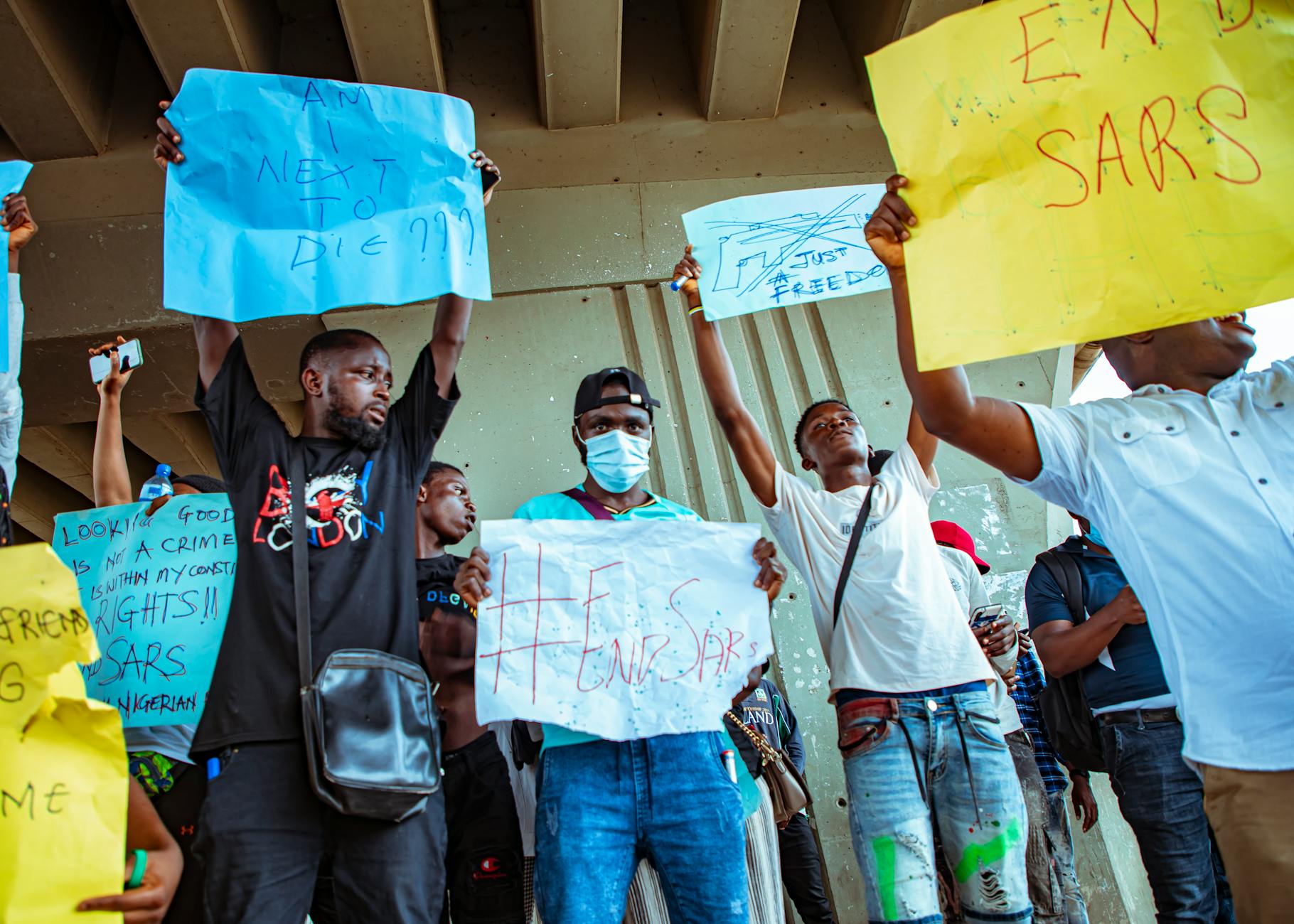
Upholding the rights of incarcerated individuals presents significant challenges, primarily due to the complex nature of prison environments. Overcrowding, understaffing, and limited resources often strain correctional facilities, making it difficult to ensure consistent adherence to rights standards. A report from the Bureau of Justice Statistics revealed that as of 2021, U.S. prisons were operating at 98% of their capacity, exacerbating these issues. Experts argue that such conditions can lead to neglect and abuse, undermining the very rights meant to protect inmates.
Another hurdle is the lack of awareness and training among correctional staff. Many officers may not fully understand the nuances of inmate rights or the legal consequences of violations. This knowledge gap can result in inadvertent rights infringements, further complicating the upholding of these protections. Additionally, the power dynamics within prisons can create an environment where inmates fear retaliation for asserting their rights, making it difficult for them to seek redress.
Legal barriers also pose challenges. The legal process for addressing rights violations can be lengthy and complex, often requiring inmates to navigate bureaucratic hurdles. This can deter individuals from pursuing claims, even when their rights have been clearly violated. Moreover, the stigma associated with incarceration can make it difficult for inmates to find legal representation willing to take on their cases, leaving many without adequate support.
Despite these challenges, advocates and legal experts continue to push for reforms aimed at improving the enforcement of inmate rights. They emphasize the importance of education, both for correctional staff and inmates, as a key step in addressing these issues. By fostering a better understanding of rights and responsibilities, they hope to create a more just and equitable system for all individuals within the correctional system.
Advocating for Future Reforms

Advocacy groups and legal experts emphasize that understanding inmate rights is just the first step. The real challenge lies in ensuring these rights are consistently upheld and expanded. Organizations like the American Civil Liberties Union (ACLU) have long championed reforms to improve conditions within correctional facilities. They argue that systemic changes are necessary to address overcrowding, inadequate healthcare, and excessive use of solitary confinement.
One critical area for reform is the right to legal representation. Studies show that nearly 80% of individuals in state prisons cannot afford their own attorney. This disparity often leads to unfair trials and prolonged incarceration. Advocates push for better funding of public defenders' offices to ensure equal access to justice.
Another pressing issue is the right to humane treatment. Reports of abuse and neglect in prisons have sparked calls for increased oversight and accountability. Experts suggest implementing independent review boards to investigate complaints and enforce standards. Such measures could significantly reduce incidents of mistreatment and improve overall prison conditions.
Finally, advocates highlight the importance of rehabilitation programs. Providing education, vocational training, and mental health services can reduce recidivism rates. Research indicates that inmates who participate in these programs are 43% less likely to reoffend. By investing in rehabilitation, society can break the cycle of incarceration and foster safer communities.
Understanding the fundamental rights of incarcerated individuals is crucial for upholding justice and humanity within the correctional system. Every person, regardless of their circumstances, deserves dignity, safety, and access to basic necessities. To advocate for these rights, individuals can volunteer with prisoner advocacy groups, participate in awareness campaigns, or simply educate themselves and others about these critical issues. As society continues to evolve, the conversation around inmate rights must progress as well, pushing for reforms that prioritize rehabilitation and respect for all individuals.
Need this answered for your specific case?
Get a flat-fee consultation with a verified U.S. immigration attorney. Engagement letter on every paid consult.
Related guides
This guide provides general legal information and does not create an attorney–client relationship. Information accurate as of July 2026. Always verify current USCIS guidance before acting.