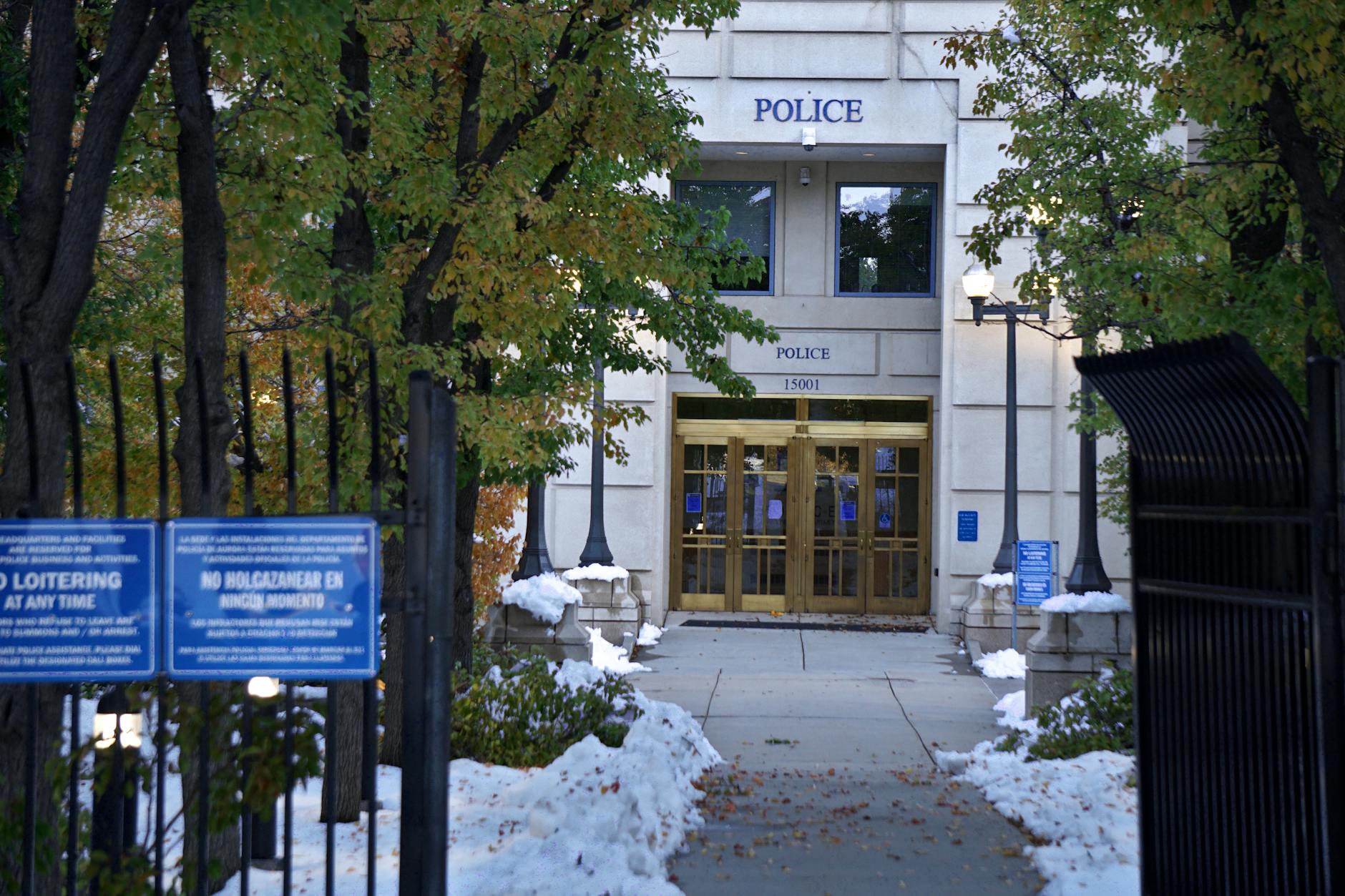
Over 1 million arrest warrants are issued annually in the United States alone. This legal instrument plays a crucial role in the criminal justice system, yet many people remain unaware of its significance and implications. An arrest warrant is a court-issued document that authorizes law enforcement to apprehend and detain an individual suspected of committing a crime. What Is an Arrest Warrant Explained simply means understanding the process, purpose, and consequences of this legal tool.
Understanding the intricacies of arrest warrants is essential for every citizen. It empowers individuals to know their rights and navigate the legal system more effectively. What Is an Arrest Warrant Explained involves grasping the conditions under which warrants are issued, the types of warrants that exist, and the procedures that follow an arrest. This knowledge can be invaluable in protecting one's rights and ensuring fair treatment under the law.
The Legal Basis of Arrest Warrants
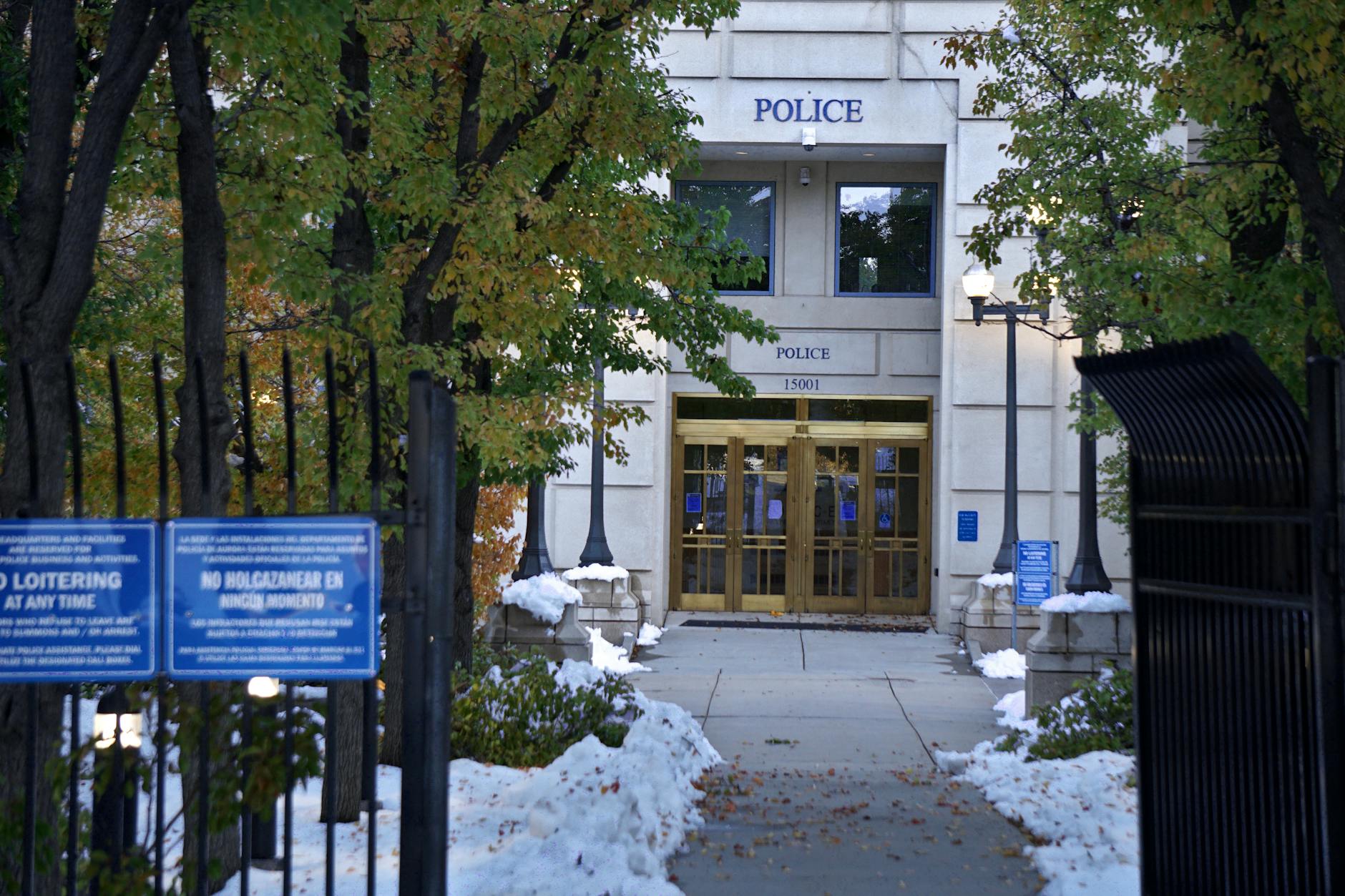
An arrest warrant is a legal document issued by a judge or magistrate that authorizes law enforcement to apprehend and detain an individual suspected of committing a crime. This document serves as a crucial tool in the criminal justice system, ensuring that arrests occur within the bounds of the law. The Fourth Amendment of the U.S. Constitution protects citizens from unreasonable searches and seizures, and arrest warrants play a pivotal role in upholding this protection.
For an arrest warrant to be issued, law enforcement must present probable cause to a judge. This typically involves providing evidence or information that suggests the individual has committed a crime. According to the American Bar Association, probable cause is a lower standard of proof than what is required for a conviction, but it must be more than mere suspicion. Once the judge reviews the evidence and finds probable cause, the warrant is issued.
Arrest warrants specify the individual to be arrested, the crime they are suspected of committing, and the jurisdiction where the arrest can take place. This specificity ensures that law enforcement officers have clear guidelines and limits on their authority. The warrant also includes the judge's signature and the seal of the court, making it a legally binding document. Failure to comply with the terms of an arrest warrant can result in legal consequences for law enforcement officers.
In some cases, arrest warrants can be issued for individuals who have failed to appear in court or comply with other legal obligations. These warrants are often referred to as bench warrants. The process for issuing a bench warrant is similar to that of a standard arrest warrant, but the focus is on ensuring that the individual fulfills their legal responsibilities. Bench warrants highlight the importance of adhering to court orders and the potential consequences of non-compliance.
Components of an Arrest Warrant

An arrest warrant is a legal document that authorizes law enforcement to apprehend an individual suspected of committing a crime. It typically contains several key components that ensure its validity and provide necessary information for officers. The most critical element is the name of the person to be arrested, which must be clearly stated to avoid any confusion or wrongful arrest.
According to legal experts, a warrant must also include a detailed description of the alleged offense. This section outlines the specific laws violated and the circumstances surrounding the crime. It serves as the legal basis for the arrest and helps ensure that the individual's rights are protected throughout the process.
The issuing authority's signature and date are also essential components. This signature, usually from a judge or magistrate, validates the warrant and makes it legally binding. The date indicates when the warrant was issued, which is crucial for determining its expiration and ensuring timely execution.
Additionally, the warrant may include specific instructions for law enforcement officers. These instructions can cover aspects such as the manner of arrest, any special precautions to be taken, or the handling of evidence. Such details help guide officers in carrying out their duties effectively and lawfully.
A final component is the jurisdiction information, specifying where the warrant is valid. This ensures that law enforcement officers have the legal authority to make the arrest within the designated area. In 2020, approximately 1.5 million warrants were issued in the United States, highlighting the importance of these components in maintaining legal integrity.
How Arrest Warrants Are Executed
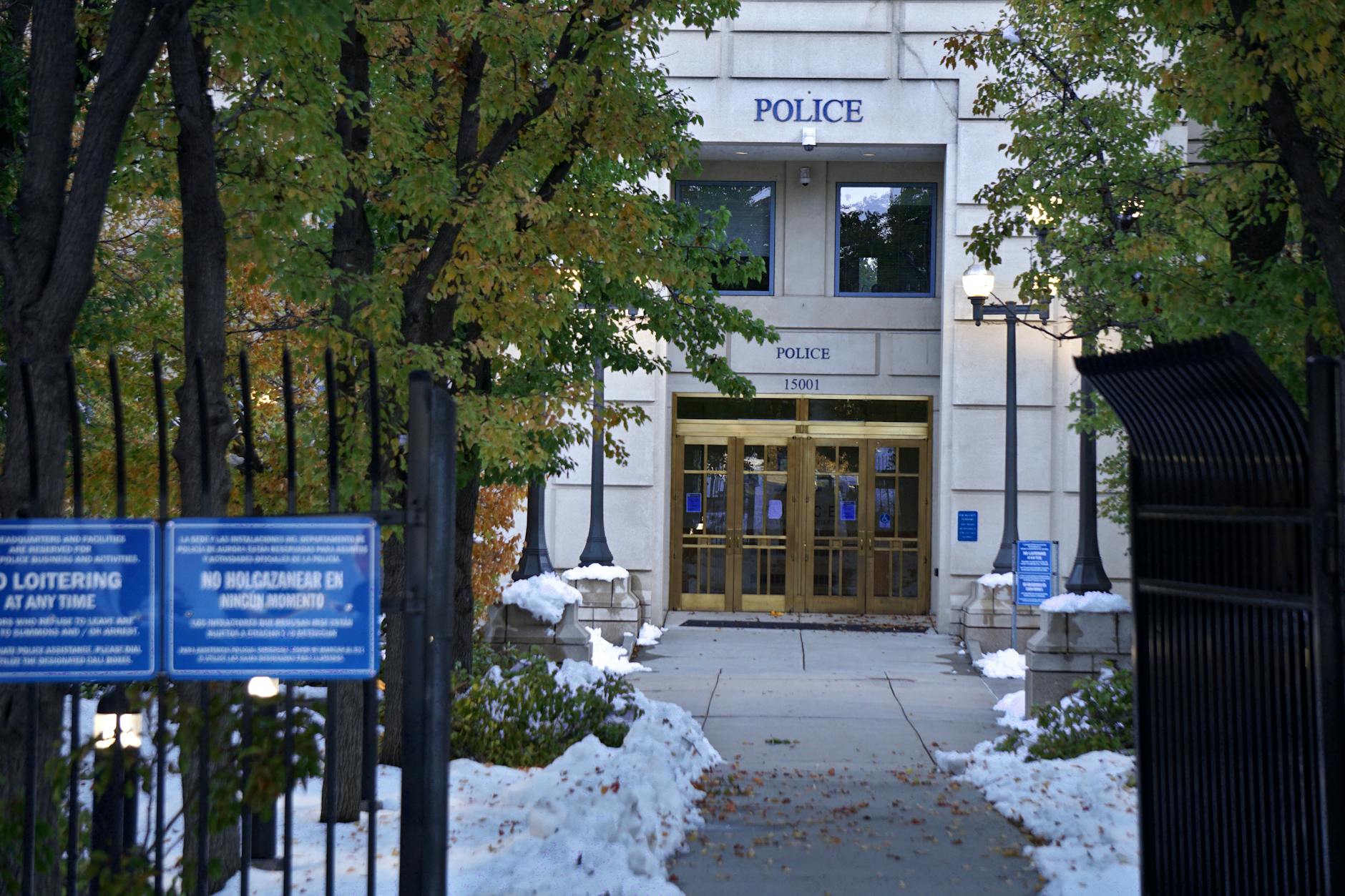
When a judge signs an arrest warrant, law enforcement officers gain the authority to take the named individual into custody. This process typically begins with officers locating the person named in the warrant. They may arrive at a residence, workplace, or other location where the individual might be found. Upon locating the person, officers present the warrant and inform them of the charges. The individual is then placed under arrest and taken into custody.
Execution of an arrest warrant can occur at any time, day or night. However, many law enforcement agencies prefer to make arrests during daylight hours unless the individual poses a significant flight risk or threat to public safety. A 2021 study by the National Institute of Justice found that arrests made during the day tend to result in fewer incidents of resistance or violence. This approach balances the need for swift justice with the importance of maintaining public order.
In some cases, individuals may surrender to authorities upon learning of an active warrant. This voluntary surrender can simplify the process and reduce potential risks. Law enforcement agencies often encourage individuals with outstanding warrants to turn themselves in. According to a senior officer with the FBI, this approach helps ensure a safer and more orderly resolution for all parties involved.
After an arrest, the individual is typically transported to a local jail or detention facility. They will go through the booking process, which includes fingerprinting, photographing, and recording personal information. The individual may also have an initial appearance before a judge, where bail or release conditions are determined. This process ensures that the individual's rights are respected while the legal system proceeds with the case.
Your Rights During Arrest Warrant Execution

When law enforcement executes an arrest warrant, individuals have specific rights to protect them throughout the process. The Fourth Amendment of the U.S. Constitution safeguards citizens from unreasonable searches and seizures, requiring warrants to be judicially sanctioned and supported by probable cause. Upon arrest, officers must inform individuals of their Miranda rights, including the right to remain silent and the right to an attorney.
According to the American Civil Liberties Union, over 10 million arrests occur annually in the U.S. During execution of an arrest warrant, law enforcement must identify themselves and present the warrant, unless circumstances justify a no-knock entry. Individuals have the right to refuse searches without a warrant, though officers may conduct a limited search for weapons or evidence of a crime.
Courts have established clear guidelines for warrant execution. Officers must execute warrants promptly and within a reasonable timeframe. They cannot use excessive force unless necessary to effect the arrest. If an individual believes their rights were violated during an arrest, they should consult with a legal professional immediately.
The Future of Arrest Warrants in Digital Age

The landscape of arrest warrants is evolving rapidly in the digital age. Law enforcement agencies increasingly rely on digital evidence and electronic surveillance to obtain warrants. This shift raises important questions about privacy and the balance between security and civil liberties. Experts note that approximately 70% of warrants now involve some form of digital evidence, highlighting the growing importance of cyber forensics in legal proceedings.
One significant development is the use of GPS data to track suspects. Courts are grappling with how to handle this information, as it can provide precise locations but also raises concerns about constant surveillance. The Supreme Court has ruled that warrantless GPS tracking violates the Fourth Amendment, setting a precedent for future cases. This decision underscores the need for clear guidelines on digital surveillance.
Another area of change is the use of algorithms in predicting crime. Some law enforcement agencies use predictive policing tools to identify potential suspects before crimes occur. Critics argue that these tools can perpetuate biases and lead to wrongful arrests. As technology advances, the legal system must adapt to ensure fairness and transparency in the use of these tools.
Looking ahead, the future of arrest warrants will likely involve more collaboration between law enforcement and tech companies. This partnership can help streamline the warrant process and ensure that digital evidence is handled properly. However, it also requires robust safeguards to protect individual rights. The digital age presents both opportunities and challenges for the legal system, and stakeholders must work together to navigate this complex landscape.
An arrest warrant is a critical legal document that authorizes law enforcement to detain an individual suspected of committing a crime. It ensures that law enforcement actions are conducted lawfully and with proper judicial oversight. To protect your rights, always consult with a legal professional if you believe you may be subject to an arrest warrant. As legal processes continue to evolve, staying informed about arrest warrants and their implications will remain essential for navigating the justice system effectively.
Need this answered for your specific case?
Get a flat-fee consultation with a verified U.S. immigration attorney. Engagement letter on every paid consult.
Related guides
This guide provides general legal information and does not create an attorney–client relationship. Information accurate as of July 2026. Always verify current USCIS guidance before acting.