
Every year, thousands of cases involving excessive force emerge, sparking public outrage and legal scrutiny. These incidents, often involving law enforcement, raise critical questions about the boundaries of acceptable use of force. At its core, excessive force crime refers to the application of more force than is necessary to control a situation, often resulting in injury or death. This legal concept is pivotal in maintaining public trust and ensuring accountability.
Understanding excessive force crime is crucial for citizens, legal professionals, and law enforcement officers alike. It bridges the gap between public safety and individual rights, ensuring that force is used judiciously. Excessive force crime encompasses a range of scenarios, from police brutality to excessive force in self-defense situations. By examining the key legal aspects, individuals can better navigate the complexities of this critical issue.
Defining Excessive Force in Law
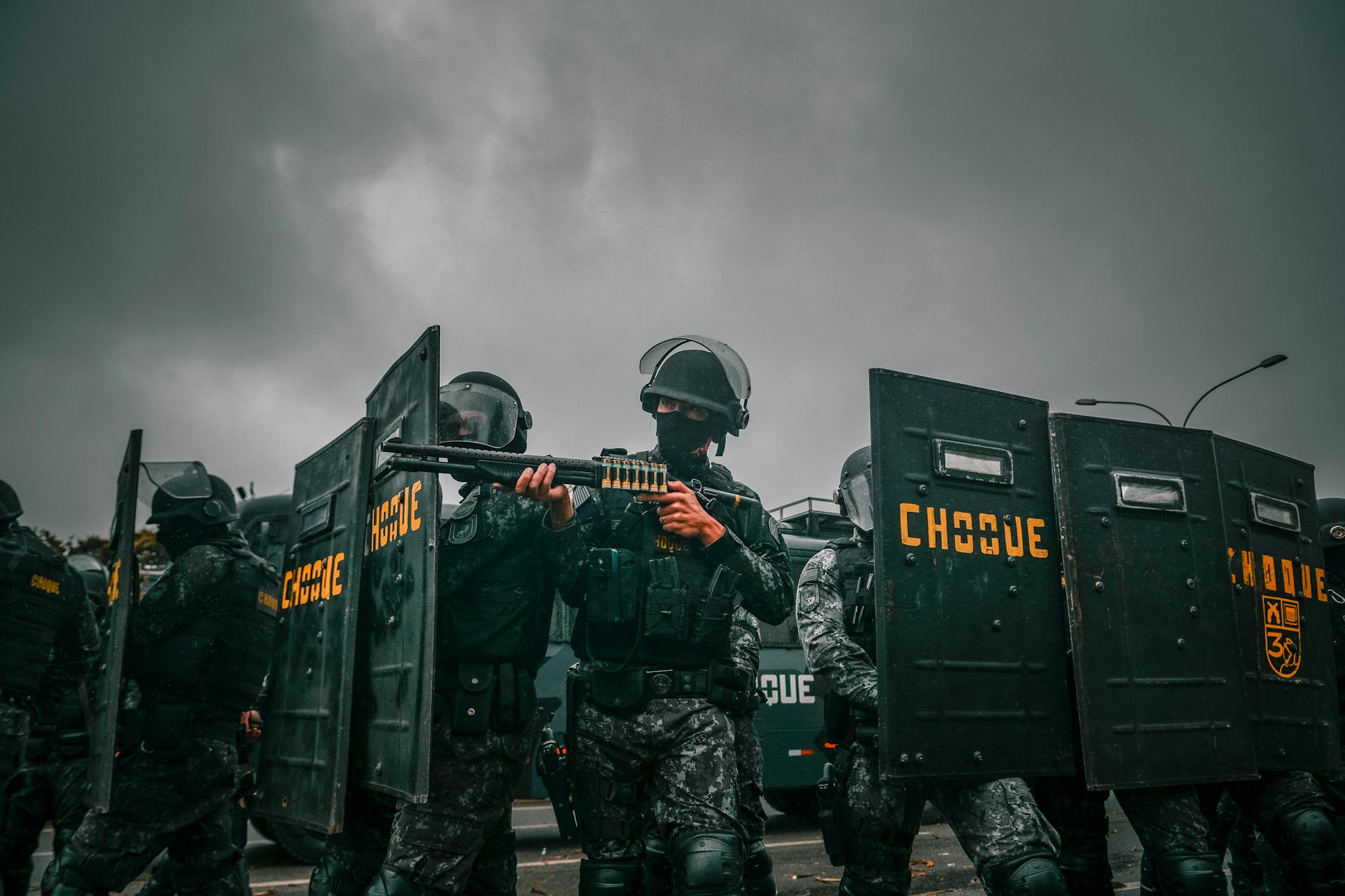
Excessive force in law refers to a situation where an individual, typically a law enforcement officer, uses more physical force than is necessary to control a situation. This concept is central to understanding the boundaries of acceptable conduct in law enforcement and security operations. The key factor in determining excessive force is whether the amount of force used was reasonable and proportional to the threat posed.
According to legal experts, excessive force can manifest in various ways, including unnecessary violence, disproportionate responses to resistance, or the use of weapons when non-lethal methods would suffice. Courts often evaluate the reasonableness of force based on the totality of the circumstances, considering factors like the severity of the crime, the suspect's behavior, and the officer's training and experience. A study by the National Police Foundation found that incidents of excessive force are more likely to occur during high-stress situations, highlighting the need for better de-escalation training.
Criminal charges for excessive force can range from misdemeanors to felonies, depending on the severity of the injury inflicted and the intent behind the action. Civil lawsuits are also common, allowing victims to seek damages for harm caused by excessive force. The legal system plays a crucial role in balancing the need for public safety with the protection of individual rights, ensuring that those who abuse their authority are held accountable.
Key Elements of Excessive Force Cases

Excessive force cases hinge on several critical elements that legal professionals scrutinize. The first is the reasonableness of the force used. Courts assess whether an officer's actions were proportional to the threat posed. This evaluation considers the totality of circumstances, including the suspect's actions, the officer's training, and the immediate environment. The U.S. Supreme Court has emphasized that reasonableness must be judged from the perspective of a reasonable officer on the scene, not with 20/20 vision of hindsight.
A second key element is the officer's intent. While excessive force can occur even when an officer acts with good intentions, the law examines whether the force was deliberately excessive or resulted from negligence. Intent can significantly influence the severity of penalties if the case proceeds to criminal charges. According to legal experts, intent is often a contentious point in these cases, requiring thorough investigation and evidence.
Documentation and evidence play a pivotal role. Body camera footage, witness statements, and medical reports provide crucial context. These materials help reconstruct the sequence of events and determine the appropriateness of the force used. Without compelling evidence, establishing excessive force can be challenging. Courts rely heavily on this documentation to make informed decisions.
Finally, the impact of the force is a critical factor. The severity of injuries sustained by the suspect can indicate whether the force was excessive. Medical reports and expert testimony often provide insights into the extent of the harm caused. This element is particularly important in cases where the suspect suffers serious injuries or death. The connection between the force applied and the resulting harm must be clearly established.
Real-World Examples and Consequences

Excessive force crimes manifest in various real-world scenarios, often leaving lasting impacts on individuals and communities. One stark example occurred during a routine traffic stop in 2014, where a police officer used excessive force, leading to the death of an unarmed motorist. The incident sparked nationwide protests and highlighted the urgent need for better training and accountability measures. Such cases underscore the devastating consequences of excessive force, not only for the victim but also for the broader public trust in law enforcement.
A study by the National Police Misconduct Reporting Project revealed that police misconduct, including excessive force, costs U.S. taxpayers an estimated $3.7 billion annually. These costs stem from settlements, legal fees, and other expenses related to misconduct cases. The financial burden is just one aspect of the broader consequences, which also include erosion of community-police relations and loss of public safety.
In another instance, a security guard at a shopping mall used excessive force to detain a suspected shoplifter, resulting in severe injuries. The incident drew widespread criticism and led to a review of the mall's security policies. Legal experts argue that such cases demonstrate the need for clear guidelines and rigorous training to prevent excessive force. The consequences extend beyond the immediate incident, affecting public perception and the effectiveness of security measures.
Excessive force crimes also have profound psychological and emotional impacts on victims and their families. Survivors often face long-term trauma, anxiety, and depression. The emotional toll is compounded by the legal battles that follow, as victims seek justice and compensation. These cases highlight the importance of addressing excessive force not only through legal means but also through mental health support and community healing initiatives.
Legal Protections for Victims and Officers

Victims of excessive force by law enforcement officers have legal protections under both federal and state laws. The Fourth Amendment of the U.S. Constitution safeguards individuals from unreasonable searches and seizures, which includes protection against excessive force. Victims can pursue civil lawsuits under 42 U.S.C. § 1983, a federal statute that allows individuals to sue public officials, including police officers, for violations of their constitutional rights. These legal avenues provide a means for victims to seek justice and compensation for harm suffered.
Law enforcement officers also have protections when they use force. Qualified immunity, a legal doctrine, shields officers from personal liability for civil damages unless they violate clearly established statutory or constitutional rights that a reasonable person would have known. This doctrine has been both praised for protecting officers and criticized for making it difficult for victims to hold officers accountable. According to a 2020 study by the National Police Accountability Project, qualified immunity was granted in 64% of cases involving excessive force allegations.
State laws vary significantly regarding excessive force. Some states have specific statutes addressing the use of force by law enforcement, while others rely on common law principles. Victims may also pursue claims under state tort laws, such as assault and battery, which can provide additional avenues for redress. Legal experts emphasize the importance of consulting with an attorney experienced in civil rights and police misconduct cases to navigate these complex legal landscapes.
In cases where excessive force leads to criminal charges against officers, prosecutors must prove beyond a reasonable doubt that the officer acted with criminal intent or reckless disregard for human life. This high burden of proof makes criminal convictions in such cases rare. However, successful prosecutions can result in significant penalties, including imprisonment, and serve as a deterrent to future misconduct.
Future Trends in Excessive Force Legislation

Legislation surrounding excessive force continues to evolve, reflecting societal shifts and technological advancements. One emerging trend is the increased use of body-worn cameras by law enforcement. These devices provide objective evidence in cases involving alleged excessive force, helping to hold officers accountable and protect them from false accusations. According to a 2022 report by the National Institute of Justice, agencies using body-worn cameras saw a 15% reduction in use-of-force incidents.
Another significant development is the growing recognition of the need for de-escalation training. Many states are now mandating this training for law enforcement officers. This shift underscores a broader movement towards proactive, community-oriented policing. Experts argue that de-escalation techniques can significantly reduce the likelihood of excessive force incidents.
Legislators are also exploring the use of independent oversight bodies to investigate excessive force allegations. These bodies, often composed of civilians and legal experts, aim to provide impartial reviews of incidents. This trend reflects a broader push for transparency and accountability in law enforcement.
Additionally, there is a growing focus on addressing excessive force in non-police settings, such as private security and corrections facilities. Legislation in this area is still in its infancy, but it is gaining traction as awareness of these issues increases. As these trends continue, the legal landscape surrounding excessive force will likely become more nuanced and comprehensive.
Excessive force crimes involve the use of disproportionate or unnecessary power, typically by law enforcement or security personnel, resulting in harm to individuals. At its core, it's about the balance between maintaining order and respecting human rights. Understanding the legal aspects of excessive force is crucial for both those in positions of authority and the public they serve. To navigate this complex issue, individuals should familiarize themselves with the specific laws and precedents in their jurisdiction, as well as the circumstances under which force may be deemed excessive. As society continues to evolve, the conversation around excessive force and its legal implications will remain a critical part of the broader dialogue on justice and accountability.
Need this answered for your specific case?
Get a flat-fee consultation with a verified U.S. immigration attorney. Engagement letter on every paid consult.
Related guides
This guide provides general legal information and does not create an attorney–client relationship. Information accurate as of July 2026. Always verify current USCIS guidance before acting.