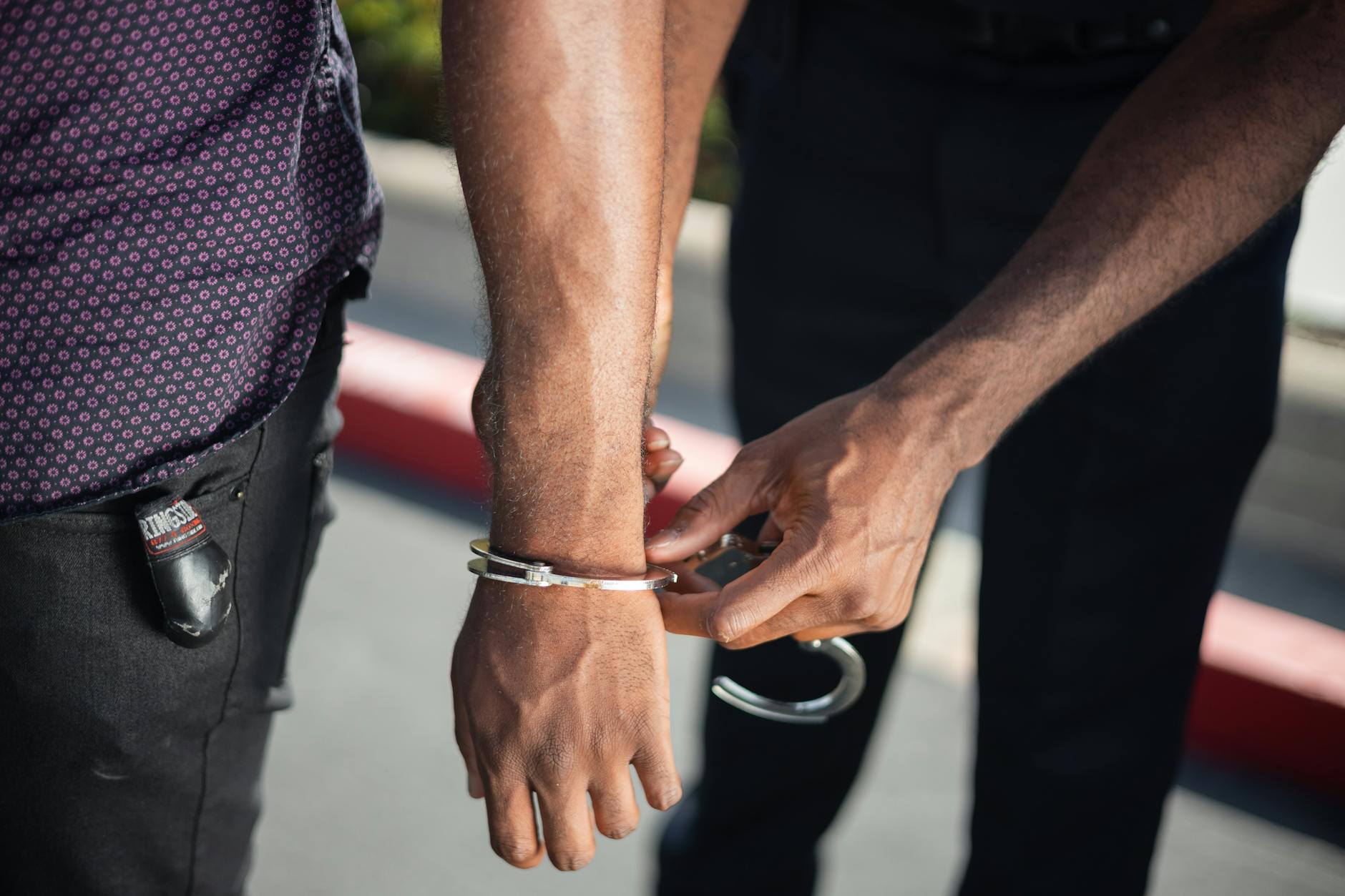
Public indecency crimes account for a significant portion of arrests in the United States, with over 17,000 reported cases in recent years. These offenses, often misunderstood, encompass a range of behaviors that society deems offensive or lewd when performed in public spaces. The legal landscape surrounding these crimes is complex, with varying definitions and penalties across jurisdictions.
Understanding what is public indecency crime is crucial for anyone navigating public spaces or concerned about legal boundaries. Public indecency crime refers to acts that involve lewd or sexually explicit conduct in public view, where the offender knows or should reasonably know that such behavior will be offensive to others. These crimes can include exposure of sexual organs, public sexual acts, or other indecent behavior. What is public indecency crime can vary by state, but the core principle remains the same: protecting public decency and maintaining order in shared spaces.
Defining Public Indecency Crimes
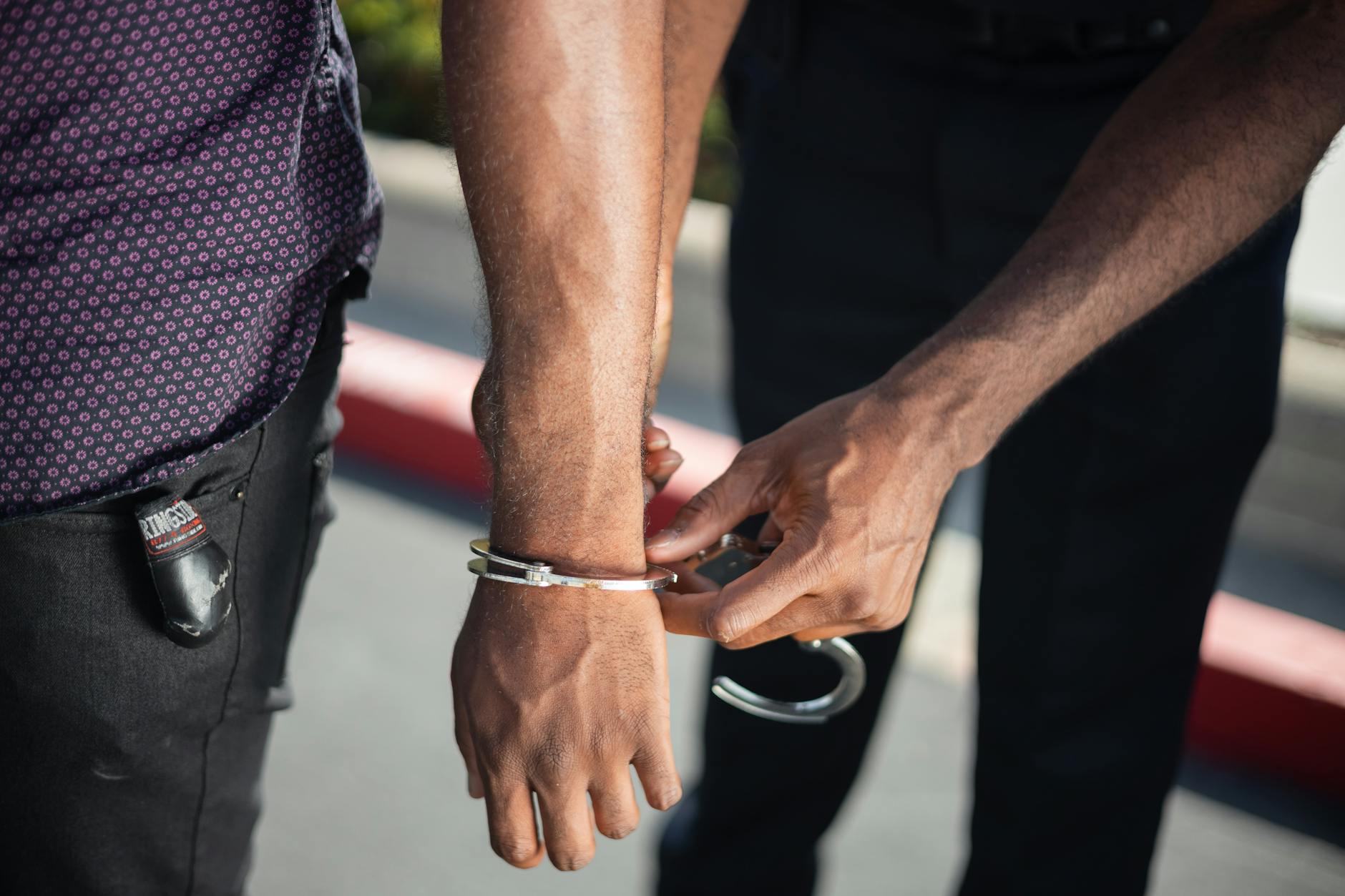
Public indecency crimes encompass a range of behaviors that are considered offensive or lewd in public settings. These offenses typically involve acts that violate community standards of decency and are often subject to legal penalties. Examples include public nudity, sexual acts, or exposure of genitalia. The specific definition varies by jurisdiction, but the common thread is the intent to shock or offend others.
According to legal experts, public indecency laws aim to maintain social order and protect public morals. A study by the National Center for Victims of Crime found that approximately 70% of states classify public indecency as a misdemeanor, punishable by fines or jail time. However, repeat offenses or aggravating circumstances can elevate the charge to a felony.
These laws also address non-sexual behaviors that are deemed indecent. Activities such as public urination, excessive public intoxication, or disorderly conduct may fall under public indecency statutes. The key factor is whether the behavior is likely to cause alarm or distress to others. Courts often consider the context, location, and intent behind the actions.
Public indecency crimes are not limited to physical acts. Verbal harassment or lewd comments directed at others in public can also constitute indecent behavior. The rise of social media has added complexity, as online interactions can sometimes blur the line between private and public spaces. Authorities continue to adapt laws to address these evolving challenges.
Elements of Public Indecency Offenses

Public indecency offenses encompass a range of behaviors that society generally considers offensive or inappropriate in public settings. These acts often involve exposure of private body parts, sexual conduct, or lewd behavior that can be viewed by others. The specific definition varies by jurisdiction, but common examples include indecent exposure, public urination, and sexual acts in public places. The severity of the offense typically depends on factors like the nature of the act, the location, and the presence of minors.
One key element of public indecency is the intent to offend or alarm others. Prosecutors often need to prove that the defendant acted with the purpose of causing public outrage or distress. This intent can be demonstrated through witness testimony, evidence of prior behavior, or the defendant's own statements. According to legal experts, intent is crucial in distinguishing between accidental exposure and deliberate indecent acts.
Public indecency laws aim to maintain public order and protect community standards. Violations can result in misdemeanor or felony charges, depending on the circumstances. Penalties may include fines, probation, or even jail time. Repeat offenders often face harsher consequences. Understanding these elements helps individuals navigate public spaces responsibly and respectfully.
Common Scenarios and Consequences

Public indecency crimes occur in various settings, often where people gather or where children might be present. Parks, beaches, and public transportation are common locations. These incidents can range from exposure of private body parts to lewd behavior that offends others. According to the National Center for Victims of Crime, such crimes can lead to significant social and psychological consequences for victims.
One frequent scenario involves individuals exposing themselves in public spaces. This behavior can cause distress and fear among witnesses, particularly children. Courts often impose severe penalties for such acts, reflecting society's strong disapproval.
Another common situation is public intoxication leading to indecent behavior. Alcohol or drugs may impair judgment, resulting in actions that violate public decency laws. Law enforcement typically responds swiftly to such incidents, often making arrests to maintain public order.
Public indecency can also occur in digital spaces. Sharing explicit images or videos without consent, even in public forums, can constitute a crime. Legal experts emphasize that these digital offenses carry serious consequences, including fines and imprisonment. Understanding these scenarios helps individuals navigate public spaces safely and respectfully.
Navigating Legal Defenses

Public indecency crimes encompass a range of behaviors that society deems offensive or lewd when performed in public. These offenses typically involve exposure of private body parts, sexual acts, or other conduct that violates community standards of decency. The specific definitions and penalties vary by jurisdiction, but most legal systems categorize these acts as misdemeanors or felonies depending on severity and intent.
Defending against public indecency charges often hinges on proving lack of intent or misunderstanding of public decency standards. Legal experts emphasize that context matters: what might be acceptable in one cultural setting could be criminal in another. A 2020 study found that 68% of public indecency cases involved subjective interpretations of behavior, highlighting the need for strong legal representation.
Another common defense strategy involves challenging the evidence presented by prosecutors. Witness testimony can be unreliable, and surveillance footage may not capture the full context of the situation. Attorneys frequently argue that the accused's actions were misinterpreted or taken out of context. This approach requires meticulous examination of the facts and circumstances surrounding the alleged offense.
In some cases, defendants may argue that their actions were protected under freedom of expression or artistic license. Courts have ruled in favor of individuals whose conduct was deemed to have artistic or political significance, though these defenses are highly situational. The success of such arguments depends on the jurisdiction's legal precedents and the specific nature of the offense.
Evolving Laws and Public Perception

Public indecency laws have evolved significantly over time, reflecting changing societal norms and values. What might have been considered acceptable behavior in the past could now potentially lead to criminal charges. These laws aim to maintain public order and protect citizens from offensive or harmful displays. However, the specifics of what constitutes public indecency vary widely across jurisdictions.
Public perception plays a crucial role in shaping these laws. As societal attitudes shift, so do the boundaries of what is considered indecent. For instance, a 2019 study by the National Center for Victims of Crime found that 68% of Americans believe public indecency laws are necessary to maintain public decency and safety. This highlights the broad support for regulations that address offensive behavior in public spaces.
Legal experts often point to the complexity of defining public indecency. Courts must balance the right to freedom of expression with the need to protect public morality. This delicate balance is evident in cases where defendants argue that their actions were artistic expression or protected speech. The evolving nature of these laws ensures that they remain relevant to contemporary societal standards.
Public indecency laws exist to maintain order and protect public morality, but their interpretation can vary widely. At their core, these laws aim to prevent behaviors that offend community standards or expose others to unwanted sexual conduct. Understanding the specifics of these laws in your jurisdiction is crucial to avoid unintentional violations. As societal norms evolve, so too will the boundaries of what is considered indecent, making it essential to stay informed and respectful of public spaces.
Need this answered for your specific case?
Get a flat-fee consultation with a verified U.S. immigration attorney. Engagement letter on every paid consult.
Related guides
This guide provides general legal information and does not create an attorney–client relationship. Information accurate as of July 2026. Always verify current USCIS guidance before acting.