
School crime affects nearly 8% of students nationwide, according to the National Center for Education Statistics. This issue spans from bullying in elementary schools to more serious violent crimes in high schools, creating an environment that impacts learning and safety.
Understanding these incidents requires examining what school crime entails. What Is School Crime Explained reveals that it encompasses a range of offenses, from theft and vandalism to physical assaults and even weapon-related incidents. Recognizing the scope of these problems helps parents, educators, and policymakers address them effectively. What Is School Crime Explained also highlights the importance of prevention strategies, which can transform schools into safer spaces for all students.
Defining School Crime

School crime encompasses a range of offenses that occur on school grounds, during school-sponsored events, or while students are traveling to or from school. These incidents can include violence, theft, vandalism, bullying, and substance abuse. The U.S. Department of Education reports that nearly 80% of public schools recorded at least one violent incident in the 2019-2020 school year, highlighting the pervasive nature of these issues.
Violent crimes, such as assault and battery, are among the most concerning types of school crime. These incidents can have severe physical and psychological impacts on victims, as well as disrupt the learning environment for all students. Non-violent crimes, including theft and vandalism, also pose significant challenges, often leading to financial losses and a sense of insecurity within the school community.
Bullying, both in-person and online, is another critical aspect of school crime. This behavior can involve physical aggression, verbal harassment, or social exclusion. According to educational psychologists, persistent bullying can lead to long-term emotional and mental health issues for victims. Addressing bullying requires a comprehensive approach that involves students, teachers, parents, and school administrators.
Substance abuse, including the use of alcohol, drugs, and tobacco, is also a growing concern in many schools. The presence of these substances can create a dangerous environment and negatively impact academic performance. Schools often implement prevention programs and strict disciplinary policies to combat this issue. Effective strategies include education, counseling, and collaboration with local law enforcement and community organizations.
Common Types of School Violence

School violence encompasses a range of harmful behaviors that occur within educational settings. Physical altercations, such as fights and assaults, represent the most visible form. These incidents often involve students inflicting bodily harm on peers or even educators. The Centers for Disease Control and Prevention reports that approximately 1 in 5 students experiences physical violence annually. Such acts can leave lasting physical and psychological scars on victims.
Bullying, another prevalent type, involves repeated aggressive behavior intended to cause distress. This can manifest as verbal taunts, social exclusion, or cyberbullying through digital platforms. Educational psychologists emphasize that bullying can severely impact a student's mental health and academic performance. Schools often implement anti-bullying programs to address this pervasive issue.
Weapons-related incidents, though less frequent, garner significant attention due to their severe consequences. These events involve the use or threat of firearms, knives, or other dangerous objects. Law enforcement agencies and school administrators collaborate to develop safety protocols aimed at preventing such tragedies. The presence of weapons in schools underscores the need for comprehensive security measures and mental health support.
Sexual violence, including harassment and assault, also occurs within school environments. Students may face unwanted advances, inappropriate comments, or physical assaults. Advocacy groups push for stricter policies and education on consent and respect. Addressing sexual violence requires a multifaceted approach involving policy changes, awareness campaigns, and support services for victims.
Impact on Students and Communities

School crime casts a long shadow over students and communities, creating environments where learning becomes secondary to safety concerns. The psychological impact on students can be profound, with victims often experiencing anxiety, depression, or post-traumatic stress. Communities also bear the brunt, as crime rates near schools can influence property values and local business activity. The ripple effects extend beyond immediate victims, affecting entire student bodies and neighborhood dynamics.
A study by the National Center for Education Statistics found that nearly 8% of public schools reported one or more serious violent incidents in a single school year. This statistic underscores the pervasive nature of school crime and its potential to disrupt educational progress. Students who witness or experience crime may develop a heightened sense of fear, leading to absenteeism and decreased academic performance.
Beyond the immediate victims, school crime can foster a climate of mistrust and division within communities. Parents may become overly protective, limiting their children's participation in school activities. Teachers and administrators face increased pressure to maintain order, often at the expense of instructional time. The collective stress can erode the sense of community that is crucial for a supportive learning environment.
Addressing school crime requires a multifaceted approach that involves students, parents, educators, and law enforcement. Programs that promote conflict resolution, mental health support, and community engagement can help mitigate the impact of crime. By fostering a sense of belonging and safety, schools can create environments where students thrive academically and socially.
Effective Prevention Strategies

Preventing school crime requires a multi-faceted approach that addresses both environmental and behavioral factors. Schools can significantly reduce incidents by implementing clear, consistent policies and procedures. Regular drills for emergencies, such as lockdowns or evacuations, prepare students and staff to respond effectively. Additionally, fostering a positive school climate through anti-bullying programs and peer mediation can deter potential offenders.
Research indicates that schools with strong community partnerships experience fewer incidents of crime. Collaborating with local law enforcement, mental health professionals, and community organizations creates a network of support. These partnerships can provide resources for at-risk students and help identify potential threats early. According to a study by the National Center for Education Statistics, schools that engage in such collaborations report a 20% reduction in violent incidents.
Technology also plays a crucial role in prevention. Surveillance cameras, anonymous reporting systems, and social media monitoring can help identify and address potential threats. Schools should train staff to recognize warning signs and respond appropriately. Expert recommendations emphasize the importance of a proactive approach, which includes regular assessments of school safety measures and continuous improvement based on feedback and incident data.
Finally, promoting student well-being is essential. Programs that focus on mental health, social-emotional learning, and conflict resolution equip students with the skills to navigate challenges positively. Schools can also involve parents in prevention efforts through workshops and open communication. By addressing the root causes of crime, schools can create a safer environment for all students.
Future of School Safety Measures
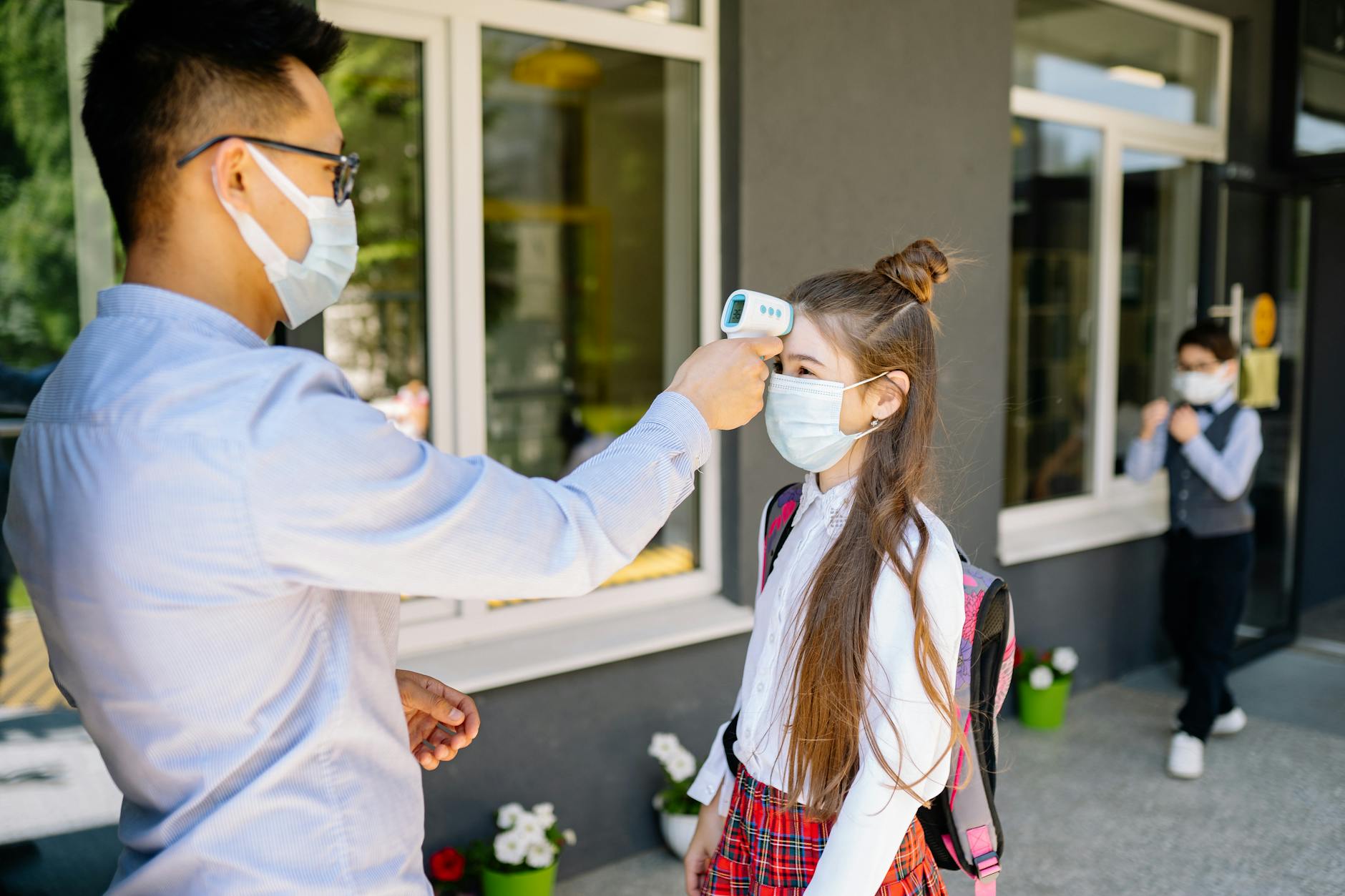
School safety measures continue to evolve as educators and policymakers seek to protect students and staff. The future of these measures likely includes increased use of technology, such as AI-driven surveillance systems and threat detection software. These tools can monitor school environments in real-time, potentially identifying threats before they escalate. However, their implementation raises concerns about privacy and the potential for over-surveillance.
Mental health support is another critical area of focus. Schools are increasingly recognizing the importance of addressing students' emotional well-being as a preventative measure against violence. Experts suggest that investing in counseling services and mental health programs can create a safer, more supportive school environment. According to a recent study, schools with comprehensive mental health programs see a 30% reduction in violent incidents.
Community involvement also plays a pivotal role in enhancing school safety. Building strong relationships between schools, parents, and local law enforcement can foster a collaborative approach to safety. This involves regular communication, joint training exercises, and shared responsibility for maintaining a secure learning environment. Such partnerships can help create a network of support that extends beyond the school grounds.
Finally, policy changes at the state and federal levels will shape the future of school safety. Legislation aimed at gun control, school infrastructure improvements, and funding for safety initiatives can significantly impact the effectiveness of safety measures. Advocacy groups and educational institutions continue to push for policies that prioritize student safety without compromising educational quality. The balance between security and a positive learning environment remains a key challenge for the future.
School crime, encompassing a range of offenses from bullying to violent acts, poses a significant threat to the safety and well-being of students and educators alike. Understanding its various forms and underlying causes is crucial for developing effective prevention strategies. To mitigate these risks, schools should implement comprehensive programs that foster open communication, promote social-emotional learning, and encourage community involvement. Looking ahead, continued research and collaboration between educators, law enforcement, and policymakers will be essential in creating safer school environments for all.
Need this answered for your specific case?
Get a flat-fee consultation with a verified U.S. immigration attorney. Engagement letter on every paid consult.
Related guides
This guide provides general legal information and does not create an attorney–client relationship. Information accurate as of July 2026. Always verify current USCIS guidance before acting.