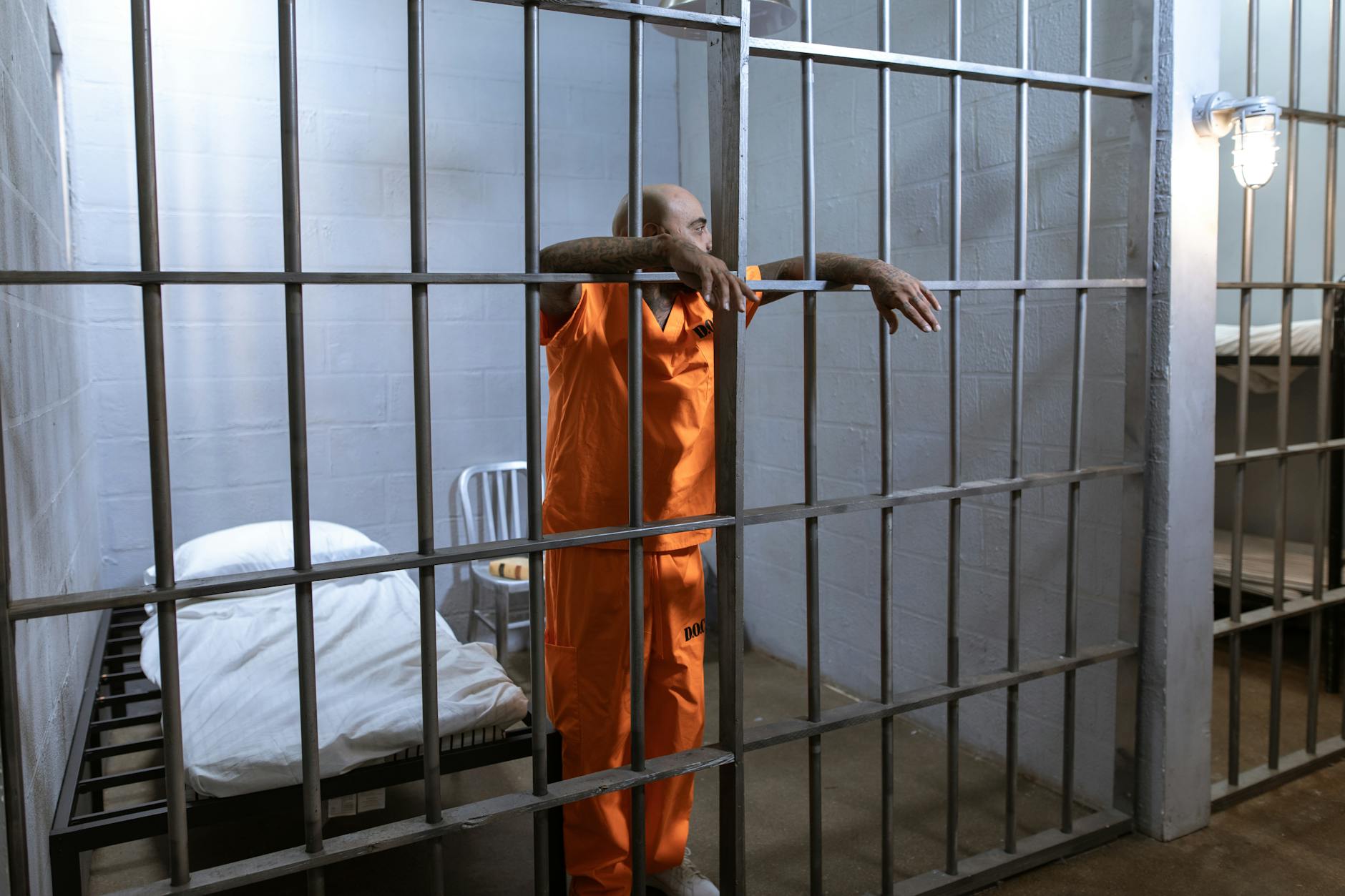
Over 100,000 people in the U.S. receive suspended sentences each year, a fact that underscores the significance of this legal concept. A suspended sentence is a judicial tool that allows a convicted individual to avoid serving a prison term, provided they comply with specific conditions. This alternative to incarceration serves as a second chance, offering offenders an opportunity to demonstrate rehabilitation while remaining under court supervision.
Understanding what is a suspended sentence is crucial for anyone navigating the legal system or seeking to comprehend criminal justice processes. A suspended sentence is not a pardon or an acquittal; rather, it is a deferred punishment that hangs in the balance. If the individual violates the terms of their suspension, such as committing another crime or failing to meet probation requirements, the court can revoke the suspension and impose the original sentence. This mechanism aims to balance accountability with the potential for reform, making it a vital component of modern sentencing practices.
The Basics of Suspended Sentences
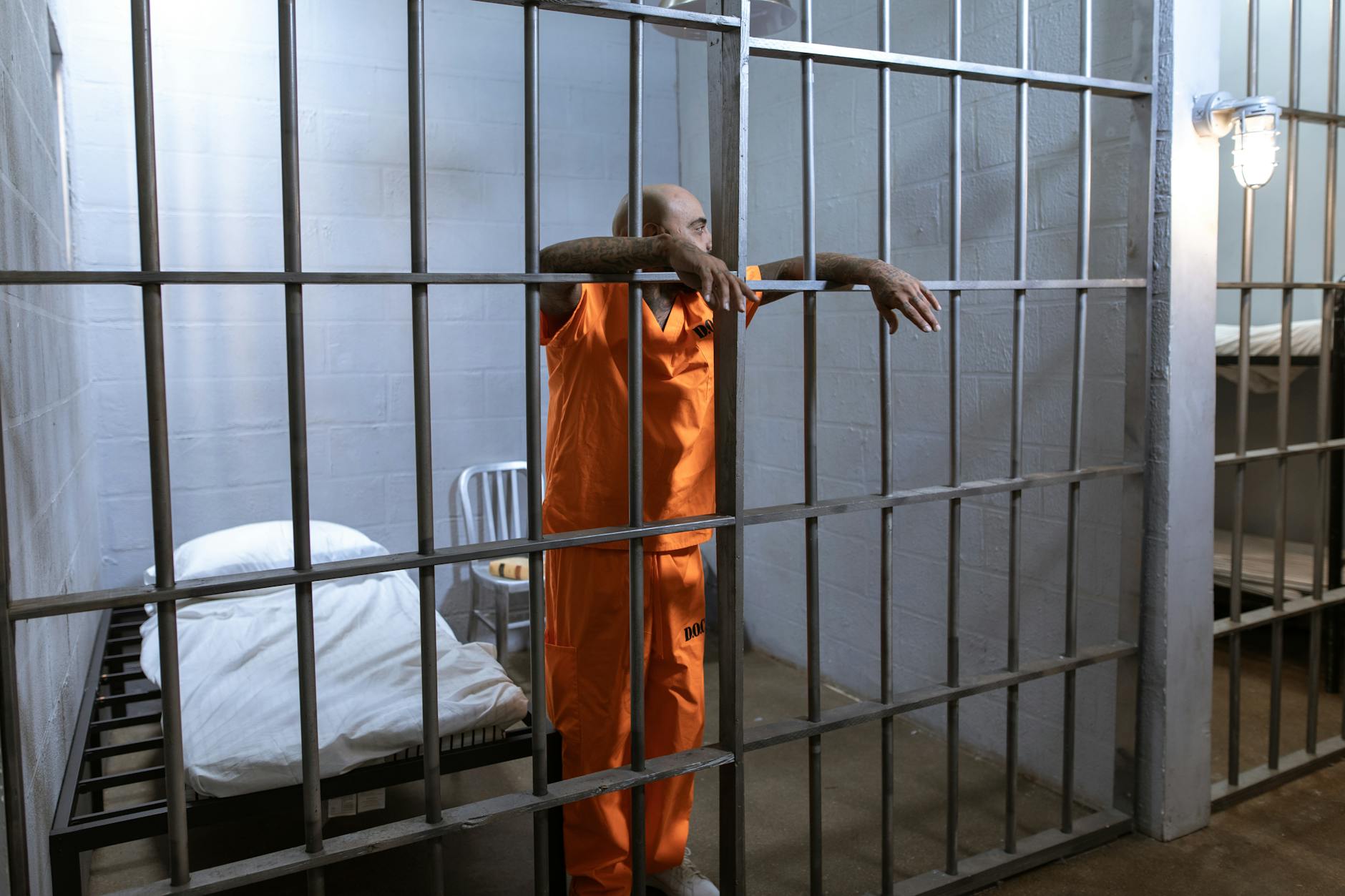
A suspended sentence represents a judicial decision where a convicted individual avoids immediate imprisonment. Instead, the judge imposes probation or other conditions. This alternative allows the offender to remain in the community under supervision, provided they comply with specific requirements. The primary goal is rehabilitation rather than punishment.
According to legal experts, suspended sentences are often granted for first-time offenders or those convicted of non-violent crimes. Statistics show that approximately 30% of eligible cases in the U.S. receive this form of sentencing. The decision ultimately depends on the judge's discretion and the circumstances of the case.
Conditions for a suspended sentence can vary widely. Common requirements include regular check-ins with a probation officer, community service, or participation in rehabilitation programs. Violating these terms can result in the original prison sentence being enforced. This system aims to balance justice with the opportunity for reform.
How Judges Decide on Suspension

Judges consider several factors when deciding whether to suspend a sentence. Primarily, they assess the offender's criminal history, the severity of the crime, and the likelihood of reoffending. Mitigating circumstances, such as genuine remorse or extenuating circumstances, can also influence the decision. The judge's discretion plays a significant role, as they balance the need for punishment with the potential for rehabilitation.
Statistics show that judges suspend sentences in approximately 30% of eligible cases, according to general legal research. This figure underscores the judiciary's commitment to rehabilitation and reintegration. However, the decision is not solely based on statistics. Each case is evaluated individually, ensuring a fair and just outcome.
Expert opinions highlight the importance of judicial discretion. Legal scholars argue that this flexibility allows judges to tailor sentences to the unique circumstances of each case. By considering the individual's potential for reform, judges can contribute to a more effective and humane justice system.
In some jurisdictions, judges may also consider the impact of a suspended sentence on the community. They weigh the benefits of rehabilitation against the need for public safety. This holistic approach ensures that the decision aligns with the broader goals of the justice system.
Conditions That Come With Suspension

A suspended sentence doesn't mean a complete escape from punishment. Typically, it comes with specific conditions that the offender must meet to avoid serving the original jail term. These conditions often include probation, community service, or mandatory participation in rehabilitation programs. Failure to comply can result in the suspension being revoked, and the original sentence imposed.
Probation is a common condition, requiring regular check-ins with a probation officer. According to the Bureau of Justice Statistics, approximately 3.8 million adults were on probation in the U.S. in 2021. This oversight ensures the offender maintains employment, avoids further legal trouble, and adheres to other court-mandated rules.
Courts may also impose fines or restitution as part of a suspended sentence. These financial penalties serve as an alternative to incarceration, holding offenders accountable while allowing them to remain in the community. Additionally, offenders might be required to attend counseling or treatment programs, addressing the root causes of their behavior.
In some cases, travel restrictions or curfews are imposed. These conditions aim to limit the offender's activities and provide additional oversight. The specific conditions vary widely depending on the jurisdiction and the nature of the offense. A legal expert notes that the goal is always to balance rehabilitation with public safety.
Impact on Criminal Records

A suspended sentence offers a second chance, but it isn't a free pass. While the convicted individual avoids immediate incarceration, a suspended sentence still becomes part of their criminal record. This record can have lasting consequences, affecting employment opportunities, housing applications, and even volunteer work. Potential employers and landlords often conduct background checks, and a criminal record can raise red flags.
According to a study by the National Institute of Justice, individuals with criminal records face unemployment rates up to 50% higher than those without. This stark statistic underscores the real-world impact of a suspended sentence. Even with a suspended sentence, the stigma of a criminal record can linger, creating barriers to reintegration.
However, the impact isn't uniform. Some jurisdictions offer expungement or sealing of records after a certain period of good behavior. This process can mitigate the long-term effects, giving individuals a chance to move forward unburdened by their past. Legal experts emphasize the importance of understanding local laws and seeking professional advice to navigate these options.
In some cases, a suspended sentence may also come with conditions, such as probation or community service. Compliance with these terms can demonstrate rehabilitation and may positively influence future record expungement decisions. The path to a fresh start isn't always straightforward, but it's possible with the right steps and support.
Potential Changes in Sentencing Laws
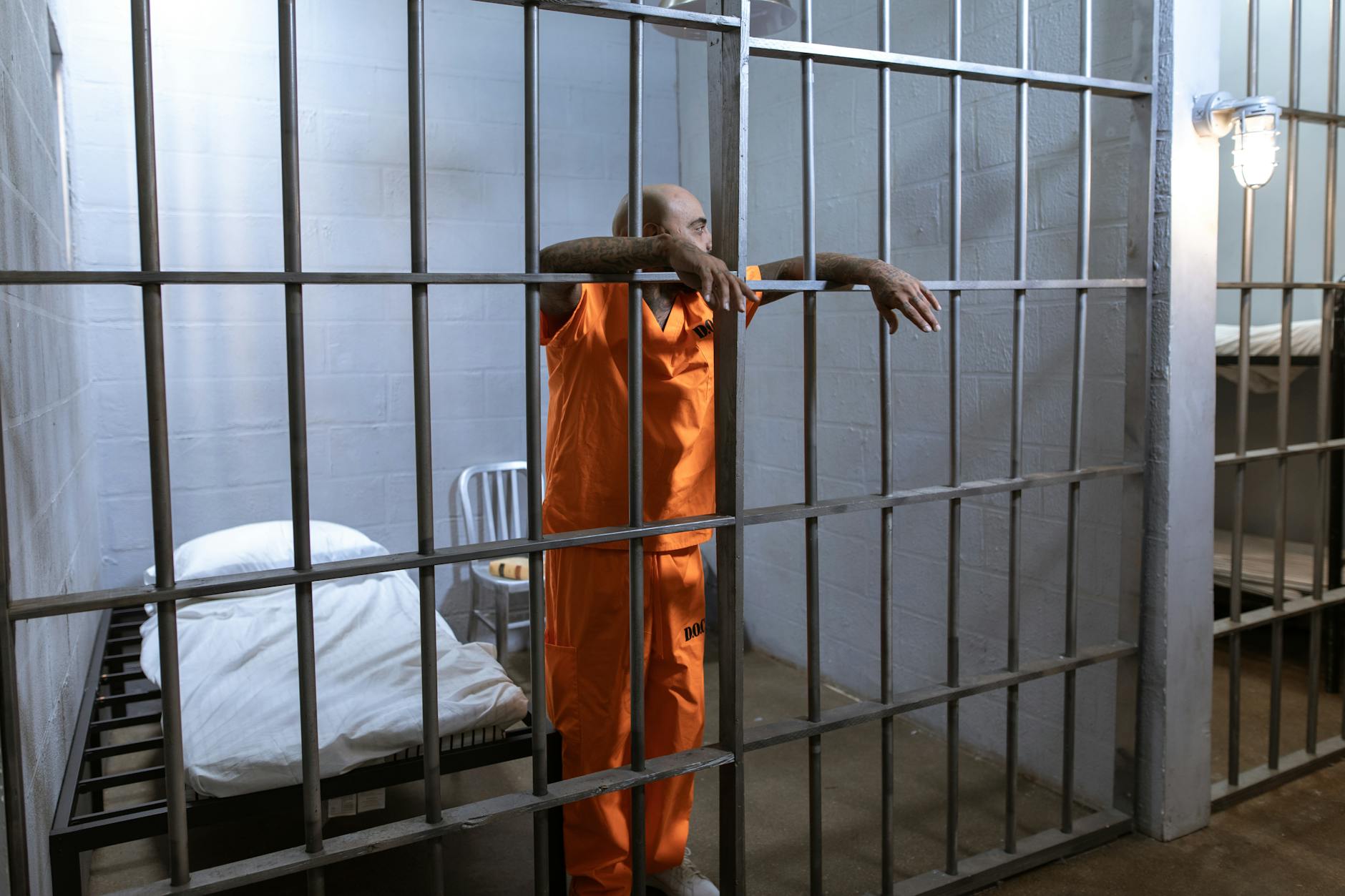
Legal systems continually evolve, and sentencing laws are no exception. Recent years have seen growing debate about the effectiveness of suspended sentences. Some jurisdictions are considering reforms that could significantly alter how these penalties are applied. For instance, there's a push to implement stricter conditions for suspension eligibility, ensuring they're reserved for truly deserving cases.
According to a recent study by the National Institute of Justice, approximately 30% of suspended sentences result in repeat offenses within two years. This statistic has fueled calls for changes that might include mandatory rehabilitation programs or regular check-ins with parole officers. The goal is to strike a balance between punishment and rehabilitation, ensuring public safety while offering offenders a chance to reform.
Another potential change involves the duration of suspended sentences. Some legal experts argue for extending the suspension period, giving offenders more time to prove their commitment to lawful behavior. Others advocate for shorter, more intensive probation periods with clear, measurable benchmarks for success. These changes could reshape how suspended sentences function in the justice system, making them more effective tools for rehabilitation.
A suspended sentence offers offenders a chance to avoid jail time while demonstrating their commitment to rehabilitation. At its core, it's a conditional punishment that prioritizes reform over incarceration. For those navigating the legal system, understanding this alternative can make a significant difference in outcomes. As legal landscapes evolve, suspended sentences may become even more integral to justice systems worldwide, emphasizing rehabilitation and reducing overcrowded prisons.
Need this answered for your specific case?
Get a flat-fee consultation with a verified U.S. immigration attorney. Engagement letter on every paid consult.
Related guides
This guide provides general legal information and does not create an attorney–client relationship. Information accurate as of July 2026. Always verify current USCIS guidance before acting.