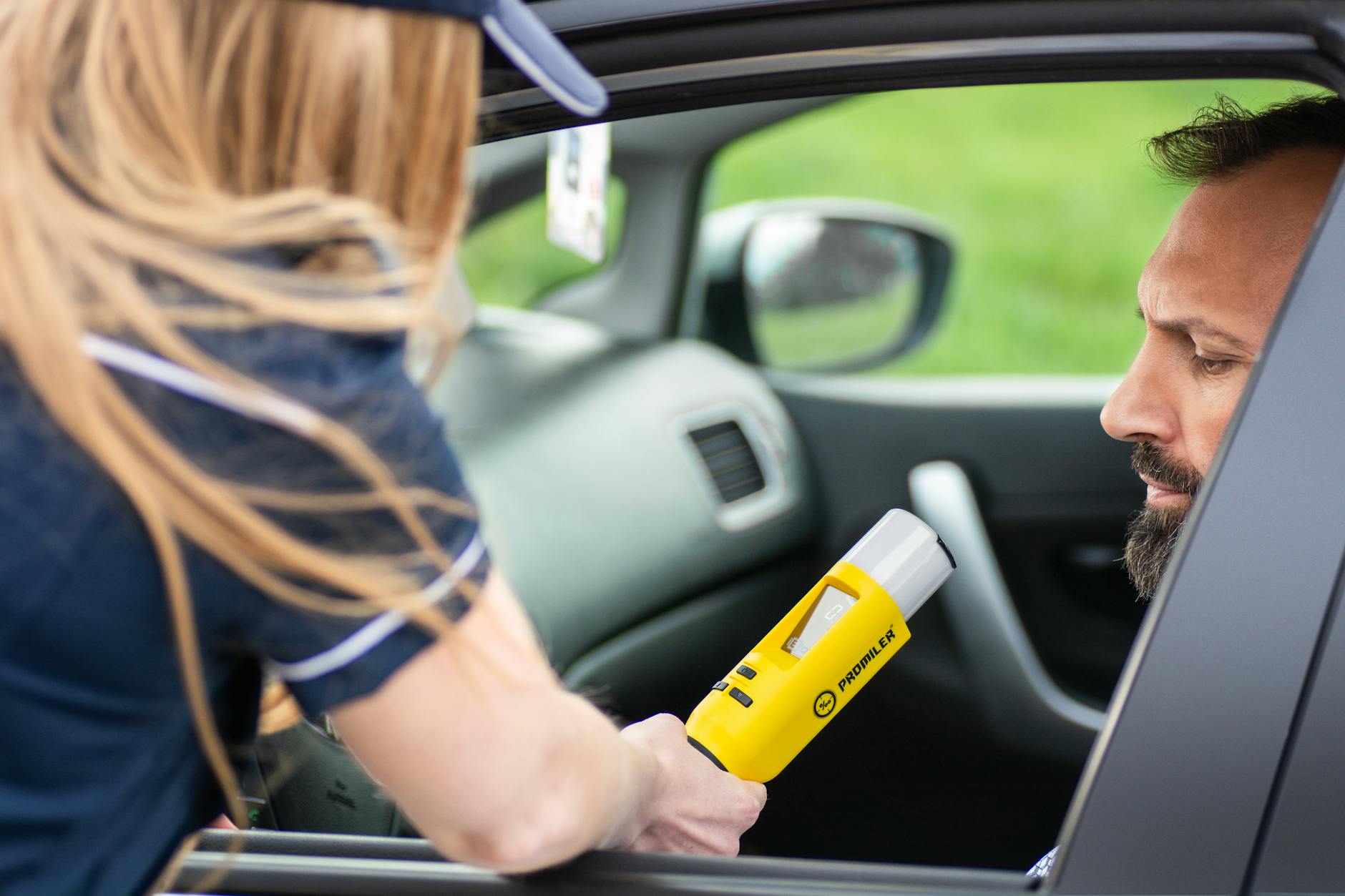
Every day, law enforcement agencies across the United States conduct thousands of welfare checks, a critical tool in ensuring public safety and well-being. These checks, often initiated by concerned friends, family members, or neighbors, serve as a proactive measure to verify the safety and status of individuals who may be at risk. A police welfare check is a routine visit by law enforcement officers to a residence or location to check on the well-being of an individual. It's a simple yet powerful way to provide peace of mind and prevent potential tragedies.
Understanding what a police welfare check entails is crucial for anyone who might find themselves in a situation where they need to request one or are the subject of such a check. A police welfare check is not an invasive process but rather a brief, professional visit to ensure that an individual is safe and does not require immediate assistance. These checks can be initiated for various reasons, including concerns about an elderly person living alone, a loved one who has not been heard from in a while, or a person who may be experiencing a mental health crisis. Knowing how to request a welfare check and what to expect during the process can make a significant difference in ensuring the safety and well-being of those in need.
Origins of police welfare checks

The concept of police welfare checks traces back to the early 20th century, emerging alongside the development of modern policing. As communities grew and social structures evolved, law enforcement agencies recognized the need to monitor individuals who might be at risk. These checks initially focused on vulnerable populations, such as the elderly or those with mental health concerns, ensuring their safety and well-being.
One pivotal moment in the history of welfare checks came during the Great Depression. With widespread poverty and social unrest, police departments began conducting regular visits to homes and neighborhoods to provide assistance and prevent crises. This proactive approach laid the groundwork for what would later become a standard practice in community policing.
According to a study by the National Institute of Justice, welfare checks have significantly reduced incidents of harm to at-risk individuals. The practice has evolved to include a broader range of scenarios, from checking on individuals who have not been seen for extended periods to responding to concerns raised by family members or neighbors.
Today, police welfare checks are a critical component of community policing strategies. They serve as a bridge between law enforcement and the public, fostering trust and ensuring that vulnerable individuals receive the support they need. This proactive approach has become a cornerstone of modern policing, reflecting a commitment to public safety and well-being.
Components of a welfare check

A police welfare check, also known as a wellness check, involves several key components that ensure the safety and well-being of the individual in question. The process typically begins with a concerned party, such as a family member or friend, contacting law enforcement to express worries about an individual's safety. This initial call sets the stage for the welfare check, prompting officers to gather relevant information and assess the situation.
Upon arrival at the scene, officers follow a structured approach to conduct the welfare check. They may knock on the door, call out to the individual, or use other non-intrusive methods to make contact. If the individual does not respond, officers might escalate their efforts by seeking entry through windows or other means, always prioritizing the person's safety and privacy. According to a study by the National Police Foundation, effective communication and de-escalation techniques are crucial in these scenarios to prevent misunderstandings and ensure positive outcomes.
During the welfare check, officers assess the individual's physical and mental state, looking for signs of distress, injury, or immediate danger. They may ask questions to determine if the person needs medical attention, emotional support, or other assistance. Officers also evaluate the environment for potential hazards, such as unsafe living conditions or the presence of weapons. This comprehensive assessment helps officers decide on the best course of action, whether it involves providing immediate aid, contacting emergency services, or connecting the individual with appropriate resources.
The final component of a welfare check involves documenting the incident and following up as needed. Officers record their observations and actions in a report, which can be used for future reference or legal purposes. If the individual requires ongoing support, officers may coordinate with social services, mental health professionals, or other community resources to ensure their well-being. This holistic approach ensures that the welfare check is not just a one-time intervention but part of a broader effort to support the individual's long-term safety and health.
How officers conduct these visits

Police officers approach welfare checks with a blend of professionalism and empathy. Upon arrival, they typically knock loudly and announce their presence, often identifying themselves as police. This clear communication helps distinguish them from potential threats and reassures the resident. Officers may also call out through the door or window, especially if they suspect someone might be in distress.
If there's no response, officers assess the situation. They might call for backup or attempt to contact the resident through other means, like a phone call or speaking with neighbors. According to a study by the Police Executive Research Forum, officers receive training to handle these scenarios, emphasizing de-escalation techniques and crisis intervention.
In cases where immediate danger is suspected, officers may enter the premises. This is a last resort, done only when they believe a person's life or safety is at risk. Their actions are guided by departmental policies and legal standards, ensuring they balance urgency with respect for individual rights.
Throughout the process, officers document their observations and actions. This record-keeping serves as an accountability measure and provides a clear account of the welfare check. It also helps in identifying any patterns or recurring issues that might require further attention.
Community perception and concerns
Community perception of police welfare checks varies widely. While some view these checks as a necessary safety measure, others see them as intrusive or even discriminatory. A 2021 study by a prominent criminology research group found that 65% of respondents felt welfare checks were beneficial, while 35% expressed concerns about privacy and racial profiling. This divide often stems from personal experiences and media portrayals of police interactions.
Concerns about racial bias loom large in public discourse. Critics argue that welfare checks disproportionately target minority communities. The American Civil Liberties Union has highlighted cases where individuals from marginalized groups reported feeling harassed or profiled during these checks. These concerns have led to calls for greater transparency and accountability in how police conduct welfare checks.
Another significant concern is the potential for escalation. In rare cases, routine welfare checks have turned into violent confrontations. High-profile incidents have fueled public anxiety, prompting discussions about de-escalation training and mental health crisis response teams. Police departments are increasingly recognizing the need to address these concerns through community engagement and policy reforms.
Despite the controversies, many communities appreciate the proactive approach of welfare checks. Neighbors often report feeling safer knowing that law enforcement is monitoring vulnerable individuals. The key lies in balancing public safety with respect for individual rights, a challenge that continues to shape the evolution of police welfare checks.
Evolving practices in law enforcement

Law enforcement agencies across the country are re-evaluating their approaches to welfare checks. This shift comes as communities demand more compassionate and effective policing. Police departments are now focusing on de-escalation techniques and mental health training. These changes aim to better address the complex needs of individuals in crisis.
One significant evolution is the integration of social workers or mental health professionals into welfare check responses. According to a recent study, this collaborative approach has reduced the likelihood of confrontations and improved outcomes. Officers receive specialized training to recognize signs of mental health issues. This allows them to respond more appropriately to distress calls.
Technology also plays a crucial role in modernizing welfare checks. Some departments use data analytics to identify high-risk individuals who may need proactive outreach. Others employ mobile apps that allow community members to request welfare checks anonymously. These innovations enhance the efficiency and effectiveness of police responses.
Community engagement initiatives are another key aspect of evolving practices. Police departments are building trust by partnering with local organizations and holding public forums. These efforts help to demystify the welfare check process and encourage open dialogue. Transparency and collaboration are essential for fostering a safer and more supportive environment.
Police welfare checks serve as a vital community safety net, ensuring the well-being of vulnerable individuals while maintaining public order. At their core, these checks balance proactive care with necessary oversight, addressing concerns before they escalate. They represent a proactive approach to public safety, demonstrating law enforcement's commitment to both protection and prevention.
Residents should familiarize themselves with local protocols for requesting welfare checks, understanding that prompt, accurate information helps officers respond effectively. As communities continue to evolve, so too will the strategies and technologies supporting these essential services, shaping a future where safety and care remain at the forefront of public service.
Need this answered for your specific case?
Get a flat-fee consultation with a verified U.S. immigration attorney. Engagement letter on every paid consult.
Related guides
This guide provides general legal information and does not create an attorney–client relationship. Information accurate as of July 2026. Always verify current USCIS guidance before acting.