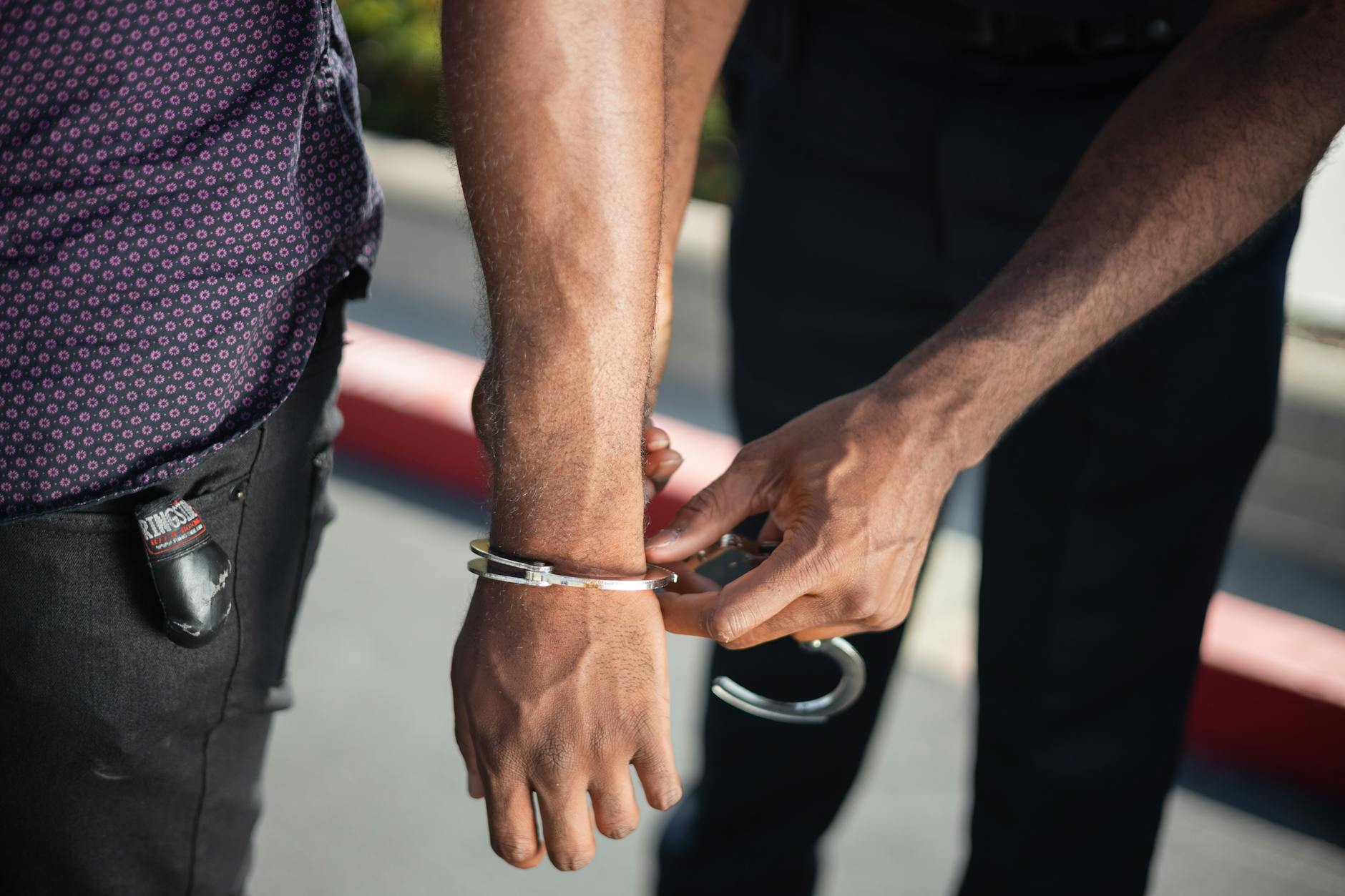
Every year, thousands of individuals face charges for resisting arrest, a crime that can have serious legal consequences. What is resisting arrest crime? It involves obstructing, opposing, or using physical force against law enforcement officers during an arrest. This offense is taken seriously by the justice system, as it undermines the ability of police to perform their duties safely and effectively.
Understanding what is resisting arrest crime is crucial for anyone who may find themselves in a situation involving law enforcement. Whether it's a misunderstanding, a moment of panic, or a deliberate act, the repercussions can be severe. From fines and probation to jail time, the penalties vary based on jurisdiction and circumstances. Knowing the key elements of this crime can help individuals navigate encounters with police more safely and make informed decisions if they ever face such charges.
Defining Resisting Arrest

Resisting arrest is a criminal offense that occurs when an individual intentionally obstructs, opposes, or interferes with a law enforcement officer's efforts to perform a lawful duty. This crime encompasses a range of behaviors, from passive resistance to active physical confrontation. The core of this offense lies in the deliberate act of hindering an officer's ability to carry out their responsibilities, such as making an arrest or maintaining public order.
A critical aspect of resisting arrest is the requirement of intent. Prosecutors must demonstrate that the individual knowingly and willfully resisted the officer's lawful actions. This intent can be shown through actions like pulling away, running, or using force against the officer. According to legal experts, the intent to resist is often inferred from the circumstances and the individual's behavior during the encounter.
Statistically, resisting arrest charges are not uncommon. Data from the Bureau of Justice Statistics indicates that law enforcement agencies report thousands of such incidents annually. These charges can lead to serious consequences, including fines, probation, or even imprisonment, depending on the jurisdiction and the severity of the resistance. Understanding the elements of this crime is crucial for both legal professionals and the general public to navigate the complexities of the legal system effectively.
It's essential to recognize that resisting arrest does not always involve physical altercations. Verbal threats, refusal to comply with lawful orders, or creating a disturbance can also constitute resisting arrest. Each case is unique, and the specific circumstances play a significant role in determining the outcome. Legal counsel can provide guidance tailored to individual situations, ensuring a thorough understanding of the charges and potential defenses.
Common Scenarios Leading to Charges

Resisting arrest charges often stem from misunderstandings or tense situations between law enforcement and individuals. One common scenario involves individuals attempting to flee from police officers. This can escalate quickly, as officers may perceive the attempt to flee as a threat. According to the Bureau of Justice Statistics, approximately 10.5 million individuals are arrested annually in the U.S., and a portion of these arrests involve resistance.
Another frequent situation occurs when individuals physically or verbally confront officers during an arrest. This can include pushing, pulling away, or using offensive language. Experts emphasize that even passive resistance, such as refusing to comply with simple instructions, can lead to charges. The key factor is whether the individual's actions impede the officer's ability to perform their duties.
Mental health crises also play a significant role in resisting arrest cases. Individuals experiencing psychotic episodes or severe anxiety may react unpredictably to law enforcement. Officers often face the challenging task of balancing public safety with the need to de-escalate the situation. In these cases, the outcome can hinge on the officer's training and the individual's mental state at the time of the incident.
Additionally, bystanders attempting to intervene during an arrest can face resisting arrest charges. This scenario highlights the complexities of law enforcement interactions, as bystanders may feel compelled to protect loved ones or stand up against perceived injustice. However, interfering with an arrest can result in legal consequences for those involved.
Consequences and Legal Implications

Resisting arrest charges can have serious consequences, potentially leading to misdemeanor or felony convictions depending on the jurisdiction and circumstances. A conviction may result in fines, probation, or even jail time. In some states, a resisting arrest charge can enhance penalties for other crimes if convicted. According to the National Conference of State Legislatures, at least 15 states have laws that increase penalties for crimes committed while resisting arrest.
Legal implications extend beyond immediate penalties. A resisting arrest charge on one's record can impact future employment opportunities, especially in fields requiring background checks. It may also affect immigration status for non-citizens, potentially leading to deportation in some cases. The charge can also influence the outcome of related legal proceedings, making it crucial to understand the specifics of the incident and applicable laws.
Defenses against resisting arrest charges often hinge on the interpretation of the officer's actions and the individual's response. Experts emphasize that understanding the legal definition of "resistance" in one's state is key. For instance, passive resistance, such as refusing to comply with an officer's commands, may not always constitute a crime. However, active resistance, like physically struggling or threatening an officer, typically carries more severe penalties.
In some cases, individuals may challenge the legality of the arrest itself, arguing that the officer lacked probable cause or acted unlawfully. Successful challenges can lead to the dismissal of resisting arrest charges. It's essential to consult with a legal professional to explore potential defenses and understand the complexities of the case. The outcome can significantly impact one's life, making informed legal representation crucial.
Effective Defense Strategies

Resisting arrest charges can have serious consequences, making it crucial to understand effective defense strategies. The first line of defense often involves challenging the officer's account of the incident. Law enforcement personnel must adhere to specific protocols during an arrest. Any deviation from these procedures can weaken their testimony and bolster a defendant's case. A skilled attorney can scrutinize the arrest report for inconsistencies or omissions that may indicate misconduct.
Physical evidence plays a significant role in resisting arrest cases. Surveillance footage, body camera recordings, or witness statements can provide an objective account of the events. According to a study by the National Institute of Justice, video evidence has become a critical factor in resolving disputes between civilians and law enforcement. Defense attorneys often rely on this evidence to demonstrate whether the defendant's actions were justified or excessive force was used by the officer.
Defendants may argue self-defense or defense of others. This strategy requires proving that the individual reasonably believed they were in imminent danger. The use of force must be proportional to the threat posed. Courts consider factors such as the defendant's state of mind, the severity of the threat, and the availability of alternative actions. Successfully invoking self-defense can lead to a reduction or dismissal of charges.
Mental health and medical conditions can also serve as viable defenses. Conditions such as PTSD, autism, or intellectual disabilities may affect an individual's ability to comply with police commands. Expert testimony from psychologists or psychiatrists can provide insight into the defendant's behavior during the arrest. This approach humanizes the defendant and highlights the need for understanding and compassion in law enforcement interactions.
Navigating Future Legal Challenges

As legal landscapes evolve, understanding how to navigate future challenges in resisting arrest cases becomes crucial. Law enforcement agencies continue to adapt their tactics, which may influence how courts interpret resistance. Defendants and their legal teams must stay informed about emerging trends to build robust defenses. Proactive legal strategies can make a significant difference in the outcome of such cases.
One key area to watch is the increasing use of body-worn cameras. These devices provide objective evidence that can either support or contradict allegations of resistance. According to legal experts, body camera footage has become a pivotal factor in many recent cases. Defendants should ensure their legal representatives thoroughly examine this evidence during the discovery process.
Another developing area involves the intersection of mental health and resisting arrest. Courts are increasingly recognizing the impact of mental health conditions on an individual's behavior during an arrest. Legal professionals must be prepared to present evidence of mental health issues to mitigate charges. This approach requires a collaborative effort between defense attorneys and mental health experts.
Additionally, the rise of social media has introduced new complexities. Viral videos of arrests can shape public opinion and influence jury perceptions. Defense teams must be adept at managing the narrative in both traditional and digital spheres. Understanding the legal implications of social media evidence is becoming an essential skill for defense attorneys.
Resisting arrest is a serious crime that involves obstructing law enforcement officers in their duties, with penalties ranging from fines to imprisonment. Understanding the three key elements—intentional obstruction, awareness of the officer's authority, and physical or verbal resistance—is crucial for anyone facing such charges. To navigate these situations, individuals should consult with a legal professional to understand their rights and the specifics of their case. As law enforcement and public interactions continue to evolve, staying informed about these legal nuances will remain essential for both personal safety and justice.
Need this answered for your specific case?
Get a flat-fee consultation with a verified U.S. immigration attorney. Engagement letter on every paid consult.
Related guides
This guide provides general legal information and does not create an attorney–client relationship. Information accurate as of July 2026. Always verify current USCIS guidance before acting.